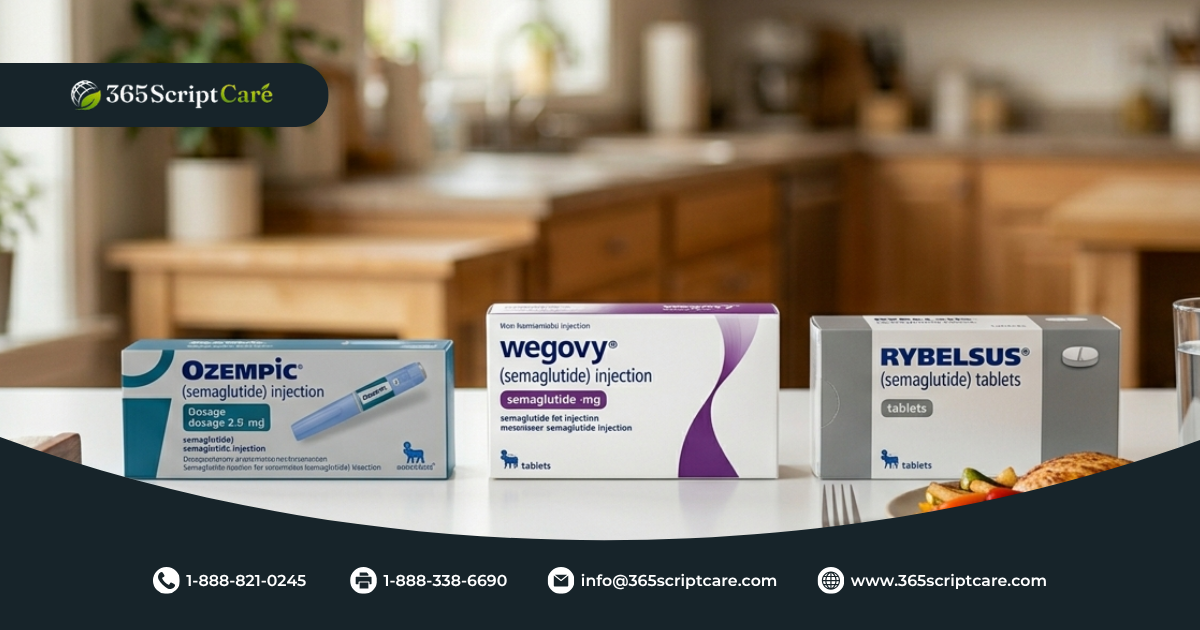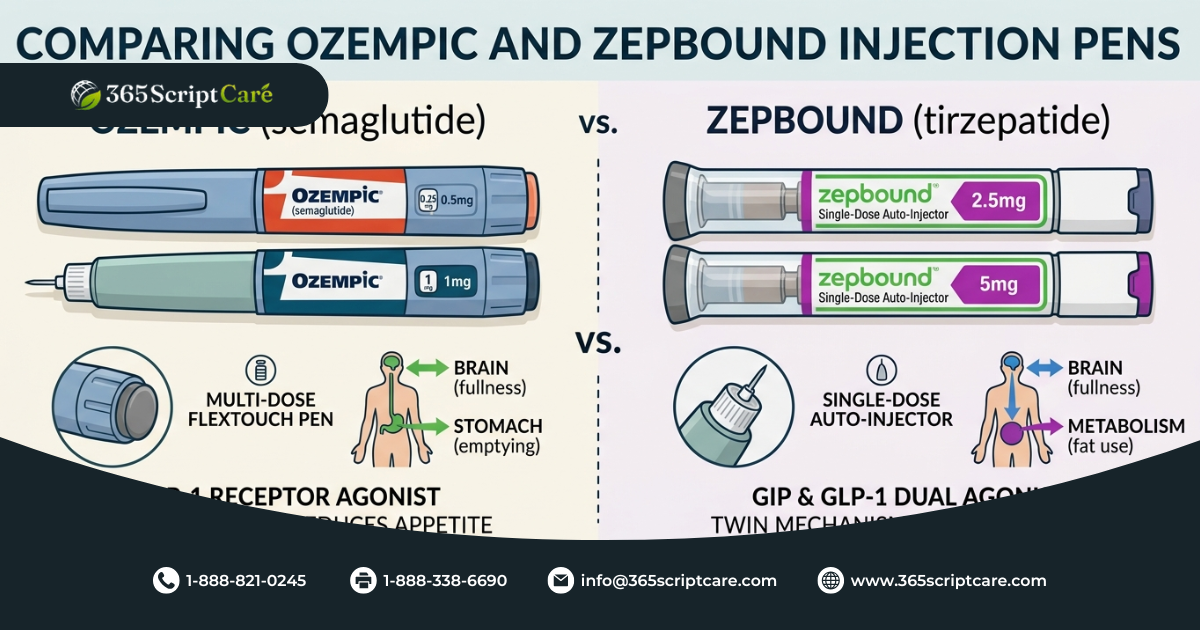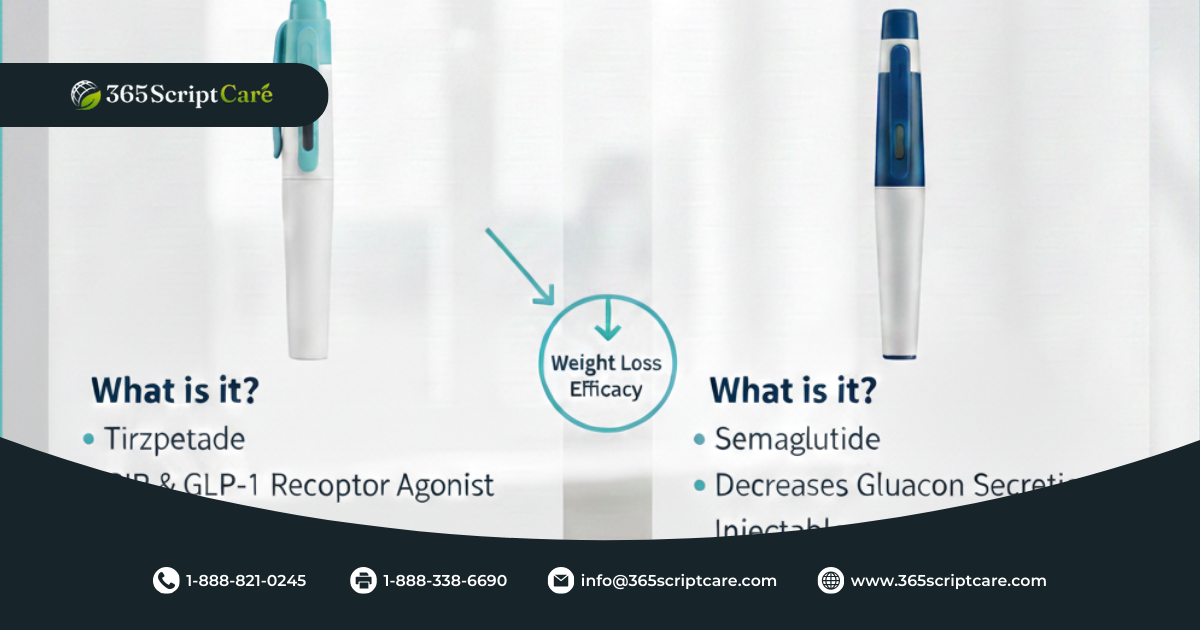
Zepbound vs Ozempic represents one of the most common comparisons people make when exploring weight management medications, and the primary difference is that Zepbound targets two hormones (GLP-1 and GIP) while Ozempic targets only GLP-1.
Both are weekly injectable treatments that help reduce appetite and support weight loss, but their mechanisms differ slightly. Zepbound contains Tirzepatide and was designed primarily for weight management, while Ozempic contains Semaglutide and was originally developed for blood sugar control with weight loss as an added benefit.
Zepbound vs Ozempic: Which One Works Better
For pure weight loss, Zepbound generally produces superior outcomes due to its dual hormone action. Users typically lose 15% to 25% of their body weight compared to 10% to 15% with Ozempic. However, “better” depends on your personal health goals.
If you need blood sugar management alongside weight reduction, Ozempic addresses both concerns effectively. Those focused solely on shedding pounds may find Zepbound more suitable. Your doctor can evaluate your specific situation and recommend the most appropriate option based on your medical history and objectives.
How Zepbound Functions in Your Body
Zepbound uses Tirzepatide as its active ingredient. This treatment mimics two natural hormones your body produces after eating. The first is GLP-1, which signals fullness to your brain and slows stomach emptying. The second is GIP, which helps regulate fat metabolism and nutrient processing.
The dual hormone approach gives Zepbound a potential edge in weight management. By activating two pathways instead of one, your body receives stronger signals to reduce hunger and improve how it handles food. Many users find they feel satisfied with smaller portions and experience fewer cravings throughout the day.
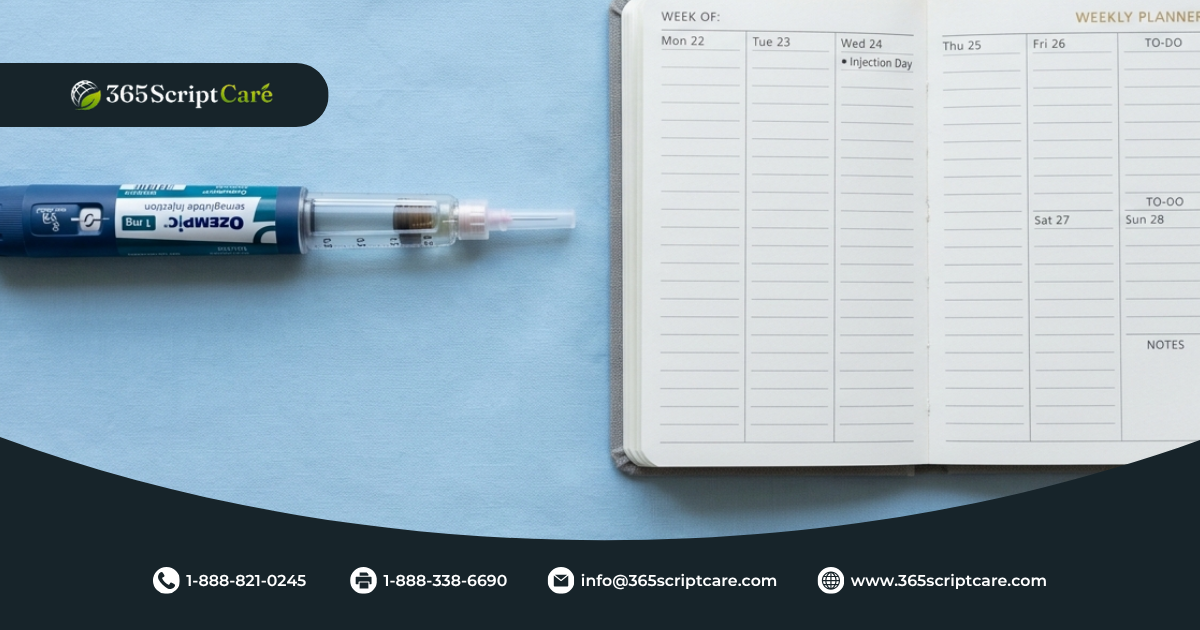
Zepbound injections are given once weekly at the same time each week. You can inject in your stomach, thigh, or upper arm. The pre-filled pens make self-injection straightforward even for beginners.
How Ozempic Functions in Your Body
Ozempic contains Semaglutide and works by mimicking the GLP-1 hormone. When you eat, your gut naturally releases GLP-1 to tell your brain you are full. Ozempic enhances this signal, making you feel satisfied with less food.
This treatment also slows gastric emptying, meaning food stays in your stomach longer after meals. This prolonged fullness helps prevent overeating and reduces the urge to snack between meals. Additionally, Ozempic helps your pancreas release insulin more effectively when blood sugar rises.
Like Zepbound, Ozempic is a once-weekly injection. You can administer it in your stomach, thigh, or upper arm using a pre-filled pen. Consistency matters, so choosing the same day each week helps maintain steady levels in your system.
Zepbound vs Ozempic Dosing Comparison Between Both Options
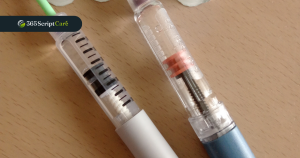
Understanding the dosing differences between Zepbound vs Ozempic helps you know what to expect during treatment. Both start at lower amounts and gradually increase to minimize side effects.
| Dosing Factor | Zepbound (Tirzepatide) | Ozempic (Semaglutide) |
| Starting Amount | 2.5 mg weekly | 0.25 mg weekly |
| First Increase | 5 mg after 4 weeks | 0.5 mg after 4 weeks |
| Maximum Amount | 15 mg weekly | 2 mg weekly |
| Time to Reach Maximum | 4-5 months typically | 3-4 months typically |
| Injection Sites | Stomach, thigh, upper arm | Stomach, thigh, upper arm |
| Injection Day | Same day each week | Same day each week |
The gradual increases allow your digestive system to adjust properly. Jumping to higher amounts too quickly often causes more intense side effects. Your prescribing physician will guide you through each increase based on how well you tolerate the treatment.
Looking for effective weight management options? You can buy cheap Wegovy online through 365 Script Care, a prescription referral service with a licensed contracted pharmacy department.
Zepbound vs Ozempic: Weight Loss Outcomes You Can Expect
When evaluating Zepbound vs Ozempic, potential pounds lost matters to most people. While individual outcomes vary based on diet, exercise, and starting weight, general patterns exist.
Zepbound users typically report losing between 15% to 25% of their body weight during treatment. For someone starting at 200 pounds, this means shedding 30 to 50 pounds over several months. The dual hormone action appears to enhance outcomes compared to single hormone options.
Ozempic users generally experience reductions ranging from 10% to 15% of body weight. Using the same 200-pound example, this equals approximately 20 to 30 pounds shed. These outcomes remain impressive and life-changing for many people.
What Influences Your Personal Outcomes
Several factors affect how much you lose on either option. Your starting weight plays a role because people with more to lose often see larger initial reductions. Diet quality significantly impacts success as well.
Eating whole foods like vegetables, lean proteins, fruits, and whole grains enhances your progress. Limiting processed foods, sugary drinks, and excessive carbohydrates helps the treatment work more effectively. You do not need a perfect diet, but better food choices lead to better success.
Physical activity boosts your progress on both options. Even moderate exercise like walking 20-30 minutes daily makes a noticeable difference. Movement also improves mood, energy levels, and overall health beyond just the scale.
Timeline for Seeing Progress
Do not expect dramatic changes immediately. Most people notice reduced appetite within the first two weeks of starting treatment. This appetite reduction is often the first sign everything is working.
Visible changes typically become apparent after four to eight weeks. This timing coincides with reaching higher therapeutic amounts. Maximum progress usually occurs after four to six months of consistent use at your target maintenance level.
Patience matters during the early weeks. Trust the process and focus on positive changes in your hunger levels and eating habits rather than obsessing over numbers.
Zepbound vs Ozempic Side Effects
Both share similar side effect profiles since they work on related hormonal pathways. Knowing what to expect helps you prepare and manage any discomfort.
| Side Effect | Zepbound | Ozempic |
| Nausea | Common initially | Common initially |
| Diarrhea | Moderate frequency | Moderate frequency |
| Constipation | Some users | Some users |
| Vomiting | Can occur early on | Can occur early on |
| Decreased Appetite | Expected and desired | Expected and desired |
| Injection Site Redness | Mild and temporary | Mild and temporary |
| Stomach Discomfort | Common during adjustment | Common during adjustment |
| Fatigue | Some users report | Some users report |
Most side effects are mild to moderate and improve as your body adjusts over two to four weeks. The gradual increases help minimize these effects significantly.
Managing Common Side Effects
Eating smaller meals more frequently helps reduce nausea and stomach discomfort. Large meals can overwhelm your slower-moving digestive system. Try eating five small meals instead of three large ones.
Staying well hydrated reduces constipation and helps your body process everything properly. Aim for eight or more glasses of water daily. Herbal teas and water-rich foods like cucumbers and watermelon also contribute to hydration.
Avoiding fatty, greasy, or spicy foods during the adjustment period minimizes digestive upset. These foods are harder to digest when gastric emptying is slowed. Stick to bland, easy-to-digest choices during your first few weeks.
When to Contact Your Doctor
Reach out to your prescribing physician if side effects become severe or do not improve after several weeks. Persistent vomiting, severe abdominal pain, or signs of allergic reaction require prompt medical attention.
Your doctor can adjust your amount or provide additional strategies to manage discomfort. Never increase or decrease on your own without medical guidance.
Things To Know Before Starting Treatment: Zepbound vs Ozempic
This section provides essential facts for anyone considering these options. Understanding these points helps you make an informed decision and set realistic expectations.
Zepbound received approval specifically for chronic weight management in adults with obesity or overweight individuals with weight-related health conditions. Shedding pounds is its primary purpose.
Ozempic was originally approved for managing type 2 diabetes, with weight reduction occurring as a beneficial secondary effect. Many doctors now prescribe it specifically for weight management as well.
Both require a valid prescription from a primary care physician or licensed medical doctor practicing within the USA. You cannot obtain these treatments without proper medical evaluation and an English-language prescription.
Weekly self-injections are necessary for both choices. If needles cause you significant anxiety, discuss this concern with your doctor. The injection process is simpler than most people expect, and the needles are very thin.
Neither works as a standalone solution. Combining treatment with healthier eating habits and regular physical activity produces the best long-term success. Think of the treatment as a tool that makes lifestyle changes easier, not a replacement for them.
Not everyone qualifies for these treatments. Certain medical conditions may make them unsuitable for you. Your doctor will review your complete health history before prescribing.
Progress requires patience and consistency. Missing injections or stopping and starting treatment reduces effectiveness. Commit to the full treatment plan for optimal success.
Explore your choices at 365 Script Care, a prescription referral service that works with a licensed contracted pharmacy department. They ship directly to your residence within 7-10 business days from the date shipped. Note that prescriptions must be written in English and issued by doctors practicing in the USA only. They ship a maximum 90-day supply if your prescription allows it.
Which Option Fits Your Goals Better: Zepbound vs Ozempic
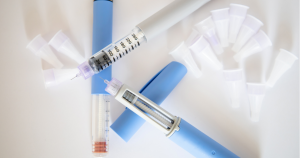
Choosing between Zepbound vs Ozempic depends on your specific situation and health objectives. These guidelines can help point you toward the superior choice.
Consider Zepbound if shedding pounds is your main priority. The dual hormone action may provide enhanced progress for people focused primarily on managing their weight. It makes sense for those who want a treatment designed specifically for this purpose.
Consider Ozempic if you also need to manage blood sugar levels. People with type 2 diabetes often benefit from Ozempic because it addresses both concerns simultaneously. It also works well for those who prefer a treatment with a longer history of use.
Your doctor can help determine which choice aligns best with your medical history and goals. Be honest about your expectations and any concerns during this conversation.
Zepbound vs Ozempic Practical Tips for Better Progress
These actionable strategies help maximize your success regardless of which path you choose. Track your food intake for at least the first month. Writing down what you eat reveals patterns you might not notice otherwise. Many people discover they consume more calories than they realized before tracking.
Prepare your kitchen for success by stocking healthy choices. When your appetite decreases, you want nutritious foods available. Remove tempting processed snacks that offer little nutritional value. Choose a consistent injection day and time. Many people select weekend mornings when they have more time and can rest if needed.
Set a weekly reminder on your phone so you never forget. Connect with others on similar journeys. Online communities and support groups provide encouragement and practical advice from people who understand your experience. Sharing challenges and victories helps maintain motivation.
Celebrate non-scale victories along the way. Notice how your clothes fit differently, how your energy improves, and how your relationship with food changes. These wins matter as much as numbers.
You can also check out Ozempic through 365 Script Care for convenient access to your prescribed treatment.
Your Path Forward with Zepbound vs Ozempic
The Zepbound vs Ozempic comparison ultimately comes down to your individual needs and health goals. Zepbound offers dual hormone action that may produce greater progress for those focused primarily on managing their weight. Ozempic provides proven single hormone effectiveness with additional blood sugar benefits for those who need them.
Both require weekly injections, gradual increases, and commitment to healthier lifestyle habits for optimal success. Side effects are similar and typically manageable with proper strategies. Your doctor remains your best resource for determining which choice suits your specific situation.
Take action today by discussing these paths with your healthcare provider. With the right treatment and consistent effort, achieving your weight management goals becomes much more attainable.
Frequently Asked Questions
Can I switch between Zepbound and Ozempic during treatment?
Yes, switching between these options is possible with your doctor’s guidance. Your physician will determine the appropriate starting amount of the new treatment based on your current regimen. Allow time for your body to adjust after switching, as you may experience some side effects during the transition period.
How long should I expect to stay on these treatments?
Most doctors recommend viewing these as long-term solutions rather than short-term fixes. The appetite-reducing effects only work while you take the treatment. Stopping often leads to increased hunger and potential regain. Discuss your long-term plan with your prescribing physician.
What happens if I miss a weekly injection?
Take the missed injection as soon as you remember if your next scheduled one is more than 48 hours away. If your next one is within 48 hours, skip the missed injection and continue with your regular schedule. Never take two at once to make up for a missed one.
Can people without diabetes take these treatments?
Yes, both can be prescribed for weight management in people without diabetes. Zepbound is specifically approved for this purpose. Ozempic is often prescribed off-label for weight reduction in non-diabetic individuals. Your doctor will evaluate whether you qualify based on your weight and health status.
Are the outcomes from these treatments permanent?
The progress you achieve can be maintained with continued healthy habits, but the treatments themselves do not create permanent changes. Most people need ongoing treatment to maintain their success. If you stop, your appetite typically returns to previous levels, which can lead to regain without continued lifestyle modifications.