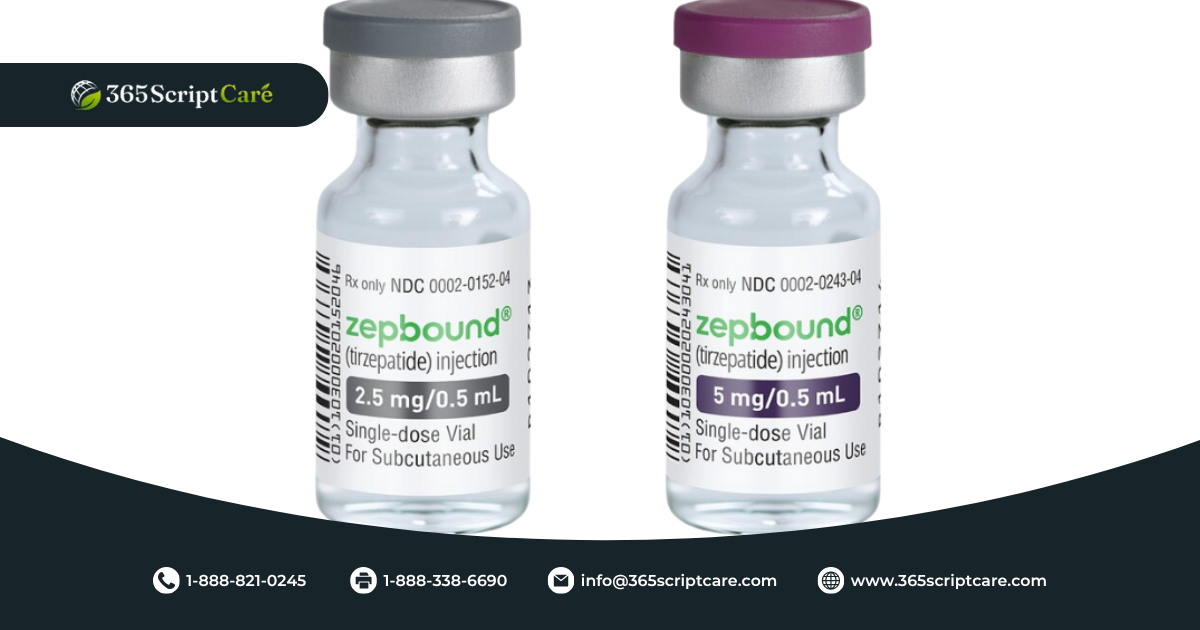
The Zepbound dose schedule starts at 2.5 mg once weekly and gradually increases every four weeks, with a maximum maintenance dose of 15 mg per week.
Each step in the Zepbound dose schedule is designed to help your body adjust to the medication while reducing the chance of side effects like nausea or stomach upset. Most people follow a structured escalation over several months before reaching their target dose.
Zepbound (Tirzepatide) is an injectable prescription medication approved for chronic weight management in adults with obesity or weight-related health conditions. It belongs to a class called GIP and GLP-1 receptor agonists, which work by regulating appetite, slowing digestion, and improving blood sugar control.
Unlike older weight loss medications, Tirzepatide activates two hormone receptors at the same time. This dual-action approach is what makes it stand out, and it is also why the Zepbound dose schedule follows a slow, careful titration process. Jumping straight to a high dose would overwhelm the body, so the stepwise increases are intentional.
You can only get Zepbound through a valid prescription written in English by a licensed primary care physician or medical doctor practicing within the USA.
The Full Zepbound Dose Schedule Breakdown
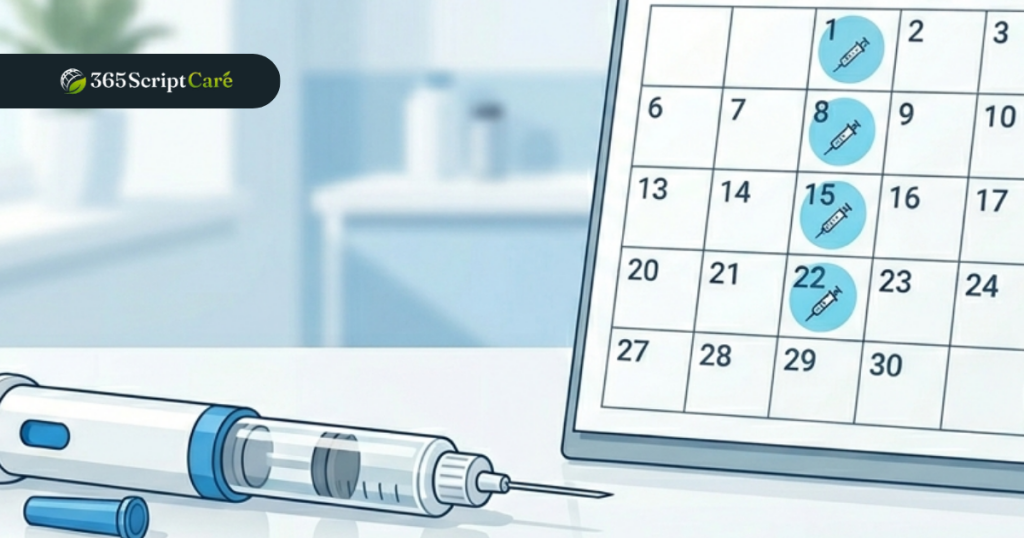 The Zepbound dose schedule is broken into a starting phase and a maintenance phase. Here is how the full escalation looks from week one to the long-term dose:
| Phase | Dose | Duration |
| Starting Dose | 2.5 mg once weekly | Weeks 1 to 4 |
| Escalation Step 1 | 5 mg once weekly | Weeks 5 to 8 |
| Escalation Step 2 | 7.5 mg once weekly | Weeks 9 to 12 |
| Escalation Step 3 | 10 mg once weekly | Weeks 13 to 16 |
| Escalation Step 4 | 12.5 mg once weekly | Weeks 17 to 20 |
| Maximum Maintenance Dose | 15 mg once weekly | Week 21 onward |
Each step in the Zepbound dose schedule lasts approximately four weeks. Your doctor may slow down the escalation if you experience side effects that are difficult to manage. Some patients stay at 5 mg or 10 mg for longer before moving up, depending on how their body responds.
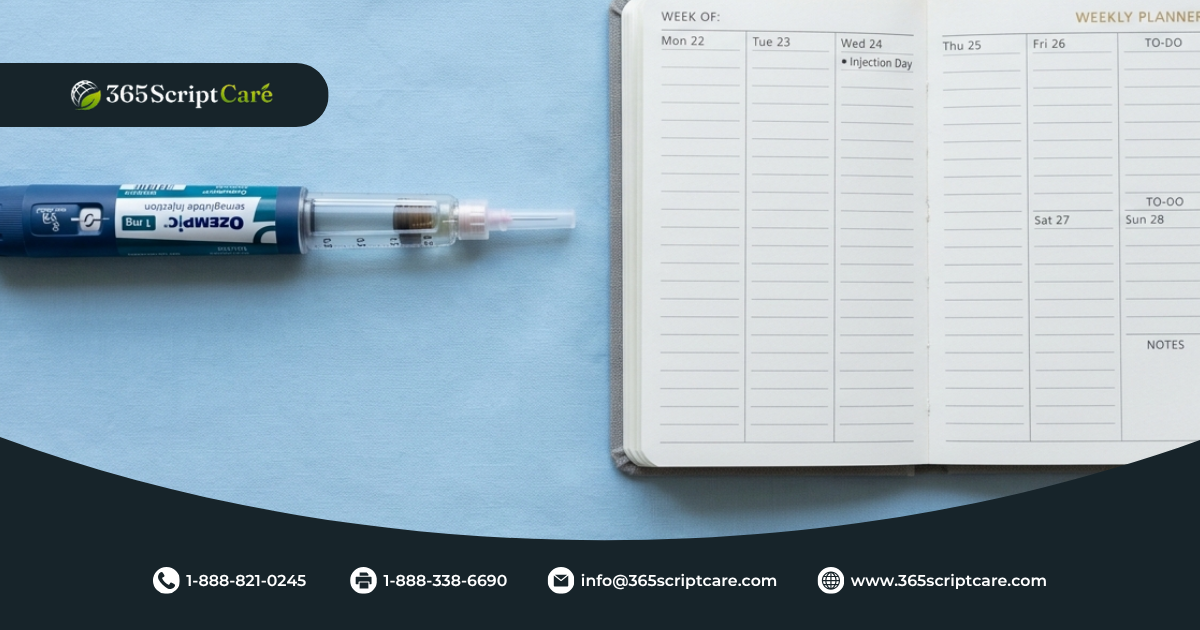
It is important to stay consistent with your injection day each week. For example, if you inject every Monday, keep that day the same throughout your treatment. The Zepbound dose schedule works best when doses are evenly spaced.
Why the Zepbound Dose Schedule Is Gradual
Starting with a low dose and slowly increasing is not just a recommendation, it is a clinical necessity. Here is why:
- Digestive adjustment: Tirzepatide slows gastric emptying, which can cause nausea, vomiting, or diarrhea if introduced too quickly. The gradual Zepbound dose schedule lets your gut adapt.
- Appetite suppression onset: At lower doses, appetite starts to decrease gently. Rushing to a higher dose too fast can cause extreme nausea without added benefit.
- Tolerability: Studies show patients who followed the standard Zepbound dose schedule had better tolerability and lower dropout rates than those who escalated quickly.
Think of it like adjusting to a new exercise routine. You would not sprint a marathon on your first training day. The same logic applies here. Your body needs time to respond, and the Zepbound dose schedule gives it exactly that.
If you are reading about other GLP-1 options alongside Tirzepatide, it may also help to read about how Zepbound works for weight loss to better understand what to expect.
What Happens at Each Dose Level
Understanding what each stage of the Zepbound dose schedule feels like can help you prepare mentally and physically.
2.5 mg (Weeks 1 to 4): This is purely an introductory dose. Most people do not notice dramatic weight changes yet, but mild appetite reduction may start. Some experience light nausea after the first injection.
5 mg (Weeks 5 to 8): Appetite suppression becomes more noticeable. Many patients report feeling full sooner and snacking less. This is where consistent meal changes often begin.
7.5 mg (Weeks 9 to 12): For many people, weight loss starts to pick up speed at this stage. Energy levels may shift as calorie intake decreases. Staying hydrated is especially important here.
10 mg (Weeks 13 to 16): This is considered a therapeutic dose for many patients. Some doctors choose this as a long-term maintenance dose if the patient responds well without needing to go higher.
12.5 mg and 15 mg (Week 17 onward): These higher doses are for patients who need additional support to meet their weight loss goals. Not everyone needs to reach 15 mg. Your doctor determines the right ceiling for you based on results and side effects.
Which Dose Is Best for You
The best dose in the Zepbound dose schedule is not always the highest one. The goal is to find the lowest effective dose where you are losing weight steadily and tolerating the medication well.
| Patient Situation | Likely Target Dose |
| Mild side effects at lower doses | 5 mg to 7.5 mg maintenance |
| Good tolerability, moderate weight loss | 10 mg maintenance |
| Strong tolerability, significant weight loss goal | 12.5 mg to 15 mg maintenance |
| Sensitive stomach or digestive issues | Slower escalation, lower ceiling |
Your prescribing doctor makes the final call on which dose is appropriate. Never increase your dose on your own. The Zepbound dose schedule requires medical oversight to be both safe and effective.
Things To Know About the Zepbound Dose Schedule
Before starting or adjusting your Zepbound dose schedule, there are several practical things worth knowing:
- Missed dose rule: If you miss a dose, take it as soon as you remember within four days of the scheduled day. If it has been more than four days, skip it and resume your regular schedule.
- Storage: Zepbound pens should be stored in the refrigerator. Do not freeze them. Bring the pen to room temperature before injecting.
- Injection sites: Rotate between the abdomen, thigh, or upper arm with each injection to prevent skin irritation.
- Alcohol and meals: You do not need to avoid specific foods on Zepbound, but eating smaller, lower-fat meals tends to reduce nausea during dose escalation.
- Prescription required: This is a prescription-only medication. Prescriptions must be issued in English by a licensed primary care physician or medical doctor practicing within the USA.
- Supply limit: At 365 Script Care, we ship a maximum 90-day supply, depending on what your prescription allows.
- Delivery timeline: Once shipped, medication typically arrives within 7 to 10 business days to your residential address. We ship directly to your home and do not deliver to medical offices or clinics.
- Insurance: We are located outside of the USA and do not accept US insurance plans. For more information on payment options, contact our team directly.
If you are looking for a convenient and reliable way to access your medication, 365 Script Care is a prescription referral service with a licensed contracted pharmacy department that can help you get started with Zepbound.
Managing Side Effects During Dose Changes
Side effects during the Zepbound dose schedule are most common right after a dose increase. The most frequently reported ones include nausea, constipation, diarrhea, and reduced appetite.
Here are practical tips to manage them:
- Eat smaller portions and avoid greasy or spicy meals right after your injection day.
- Drink plenty of water throughout the day, especially if you notice constipation.
- Ginger tea or plain crackers can help settle nausea in the first day or two after a new dose.
- If side effects are severe or persistent, contact your doctor before moving to the next dose level.
Some patients also ask whether Tirzepatide affects sleep. If you want to learn more about that connection, check out this helpful read on Mounjaro and insomnia, which shares similar insights since both medications share the same active mechanism.
How Long Do You Stay on the Zepbound Dose Schedule
Zepbound is a long-term treatment. Once you reach your maintenance dose, you continue that dose indefinitely as long as you are responding well and not experiencing unmanageable side effects.
Stopping Zepbound abruptly can lead to appetite returning and weight regaining quickly. Always talk to your doctor before making changes to your Zepbound dose schedule.
For patients who want to explore how similar medications compare, reading about Mounjaro for prescription weight loss can give helpful context since both use Tirzepatide as the active ingredient.
If you are ready to get your Zepbound prescription filled, 365 Script Care can help. We are a prescription referral service with a licensed contracted pharmacy department. Reach out to our team to learn how to get started with Tirzepatide through our service.
Frequently Asked Questions
How long does the Zepbound dose schedule take to reach the maximum dose?
The full Zepbound dose schedule takes approximately 20 weeks to reach the 15 mg maximum dose, increasing every four weeks from the starting 2.5 mg.
Most people reach their maintenance dose between weeks 13 and 20, depending on how well they tolerate each escalation step. Your doctor may slow things down if side effects are a concern.
Can I skip a step in the Zepbound dose schedule?
No. Skipping steps in the Zepbound dose schedule is not recommended and should never be done without your doctor’s guidance.
The gradual increases exist to protect you from serious digestive side effects. Moving up too fast increases the risk of severe nausea and vomiting.
What if I feel fine at a lower dose and do not want to increase?
If you are losing weight effectively and tolerating the current dose well, your doctor may agree to pause escalation and maintain your current Zepbound dose schedule level.
Not everyone needs to reach 15 mg. Many patients do very well at 10 mg or even 7.5 mg long term.
Does the Zepbound dose schedule change if I am on it for years?
Your maintenance dose stays the same unless your doctor recommends an adjustment based on your health progress, side effects, or changes in your weight loss goals.
The Zepbound dose schedule is not automatically increased over time. Your doctor reassesses regularly to determine if your current dose is still appropriate.
Can I get Zepbound through 365 Script Care?
Yes. 365 Script Care is a prescription referral service with a licensed contracted pharmacy department that can help US residents access Zepbound with a valid prescription.
Prescriptions must be written in English by a licensed primary care physician or medical doctor practicing within the USA. We ship directly to your residential address, and delivery typically takes 7 to 10 business days from the date of shipment.
Final Thoughts on the Zepbound Dose Schedule
The Zepbound dose schedule is one of the most structured and methodical approaches to weight loss medication available today. Starting at 2.5 mg and working up to a maximum of 15 mg over several months gives your body the time it needs to adjust safely while still delivering meaningful results.
Whether you are just beginning or already partway through your Zepbound dose schedule, consistency is what makes the biggest difference. Take your dose on the same day each week, eat mindfully, stay hydrated, and communicate openly with your doctor about how each step feels.
If you are looking to explore Saxenda as an alternative or want to understand your full range of options for medically supervised weight management, our team at 365 Script Care is ready to help. We are here to make the process of accessing your medication straightforward, reliable, and personal-use focused for US residents.