Diabetes is a complex health condition that affects millions of people worldwide. It occurs when the body cannot properly regulate blood sugar levels, leading to potential short-term and long-term health problems. Both Type 1 and Type 2 Diabetes involve challenges with insulin, but they develop differently and require unique management approaches. Understanding the differences in symptoms, complications, and treatment strategies can help individuals make informed decisions about care.
People living with diabetes often face concerns about how their condition might progress over time. Managing either Type 1 or Type 2 Diabetes requires attention to diet, lifestyle, and medication adherence. While each type has its own risks, the severity and potential impact on health vary depending on factors such as age, overall health, and access to proper medical care. Knowing the signs, risks, and treatment options is critical for maintaining a balanced, healthy life.
Which Is Serious, Type 1 or Type 2 Diabetes?
Type 1 Diabetes is an autoimmune condition in which the body attacks insulin-producing cells in the pancreas. It usually develops in childhood or adolescence but can occur in adults as well. People with Type 1 Diabetes cannot produce enough insulin, making lifelong insulin therapy essential. Without proper treatment, Type 1 Diabetes can quickly lead to dangerous complications such as diabetic ketoacidosis (DKA).
Type 2 Diabetes, on the other hand, is often linked to insulin resistance, where the body does not use insulin efficiently. It typically develops in adults over the age of 40, but rising obesity rates have made it more common in younger populations. Type 2 Diabetes may progress slowly, sometimes going undiagnosed for years, which can result in cumulative damage to organs and blood vessels. Both types of diabetes are serious, but the immediacy of life-threatening complications differs between Type 1 and Type 2.
Symptoms of Type 1 Diabetes

- Increased thirst and frequent urination: Excess sugar in the blood pulls water from cells, leading to dehydration.
- Extreme hunger: The body cannot use glucose properly, triggering constant hunger.
- Unintended weight loss: Lack of insulin prevents cells from absorbing glucose, causing the body to burn fat and muscle.
- Fatigue: Low energy results from glucose not reaching cells efficiently.
- Blurred vision: High blood sugar affects fluid levels in the eyes, impacting vision clarity.
Early detection is crucial. Children and young adults often experience rapid symptom onset, which can require immediate medical attention.
Symptoms of Type 2 Diabetes
- Increased thirst and frequent urination: Gradual onset can mask early symptoms.
- Slow-healing wounds: Elevated blood sugar levels interfere with proper healing.
- Frequent infections: High glucose supports bacterial growth.
- Tingling or numbness in hands and feet: Nerve damage develops over time due to prolonged high blood sugar.
- Blurred vision: Long-term high glucose levels affect eye health.
Type 2 Diabetes symptoms can be subtle, which is why routine screening is essential for those at higher risk, such as individuals with obesity, family history, or sedentary lifestyles.
Short-Term Complications of Type 1 Diabetes
- Diabetic Ketoacidosis (DKA): Life-threatening condition caused by a severe insulin shortage, leading to high ketone levels in the blood.
- Hypoglycemia (Low Blood Sugar): Can occur due to insulin dosing errors, missed meals, or excessive physical activity. Symptoms include shakiness, confusion, and, in severe cases, loss of consciousness.
- Hyperglycemia (High Blood Sugar): Can cause nausea, vomiting, and abdominal pain if not treated promptly.
Short-term management focuses on monitoring blood sugar levels closely and adjusting insulin doses as needed. Immediate intervention can prevent severe outcomes and hospitalizations.
Short-Term Complications of Type 2 Diabetes
- Hyperglycemia: Can develop gradually, sometimes unnoticed until complications arise.
- Hypoglycemia: Often occurs in patients taking certain diabetes medications such as sulfonylureas or insulin.
- Infections: High blood sugar increases susceptibility to infections such as urinary tract infections and skin infections.
Short-term complications in Type 2 Diabetes are usually less sudden but can escalate without proper management. Maintaining consistent blood sugar control is critical to prevent these events.
Long-Term Complications of Type 1 Diabetes
- Cardiovascular Disease: Long-term high blood sugar damages blood vessels, increasing the risk of heart attacks and strokes.
- Kidney Damage (Nephropathy): Persistent hyperglycemia can impair kidney function, potentially leading to kidney failure.
- Eye Damage (Retinopathy): High blood sugar damages blood vessels in the eyes, which can cause blindness if untreated.
- Nerve Damage (Neuropathy): Can lead to numbness, pain, or loss of sensation in extremities.
Preventing long-term complications involves meticulous blood sugar management, regular medical check-ups, and adherence to treatment plans.
Long-Term Complications of Type 2 Diabetes
- Cardiovascular Disease: Common due to insulin resistance and associated metabolic issues.
- Kidney Disease: Can progress silently over years if blood sugar and blood pressure are not controlled.
- Eye Damage: Gradual retinal damage can occur without early symptoms.
- Neuropathy: Often results in tingling, burning, or loss of sensation in the extremities, increasing the risk of injuries.
Type 2 Diabetes requires continuous monitoring and lifestyle adjustments to reduce the risk of these complications. Effective weight management and blood sugar control play a major role in minimizing long-term damage.
Treatment and Management of Type 1 Diabetes
- Insulin Therapy: Lifelong insulin injections or pump therapy are essential.
- Blood Sugar Monitoring: Frequent glucose checks help adjust insulin doses accurately.
- Dietary Planning: Carbohydrate counting helps balance insulin and glucose intake.
- Exercise: Regular activity improves insulin sensitivity but requires careful monitoring of blood sugar.
Advanced tools such as continuous glucose monitors (CGMs) help maintain stable blood sugar levels and reduce the risk of hypoglycemia or hyperglycemia.
Treatment and Management of Type 2 Diabetes

- Lifestyle Changes: Weight loss, balanced nutrition, and consistent physical activity improve blood sugar control.
- Oral Medications: Medications such as Metformin help improve insulin sensitivity.
- Insulin or Other Injectable Medications: Used when oral medications alone are insufficient.
- Regular Monitoring: Checking blood sugar levels, HbA1c, and other health markers helps track progress.
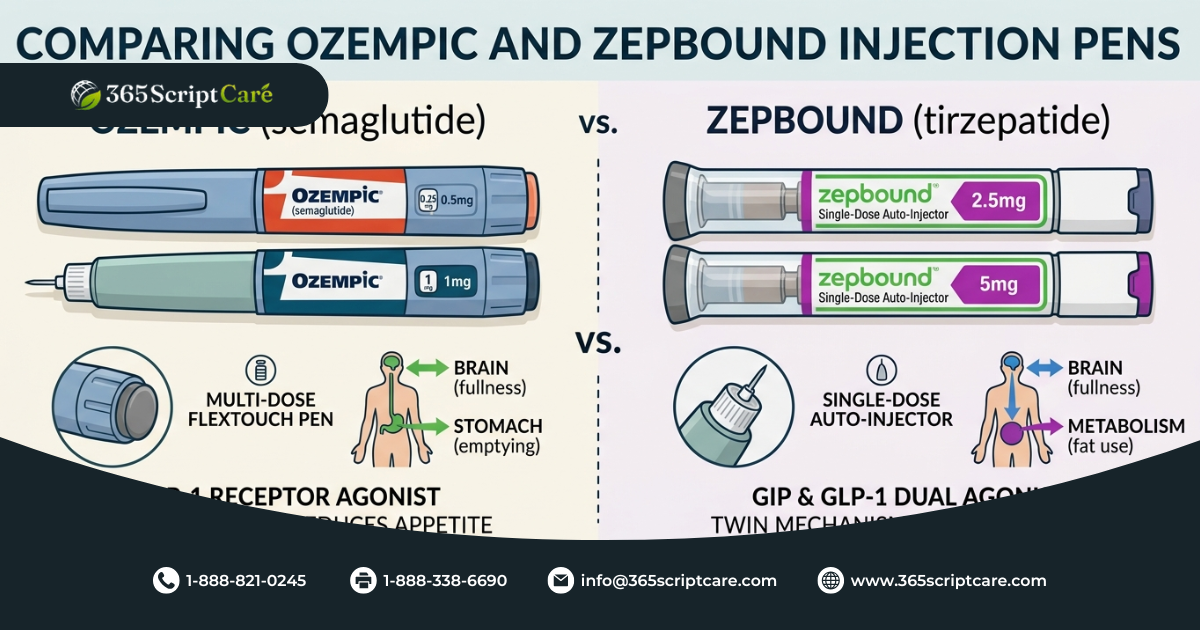
In some cases, medications like Ozempic weight loss or Semaglutide weight loss can support blood sugar management and aid in weight reduction for Type 2 Diabetes patients. Combining medical treatment with lifestyle changes is critical for optimal health outcomes.
The Bottom Line
Both Type 1 and Type 2 Diabetes are serious conditions that require careful attention, medical supervision, and proactive management. Type 1 Diabetes tends to have more immediate life-threatening complications without insulin therapy, while Type 2 Diabetes often progresses silently but can lead to severe long-term health consequences if left uncontrolled. Understanding the differences, monitoring symptoms, and adopting proper management strategies are essential for maintaining health and quality of life.
For those seeking additional support in managing diabetes alongside weight management, prescription options like Ozempic can provide guidance under a healthcare provider’s supervision. Buy affordable Ozempic online from Canada through 365 Script Care to integrate safe, effective medical support into a comprehensive diabetes care plan. Consistent monitoring, a balanced diet, and adherence to prescribed treatment can significantly reduce the risk of complications and improve long-term well-being.