Ozempic has gained widespread attention as both a diabetes treatment and a weight management aid. Many people who begin this medication notice changes in how their body feels, ranging from improvements in blood sugar control to differences in appetite and digestion. While these changes can be positive, it’s natural to wonder about the possible downsides.
Like any medication, Ozempic brings potential side effects. Some are very common and mild, while others are less frequent but more serious. Understanding both the benefits and the risks helps people feel more confident when starting treatment. By knowing what to expect, patients can prepare themselves, adjust daily habits, and recognize when to seek medical advice.
How Ozempic Works In The Body
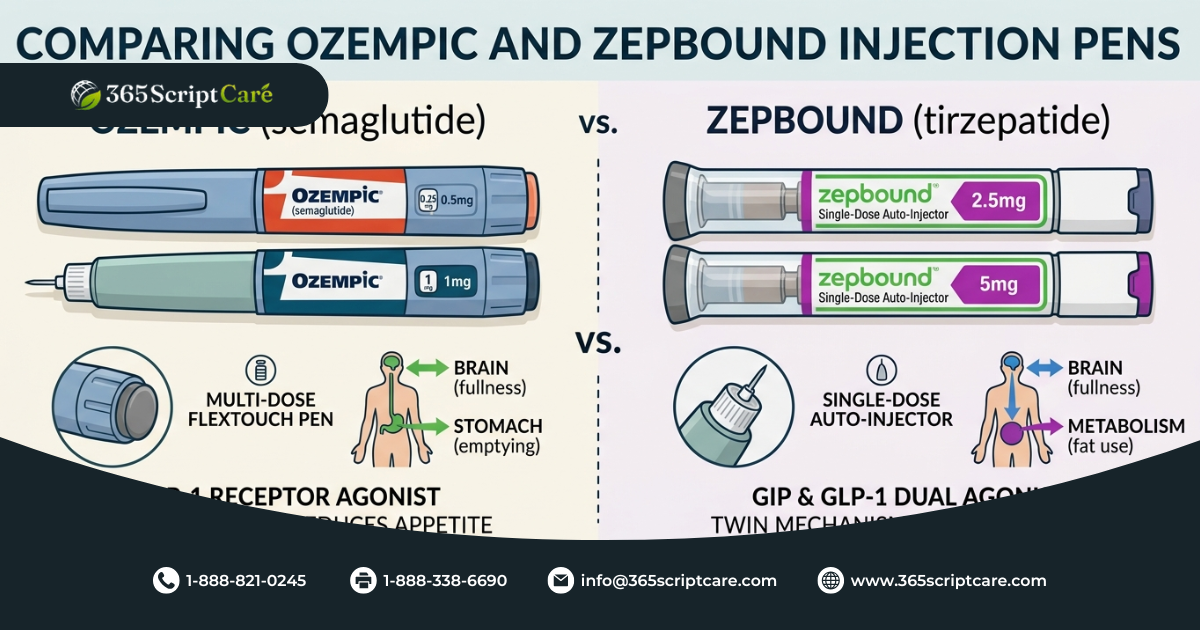
Ozempic is the brand name for Semaglutide, a GLP-1 receptor agonist that works by copying the action of a natural hormone called glucagon-like peptide-1. This hormone plays a key role in blood sugar control and appetite regulation.
When taken weekly, Ozempic helps the body in several important ways:
- Stimulates insulin release when blood sugar is high.
- Reduces glucose production in the liver.
- Slows down digestion, making food move more gradually through the stomach.
- Lowers appetite, helping people eat less without feeling deprived.
This combination makes it effective for type 2 diabetes while also supporting weight loss. The once-weekly injection is convenient for many patients, especially compared to daily pills or injections. However, these same effects on digestion and metabolism are connected to many of the side effects people experience.
Common Side Effects Of Ozempic
The majority of people notice digestive-related side effects when they first begin Ozempic. These usually improve after the first few weeks as the body adjusts. The most common include:
- Nausea – often the most reported issue, especially after larger meals.
- Vomiting – happens in some cases if nausea becomes stronger.
- Diarrhea – loose or frequent stools may appear during adjustment.
- Constipation – the slowed digestion may cause difficulty passing stools.
- Stomach pain or discomfort – ranging from bloating to mild cramping.
- Loss of appetite – while often seen as a benefit for weight management, it can feel uncomfortable for some.
- Fatigue – feeling more tired than usual, likely related to the body adjusting to blood sugar changes.
- Headache – mild headaches may occur, often linked to dehydration or appetite changes.
- Dizziness – sometimes noticed if blood sugar levels fluctuate too quickly.
These effects are typically not dangerous and can often be managed with small lifestyle adjustments. For many patients, they decrease as treatment continues.
Serious Side Effects To Watch Out For

Although rare, it can also lead to more serious Ozempic side effects that require immediate medical attention. Awareness of these symptoms can make it easier to respond quickly.
- Pancreatitis (inflammation of the pancreas)
- Severe stomach or back pain
- Nausea and vomiting that does not improve
- Gallbladder problems
- Pain in the upper right abdomen
- Yellowing of the skin or eyes (jaundice)
- Clay-colored stools
- Allergic reactions
- Rash or itching
- Swelling of the face, lips, tongue, or throat
- Difficulty breathing or swallowing
- Vision changes
- Blurred vision
- Sudden worsening of diabetic eye problems
- Kidney issues
- Swelling in the legs or feet
- Decreased urination
- Sudden weight gain from fluid retention
While these side effects are uncommon, they are important to know about. Quick medical attention can prevent complications.
Long-Term Use And Safety Considerations
Because Ozempic is often taken for many months or years, safety over the long term is a common concern. Patients and doctors work together to monitor health regularly while using this medication. Long-term success depends not just on the drug itself but also on lifestyle, consistency, and proper monitoring.
-
Weight management effects – Some people continue to lose weight steadily, while others may reach a plateau. Adjustments in diet and exercise often help maintain results. In some cases, individuals may regain weight after stopping the drug, showing that lifestyle habits play a critical role in long-term success.
-
Blood sugar stability – Regular monitoring ensures that Ozempic continues to provide strong control. Over time, some patients may need dosage adjustments or additional medications if their condition progresses.
-
Digestive tolerance – Many patients adapt well, but a small group may continue to experience stomach issues over time. In these cases, diet changes such as smaller, lighter meals or limiting fried foods can make a difference.
-
Routine check-ups – Doctors may order blood tests for kidney function, cholesterol, and A1C levels. Monitoring heart health is also important, as people with diabetes are at higher risk of cardiovascular problems. Some research suggests that long-term use of Semaglutide may provide added protection against heart disease, which is a major benefit.
Overall, long-term use is considered safe for most people when prescribed and monitored correctly. Consistency matters—skipping doses often or stopping suddenly can reduce effectiveness and may lead to higher blood sugar levels. Patients who remain committed and work closely with their healthcare providers often experience the best results.
Who Should Not Take Ozempic
Ozempic is not suitable for everyone. Certain health conditions or histories may make this medication unsafe. Groups who should avoid or use it with caution include:
- People with a personal or family history of medullary thyroid cancer.
- Those with multiple endocrine neoplasia syndrome type 2.
- Individuals with severe stomach or intestinal disorders, such as gastroparesis.
- Pregnant or breastfeeding women, since safety for infants has not been fully studied.
- Anyone with a known allergy to Semaglutide or similar medicines.
Discussing these factors with a healthcare provider before starting treatment is essential.
Tips For Managing Side Effects
Side effects from Ozempic can often be managed with small lifestyle adjustments. These steps can help the body adapt more comfortably.
Eat Smaller Meals More Often
- Break meals into smaller portions to ease digestion.
- Avoid greasy or very rich foods that may worsen nausea.
- Include light, balanced meals with lean protein, vegetables, and whole grains.
Stay Hydrated Throughout The Day
- Drink enough water to prevent dehydration and constipation.
- Limit caffeinated and sugary drinks, which may irritate digestion.
- Herbal teas or clear broths can be soothing options.
Support Digestive Health With Fiber
- Add fiber gradually with foods like oats, beans, apples, and vegetables.
- Avoid overloading on fiber too quickly, as it may worsen bloating.
- Pair fiber with fluids to keep the digestive system moving smoothly.
Monitor Blood Sugar Regularly
- Keep track of glucose levels to notice any sudden drops or spikes.
- Carry a small snack in case dizziness or lightheadedness occurs.
- Adjust meals with a doctor’s guidance if patterns of imbalance appear.
Work With Your Doctor On Dose Adjustments
- Some side effects improve by staying at a lower dose longer before increasing.
- If symptoms remain uncomfortable, the doctor may recommend slowing the dose schedule.
- Open communication about changes helps maintain both comfort and effectiveness.
Final Thoughts
Ozempic plays a major role in supporting people with type 2 diabetes and those managing weight, but like any medicine, it carries both benefits and risks. Common side effects such as nausea, constipation, or fatigue usually fade over time, while more serious reactions remain rare but important to recognize. Staying informed, following medical guidance, and making small lifestyle changes can help patients handle side effects with more confidence.
For those concerned about the cost of long-term treatment, there are options to make the medication more affordable. Patients may choose to buy cheap Ozempic online safely through trusted Canadian pharmacy partner such as 365 Script Care, which often provide lower prices compared to local options. Having reliable access to treatment ensures consistency, better results, and peace of mind for individuals managing their health. Exploring cost-effective, safe, and licensed sources can make a meaningful difference in continuing therapy without interruption.
Frequently Asked Questions
Can Ozempic cause long-term health problems?
Most people tolerate Ozempic well even after using it for several months or years. However, some patients may continue to have digestive issues like nausea or constipation over time. Rarely, more serious side effects such as pancreatitis or gallbladder problems may develop. Regular medical check-ups help reduce risks and ensure the medication remains safe.
What is the most common side effect of Ozempic?
The most commonly reported side effect is nausea, especially during the first few weeks of treatment. This usually improves as the body adjusts. Eating smaller meals and avoiding greasy or heavy foods can make nausea more manageable.
Does Ozempic affect your kidneys or liver?
Ozempic is processed mainly through the kidneys, so doctors often monitor kidney function during treatment. Some patients may notice swelling in the legs or changes in urination if kidney issues appear. Liver-related side effects are less common but can include gallbladder problems or jaundice, which should be checked right away.
Can Ozempic cause eye problems?
Some people notice vision changes while on Ozempic, such as blurred vision or worsening of existing diabetic eye conditions. This usually happens if blood sugar levels drop too quickly. Scheduling regular eye exams helps catch any issues early.
Who should avoid taking Ozempic?
Ozempic is not recommended for people with a personal or family history of medullary thyroid cancer or multiple endocrine neoplasia syndrome type 2. It is also not suitable for pregnant or breastfeeding women, and those with severe stomach conditions like gastroparesis. A doctor’s review of medical history is necessary before starting.
How long do Ozempic side effects last?
For most people, mild side effects such as nausea, constipation, or diarrhea improve after a few weeks. Serious side effects are rare but require immediate medical care. If uncomfortable symptoms last beyond the adjustment period, the doctor may suggest adjusting the dose or changing treatment.
Can Ozempic cause weight loss without diabetes?
Yes, many people without diabetes take Ozempic under medical supervision for weight management. The medication helps reduce appetite and slows digestion, which often leads to weight loss. However, the decision to use it for weight control should be made with a healthcare provider, as side effects and risks still apply.