Trulicity dose options come in five strengths: 0.75 mg, 1.5 mg, 3 mg, 4.5 mg, and the recently available 0.5 mg for specific cases.
Each dosage serves a different purpose in managing type 2 diabetes, and your doctor will determine which strength works best based on your blood sugar levels, treatment goals, and how your body responds to the medication. Most patients start with the 0.75 mg weekly injection and gradually increase if needed to achieve better glucose control.
The right Trulicity dose can make a significant difference in controlling your blood sugar while minimizing side effects. Some people achieve their target A1C levels with the starting dose, while others need higher strengths to see meaningful results.
Understanding Trulicity Dose Options
Trulicity works as a GLP-1 receptor agonist that helps your pancreas release insulin when blood sugar rises and reduces the amount of glucose your liver produces. The medication comes in pre-filled single-dose pens that you inject once weekly, making it convenient for people who prefer not to deal with daily medications.
Each Trulicity dose option contains dulaglutide as the active ingredient, but the concentration varies. The pen design stays consistent across all strengths, so once you learn how to use one dose, switching to another involves the same injection technique.
Available Trulicity Dose Options
The five Trulicity dose options approved for type 2 diabetes management include:
| Trulicity Dose | Typical Use | Common Patient Profile |
| 0.5 mg | Pediatric patients (10 years and older) | Children and adolescents with type 2 diabetes |
| 0.75 mg | Starting dose for most adults | Newly diagnosed patients or those new to GLP-1 medications |
| 1.5 mg | Standard maintenance dose | Patients who need better control than 0.75 mg provides |
| 3 mg | Higher therapeutic dose | Patients requiring additional glucose reduction |
| 4.5 mg | Maximum dose | Patients who haven’t reached target A1C with lower doses |
Your doctor prescribes Trulicity dose options based on multiple factors. Initial dosing usually starts lower to help your body adjust to the medication while minimizing digestive side effects like nausea or stomach discomfort.
As your system adapts over several weeks, your healthcare provider may recommend increasing the dose if your blood sugar levels remain above target ranges.
The 0.5 mg option specifically addresses the needs of younger patients with type 2 diabetes. Before this lower dose became available, pediatric patients had limited GLP-1 options suitable for their smaller body sizes and different metabolic needs compared to adults.
Why Trulicity Dose Options Matter for Diabetes Management

Choosing among Trulicity dose options isn’t arbitrary—it directly impacts how well the medication controls your blood sugar. Too low a dose might not provide adequate glucose management, while jumping to higher doses too quickly can increase the likelihood of side effects that make it difficult to continue treatment.
The graduated approach to Trulicity dose options allows your doctor to find the “sweet spot” where you get maximum benefit with minimal discomfort. This personalized dosing strategy recognizes that diabetes affects everyone differently, and what works perfectly for one person might not be ideal for another.
How Trulicity Dose Options Affect Blood Sugar Control
Higher Trulicity dose options generally provide more robust blood sugar reduction. Clinical studies show that patients taking 1.5 mg typically see greater A1C reductions than those on 0.75 mg, and the 3 mg and 4.5 mg doses offer even more significant improvements for people who need them.
Your A1C target usually sits around 7% or lower, though your specific goal depends on factors like age, other health conditions, and how long you’ve had diabetes. If you start Trulicity at 0.75 mg and your A1C remains at 8% after three months, your doctor will likely suggest trying one of the higher Trulicity dose options to bring that number down.
The medication also affects your fasting blood sugar (the glucose level when you wake up) and post-meal glucose spikes. Different Trulicity dose options provide varying degrees of impact on these measurements, which is why monitoring becomes crucial during the adjustment period.
Starting Your Journey with Trulicity Dose Options
Most adults begin treatment with the 0.75 mg Trulicity dose. This starting point allows your digestive system to adapt to the medication gradually while still providing meaningful blood sugar improvement. Your doctor monitors your response through regular A1C tests and daily glucose readings if you check your blood sugar at home.
During the first month on any of the Trulicity dose options, you might experience some digestive adjustments. Nausea, reduced appetite, occasional diarrhea, or stomach discomfort can occur as your body gets used to how the medication affects your GI tract. These effects typically decrease over the first few weeks as your system adapts.
What Happens During Dose Adjustments
If your initial Trulicity dose doesn’t bring your blood sugar to target levels after about four weeks, your healthcare provider may suggest moving to the next Trulicity dose option. This typically means going from 0.75 mg to 1.5 mg, or from 1.5 mg to 3 mg, depending on your results and tolerance.
Dose increases should happen gradually. Jumping from the lowest to the highest Trulicity dose options too quickly often leads to more pronounced side effects that could have been avoided with a stepwise approach. Your doctor weighs the urgency of improving your glucose control against the importance of maintaining your comfort and compliance with treatment.
Between dose adjustments, you’ll likely have follow-up appointments or phone check-ins where your provider reviews your blood sugar logs, asks about any side effects, and assesses whether you’re ready for the next step. Some patients reach their target A1C on the starting dose and never need to explore higher Trulicity dose options, while others gradually work their way up to 3 mg or 4.5 mg over several months.
If you’re looking for a reliable way to access your prescribed Trulicity medication, 365 Script Care offers prescription referral services that connect you with licensed contracted pharmacy departments for convenient medication delivery.
Comparing Different Trulicity Dose Options
Understanding how Trulicity dose options differ helps you have more informed conversations with your healthcare team about your treatment plan. Each strength serves specific purposes and comes with its own considerations regarding effectiveness and potential side effects.
Lower Trulicity Dose Options (0.5 mg and 0.75 mg)
These starting Trulicity dose options work well for patients who are either beginning GLP-1 therapy for the first time or who need a gentler introduction to this medication class. The 0.5 mg dose specifically helps pediatric patients, while 0.75 mg serves as the standard adult starting point.
Patients on these lower Trulicity dose options typically experience fewer gastrointestinal side effects compared to higher doses. However, the trade-off may be less dramatic blood sugar reduction. For some people, especially those with moderately elevated A1C levels or those combining Trulicity with other diabetes medications, these doses provide sufficient control.
The lower Trulicity dose options also benefit people who are particularly sensitive to medications or who have experienced significant side effects with other diabetes treatments in the past. Starting conservatively and increasing only if necessary creates a safer, more comfortable treatment experience.
Middle-Range Trulicity Dose Options (1.5 mg and 3 mg)
The 1.5 mg dose represents the most commonly prescribed Trulicity dose option for long-term maintenance. Many patients achieve their target A1C at this strength without needing to go higher. It balances strong glucose control with manageable side effects for most people.
When 1.5 mg doesn’t quite get blood sugar where it needs to be, the 3 mg option offers enhanced effectiveness. This dose provides more substantial A1C reductions while still remaining below the maximum strength. Patients who reach this level in their Trulicity dose options journey often have had diabetes for several years or have A1C levels that are significantly above target.
The 3 mg dose bridges the gap between standard maintenance therapy and maximum intervention. Your doctor might choose this Trulicity dose option if your A1C hovers around 8-8.5% on 1.5 mg, suggesting you need more medication but might not require the highest available strength.
Maximum Trulicity Dose Option (4.5 mg)
The 4.5 mg dose represents the highest available strength among Trulicity dose options. This dose becomes relevant when lower strengths haven’t achieved adequate blood sugar control after giving them sufficient time to work—usually at least 12-16 weeks.
Not everyone needs this maximum Trulicity dose option, but for those who do, it can make the difference between struggling with high blood sugar and reaching healthy glucose levels. Patients taking 4.5 mg often have A1C values that remain stubbornly high despite lifestyle modifications and other diabetes medications.
The 4.5 mg Trulicity dose option does carry a higher likelihood of gastrointestinal side effects, particularly when first starting this strength. Your doctor will monitor your tolerance carefully and ensure the benefits of improved glucose control outweigh any discomfort you might experience.
Similar to how Mounjaro prescription weight loss medications offer graduated dosing, Trulicity dose options allow for personalized treatment based on individual needs and responses.
| Dose Progression Timeline | Typical Duration at Each Dose | Decision Point |
| Start at 0.75 mg | 4-8 weeks | Check A1C and side effect tolerance |
| Increase to 1.5 mg if needed | 8-12 weeks | Assess if target A1C achieved |
| Consider 3 mg if needed | 8-12 weeks | Evaluate additional glucose reduction needs |
| Move to 4.5 mg if needed | Ongoing | Maximum dose for optimal control |
Things To Know About Trulicity Dose Options
Several important considerations affect how you and your doctor decide among Trulicity dose options. These factors help determine which strength makes the most sense for your particular situation.
Side Effects Across Trulicity Dose Options
Side effects can vary depending on which of the Trulicity doses you’re taking. Generally, higher doses tend to produce more noticeable gastrointestinal effects, though this isn’t universal—some people tolerate the maximum dose beautifully while others struggle with even the starting dose.
Common side effects across all Trulicity doses include nausea, decreased appetite, occasional vomiting, diarrhea, and abdominal discomfort. These effects are most pronounced during the first few weeks after starting the medication or after increasing to a higher dose. Most people find these symptoms decrease significantly after the first month.
Eating smaller, more frequent meals rather than large portions can help manage digestive discomfort across all Trulicity dose options. Avoiding extremely fatty or spicy foods during the adjustment period also helps some patients. Staying hydrated supports your body’s adaptation to the medication regardless of which Trulicity dose option you’re taking.
Combining Trulicity Dose Options with Other Medications
Many people take Trulicity alongside other diabetes medications like Metformin or insulin. The Trulicity dose option your doctor chooses may depend partly on what other treatments you’re using. Someone taking multiple diabetes medications might achieve their target blood sugar with a lower Trulicity dose than someone using it as their only injectable medication.
Your complete medication regimen influences which Trulicity dose options make sense. If you’re also taking medications that can cause low blood sugar (like Sulfonylureas or insulin), your doctor might be more conservative with Trulicity dosing to avoid hypoglycemia. The interplay between medications requires careful monitoring and adjustment.
For those managing related metabolic concerns, understanding how does Zepbound work for weight loss can provide insight into how GLP-1 medications function in the body, similar to Trulicity’s mechanism of action.
Cost Considerations with Different Trulicity Dose Options
The price of Trulicity can vary based on several factors, though the dose itself doesn’t always correspond to proportionally different costs. What matters more is where you obtain your prescription and how you pay for it.
Since all Trulicity dose options come as single-use pens for once-weekly injection, you’ll use the same number of pens per month regardless of strength. This means you’re getting four injections monthly whether you’re taking 0.75 mg or 4.5 mg. The medication cost per pen may differ between doses.
At 365 Script Care, we work as a prescription referral service connecting patients with licensed contracted pharmacy departments that can help make these medications more accessible. We accept prescriptions written in English by licensed medical doctors or primary care physicians practicing within the USA, and we ship directly to your residence with delivery typically taking 7-10 business days from the date shipped.
Monitoring Your Progress on Different Trulicity Dose Options
Regular monitoring helps determine whether your current Trulicity dose option is working optimally or whether an adjustment might benefit you. Your doctor will check your A1C every three months during the adjustment phase, though this might extend to every six months once you’re stable on an effective dose.
Beyond A1C tests, daily blood sugar monitoring (if you check at home) provides valuable information about how different Trulicity dose options affect your glucose throughout the day. You might notice that while your fasting sugar looks good, your post-meal numbers remain high, suggesting a need for a stronger dose.
Weight changes also factor into evaluating Trulicity dose options. Many people lose some weight on this medication due to its effects on appetite and digestion. Significant weight loss might eventually allow for dose reductions, while weight stability with persistently high blood sugar might indicate a need to increase the dose.
Special Situations Affecting Trulicity Dose Options

Certain circumstances require modified approaches to choosing among Trulicity dose options. Your doctor considers these factors when developing your treatment plan.
Kidney Function and Trulicity Dose Options
People with kidney disease can use Trulicity, but kidney function might influence how your doctor approaches Trulicity dose options. While the medication doesn’t require dose adjustments based on kidney function alone, people with kidney disease often need more careful monitoring of their overall diabetes management.
Your nephrologist and endocrinologist should communicate about your treatment plan if you have both diabetes and kidney disease. The Trulicity dose option that works best for your blood sugar must also be safe given your kidney function level.
Pregnancy Planning and Trulicity Dose Options
If you’re planning pregnancy or discover you’re pregnant while taking any of the Trulicity dose options, contact your healthcare provider immediately. GLP-1 medications like Trulicity aren’t recommended during pregnancy due to limited safety data. Your doctor will help you transition to pregnancy-safe diabetes management approaches.
Women of childbearing age should discuss pregnancy plans before starting Trulicity or when considering changes to their Trulicity dose options. Alternative medications exist for managing diabetes during pregnancy, and planning this transition ensures the safest outcome for both mother and baby.
Age Considerations with Trulicity Dose Options
The 0.5 mg Trulicity dose option specifically serves pediatric patients aged 10 and older who have type 2 diabetes. Younger patients follow different dosing guidelines than adults, and their Trulicity dose options are selected based on both age and weight considerations.
Older adults can use any of the Trulicity dose options, though doctors sometimes start with lower doses in elderly patients who may be more sensitive to medications or who have other health conditions affecting how they metabolize drugs. The goal remains the same—finding the Trulicity dose option that effectively controls blood sugar while minimizing side effects—but the approach might be more gradual.
Just as people researching Mounjaro and muscle loss what you need to know are concerned about medication effects, those on Trulicity should understand how different dose options might affect their overall health and body composition.
Making Trulicity Dose Options Work for Your Lifestyle
Successfully managing diabetes with any of the Trulicity dose options involves more than just taking your weekly injection. Your daily habits significantly influence how well the medication works and how you tolerate it.
Injection Timing and Consistency
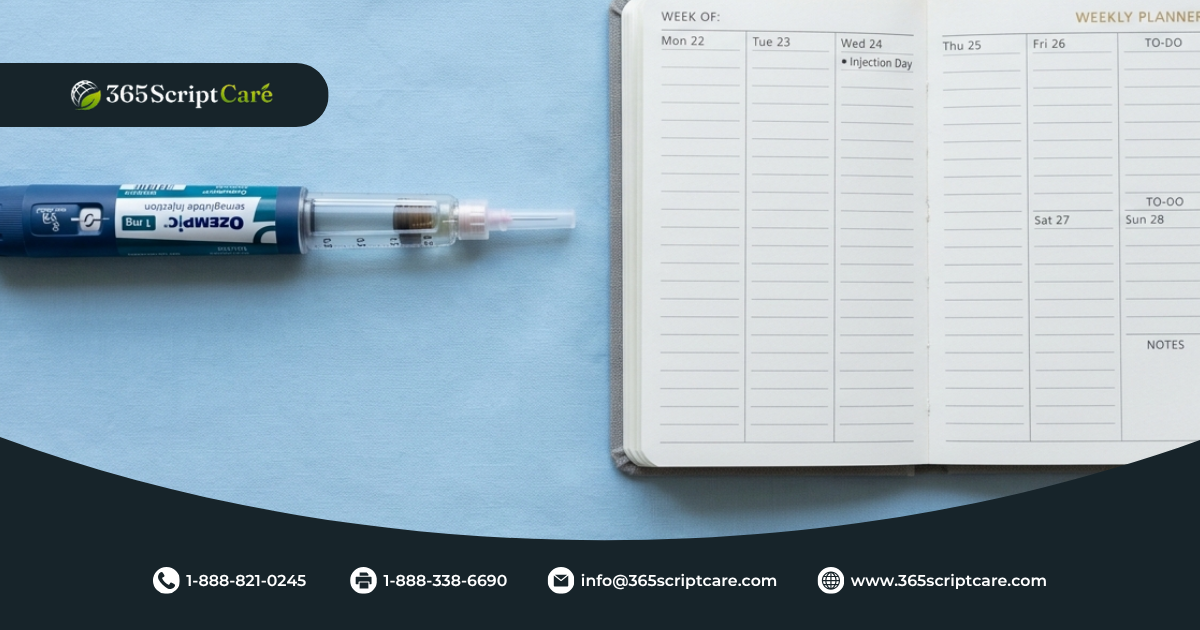
You can take Trulicity at any time of day, with or without food, but consistency helps. Choose a day and time that fits your schedule and stick with it across all Trulicity dose options you try. Many people select Sunday evening or Monday morning so their injection routine aligns with their weekly planning.
If you forget a dose, the general recommendation is to take it as soon as you remember, provided your next scheduled dose isn’t within the next three days. If less than three days remain until your next dose, skip the missed one and resume your regular schedule. This guidance applies to all Trulicity dose options.
Diet and Exercise with Different Trulicity Dose Options
All Trulicity dose options work best when combined with healthy eating habits and regular physical activity. The medication helps control blood sugar, but it doesn’t replace the fundamental importance of lifestyle factors in diabetes management.
You might notice that different Trulicity dose options affect your appetite differently. Higher doses often reduce hunger more noticeably, which can be beneficial for people looking to lose weight but requires attention to ensure you’re still eating adequate nutrition.
Some patients find that certain foods trigger more digestive discomfort on higher Trulicity dose options. Keeping a food diary during dose adjustments helps identify any patterns so you can make informed choices about what to eat and when.
Traveling with Your Trulicity Dose Options
Trulicity pens require refrigeration until first use but can be kept at room temperature for up to 14 days if needed. When traveling, store your current Trulicity dose option in a cooler bag if you won’t have reliable refrigeration. The pens should never be frozen, as this damages the medication.
Carry your Trulicity dose option in its original packaging along with your prescription information when traveling, especially if crossing borders. Having documentation from your doctor explaining your need for the medication and injection supplies helps avoid complications during security screenings.
Many patients find it helpful to use Saxenda pre-filled pen style injectors for convenient, discreet medication administration while traveling, and Trulicity’s pre-filled design offers similar portability benefits.
Working with Your Healthcare Team on Trulicity Dose Options
Your relationship with your healthcare providers plays a crucial role in finding the right Trulicity dose option and adjusting it as needed over time.
What to Discuss at Appointments
Come prepared to appointments with information about your blood sugar patterns, any side effects you’re experiencing, and questions about whether your current Trulicity dose option is working optimally. Be honest about compliance—if you’ve missed doses or struggled with the injection routine, your doctor needs to know to give accurate guidance.
Discuss your treatment goals openly. If weight loss is important to you along with blood sugar control, mention this when talking about Trulicity dose options, as higher doses might better support both objectives. If you’re struggling financially with medication costs, bringing this up allows your healthcare team to explore assistance options or alternative approaches.
Signs You Might Need a Different Trulicity Dose Option
Several indicators suggest it might be time to discuss changing your Trulicity dose option:
- Your A1C remains above target after at least 8-12 weeks on your current dose
- You’re experiencing frequent high blood sugar readings despite medication compliance
- Side effects from your current dose have become intolerable
- You’ve lost significant weight and your blood sugar is now running lower than target
- Other health changes have occurred that might affect your diabetes management needs
Your doctor reviews these factors during follow-ups to determine whether staying on your current Trulicity dose option makes sense or whether an adjustment would serve you better.
Questions to Ask About Trulicity Dose Options
Don’t hesitate to ask your healthcare provider:
- Why is this particular Trulicity dose option recommended for me?
- What specific blood sugar improvements should I expect at this dose?
- How long should I stay on this dose before we consider adjusting?
- What side effects are most common at this Trulicity dose option?
- How will we know if a higher or lower dose would work better?
- Are there any warning signs that should prompt me to contact you before my next appointment?
Understanding the reasoning behind your prescribed Trulicity dose option helps you feel more confident in your treatment plan and better equipped to manage your diabetes effectively.
For those interested in understanding blood sugar impacts of similar medications, reading about does Ozempic lower blood sugar provides useful context for how GLP-1 receptor agonists like Trulicity function.
Wrapping Up Your Understanding of Trulicity Dose Options
Finding the right Trulicity dose option is a personalized process that considers your blood sugar levels, treatment goals, side effect tolerance, and overall health situation. The five available strengths—0.5 mg, 0.75 mg, 1.5 mg, 3 mg, and 4.5 mg—give you and your healthcare provider flexibility to fine-tune your diabetes management.
Most people start with lower Trulicity dose options and gradually increase if needed to achieve target blood sugar control. This stepwise approach minimizes side effects while maximizing the medication’s benefits. Some patients find their perfect dose quickly, while others need time and adjustments to land on the Trulicity dose option that works best for their body.
Remember that diabetes management extends beyond just finding the right medication dose. Healthy eating, regular physical activity, stress management, and consistent monitoring all contribute to successful blood sugar control. Your Trulicity dose option is one important piece of a larger health puzzle.
Stay in close communication with your healthcare team, especially during dose changes. Report any concerning symptoms promptly, and don’t make changes to your Trulicity dose options without medical guidance. With the right support and the appropriate dose, Trulicity can be an effective tool in managing your type 2 diabetes and protecting your long-term health.
If you need assistance accessing your prescribed medication, 365 Script Care serves as a prescription referral service connecting patients with licensed contracted pharmacy departments. We work with prescriptions issued by licensed medical doctors and primary care physicians practicing within the USA, shipping medications directly to your home within 7-10 business days of shipment.
We ship a maximum 90-day supply when your prescription allows, making it easier to maintain consistent treatment with your chosen Trulicity dose option.
Frequently Asked Questions
Can you take 0.75 mg and 1.5 mg of Trulicity?
No, you should never combine different Trulicity dose options in a single week. Take only one Trulicity injection per week at the strength your doctor prescribed. If your current dose isn’t effectively managing your blood sugar, talk to your healthcare provider about adjusting to a different Trulicity dose option rather than taking multiple pens. Combining doses without medical supervision increases your risk of side effects and potentially dangerous low blood sugar.
What is the starting dose of Trulicity?
The standard starting Trulicity dose option for most adults is 0.75 mg once weekly. This lower strength allows your body to adjust to the medication gradually while providing meaningful blood sugar improvement. Pediatric patients aged 10 and older may start with 0.5 mg. Your doctor monitors your response over 4-8 weeks before deciding whether to increase to higher Trulicity dose options if needed for better glucose control.
What is the maximum amount of Trulicity you can take?
The maximum Trulicity dose option available is 4.5 mg once weekly. This highest strength is prescribed when lower doses haven’t achieved adequate blood sugar control after sufficient trial periods. Not everyone requires this maximum dose—many patients reach their target A1C with 1.5 mg or 3 mg. Your healthcare provider will only recommend the 4.5 mg Trulicity dose option if medically necessary based on your blood sugar patterns and treatment response.
Is it better to take Trulicity in the morning or at night?
You can take Trulicity at any time of day that fits your schedule consistently. The medication works the same regardless of whether you inject it in the morning, afternoon, or evening. What matters most is choosing a specific day and approximate time each week and sticking with it across all Trulicity dose options. Some people prefer evening injections to sleep through any initial digestive discomfort, while others like morning doses to align with their weekly routine.
What is the most popular Trulicity dose?
The 1.5 mg strength is the most commonly prescribed Trulicity dose option for long-term maintenance. Many patients achieve their target A1C levels with this dose after starting at 0.75 mg. It provides substantial glucose control while remaining manageable for most people regarding side effects. However, “most popular” doesn’t mean it’s automatically right for you—your ideal Trulicity dose option depends on your individual blood sugar response, tolerance, and treatment goals.