Trulicity belongs to the GLP-1 receptor agonist class, a group of injectable medications designed to help manage type 2 diabetes by mimicking natural incretin hormones. This medication category works by stimulating insulin release when blood sugar rises, slowing gastric emptying, and reducing appetite.
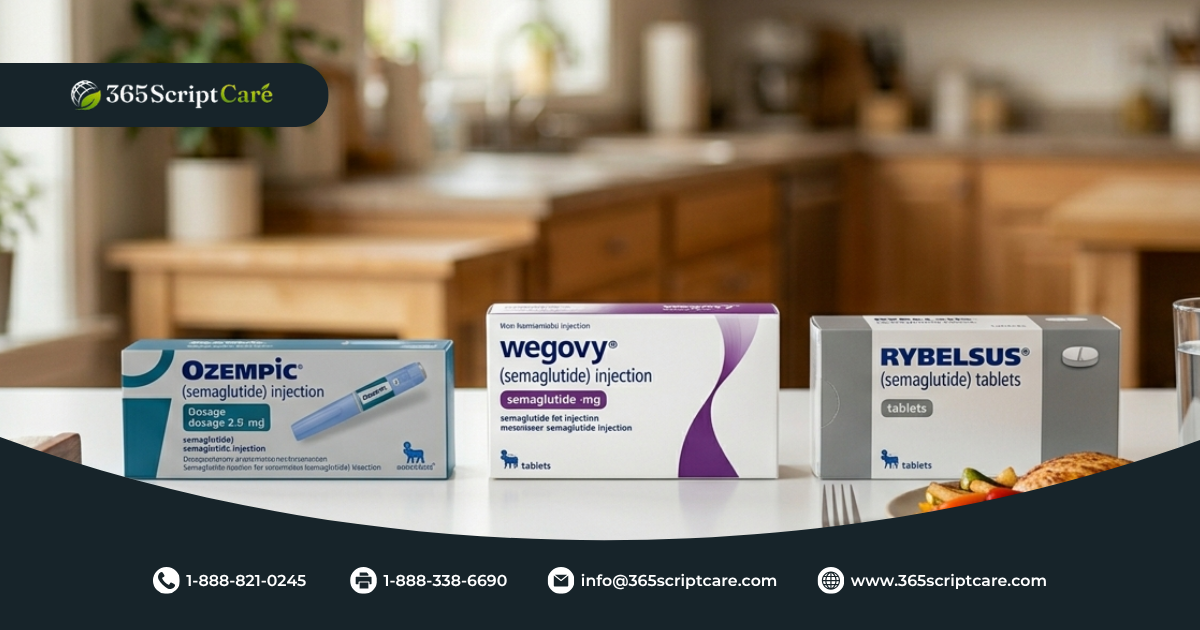
Dulaglutide, the active ingredient in Trulicity, has become one of the most prescribed medications within this drug category due to its once-weekly dosing convenience and proven effectiveness in lowering A1C levels. Patients considering diabetes treatment options often compare medications within the same Trulicity class, including Ozempic, Victoza, and Rybelsus.
The GLP-1 receptor agonist category differs significantly from older diabetes medications like DPP-4 inhibitors and Sulfonylureas in both mechanism and results. Many healthcare providers now prefer prescribing these GLP-1 medications because they offer cardiovascular benefits alongside blood sugar control.
Weight loss is another advantage commonly observed with incretin mimetics, making these treatments appealing for patients who need to address both diabetes and obesity.
What Drug Class Is Trulicity In?

The Trulicity class falls under GLP-1 receptor agonists, also known as incretin mimetics. GLP-1 stands for glucagon-like peptide-1, a hormone naturally produced in the intestines after eating. When you consume food, your body releases GLP-1 to signal the pancreas to produce insulin. Medications in the Trulicity class replicate this natural process but with longer-lasting effects.
Dulaglutide, marketed as Trulicity, was approved by regulatory agencies for type 2 diabetes management. The Trulicity class specifically targets GLP-1 receptors found throughout the body, including the pancreas, brain, and digestive system. This multi-organ approach explains why patients experience benefits beyond simple blood sugar reduction.
Healthcare providers often recommend the Trulicity class when patients need stronger blood sugar control than oral medications provide. The injectable format allows the medication to bypass the digestive system and deliver consistent therapeutic levels throughout the week. Many patients who struggled with daily medication adherence find weekly injections much easier to maintain.
The GLP-1 receptor agonist category has grown substantially over the past decade. Medications sharing the same drug class include:
| Medication | Generic Name | Dosing Frequency |
| Trulicity | Dulaglutide | Once weekly |
| Ozempic | Semaglutide | Once weekly |
| Victoza | Liraglutide | Once daily |
| Byetta | Exenatide | Twice daily |
| Bydureon | Exenatide ER | Once weekly |
Each medication within this drug class shares the same fundamental mechanism but differs in molecular structure, dosing schedules, and specific clinical applications.
How the Trulicity Class Works in Your Body
Understanding how the Trulicity class functions helps patients appreciate why these medications prove effective. When you inject Dulaglutide, it circulates through your bloodstream and attaches to GLP-1 receptors. This binding triggers several physiological responses.
First, GLP-1 receptor agonists stimulate glucose-dependent insulin secretion. Your pancreas only releases additional insulin when blood sugar levels rise above normal. This glucose-dependent action reduces hypoglycemia risk compared to older diabetes medications that stimulate insulin release regardless of blood sugar levels.
Second, medications in this category suppress glucagon secretion. Glucagon normally signals your liver to release stored glucose. By reducing glucagon, GLP-1 medications prevent unnecessary glucose dumping into your bloodstream between meals.
Third, the GLP-1 receptor agonist category slows gastric emptying. Food moves through your stomach more gradually, which prevents blood sugar spikes after meals and increases satiety. Many patients report feeling fuller longer when taking medications from the Trulicity class.
Trulicity Class Versus Other Diabetes Medication Categories
Patients often ask how the Trulicity class compares to other diabetes treatments. Several distinct medication categories exist for type 2 diabetes management, each working through different mechanisms. Choosing between them depends on individual patient factors, including blood sugar levels, other health conditions, and personal preferences.
| Drug Class | Examples | Primary Mechanism | Key Differences from Trulicity Class |
| GLP-1 Receptor Agonists | Trulicity, Ozempic, Victoza | Mimics incretin hormones | Same class as Trulicity |
| DPP-4 Inhibitors | Januvia, Tradjenta, Onglyza | Prevents GLP-1 breakdown | Less potent, oral medication |
| SGLT2 Inhibitors | Jardiance, Farxiga, Invokana | Blocks glucose reabsorption in kidneys | Different target organ |
| Sulfonylureas | Glipizide, Glyburide, Glimepiride | Stimulates insulin release | Higher hypoglycemia risk |
| Metformin | Glucophage | Reduces liver glucose production | First-line oral therapy |
The Trulicity class generally produces stronger A1C reductions than DPP-4 inhibitors. While both medication types involve GLP-1 pathways, they work differently. DPP-4 inhibitors prevent the enzyme that breaks down your natural GLP-1, whereas GLP-1 receptor agonists add synthetic GLP-1 directly.
Benefits of Choosing the Trulicity Class
Selecting medications from the Trulicity class offers several advantages for type 2 diabetes patients. Clinical trials have demonstrated significant A1C reductions, typically ranging from 1.0% to 1.5% depending on the starting level and dosage.
Cardiovascular protection represents another benefit of GLP-1 receptor agonists. Studies showed reduced risk of major cardiovascular events in patients with established heart disease. This finding led to expanded prescribing of these medications for diabetic patients with cardiovascular concerns.
Weight management improvements accompany Trulicity class medications. Most patients experience modest weight loss, averaging 5 to 10 pounds over the first year. For patients struggling with both diabetes and excess weight, GLP-1 medications address both conditions simultaneously.
The once-weekly injection schedule makes adherence easier compared to daily medications. Patients using Trulicity appreciate the convenience of remembering only one injection per week rather than daily pills or multiple daily injections.
Practical Tips for Starting Trulicity Class Medications
Beginning treatment with any medication from the Trulicity class requires proper preparation. Healthcare providers typically start patients on lower doses to minimize gastrointestinal side effects.
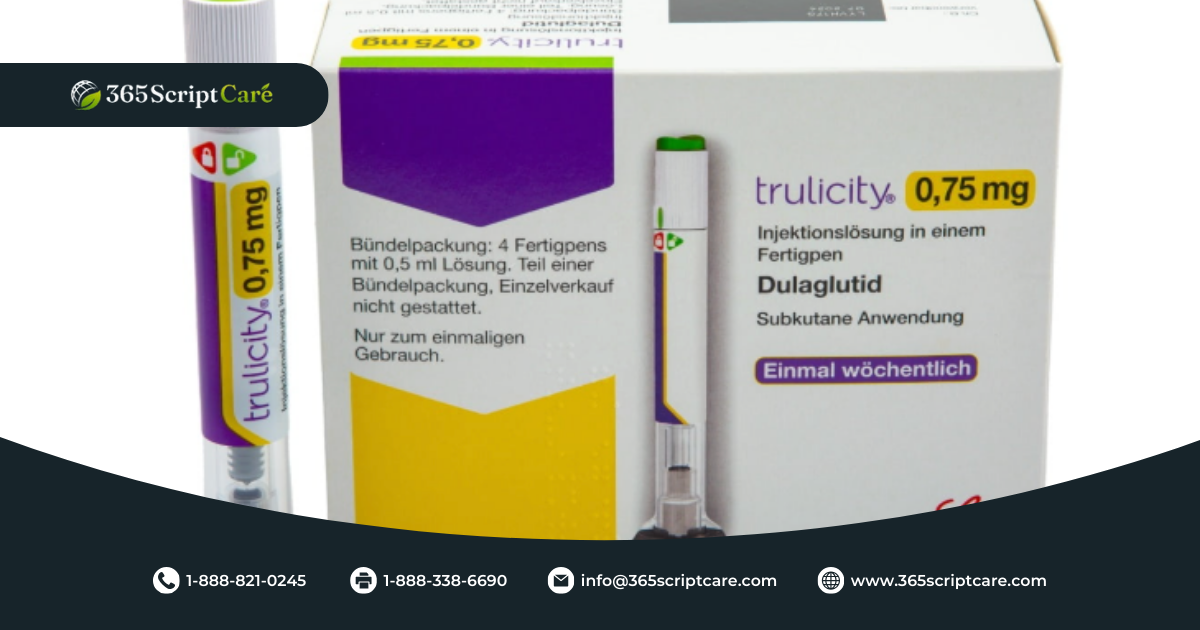
For Trulicity specifically, the starting dose is usually 0.75 mg weekly for four weeks before increasing to 1.5 mg weekly. Some patients may eventually require 3.0 mg or 4.5 mg weekly for optimal blood sugar control.
Common side effects during the initial weeks include nausea, decreased appetite, and mild stomach discomfort. These symptoms usually diminish as your body adjusts to GLP-1 medication. Eating smaller, more frequent meals and avoiding high-fat foods can help reduce gastrointestinal symptoms.
Injection technique matters for GLP-1 receptor agonists. The pen device should be held against your abdomen, thigh, or upper arm at a 90-degree angle. Rotate injection sites weekly to prevent skin irritation or lipodystrophy.
Store your Trulicity medication in the refrigerator until first use. After the first injection, pens can remain at room temperature for up to 14 days. Never freeze GLP-1 medications, as this destroys the active ingredient.
Who Should Consider the Trulicity Class
The Trulicity class suits many type 2 diabetes patients, but certain individuals benefit most from these medications. Ideal candidates include patients who have not achieved adequate blood sugar control with Metformin alone.
Patients with cardiovascular disease or high cardiovascular risk particularly benefit from GLP-1 receptor agonists due to demonstrated heart protection. Those needing weight loss alongside diabetes management find these medications helpful.
However, the Trulicity class is not appropriate for everyone. Patients with personal or family history of medullary thyroid carcinoma should avoid these medications. Those with multiple endocrine neoplasia syndrome type 2 also have contraindications.
Kidney function affects dosing considerations for some GLP-1 medications, though Trulicity can be used in mild to moderate kidney impairment without dose adjustment. Patients with severe kidney disease should discuss alternatives with their healthcare provider.
For patients exploring other options within similar medication categories, Mounjaro represents a newer dual-action medication targeting both GLP-1 and GIP receptors.
Comparing Medications Within the Trulicity Class
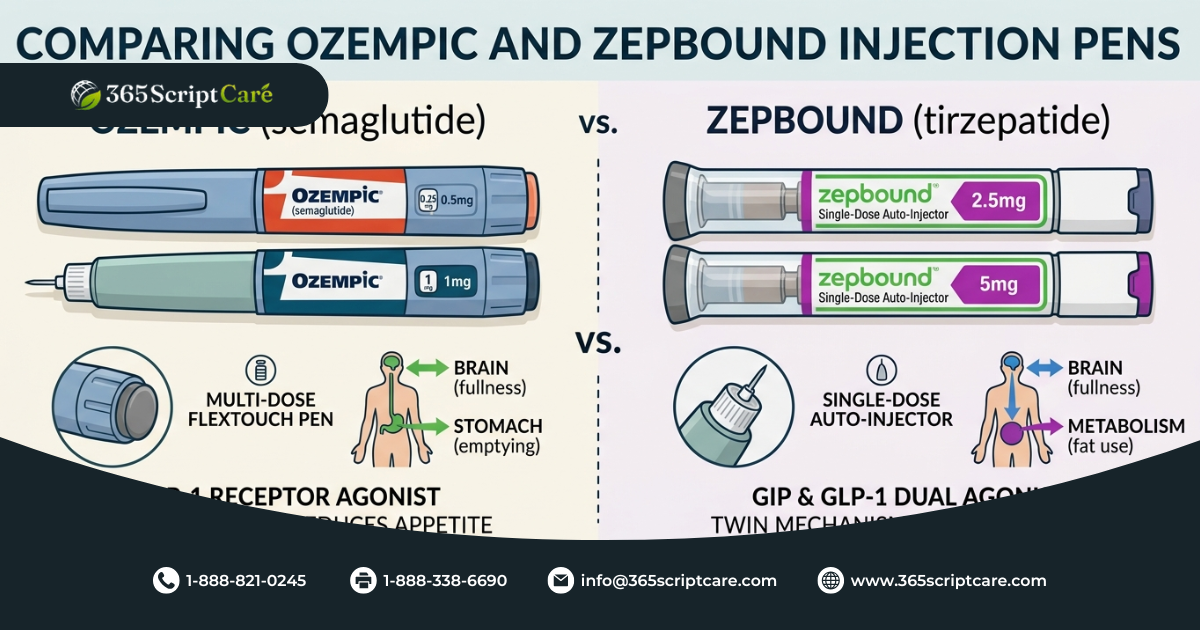
While all GLP-1 receptor agonists share the same Trulicity class designation, individual medications vary in important ways. Semaglutide (Ozempic) and Dulaglutide (Trulicity) both require once-weekly injections but differ in molecular structure and potency.
Head-to-head studies comparing medications within this category show Semaglutide produces slightly greater A1C reductions and weight loss than Dulaglutide at equivalent doses. However, Trulicity offers a simpler pen device that some patients find easier to use.
Liraglutide (Victoza) requires daily injections, making it less convenient than weekly options in this drug class. However, some patients prefer daily dosing for better routine integration.
Rybelsus (oral Semaglutide) provides an option for patients who prefer pills over injections while still receiving the benefits of GLP-1 receptor agonist therapy. This oral medication must be taken on an empty stomach with limited water, which requires specific timing.
Monitoring Progress on Trulicity Class Medications

Regular monitoring helps ensure optimal results from Trulicity class treatment. A1C testing every three months tracks long-term blood sugar control. Target A1C levels vary by individual but generally fall below 7% for most adults.
Home blood glucose monitoring remains valuable even with GLP-1 medications. Checking fasting glucose and post-meal levels helps identify patterns and inform dosing decisions. Many patients notice improved post-meal readings first when starting GLP-1 therapy.
Weight tracking provides additional insight into treatment response. Record your weight weekly at the same time and under similar conditions. Gradual, steady weight loss indicates the medication is working as expected.
Watch for signs requiring medical attention, including severe abdominal pain (possible pancreatitis), vision changes, or symptoms of thyroid problems like neck swelling or difficulty swallowing. Report these immediately to your healthcare provider.
Final Thoughts on the Trulicity Class
The Trulicity class represents a significant advancement in type 2 diabetes treatment. GLP-1 receptor agonists like Dulaglutide offer effective blood sugar control, cardiovascular protection, and weight management benefits in a convenient once-weekly injection.
Understanding that Trulicity belongs to this medication class helps patients make informed treatment decisions alongside their healthcare providers. Whether comparing options within the Trulicity class or considering alternatives like DPP-4 inhibitors, knowledge about how these medications work empowers better health outcomes.
The decision to start any medication from the Trulicity class should involve careful discussion with your healthcare team. Factors like your current A1C level, cardiovascular risk, and weight goals all play important roles in medication selection.
Many patients find the Trulicity class provides an excellent balance of effectiveness, convenience, and tolerability that supports long-term diabetes management success.
Frequently Asked Questions
Are Trulicity and Ozempic in the Same Class?
Yes, Trulicity and Ozempic belong to the same GLP-1 receptor agonist class. Both medications work by mimicking incretin hormones to stimulate insulin release and reduce blood sugar levels. The main differences involve their active ingredients (Dulaglutide versus Semaglutide) and specific clinical trial results showing Ozempic may produce slightly greater weight loss.
What Drug Class Is Trulicity In?
Trulicity is in the GLP-1 receptor agonist class, also called incretin mimetics. This drug category works by binding to GLP-1 receptors throughout the body, triggering insulin release when blood sugar rises, suppressing glucagon, and slowing stomach emptying.
What Drugs Are DPP-4 Inhibitors?
DPP-4 inhibitors include Januvia (Sitagliptin), Tradjenta (Linagliptin), Onglyza (Saxagliptin), and Nesina (Alogliptin). These medications work differently than GLP-1 receptor agonists. Instead of adding synthetic GLP-1, DPP-4 inhibitors prevent the breakdown of your natural GLP-1 hormone. They are less potent than the Trulicity class but come in oral tablet form.
Is Trulicity GLP-1?
Yes, Trulicity is a GLP-1 receptor agonist medication. This drug class mimics the natural GLP-1 hormone produced in your intestines after eating. Dulaglutide, the active ingredient, is a synthetic version designed to last longer in your body than natural GLP-1.
Is Trulicity the Same as Zepbound?
No, Trulicity and Zepbound are different medications in different classes. Trulicity contains Dulaglutide and belongs to the GLP-1 receptor agonist class. Zepbound contains Tirzepatide and belongs to a newer dual GIP/GLP-1 receptor agonist class, targeting two incretin pathways instead of one. While both treat metabolic conditions, Zepbound is specifically approved for weight management rather than diabetes.