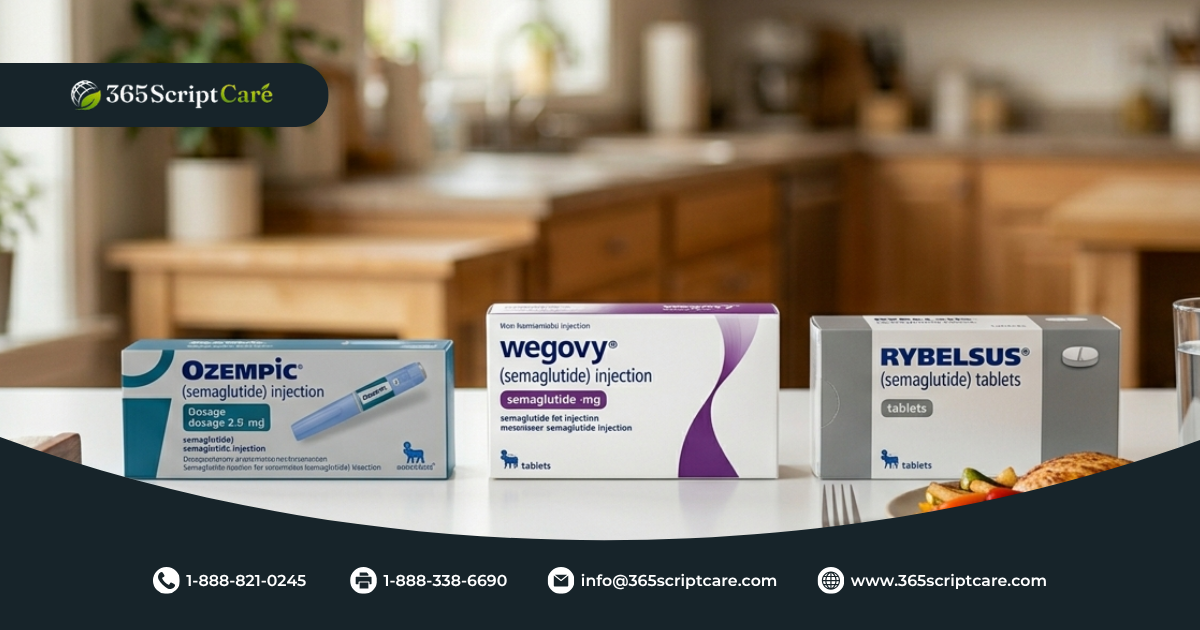
Switching from Semaglutide to Tirzepatide represents a significant decision many patients consider when seeking better weight management and blood sugar control outcomes. Both medications belong to the GLP-1 receptor agonist family, yet Tirzepatide offers dual hormone action by targeting both GLP-1 and GIP receptors. This transition requires careful medical supervision, proper timing, and understanding of dosage adjustments. Patients typically consider this switch when experiencing weight loss plateaus, inadequate glycemic control, or seeking enhanced therapeutic benefits. The process involves gradual tapering from Semaglutide while introducing Tirzepatide at appropriate starting doses. Success depends on proper transition protocols, monitoring for side effects, managing costs, and understanding long-term maintenance strategies for optimal health outcomes.
Reasons for Making the Switch
Many patients explore switching from Semaglutide to Tirzepatide when their current medication no longer delivers the desired results. Weight loss plateaus represent one of the primary motivators for this transition, as patients may find their progress stalling after months of steady improvement with Semaglutide.
Blood sugar management challenges also prompt patients to consider Tirzepatide. While Semaglutide effectively controls glucose levels for many individuals, some patients require the additional GIP receptor activation that Tirzepatide provides for optimal glycemic control.
Enhanced weight loss potential draws many patients toward this switch. Research demonstrates that Tirzepatide users often experience more significant weight reduction compared to those using Semaglutide alone, making it attractive for individuals with substantial weight loss goals.
Some patients experience tolerance development with Semaglutide over time, requiring higher doses that may increase side effects. Switching from Semaglutide to Tirzepatide can provide renewed therapeutic benefits through its dual mechanism of action.
Ready to explore your medication options? Visit 365 Script Care to learn more about Tirzepatide availability and pricing.
Key Differences Between Semaglutide and Tirzepatide
Understanding the fundamental differences between these medications helps patients make informed decisions about switching from Semaglutide to Tirzepatide. The most significant distinction lies in their mechanism of action.
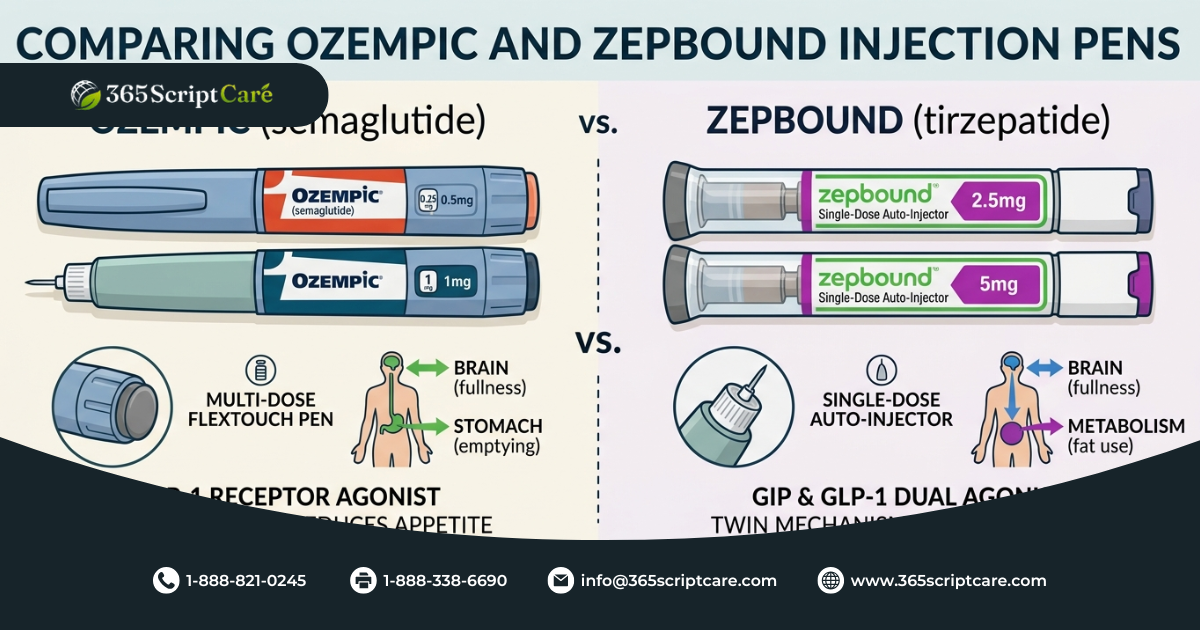
Semaglutide functions as a GLP-1 receptor agonist, mimicking the incretin hormone that regulates blood sugar and appetite. This single-target approach effectively manages diabetes and promotes weight loss through delayed gastric emptying and reduced food intake.
Tirzepatide operates as a dual agonist, targeting both GLP-1 and GIP (glucose-dependent insulinotropic polypeptide) receptors. This dual action provides enhanced glucose control and potentially greater weight loss benefits compared to single-target medications.
Dosing schedules differ between the two medications. Semaglutide typically starts at 0.25mg weekly, gradually increasing to maintenance doses of 1-2mg weekly. Tirzepatide begins at 2.5mg weekly, with potential increases to 15mg weekly based on individual response and tolerance.
Weight loss outcomes often favor Tirzepatide in comparative studies. Patients frequently experience more substantial weight reduction when switching from Semaglutide to Tirzepatide, though individual results vary based on multiple factors including diet, exercise, and metabolic health.
Side effect profiles share similarities but show some differences. Both medications can cause nausea, vomiting, and digestive issues, though Tirzepatide may have slightly different intensity and duration patterns for these effects.
Medical Evaluation Before Switching
Healthcare providers conduct thorough assessments before approving the switch from Semaglutide to Tirzepatide. This evaluation ensures patient safety and optimizes treatment outcomes through comprehensive health review.
Current medication effectiveness assessment forms the foundation of this evaluation. Providers review weight loss progress, blood sugar control, and overall treatment satisfaction with Semaglutide to determine if switching offers potential benefits.
Medical history review includes examining previous medication responses, allergies, and contraindications that might affect Tirzepatide therapy. Providers pay special attention to pancreatic history, thyroid conditions, and kidney function.
Laboratory testing often includes recent A1C levels, kidney function markers, and lipid profiles. These baseline measurements help providers monitor changes after switching from Semaglutide to Tirzepatide and adjust treatment accordingly.
- Current weight and BMI measurements
- Blood pressure monitoring
- Heart rate assessment
- Digestive health evaluation
- Mental health screening
Risk factor evaluation considers patient-specific conditions that might influence treatment success. Age, concurrent medications, lifestyle factors, and treatment adherence history all factor into the switching decision.
Transition Protocol and Timeline

The process of switching from Semaglutide to Tirzepatide requires careful timing and dosage management to minimize side effects and maintain therapeutic benefits. Healthcare providers develop individualized transition plans based on patient needs and current medication doses.
Direct switching represents one approach where patients stop Semaglutide and begin Tirzepatide immediately. This method works well for patients who have been on stable Semaglutide doses without significant side effects and desire rapid transition.
Gradual tapering offers an alternative approach, particularly beneficial for patients concerned about withdrawal effects or those on higher Semaglutide doses. This method involves reducing Semaglutide gradually while introducing low-dose Tirzepatide.
| Week | Semaglutide Dose | Tirzepatide Dose | Notes |
|---|---|---|---|
| 1-2 | Current dose | None | Baseline period |
| 3 | 50% reduction | 2.5mg | Begin transition |
| 4 | Discontinue | 2.5mg | Complete switch |
| 5-8 | None | 2.5mg | Stabilization |
Washout periods may be recommended for some patients, involving a brief medication-free interval between stopping Semaglutide and starting Tirzepatide. This approach helps identify any lingering effects from the previous medication.
Monitoring during transition includes weekly weight checks, blood sugar monitoring, and side effect tracking. Patients maintain detailed logs of symptoms, appetite changes, and overall well-being during the switching process.
Dosage Adjustments and Optimization
Starting doses for Tirzepatide typically begin at 2.5mg weekly when switching from Semaglutide to Tirzepatide, regardless of the previous Semaglutide dose. This conservative approach minimizes initial side effects while establishing therapeutic benefits.
Dose escalation follows a structured timeline, with increases occurring every four weeks based on patient tolerance and therapeutic response. The progression typically moves from 2.5mg to 5mg, then to 7.5mg, 10mg, 12.5mg, and potentially 15mg weekly.
Patient response monitoring guides dosage decisions throughout the optimization process. Healthcare providers assess weight loss progress, blood sugar control, side effect severity, and overall treatment satisfaction at each adjustment point.
Individual factors influence optimal dosing, including body weight, diabetes severity, weight loss goals, and side effect tolerance. Some patients achieve excellent results at lower doses, while others require maximum dosing for optimal benefits.
Considering your dosage options? Explore Tirzepatide availability through 365 Script Care for competitive pricing and convenient access.
Maintenance dosing varies among patients, with many finding their optimal dose between 5mg and 10mg weekly. Long-term success depends on finding the balance between therapeutic benefits and manageable side effects when switching from Semaglutide to Tirzepatide.
Managing Side Effects During Transition
Side effect management becomes particularly important when switching from Semaglutide to Tirzepatide, as patients may experience familiar symptoms with different intensity or new reactions altogether. Proactive management strategies help ensure successful transitions.
Gastrointestinal effects represent the most common concerns during the switch. Nausea, vomiting, diarrhea, and constipation may occur as the body adjusts to Tirzepatide’s dual mechanism of action.
Dietary modifications help minimize digestive discomfort during transition. Eating smaller, more frequent meals, avoiding fatty or spicy foods, and maintaining adequate hydration support digestive tolerance.
- Start with bland, easily digestible foods
- Eat slowly and chew thoroughly
- Avoid carbonated beverages
- Stay hydrated with clear fluids
- Consider ginger for nausea relief
Injection site management remains important when switching from Semaglutide to Tirzepatide. Proper rotation techniques, appropriate needle disposal, and monitoring for local reactions help prevent injection-related complications.
Fatigue and energy changes may occur during the transition period as the body adapts to the new medication. Patients should maintain regular sleep schedules, engage in light physical activity, and avoid major lifestyle changes during the initial weeks.
Medical communication protocols establish clear channels for reporting concerning symptoms. Patients receive specific instructions about which side effects require immediate medical attention versus those manageable with supportive care.
Long-term Success Strategies

Achieving sustained benefits after switching from Semaglutide to Tirzepatide requires comprehensive lifestyle integration and ongoing medical support. Success extends beyond initial weight loss or blood sugar improvements to encompass long-term health maintenance.
Lifestyle optimization supports medication effectiveness through proper nutrition, regular physical activity, stress management, and adequate sleep. These foundational elements enhance therapeutic outcomes and promote overall well-being.
Regular monitoring schedules include periodic medical evaluations, laboratory testing, and progress assessments. Healthcare providers track weight changes, metabolic markers, and medication tolerance to optimize long-term outcomes.
Nutrition counseling helps patients maximize benefits from their medication switch. Working with registered dietitians provides personalized meal planning, portion control strategies, and sustainable eating habits that complement Tirzepatide therapy.
Exercise integration begins with appropriate activity levels and gradually progresses based on individual fitness and weight loss progress. Physical activity enhances medication benefits and supports long-term weight maintenance.
Support system development includes family involvement, peer support groups, and healthcare team coordination. Strong support networks improve treatment adherence and provide motivation during challenging periods.
Goal setting and tracking help maintain motivation and measure progress over time. Patients benefit from establishing realistic, measurable objectives that extend beyond weight loss to include overall health improvements.
Final Thoughts
Switching from Semaglutide to Tirzepatide represents a significant treatment decision that requires careful consideration of multiple factors including current medication effectiveness, health goals, cost implications, and potential benefits. The dual mechanism of action in Tirzepatide offers enhanced therapeutic potential for many patients experiencing plateaus or inadequate results with Semaglutide.
Success in this transition depends heavily on proper medical supervision, appropriate timing, and patient commitment to the process. Healthcare providers play crucial roles in evaluating candidacy, developing transition protocols, and monitoring outcomes throughout the switch.
The financial investment in Tirzepatide therapy often proves worthwhile for patients achieving superior weight loss and metabolic control compared to their previous Semaglutide results. However, cost-benefit analysis should consider individual circumstances, treatment goals, and available resources.
Long-term success with Tirzepatide extends beyond the initial medication switch to encompass comprehensive lifestyle modifications, ongoing medical support, and sustained treatment adherence. Patients who approach this transition with realistic expectations and strong support systems typically achieve the best outcomes.
Frequently Asked Questions
How to Safely Switch From Semaglutide to Tirzepatide?
Safely switching from Semaglutide to Tirzepatide requires medical supervision and a structured transition plan. Healthcare providers typically recommend stopping Semaglutide and starting Tirzepatide at the lowest dose (2.5mg weekly) with close monitoring for the first month. The transition should include regular follow-ups to assess tolerance, effectiveness, and any side effects that may arise during the switch.
Is It Worth Switching From Semaglutide to Tirzepatide?
The decision to switch depends on individual treatment goals and current medication effectiveness. Patients who have plateaued on Semaglutide, need better blood sugar control, or seek enhanced weight loss benefits may find switching worthwhile. However, those achieving good results with Semaglutide might not need to change medications. Cost considerations and side effect profiles also factor into this decision.
Should I Switch to Tirzepatide if I Plateau on Semaglutide?
Weight loss plateaus on Semaglutide may indicate the need for treatment optimization, which could include switching to Tirzepatide. The dual mechanism of action in Tirzepatide often helps overcome plateaus experienced with single-target medications. However, healthcare providers may first explore increasing Semaglutide doses or addressing lifestyle factors before recommending a medication switch.
Is Tirzepatide Stronger Than Semaglutide?
Tirzepatide demonstrates enhanced effectiveness compared to Semaglutide in many patients due to its dual GLP-1 and GIP receptor activation. This dual mechanism often results in greater weight loss and improved blood sugar control. However, “stronger” depends on individual patient response, and some people may respond better to Semaglutide’s single-target approach.
Is 5mg Tirzepatide Better Than 1mg Semaglutide?
Direct dose comparisons between different medications can be misleading since they work through different mechanisms. The 5mg Tirzepatide dose typically provides more substantial weight loss and glucose control than 1mg Semaglutide for most patients. However, individual responses vary, and optimal dosing should be determined through medical consultation rather than direct comparisons.
Why Am I So Tired on Tirzepatide?
Fatigue on Tirzepatide can result from several factors including rapid weight loss, dietary changes, blood sugar fluctuations, or adjustment to the medication. The body often experiences temporary fatigue during the initial weeks as it adapts to hormonal changes and metabolic shifts. Maintaining proper nutrition, hydration, and sleep hygiene can help manage this side effect.
Why Is Tirzepatide More Expensive Than Semaglutide?
Tirzepatide costs more than Semaglutide due to its newer patent status, advanced dual-mechanism formulation, and limited generic availability. Manufacturing complexities associated with the dual-target design also contribute to higher costs. As patents expire and generic versions become available, pricing differences may decrease over time.