Having a colonoscopy may not be a favorite activity, especially for individuals with Type 2 Diabetes or those aged between 45 and 75. However, routine colonoscopy screenings are crucial for detecting colorectal cancer and other bowel diseases in this demographic. This article explores the topic of when to discontinue Ozempic before a colonoscopy, as people with Diabetes face a higher risk of colorectal cancer.
Monitoring bowel health is integral to routine healthcare for this group. Yet, preparing for a colonoscopy involves dietary changes and potential impacts on blood sugar levels. It may also require temporarily stopping certain medications, including Diabetes medications. For individuals taking Ozempic, navigating this process requires careful consideration and consultation with their doctor to ensure both health and safety.
This overview offers insights into common considerations for Ozempic users facing an upcoming colonoscopy.
What is Ozempic
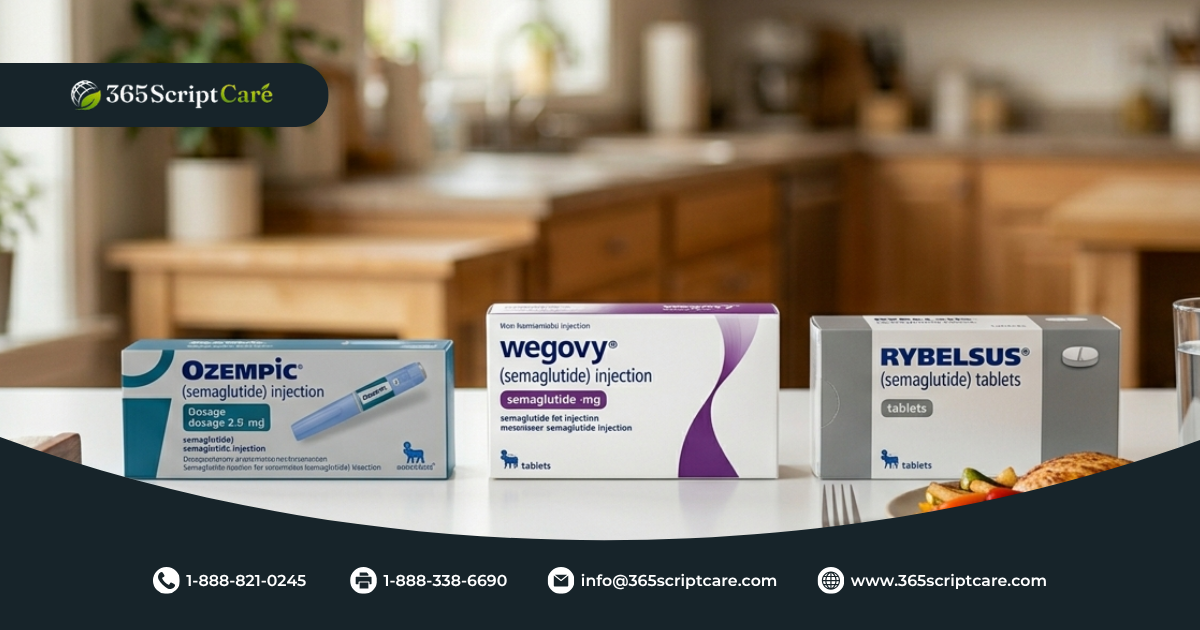
Ozempic is a medication commonly prescribed for managing diabetes. It belongs to the class of drugs known as GLP-1 receptor agonists. The active ingredient, semaglutide, mimics the effects of the naturally occurring hormone GLP-1. Ozempic works by stimulating the release of insulin, reducing glucose production in the liver, and slowing down digestion. This results in better blood sugar control.
Additionally, Ozempic may contribute to weight loss in some individuals. Typically administered via injection, Ozempic is an effective tool in the treatment of type 2 diabetes, aiding in glycemic control and supporting overall diabetes management.
What is Colonoscopy?
A colonoscopy is a medical procedure used to examine the inner lining of the colon and rectum. It involves the insertion of a flexible tube with a camera at its tip, called a colonoscope, through the anus. This allows healthcare professionals to visually inspect the entire colon, detect abnormalities, and screen for conditions such as colorectal cancer or polyps.
Colonoscopies are crucial for early detection and prevention of colorectal diseases, making them a vital tool in maintaining gastrointestinal health. The procedure is typically performed by gastroenterologists and is considered a standard screening method in preventive healthcare.
Preparation for a Colonoscopy
Preparing for a colonoscopy is a crucial step to ensure that the procedure is effective and provides accurate results. Proper preparation involves dietary adjustments, bowel preparation, and following specific instructions provided by your healthcare provider. Here’s a detailed discussion on the preparation process:
Days Leading Up to the Procedure
A few days before the colonoscopy, it’s important to avoid high-fiber foods such as whole grains, nuts, seeds, raw fruits, and vegetables. These foods can leave residue in the colon, making it harder to get clear images. Opt for low-fiber options like white bread, white rice, pasta, eggs, and lean meats.
Day Before the Procedure
On the day before the colonoscopy, a clear liquid diet is typically recommended. This includes water, clear broths, tea, coffee (without milk or cream), clear juices (without pulp), sports drinks, and clear sodas. Avoid any liquids that are red, purple, or orange as they can be mistaken for blood during the procedure. Solid foods should be completely avoided on this day to ensure the colon is clear.
Bowel Preparation
Bowel preparation usually involves taking a prescribed laxative or a bowel cleansing solution. This is essential to empty the colon.
There are various types of laxatives available, including oral solutions (such as polyethylene glycol solutions), pills, or a combination of both. Your doctor will prescribe the one best suited for you.
It’s crucial to follow the specific instructions provided by your healthcare provider regarding when and how to take the laxative. This often involves drinking the solution in the evening before the colonoscopy and possibly a second dose on the morning of the procedure.
Stay well-hydrated by drinking plenty of clear liquids throughout the preparation process. This helps to prevent dehydration and makes the bowel preparation process more effective.
Tips for Getting Ready for a Colonoscopy While Taking Ozempic
Getting ready for a colonoscopy while taking Ozempic requires careful planning and talking with your doctor. First, discuss with your doctor whether you should stop taking Ozempic before the procedure. This is important because Ozempic can cause nausea and slow down your digestion, which might make it harder to clean out your colon. Your doctor might suggest stopping Ozempic a few days before the colonoscopy to avoid these problems. They can also help you adjust your other diabetes medications to keep your blood sugar levels stable during this time.
Next, follow the specific instructions from your healthcare provider for bowel preparation. This usually means switching to a clear liquid diet the day before the procedure and drinking a special solution to clean out your colon.
It’s crucial to stay well-hydrated by drinking plenty of clear fluids like water, broth, and clear juices. Make sure to stay close to a bathroom as the bowel preparation will cause frequent trips. If you have any concerns or experience severe side effects, contact your doctor immediately. By carefully following these steps and maintaining open communication with your healthcare team, you can ensure a smooth preparation for your colonoscopy while managing your diabetes effectively.
Knowing When to Quit Using Ozempic
Your healthcare provider will guide you on when to discontinue Ozempic ahead of your upcoming colonoscopy, and it’s crucial to adhere to their instructions diligently. Typically, patients are advised against injecting Ozempic during the preparation period leading up to or on the day of the colonoscopy. It’s often recommended to postpone your regular Ozempic dose until after the procedure.
If you’re also taking other diabetes medications alongside Ozempic, your doctor will assess how to manage them to ensure a smooth colonoscopy preparation without adverse blood sugar events. Following medical advice meticulously becomes essential, and temporary pauses in medications may be necessary for the procedure’s success.
Alternative Medication Options
If you need to stop taking Ozempic, there are alternative medications and strategies to manage your blood sugar levels during the colonoscopy preparation period. Discuss these options with your healthcare provider:
- DPP-4 Inhibitors like sitagliptin (Januvia) or linagliptin (Tradjenta)
- SGLT2 Inhibitors like Invokana and Farxiga
- Metformin
- Amaryl
Final Thought
Whether you should stop taking Ozempic before a colonoscopy depends on individual health factors and should be guided by your healthcare provider’s advice. Ozempic’s gastrointestinal effects, such as nausea and delayed gastric emptying, can complicate bowel preparation, potentially affecting the procedure’s success. Temporarily discontinuing Ozempic might improve bowel preparation and reduce discomfort, but it requires careful management of blood sugar levels during the preparation period.
Ultimately, the decision should be based on a thorough discussion with your healthcare provider, considering your overall health, diabetes management needs, and the specific requirements of the colonoscopy. Always follow the tailored recommendations of your medical team to ensure both an effective colonoscopy and safe diabetes management.
To buy cheap Ozempic online, browse our website or get in touch with our experienced staff at 365 Script Care right now.