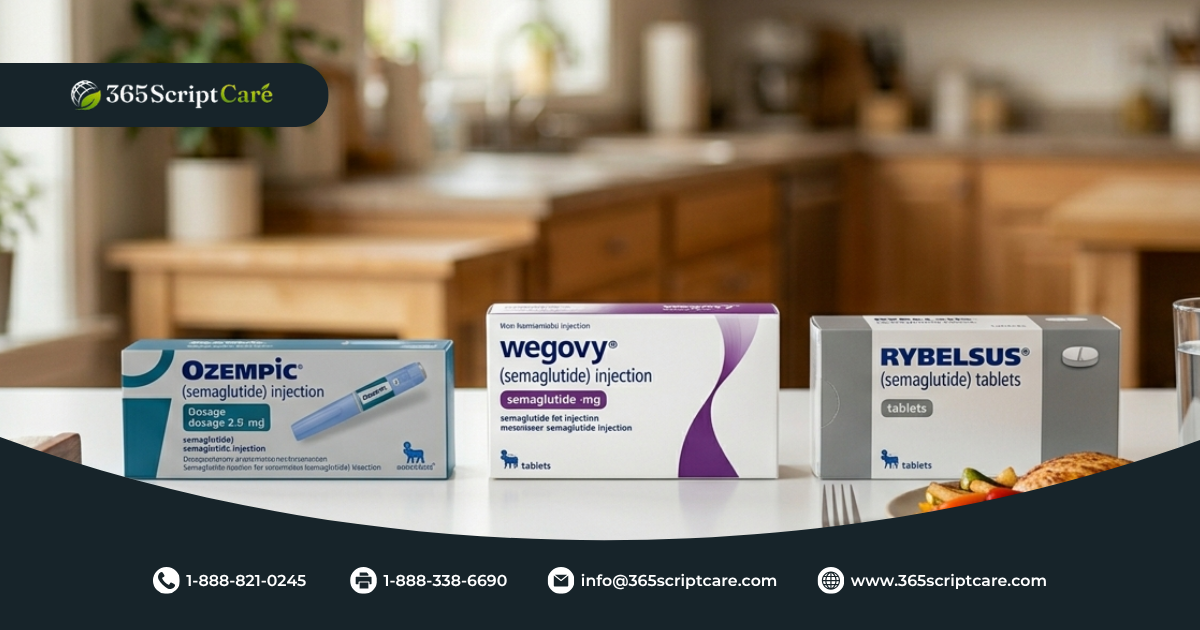
Rybelsus has become a well-known option for people managing type 2 diabetes. It comes in tablet form, which makes it different from many other similar treatments that are given by injection. Many individuals are curious about how it works, its benefits, and what important safety details they need to know before starting.
Because every person’s health situation is unique, it is important to learn as much as possible about Rybelsus before using it. From the way it helps regulate blood sugar to the possible side effects, there are key details that can help patients make informed decisions. Exploring its uses, dosage, side effects, and warnings can give a clearer picture of how this medication fits into a treatment plan.
What Is Rybelsus Used For?
Rybelsus is mainly prescribed for adults with type 2 diabetes. It works by helping lower blood sugar levels when diet and exercise alone are not enough. Unlike type 1 diabetes, where insulin is required, type 2 diabetes can often be managed with medications that help the body respond better to insulin. Rybelsus belongs to a class of medicines known as GLP-1 receptor agonists, which support the body in controlling blood sugar in different ways.
One of the key benefits of Rybelsus for type 2 diabetes is its ability to help lower blood sugar both after meals and while fasting. This makes it a valuable option for people who have struggled with other treatments. Some patients also notice weight loss while taking Rybelsus, which can be an added benefit since maintaining a healthy weight is important for diabetes management.
Doctors may also prescribe Rybelsus to reduce the risk of serious health issues linked to diabetes, such as heart disease and stroke. This is because keeping blood sugar levels under control can help protect the heart and blood vessels over time. Managing diabetes is not just about numbers on a test but also about lowering long-term health risks.
It is worth noting that Rybelsus is not designed for people with type 1 diabetes or those with diabetic ketoacidosis. It is specifically meant for type 2 diabetes, where the body still makes some insulin but does not use it effectively. This makes knowing who should use it and who should not very important.
Recommended Dosage of Rybelsus
The dosage of Rybelsus can vary depending on a patient’s medical needs and how well they tolerate the medication. It usually starts at a low dose and can be adjusted over time. This step-by-step approach allows the body to get used to the medicine and helps reduce side effects.
Most patients begin with a 3 mg tablet once daily for the first month. This starting dose is not meant to control blood sugar but to allow the body to adjust. After the first month, the dose is usually increased to 7 mg once daily. If additional blood sugar control is needed, the dose can be raised to 14 mg once daily. Doctors typically decide the final dosage based on how well blood sugar levels are being managed.
It is important to take Rybelsus at the same time every day, usually in the morning, with a small sip of water. Patients should wait at least 30 minutes before eating, drinking, or taking any other oral medications. This helps ensure that the medication works properly. Missing this timing can make the medicine less effective.
People should not increase their dosage on their own without medical guidance. Taking more than prescribed will not improve results and may increase the risk of side effects. Following a doctor’s instructions closely is the best way to get the most benefit from Rybelsus.
Possible Side Effects of Rybelsus
Rybelsus (oral Semaglutide) has a wide range of side effects, which can be grouped into common, mild, and serious categories.
Common Side Effects
The most frequently reported side effects are gastrointestinal and often occur when starting the medication or increasing the dose. They include:
- Nausea
- Vomiting
- Diarrhea
- Abdominal (stomach) pain or cramps
- Constipation
- Decreased appetite
- Heartburn, bloating, gas, burping
These side effects can cause dehydration if severe. They typically improve or resolve after a few days to weeks as the body adjusts.
Mild Side Effects
Other mild side effects reported include:
- Headache
- Dizziness or lightheadedness
- Fatigue or tiredness
- Mild allergic reactions like runny nose, sore throat, or skin rash
- Weight loss
- Acid reflux or indigestion
These are usually manageable and often improve over time.
Serious Side Effects
Though less common, serious side effects require immediate medical attention:
- Allergic reactions: swelling of face, lips, tongue, throat; difficulty breathing; hives; fast heartbeat; dizziness
- Thyroid tumors including medullary thyroid carcinoma (MTC): symptoms include neck lump/swelling, hoarseness, trouble swallowing, shortness of breath
- Pancreatitis: severe upper stomach pain radiating to back, nausea, vomiting, rapid heart rate
- Gallbladder problems such as inflammation or stones: upper abdominal pain, fever, jaundice (yellowing of skin or eyes), clay-colored stools
- Low blood sugar (hypoglycemia) especially if combined with other diabetes medications: sweating, confusion, irritability, dizziness, fast heartbeat, headache
- Kidney injury, especially if dehydration occurs from vomiting/diarrhea: swelling, decreased urination, fatigue, trouble breathing, confusion
- Mood changes including depression or suicidal thoughts
- Pulmonary aspiration risk during anesthesia or deep sedation in patients on GLP-1 receptor agonists
Because of the potential thyroid cancer risk seen in rodents, Rybelsus carries a boxed warning. Patients should promptly report any thyroid-related symptoms or signs of serious allergic reactions.
Additional Information
- Side effects related to nausea, vomiting, diarrhea, and abdominal discomfort are the most common reasons for stopping treatment.
- Severe dehydration from gastrointestinal symptoms can worsen kidney function, requiring monitoring.
- Patients are advised to drink plenty of fluids and discuss persistent or severe side effects with their healthcare provider.
- This is not a full list; other side effects can occur.
Safety Warnings to Keep in Mind
Before starting Rybelsus, patients should review important safety warnings with their doctor. Certain health conditions may affect whether this medication is safe to use.
Rybelsus may not be suitable for people with a history of pancreatitis. Since this condition can be life-threatening, anyone with a history of pancreatic problems should discuss this risk with their healthcare provider. Monitoring for any signs of abdominal pain is also advised during treatment.
People with severe kidney problems should also use caution. Dehydration caused by side effects like vomiting or diarrhea can worsen kidney function. Drinking enough water and monitoring fluid intake is essential while taking this medication.
Patients should also tell their doctor about all other medications they are using. Some drugs may interact with Rybelsus and affect how well it works. Taking the medication properly, at least 30 minutes before other oral medicines, can reduce this risk.
Tips for Taking Rybelsus Safely
To take Rybelsus safely and ensure it works effectively, follow these important tips:
- Take Rybelsus exactly as prescribed by your healthcare provider. Do not change your dose or stop taking it without consulting them.
- Take Rybelsus on an empty stomach right after waking up. Use no more than 4 ounces (a small sip) of plain water to swallow the tablet whole. Do not chew, crush, or split the tablet as this can affect absorption.
- Wait at least 30 minutes after taking Rybelsus before eating, drinking anything other than plain water, or taking any other oral medications. Taking it with food or other beverages reduces its effectiveness by lowering absorption. Waiting more than 30 minutes may increase absorption.
- Store Rybelsus tablets in their original container with the special blue cap securely closed to protect from moisture. Do not transfer to pill organizers or other containers to preserve tablet integrity. Store at room temperature between 68°F and 77°F (20°C to 25°C) away from moisture.
- Follow the dose escalation schedule prescribed by your healthcare provider to reduce the risk of gastrointestinal side effects. Typically start at a low dose (e.g., 3 mg) and increase gradually to 7 mg or 14 mg based on effectiveness and tolerability.
- Inform your healthcare provider promptly if you experience persistent or severe nausea, vomiting, diarrhea, or abdominal pain, as these can cause dehydration and worsen kidney problems, especially if you have preexisting kidney disease.
- Do not use Rybelsus if you have a personal or family history of medullary thyroid carcinoma (MTC) or multiple endocrine neoplasia syndrome type 2 (MEN 2), and report any symptoms like a lump or swelling in the neck, hoarseness, difficulty swallowing, or shortness of breath to your healthcare provider immediately.
- Inform your healthcare provider about all other medications you are taking to avoid possible drug interactions and complications.
- Regularly monitor blood sugar levels and follow up with your healthcare provider for assessment and dose adjustments as needed.
- If you need surgery involving anesthesia or sedation, inform your surgeon or anesthesiologist that you are taking Rybelsus due to potential aspiration risks with GLP-1 receptor agonists
Who Should Not Use Rybelsus
Not everyone is a good candidate for Rybelsus. There are specific groups of people who should avoid taking it.
Rybelsus should not be used by individuals with type 1 diabetes, since their bodies do not make insulin at all. It is also not meant for treating diabetic ketoacidosis, a serious condition that requires immediate medical treatment.
People with certain medical histories, such as severe gastrointestinal issues, may also be advised not to take this medication. Because Rybelsus works in the digestive system, existing stomach or intestinal problems could make side effects worse.
Pregnant or breastfeeding women should talk to their doctor before using Rybelsus. Since its effects on unborn babies or nursing infants are not fully known, doctors usually consider other options in these cases.
Final Thoughts
Rybelsus has become a valuable option for people with type 2 diabetes who want an oral treatment instead of injections. It offers effective blood sugar control, potential weight loss, and convenience. At the same time, it requires careful use, proper dosage, and attention to possible side effects.
Anyone considering Rybelsus should have an open conversation with their healthcare provider to make sure it is the right choice for their health needs. Monitoring progress, staying aware of warnings, and following directions closely can help patients use this medication safely and effectively.
If you are looking for ways to access your prescription at a lower cost, you may consider ordering it through a trusted Canadian pharmacy. You can buy Rybelsus at an affordable price online from Canada with the help of 365 Script Care, making it easier to stay on track with your treatment. Taking charge of your diabetes management with the right tools and reliable support can make a big difference in your overall health and quality of life.