The Ozempic journey typically produces gradual weight loss of 10-15 pounds within the first three months for most people who combine the medication with healthy eating and regular physical activity. Individual results depend heavily on starting weight, dosage progression, lifestyle habits, and metabolic factors that make each persons experience different.
Starting an Ozempic journey requires patience and realistic expectations about the timeline for visible changes. Most people begin noticing appetite suppression within the first few weeks, followed by gradual scale changes that become more significant around months two and three.
How Does the Ozempic Journey Progress Over Time
The Ozempic journey follows a predictable pattern for most people, though individual experiences vary based on personal health factors. The medication works by mimicking a hormone called GLP-1 that regulates appetite and blood sugar levels. This process does not happen overnight but builds gradually as your body adjusts to the treatment.
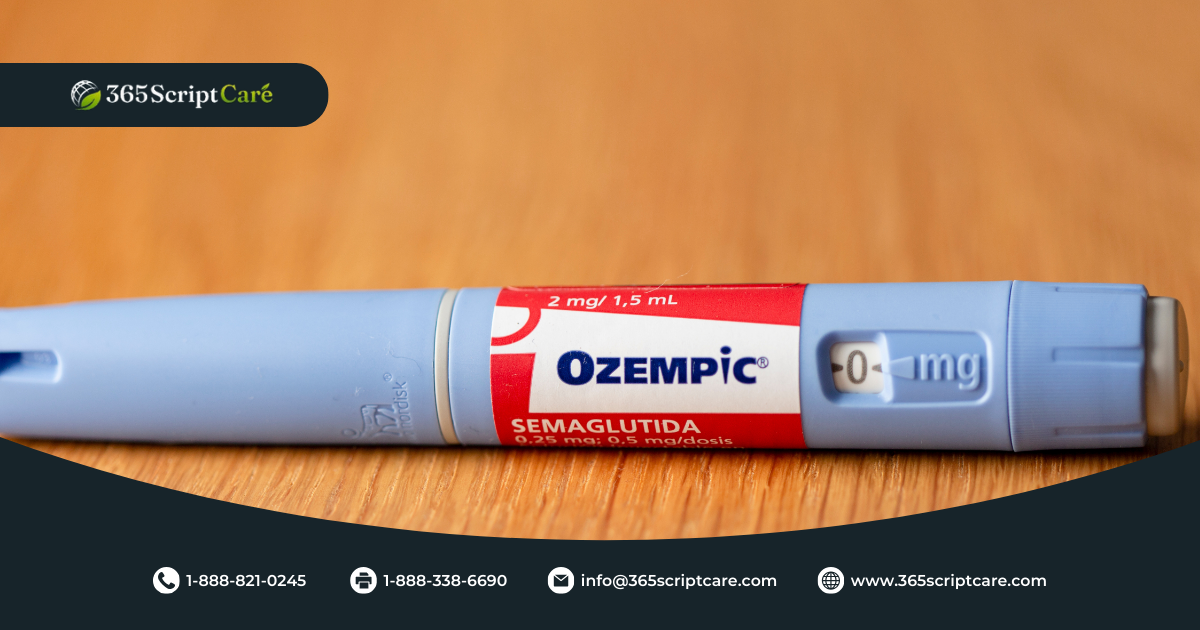
During the first month, the medication primarily works on reducing appetite and food cravings. Many people notice they feel full faster during meals and have less interest in snacking between meals. The initial dose of 0.25 mg is intentionally low to help your body adjust with minimal side effects.
By the second month, most people have increased to the 0.5 mg dose. This is when noticeable results start appearing on the scale. The combination of reduced calorie intake from decreased appetite and the medications effects on metabolism begins producing visible changes.
Months three through six represent a critical phase of the Ozempic journey where weight loss typically accelerates. People who have reached the maintenance dose and established healthy habits often see their most significant results during this window. The medication reaches peak effectiveness when combined with consistent dietary changes and increased physical activity.
What Are the Stages of Ozempic
| Stage | Timeframe | Typical Dose | What to Expect |
| Initiation | Weeks 1-4 | 0.25 mg weekly | Body adjustment, mild appetite changes, possible nausea |
| Building | Weeks 5-8 | 0.5 mg weekly | Increased appetite suppression, early weight changes |
| Therapeutic | Weeks 9-16 | 1.0 mg weekly | Significant appetite control, steady weight loss |
| Maintenance | Week 17+ | 1.0-2.0 mg weekly | Sustained results, established eating patterns |
The Ozempic journey stages are designed to minimize side effects while maximizing therapeutic benefit. Each stage builds on the previous one, allowing your digestive system time to adapt to the medications effects. Rushing through these stages often leads to increased nausea and other gastrointestinal discomfort.
People looking for Ozempic through a prescription referral service should understand that following the recommended dosing schedule produces better long-term results than attempting to accelerate the process. The Ozempic journey works best when you allow your body adequate time at each dose level.
How Much Weight Do You Lose in 3 Months on Ozempic
Most people lose between 10 and 15 pounds during the first three months of their Ozempic journey. This translates to roughly 5-7% of starting body weight for individuals beginning the medication with obesity. Some people experience faster results while others see more gradual changes depending on their individual circumstances.
Several factors influence weight loss during the first three months on the medication. Starting weight plays a significant role because people with more weight to lose often see larger absolute numbers on the scale. Dietary choices matter tremendously since the medication reduces appetite but does not eliminate the need for nutritious food choices.
Physical activity levels also affect three-month results. People who combine the medication with regular exercise typically see better outcomes than those who rely on appetite suppression alone. Even moderate activities like daily walking can enhance effectiveness and improve overall health markers.
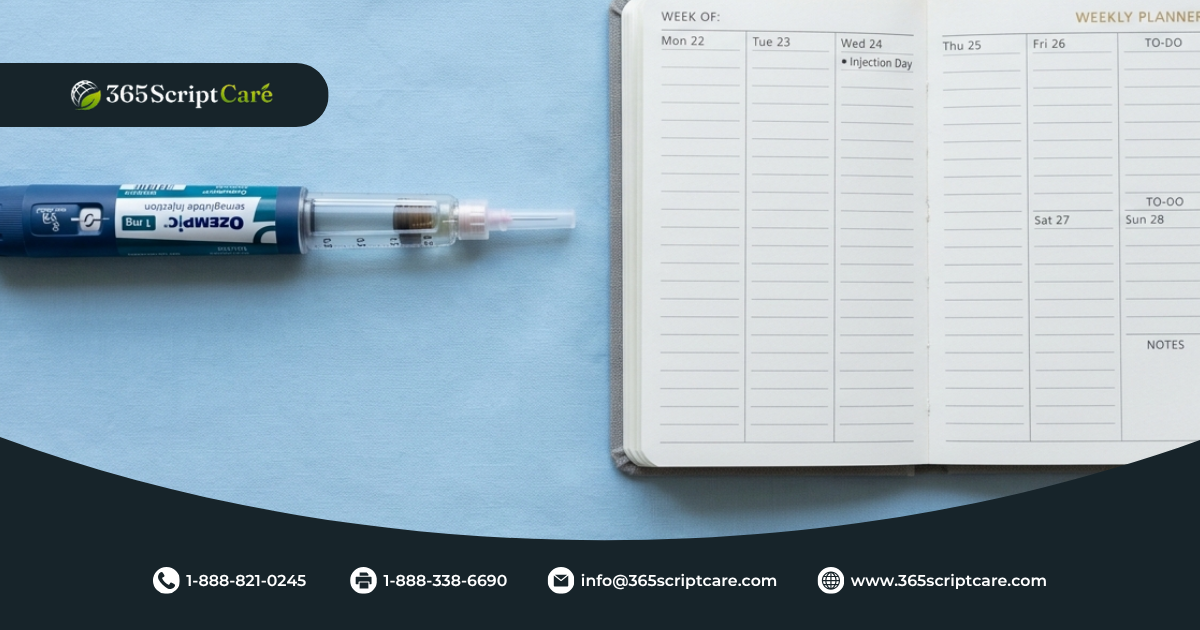
Consistency with weekly injections determines how well the medication performs over the first three months. Missing doses or inconsistent timing can reduce effectiveness and slow progress. Setting a regular injection day and time helps maintain steady medication levels in your system.
How Much Weight Can I Lose in a Week on Ozempic
Healthy weekly weight loss during an Ozempic journey ranges from 0.5 to 2 pounds per week. This pace allows for sustainable fat loss while preserving muscle mass and avoiding the metabolic slowdown that accompanies rapid weight loss. Expecting dramatic weekly changes often leads to disappointment and unnecessary frustration.
The first few weeks may show larger scale changes due to water weight fluctuations and initial appetite adjustments. These early losses are not entirely fat loss and should not be expected to continue at the same rate. Viewing weekly weigh-ins as data points rather than success or failure measurements helps maintain perspective.
Some weeks will show no scale movement or even small gains despite following the plan correctly. Weight naturally fluctuates based on hydration, sodium intake, sleep quality, stress levels, and hormonal cycles. Looking at trends over several weeks provides a more accurate picture of progress than focusing on individual weigh-ins.
People considering similar medications like Mounjaro or other GLP-1 receptor agonists should have similar weekly expectations. The mechanism of action works gradually regardless of the specific medication chosen.
How Quickly Can I Lose 20 Lbs on Ozempic
Losing 20 pounds typically takes four to six months during an Ozempic journey when following recommended protocols. This timeframe accounts for the gradual dose escalation, body adjustment period, and sustainable fat loss rates that lead to lasting results. Attempting to achieve this goal faster often backfires.
| Weight Loss Goal | Typical Timeframe | Key Factors |
| 10 pounds | 2-3 months | Consistent dosing, moderate diet changes |
| 20 pounds | 4-6 months | Established exercise routine, dietary improvements |
| 30 pounds | 6-9 months | Long-term lifestyle changes, higher starting weight |
| 40+ pounds | 9-12+ months | Comprehensive lifestyle overhaul, medical supervision |
The Ozempic journey toward 20 pounds of weight loss requires patience and commitment to the process. People who try to speed up results through extreme calorie restriction often experience muscle loss, nutrient deficiencies, and metabolic adaptation that makes continued weight loss more difficult.
Building sustainable habits during your Ozempic journey creates the foundation for maintaining weight loss after reaching your goal. The medication provides a helpful tool, but lasting success depends on developing eating patterns and activity levels that you can maintain indefinitely.
Can I Lose 30 Lbs in 2 Months on Ozempic
Losing 30 pounds in two months is not realistic or safe during an Ozempic journey. This rate would require losing nearly 4 pounds per week, which exceeds healthy weight loss guidelines and creates risks for muscle loss, gallstones, and nutritional deficiencies. The medication is designed for gradual, sustainable weight reduction.
Very rapid weight loss during any treatment protocol often leads to rebound weight gain once the aggressive approach becomes unsustainable. Better long-term outcomes occur when weight comes off at a pace your body can adapt to properly.
People with significant weight to lose may see faster initial results during the first weeks, but this early loss includes water weight and should not be expected to continue. Setting realistic expectations helps avoid the discouragement that leads many people to abandon treatment prematurely.
Medical supervision throughout treatment helps ensure that weight loss occurs at an appropriate rate. Healthcare providers monitor for complications and can adjust treatment plans based on individual responses to the medication.
Managing Side Effects During Your Ozempic Journey
Most people experience some side effects during the early weeks, particularly gastrointestinal symptoms like nausea, vomiting, and constipation. These effects typically diminish as your body adjusts to the medication.
Eating smaller portions helps reduce nausea and discomfort after meals. The medication significantly decreases appetite, so attempting to eat previous portion sizes often triggers digestive upset. Listening to your bodys new hunger signals makes the adjustment period easier.
Staying hydrated becomes especially important because the medication can increase risks of constipation. Drinking adequate water throughout the day and including fiber-rich foods in your diet helps maintain healthy digestion.
Lifestyle Factors That Enhance Your Ozempic Journey
 The Ozempic journey produces significantly better results when combined with lifestyle modifications that support weight loss. The medication creates an opportunity by reducing appetite and cravings, but taking advantage of that opportunity requires intentional choices about food and activity.
Protein intake becomes especially important because reduced overall food intake can lead to inadequate protein consumption. Prioritizing protein at each meal helps preserve muscle mass during weight loss.
Regular physical activity enhances results by building muscle, improving metabolism, and providing cardiovascular benefits beyond weight loss alone. Starting with walking and gradually increasing intensity creates sustainable exercise habits.
People using other diabetes medications like Trulicity or insulin should work closely with their healthcare providers to coordinate treatment and maximize results from their weight management efforts.
Setting Realistic Goals for Your Ozempic Journey
Creating achievable milestones keeps motivation high and provides regular opportunities to celebrate progress. Rather than focusing solely on a final goal weight, setting monthly targets helps maintain momentum throughout the treatment period.
Non-scale victories often provide more meaningful feedback than the number on the scale. Clothing fitting better, increased energy levels, improved blood sugar readings, and enhanced mobility all indicate positive progress even when weight loss temporarily stalls.
Comparing your results to others often leads to frustration because individual results vary significantly based on factors outside your control. Your starting point, genetics, metabolism, age, and other health conditions all influence your unique response to treatment.
When to Discuss Concerns With Your Healthcare Provider
Open communication with your healthcare provider throughout treatment ensures safe and effective results. Reporting side effects, discussing concerns about progress, and asking questions helps optimize your results.
Severe or persistent side effects warrant prompt medical attention. While mild nausea is common, symptoms like severe abdominal pain or allergic reactions require immediate evaluation.
Lack of expected progress after several months may indicate a need for dosage adjustment or evaluation of other factors affecting weight loss. Sometimes thyroid function or other medications need to be addressed.
Final Thoughts on Navigating Your Ozempic Journey
The Ozempic journey requires patience, consistency, and realistic expectations to produce lasting results. Most people who commit to the full treatment protocol while making supportive lifestyle changes achieve meaningful weight loss that improves their health and quality of life.
Success comes from viewing the medication as one tool within a comprehensive approach to health improvement. Sustainable results depend on developing habits that will continue serving you after reaching your goals.
Working with healthcare providers and using reliable sources for medication ensures treatment proceeds safely and effectively. The gradual approach may feel slow at times, but building lasting changes produces results that endure long after the initial weight loss phase ends.
Frequently Asked Questions About the Ozempic Journey
How much weight do you lose in 3 months on Ozempic?
Most people lose 10-15 pounds during the first three months of their Ozempic journey. Results depend on starting weight, dietary changes, physical activity levels, and individual metabolic factors. People who combine the medication with consistent lifestyle modifications typically see better outcomes.
How much weight can I lose in a week on Ozempic?
Healthy weight loss during an Ozempic journey ranges from 0.5 to 2 pounds weekly. Early weeks may show larger losses due to water weight changes, but sustainable fat loss occurs gradually. Focusing on trends over several weeks provides more useful feedback than individual weigh-ins during your Ozempic journey.
How quickly can I lose 20 lbs on Ozempic?
Losing 20 pounds typically takes four to six months during an Ozempic journey. This timeframe allows for safe, sustainable fat loss that is more likely to stay off long-term. Attempting to accelerate this timeline often leads to muscle loss and metabolic adaptation during your Ozempic journey.
What are the stages of Ozempic?
The Ozempic journey includes four main stages: initiation at 0.25 mg, building at 0.5 mg, therapeutic at 1.0 mg, and maintenance at 1.0-2.0 mg. Each stage lasts approximately four weeks and allows your body time to adjust before increasing the dose. Following this progression minimizes side effects.
Can I lose 30 lbs in 2 months on Ozempic?
No, losing 30 pounds in two months is not realistic or safe during an Ozempic journey. This rate would require nearly 4 pounds per week, exceeding healthy guidelines. The medication supports gradual weight loss that preserves muscle mass and creates sustainable results.