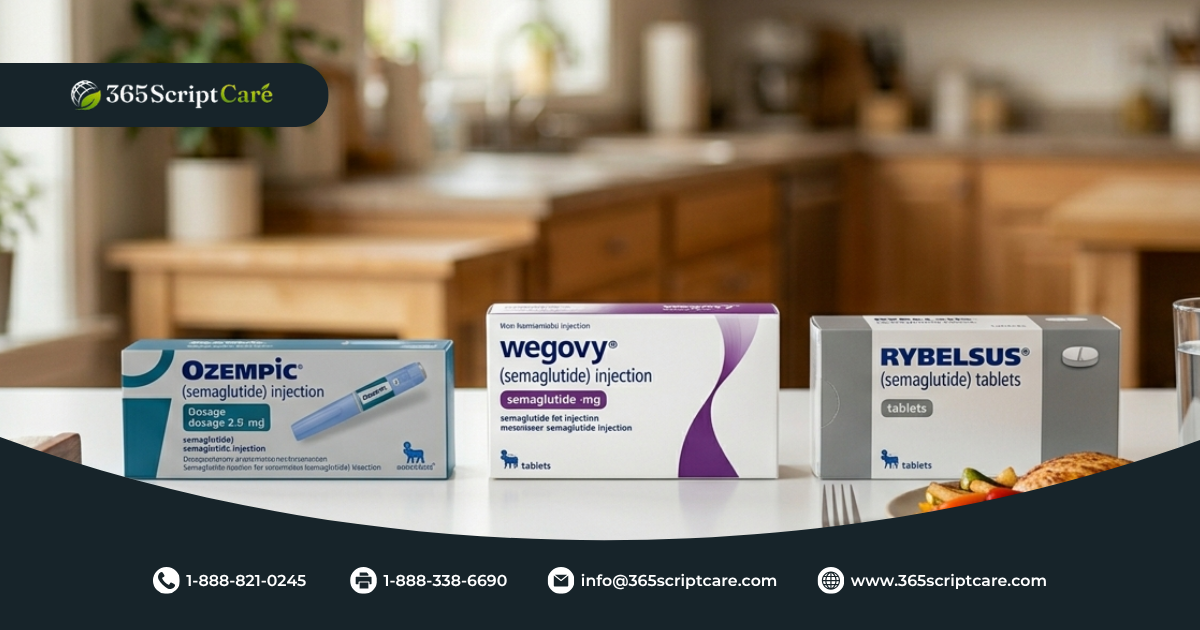
Ozempic and diabetes management have become increasingly connected as this medication transforms how people control their blood sugar levels. This injectable medication contains Semaglutide, which mimics natural hormones that regulate glucose metabolism and appetite. The medication works by stimulating insulin production when blood sugar rises, reducing glucose production by the liver, and slowing stomach emptying to prevent rapid sugar spikes after meals. People with type 2 diabetes typically see significant improvements in their A1C levels within three to six months of starting treatment. Weight loss often accompanies blood sugar improvements, providing additional metabolic benefits. The once-weekly injection schedule offers convenience compared to daily diabetes medications, improving treatment adherence and long-term outcomes.
How Ozempic Works in Your Body
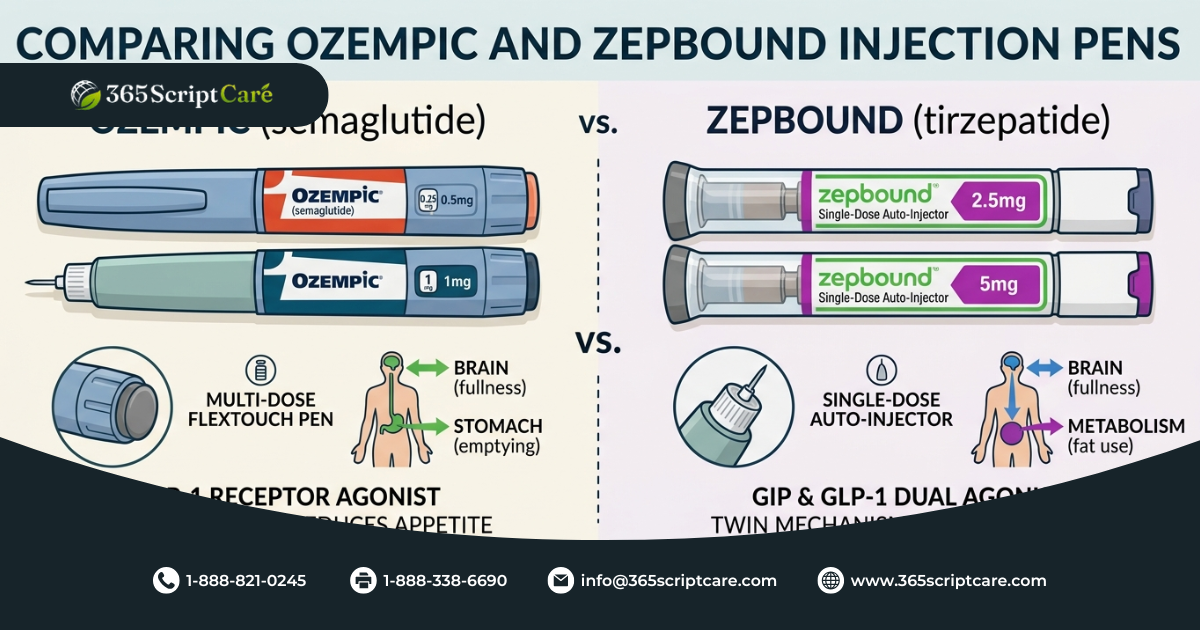
The mechanism behind Ozempic involves GLP-1 receptor activation throughout multiple organ systems. When injected subcutaneously, Semaglutide binds to receptors in the pancreas, triggering beta cells to release insulin appropriately when glucose levels rise. This glucose-dependent action means insulin releases only when needed, reducing hypoglycemia risk compared to traditional insulin therapy.
The medication simultaneously suppresses alpha cells from producing excess glucagon, a hormone that raises blood sugar by promoting glucose release from the liver. This dual pancreatic effect creates more stable glucose control throughout the day. Ozempic also affects the gastrointestinal system by slowing gastric emptying, which moderates how quickly nutrients enter the bloodstream after eating.
Brain receptors respond to Semaglutide by reducing appetite signals and increasing satiety feelings. This neurological effect contributes to decreased caloric intake and subsequent weight loss. The cardiovascular system benefits from improved endothelial function and reduced inflammation markers. These combined actions address multiple aspects of metabolic dysfunction in type 2 diabetes.
Research shows that GLP-1 receptor agonists like Ozempic preserve pancreatic beta cell function over time, potentially slowing diabetes progression. The medication’s half-life of approximately one week allows for consistent therapeutic levels with weekly dosing. Peak plasma concentrations occur one to three days after injection, maintaining steady effects between doses.
Looking to manage your diabetes more effectively? Explore affordable options for Ozempic through 365 Script Care, a trusted prescription referral service that connects you with licensed pharmacies.
Blood Sugar Control Benefits

Ozempic and diabetes control show remarkable results in hemoglobin A1C reduction, with many patients achieving decreases of 1.5 to 2 percentage points. This improvement translates to better long-term health outcomes and reduced diabetes complications. Morning fasting glucose levels typically drop within the first few weeks of treatment, providing early evidence of effectiveness.
Post-meal glucose spikes diminish significantly due to the medication’s effect on stomach emptying and insulin secretion timing. Continuous glucose monitoring data reveals smoother daily glucose curves with fewer extreme fluctuations. Time-in-range measurements improve substantially, meaning blood sugar stays within target levels more consistently throughout each day.
The medication’s glucose-lowering effects persist even during periods of stress or illness when blood sugar typically rises. Unlike some diabetes medications that lose effectiveness over time, Ozempic maintains its glucose-lowering capacity with continued use. Many patients reduce or eliminate other diabetes medications after achieving stable control with this treatment.
Key Blood Sugar Improvements
- Average A1C reduction of 1.5-2.0% from baseline
- Fasting glucose decreases of 30-40 mg/dL
- Post-meal glucose excursions reduced by up to 50%
- Improved time-in-range metrics on continuous monitoring
- Lower glucose variability throughout the day
- Sustained effects over multiple years of treatment
The relationship between Ozempic and diabetes management extends beyond simple glucose reduction to comprehensive metabolic improvement. Insulin sensitivity increases gradually, allowing the body’s own insulin to work more effectively. Beta cell rest periods during treatment may help preserve long-term pancreatic function.
Weight Loss and Metabolic Effects

Weight reduction occurs in approximately 70% of people using Ozempic for diabetes management, with average losses ranging from 8 to 15 pounds over six months. This weight loss primarily comes from fat mass reduction rather than muscle loss, preserving metabolic rate. Visceral adipose tissue, the dangerous fat surrounding internal organs, decreases significantly with treatment.
The medication’s appetite suppression leads to natural portion control without conscious calorie restriction efforts. Food preferences often shift toward healthier options, with many patients reporting decreased cravings for high-sugar and high-fat foods. Metabolic rate remains relatively stable despite weight loss, avoiding the typical adaptive thermogenesis seen with dieting alone.
Lipid profiles improve markedly, with reductions in triglycerides and LDL cholesterol alongside increases in beneficial HDL cholesterol. Blood pressure often decreases by 3-5 mmHg systolic, reducing cardiovascular strain. Inflammatory markers like C-reactive protein decline, indicating reduced systemic inflammation associated with obesity and diabetes.
Metabolic Improvements Table
| Parameter | Average Change | Timeline |
|---|---|---|
| Body Weight | -8 to -15 lbs | 6 months |
| Waist Circumference | -2 to -4 inches | 6 months |
| Triglycerides | -15 to -20% | 3 months |
| LDL Cholesterol | -5 to -8% | 3 months |
| Blood Pressure | -3 to -5 mmHg | 3 months |
| Liver Fat | -30 to -40% | 6 months |
Non-alcoholic fatty liver disease markers improve substantially, with reductions in liver enzymes and hepatic fat content. Insulin resistance scores decrease independently of weight loss, suggesting direct metabolic benefits beyond weight reduction. Sleep apnea severity often improves as weight decreases, leading to better sleep quality and daytime energy levels.
Starting Treatment – What to Expect
Beginning Ozempic and diabetes treatment requires gradual dose escalation to minimize side effects and optimize tolerance. The standard starting dose of 0.25 mg weekly serves primarily for gastrointestinal adaptation rather than glucose control. After four weeks, the dose increases to 0.5 mg weekly, where therapeutic effects become more apparent.
Initial side effects commonly include mild nausea, decreased appetite, and occasional stomach discomfort. These symptoms typically resolve within 4-8 weeks as the body adjusts to the medication. Eating smaller, more frequent meals helps manage digestive symptoms during the adjustment period. Staying well-hydrated and avoiding fatty or spicy foods reduces gastrointestinal discomfort.
Blood sugar monitoring frequency may need to increase initially to track response and adjust other medications accordingly. Hypoglycemia risk remains low unless combined with insulin or sulfonylureas, which may require dose reductions. Most people notice appetite changes within the first week, while blood sugar improvements become evident within 2-4 weeks.
Tips for Starting Treatment
- Take the injection on the same day each week for consistency
- Rotate injection sites between abdomen, thigh, and upper arm
- Store medication properly in the refrigerator before first use
- Room temperature storage acceptable for 56 days after opening
- Use proper injection technique with a 90-degree angle
- Dispose of needles safely in approved sharps containers
Healthcare providers typically schedule follow-up appointments at 1 month, 3 months, and then quarterly to monitor progress. Laboratory tests including A1C, kidney function, and lipid panels help track overall health improvements. Dose adjustments to 1 mg or 2 mg weekly may occur based on individual response and tolerance.
Ready to start your journey toward better blood sugar control? Buy affordable Ozempic from Canada through 365 Script Care and save on your diabetes medications.
Gastrointestinal symptoms represent the most common side effects when starting Ozempic and diabetes treatment simultaneously. Nausea affects approximately 20% of users but usually diminishes significantly after the first month. Eating protein-rich foods first during meals helps stabilize stomach comfort and reduces queasiness. Ginger tea or peppermint can provide natural relief for mild digestive upset.
Constipation may develop due to slowed gastric motility, requiring increased fiber intake and adequate hydration. Daily walking or light exercise promotes regular bowel movements and overall digestive health. Probiotic supplements or fermented foods support gut health during the adjustment period. Stool softeners provide temporary relief if constipation becomes problematic.
Injection site reactions occur rarely but may include minor redness, itching, or swelling lasting 1-2 days. Proper rotation between injection sites prevents lipodystrophy or tissue changes from repeated injections. Using room-temperature medication rather than cold from the refrigerator reduces injection discomfort. Applying ice before injection numbs the area and minimizes any stinging sensation.
Fatigue sometimes occurs initially as the body adjusts to lower blood sugar levels and reduced caloric intake. Ensuring adequate protein consumption maintains energy levels throughout the day. B-vitamin supplementation may help support energy metabolism during weight loss. Most people report increased energy after the initial adjustment period.
Common Side Effect Management Strategies
- Eat smaller, more frequent meals throughout the day
- Avoid lying down immediately after eating
- Limit fatty, fried, or heavily spiced foods
- Stay hydrated with 8-10 glasses of water daily
- Include soluble fiber sources like oats and beans
- Practice stress-reduction techniques for digestive comfort
Headaches occasionally develop but typically respond well to over-the-counter pain relievers and adequate hydration. Vision changes warrant immediate medical attention as they may indicate significant blood sugar fluctuations. Hair thinning rarely occurs but usually reverses after the body adjusts to the medication.
Long-term Health Outcomes with Ozempic and Diabetes
Cardiovascular protection represents one of the most significant long-term benefits beyond glucose control. Major adverse cardiac events decrease by approximately 26% in people with established heart disease using Ozempic. Stroke risk reduction occurs through multiple mechanisms including blood pressure improvement and reduced inflammation. Heart failure hospitalization rates decline significantly with sustained treatment.
Kidney function preservation becomes evident through reduced albumin excretion and slower decline in glomerular filtration rate. Diabetic nephropathy progression slows considerably, potentially delaying or preventing the need for dialysis. The medication’s renal benefits appear independent of glucose control, suggesting direct protective mechanisms. Regular monitoring ensures early detection of any kidney function changes.
Retinopathy progression requires careful monitoring, especially during initial rapid glucose improvement. Temporary worsening may occur initially but long-term outcomes show reduced diabetic eye disease progression. Annual eye examinations remain essential for all people with diabetes regardless of treatment type. The relationship between Ozempic and diabetes complications shows overall positive trends in preventing microvascular damage.
Cognitive function may benefit from improved metabolic health and reduced vascular risk factors. Some studies suggest potential neuroprotective effects through reduced inflammation and improved brain insulin signaling. Quality of life scores improve significantly due to better glucose control, weight loss, and reduced medication burden. Long-term adherence rates exceed those of many other diabetes medications due to convenient dosing and positive results.
Long-term Benefits Summary
- 26% reduction in major cardiovascular events
- Slower kidney disease progression
- Preserved pancreatic beta cell function
- Sustained weight loss maintenance
- Improved quality of life metrics
- Reduced diabetes complication rates
Cancer screening recommendations remain unchanged, though some studies suggest potential protective effects against obesity-related cancers. Bone health appears unaffected by long-term use, with no increased fracture risk observed. Gallbladder disease risk slightly increases with rapid weight loss but remains relatively uncommon.
Combining with Other Diabetes Treatments

Metformin combinations with Ozempic create synergistic effects for optimal glucose control. The medications work through different mechanisms, with Metformin reducing hepatic glucose production while Ozempic enhances insulin secretion. This combination often allows for lower doses of each medication while achieving superior results. Gastrointestinal side effects may initially increase but typically resolve with time.
Insulin therapy adjustments become necessary when adding Ozempic to prevent hypoglycemia. Basal insulin doses often decrease by 20-30% when starting GLP-1 therapy. Prandial insulin requirements drop significantly due to slowed gastric emptying and improved insulin sensitivity. Some patients eliminate rapid-acting insulin entirely while maintaining basal insulin at reduced doses.
SGLT-2 inhibitors complement Ozempic through additional glucose excretion and cardiovascular protection. This combination provides comprehensive metabolic benefits including weight loss, blood pressure reduction, and kidney protection. Monitoring for volume depletion becomes important with this dual therapy approach. The combination shows particular benefit for patients with heart failure or chronic kidney disease.
DPP-4 inhibitors should not combine with GLP-1 agonists as they work through similar pathways with less potency. Sulfonylureas require careful dose reduction or discontinuation to prevent hypoglycemia when starting Ozempic. Thiazolidinediones rarely combine with GLP-1 agonists due to weight gain concerns and fluid retention risks.
Medication Combination Considerations
- Monitor blood glucose closely when adjusting multiple medications
- Reduce insulin doses proactively to prevent hypoglycemia
- Space oral medications appropriately from Ozempic injection
- Consider kidney function when combining medications
- Adjust doses gradually for optimal tolerance
- Regular laboratory monitoring ensures safety
The comprehensive approach to managing Ozempic and diabetes often yields superior outcomes compared to monotherapy. Medication simplification becomes possible as glucose control improves over time. Cost considerations may influence combination choices, though improved outcomes often justify expenses.
Looking for affordable access to your diabetes medications? 365 Script Care offers competitive pricing on Ozempic and other essential diabetes treatments through their prescription referral service.
Key Takeaways
Managing Ozempic and diabetes successfully requires understanding the medication’s comprehensive effects on metabolism. The weekly injection provides consistent glucose control while promoting weight loss and cardiovascular protection. Starting with low doses and gradually increasing minimizes side effects while optimizing therapeutic benefits. Most people experience significant A1C reductions within three months of reaching therapeutic doses.
Side effect management strategies help ensure treatment continuation and long-term success. Combining Ozempic with lifestyle modifications amplifies health improvements beyond medication alone. Regular monitoring and healthcare provider communication optimize treatment outcomes and safety. The medication’s benefits extend beyond glucose control to include cardiovascular protection and potential diabetes complication prevention.
Long-term use appears safe and effective for most people with type 2 diabetes. Individual responses vary, making personalized treatment plans essential for optimal outcomes. The convenience of weekly dosing improves adherence compared to daily medication regimens. Continued research reveals additional benefits and optimal use strategies for different patient populations.
Success with Ozempic and diabetes management depends on consistent use, appropriate monitoring, and lifestyle support. The medication represents a significant advancement in diabetes treatment, offering hope for improved long-term health outcomes. Patient education and support systems enhance treatment success and quality of life improvements.
Frequently Asked Questions
Does Ozempic really work for diabetes?
Yes, Ozempic effectively lowers blood sugar in most people with type 2 diabetes. Studies demonstrate average A1C reductions of 1.5-2 percentage points, with many patients achieving target glucose levels. The medication works through multiple mechanisms including enhanced insulin secretion, reduced glucagon production, and slowed gastric emptying. Real-world evidence supports its effectiveness across diverse patient populations. Individual results vary based on factors like baseline A1C, adherence, and lifestyle factors.
Do diabetics stay on Ozempic forever?
Treatment duration depends on individual circumstances and ongoing effectiveness. Many people continue Ozempic long-term as chronic diabetes management requires ongoing treatment. Discontinuation often leads to blood sugar increases and weight regain within several months. Healthcare providers evaluate continued need based on glucose control, side effects, and individual health goals. Some patients may transition to other treatments or reduce doses over time if diabetes improves significantly.
What A1C qualifies for Ozempic?
Most healthcare providers consider Ozempic for patients with A1C above 7% despite lifestyle modifications and other medications. Higher baseline A1C levels often show more dramatic improvements with treatment. The medication works effectively across a wide range of starting A1C values from 7% to over 10%. Individual treatment decisions consider multiple factors beyond A1C including weight, cardiovascular risk, and other health conditions. Earlier intervention may provide better long-term outcomes and complication prevention.
Is Ozempic better than Metformin?
Both medications offer unique benefits, making direct comparisons complex. Metformin remains first-line therapy due to long safety records, low cost, and potential cardiovascular benefits. Ozempic provides superior A1C reduction and weight loss but costs significantly more. The medications work well together, offering complementary mechanisms of action. Individual factors like kidney function, gastrointestinal tolerance, and weight goals influence medication selection.
What happens if you eat sugar while taking Ozempic?
Consuming sugar while taking Ozempic won’t cause dangerous interactions but may reduce treatment effectiveness. The medication helps control blood sugar spikes from dietary intake but works best with healthy eating habits. High-sugar foods may cause more gastrointestinal discomfort due to slowed stomach emptying. Consistent carbohydrate intake helps maintain stable glucose levels and maximizes medication benefits. Occasional treats remain acceptable within an overall balanced dietary approach.
Why are doctors no longer prescribing Metformin?
Doctors continue prescribing Metformin as first-line diabetes treatment for most patients. Some individuals cannot tolerate Metformin due to gastrointestinal side effects or have contraindications like severe kidney disease. Newer medications like Ozempic may be preferred for patients needing significant weight loss or cardiovascular protection. Medication shortages occasionally affect prescribing patterns temporarily. Treatment individualization means some patients benefit more from alternative medications based on their specific health profile.
Who should not take Ozempic?
People with personal or family history of medullary thyroid carcinoma should avoid Ozempic. Multiple endocrine neoplasia syndrome type 2 represents another contraindication. Pregnant or breastfeeding women should not use this medication due to unknown fetal effects. Severe gastrointestinal disease like gastroparesis may worsen with treatment. Type 1 diabetes patients require insulin rather than GLP-1 agonists for survival. Anyone with previous severe allergic reactions to Semaglutide must avoid this medication.