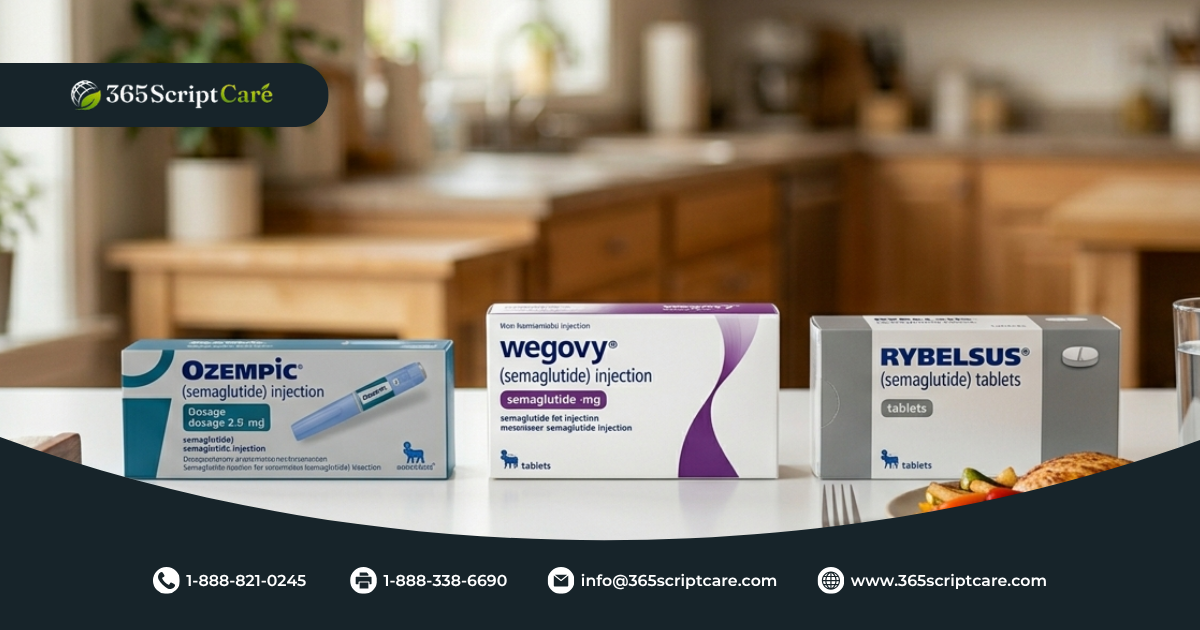
Ozempic and constipation often go hand in hand as patients begin their weight management journey with this GLP-1 receptor agonist medication. Semaglutide, the active ingredient in Ozempic, slows gastric emptying which helps control blood sugar levels and promotes weight loss but can lead to digestive challenges including constipation affecting approximately 5-10% of users. This side effect typically emerges within the first few weeks of treatment and may persist as the body adjusts to the medication’s effects on the gastrointestinal system. Proper hydration, dietary fiber intake, and regular physical activity can significantly reduce constipation symptoms while maintaining the therapeutic benefits of Ozempic treatment.
How Ozempic and Constipation Are Connected Through GI Effects

The relationship between Ozempic and digestive slowdown stems from the medication’s fundamental mechanism of action. When Semaglutide binds to GLP-1 receptors throughout the digestive tract, it triggers a cascade of effects that slow down the entire gastrointestinal system. This deliberate deceleration serves the primary purpose of blood sugar control by ensuring nutrients are absorbed more gradually, preventing rapid glucose spikes after meals.
The Science Behind Digestive Changes
- Delayed gastric emptying – Food remains in the stomach longer than usual
- Reduced intestinal motility – The muscular contractions that move food through the intestines become less frequent
- Altered gut hormone secretion – Changes in digestive hormone levels affect bowel movement patterns
- Modified appetite signals – The brain receives different hunger and satiety cues
Physical Symptoms Patients Experience
- Feeling of fullness that lasts longer after meals
- Bloating or abdominal discomfort
- Hard, dry stools that are difficult to pass
- Reduced frequency of bowel movements
- Straining during bathroom visits
The digestive slowdown varies significantly among individuals, with some experiencing mild changes while others face more pronounced effects. Body weight, pre-existing digestive conditions, and concurrent medications all influence how severely constipation manifests during Ozempic treatment.
Ozempic and Constipation Management Strategies That Work
Successfully managing digestive side effects while continuing Ozempic therapy requires a multifaceted approach tailored to individual needs. Most patients find relief through lifestyle modifications rather than additional medications, though severe cases may require medical intervention.
Dietary Modifications for Relief
The foundation of constipation management begins with strategic dietary choices that promote regular bowel movements without interfering with Ozempic’s beneficial effects.
- Increase soluble fiber gradually – Start with 5 grams daily and work up to 25-35 grams
- Prioritize water-rich foods – Cucumbers, watermelon, oranges, and lettuce add hydration
- Include probiotic sources – Yogurt, kefir, sauerkraut support gut health
- Limit constipating foods – Reduce processed items, excessive dairy, and refined carbohydrates
Hydration Guidelines
| Daily Water Intake | Activity Level | Additional Considerations |
|---|---|---|
| 64-80 oz | Sedentary | Add 8 oz for every caffeinated beverage |
| 80-100 oz | Moderate exercise | Increase during hot weather |
| 100-120 oz | Intense activity | Monitor urine color for hydration status |
Water intake becomes particularly crucial when taking Ozempic because the medication already slows digestive processes. Adequate hydration keeps stool soft and easier to pass while supporting overall metabolic function.
Looking to start your Ozempic treatment? You can choose to buy affordable Ozempic from trusted 365 Script Care that provides quality medications.
Physical Activity Solutions for Ozempic and Constipation Relief
Movement stimulates intestinal contractions and helps counteract the digestive slowdown caused by Semaglutide therapy. Regular exercise doesn’t need to be intense to provide digestive benefits.
Effective Exercise Options
Walking for 20-30 minutes after meals promotes natural digestive movement while helping blood sugar control. Yoga poses specifically targeting the abdomen, such as twists and forward bends, massage internal organs and encourage bowel movements. Swimming provides full-body movement without joint stress, making it ideal for individuals managing weight.
- Morning stretches – 5-10 minutes of gentle movement upon waking
- Post-meal walks – 15-minute strolls after eating
- Core strengthening – Planks and bridges support abdominal muscles
- Flexibility work – Hip circles and torso twists aid digestion
Creating a Sustainable Routine
Start with just 10 minutes of daily movement if you’re currently sedentary. Gradually increase duration and intensity as your fitness improves. The key lies in consistency rather than intensity, as regular moderate activity provides better digestive benefits than sporadic intense workouts.
Natural Remedies Supporting Ozempic and Constipation Treatment
Before turning to pharmaceutical interventions, many patients find success with gentle, natural approaches that complement their Ozempic therapy without causing additional side effects.
Herbal and Supplement Options
Psyllium husk powder mixed with water creates bulk that stimulates bowel movements naturally. Start with half a teaspoon daily and increase gradually to avoid gas and bloating. Magnesium citrate draws water into the intestines, softening stool and promoting regular elimination. Most adults benefit from 200-400mg taken at bedtime.
- Flaxseed – Ground seeds provide omega-3 fatty acids and fiber
- Chia seeds – Absorb water and create gel-like consistency aiding passage
- Prune juice – Natural sorbitol content provides gentle laxative effect
- Aloe vera juice – Soothes digestive tract and promotes regularity
Timing and Dosage Considerations
| Supplement | Starting Dose | Maximum Daily | Best Time to Take |
|---|---|---|---|
| Psyllium husk | 1/2 tsp | 2 tbsp | Morning with water |
| Magnesium citrate | 200mg | 400mg | Before bedtime |
| Ground flaxseed | 1 tbsp | 3 tbsp | Mixed with meals |
| Prune juice | 4 oz | 8 oz | Morning or evening |
Natural remedies work best when introduced gradually alongside dietary and lifestyle changes. Monitor your body’s response and adjust accordingly, as individual tolerance varies significantly.
Medical Interventions When Ozempic and Constipation Become Severe

Sometimes lifestyle modifications prove insufficient, requiring medical intervention to maintain comfortable bowel function while continuing Ozempic therapy. Healthcare providers can prescribe medications specifically designed to counteract medication-induced constipation.
Prescription Options Available
Prescription medications for constipation work through different mechanisms to restore regular bowel movements. Lubiprostone increases intestinal fluid secretion, making stool easier to pass. Linaclotide stimulates intestinal movement while reducing abdominal pain. Prucalopride enhances colonic motility without affecting gastric emptying.
- Osmotic laxatives – Draw water into intestines for softer stools
- Stimulant laxatives – Trigger intestinal contractions (short-term use only)
- Stool softeners – Add moisture to hard, dry stools
- Prokinetic agents – Enhance gut motility without interfering with Ozempic
When to Seek Medical Help
Contact your healthcare provider if constipation persists beyond two weeks despite home remedies, or if you experience severe abdominal pain, blood in stool, or complete inability to pass gas or stool. These symptoms may indicate complications requiring immediate attention.
Ready to manage your diabetes effectively while minimizing side effects? Buy cheap Ozempic online from Canada through 365 Script Care for significant savings and reliable service.
Long-term Outlook for Ozempic and Constipation Management
Most patients experience improvement in digestive side effects as their bodies adapt to Ozempic over several weeks to months. The initial adjustment period typically lasts 4-8 weeks, during which constipation symptoms gradually decrease in severity.
Adaptation Timeline
During weeks 1-2, digestive changes become noticeable as the medication begins working. Weeks 3-4 often mark peak constipation symptoms before improvement begins. By weeks 5-8, most patients report significant reduction in digestive discomfort. After three months, the majority achieve a comfortable balance between therapeutic benefits and manageable side effects.
- Early phase – Focus on hydration and gentle dietary changes
- Mid-phase – Introduce exercise and natural supplements as needed
- Maintenance phase – Establish sustainable routines for ongoing management
Dosage Adjustments and Alternatives
Some patients benefit from slower dose escalation, allowing more time for digestive adaptation between increases. Others find splitting doses or adjusting injection timing helps minimize constipation. Your healthcare provider can customize your treatment plan based on your response and tolerance.
Prevention Strategies Before Starting Ozempic and Constipation Treatment
Proactive measures taken before beginning Ozempic therapy can significantly reduce the likelihood and severity of constipation. Preparing your digestive system helps ease the transition period.
Pre-treatment Preparation
Begin increasing fiber intake two weeks before starting Ozempic to establish healthy bowel patterns. Gradually work up to recommended daily amounts to avoid gas and bloating. Start a regular exercise routine to promote natural digestive function. Document your current bowel habits to track changes once treatment begins.
Building Healthy Habits
| Preparation Step | Timeline Before Starting | Expected Benefit |
|---|---|---|
| Increase water intake | 2 weeks | Better hydration baseline |
| Add daily fiber | 2 weeks | Improved bowel regularity |
| Begin walking routine | 1 week | Enhanced gut motility |
| Track bowel patterns | 1 week | Baseline for comparison |
Establishing these habits before starting medication makes them easier to maintain during treatment. The investment in preparation pays dividends in reduced side effects and better overall treatment experience.
Monitoring and Adjustment Plans
Keep a symptom diary noting bowel movement frequency, consistency, and any discomfort. Track dietary intake, water consumption, and exercise to identify patterns. Share this information with your healthcare provider to optimize your treatment plan.
For convenient access to your diabetes medications with expert guidance, buy cheap Ozempic options through 365 Script Care, offering substantial cost savings.
Key Takeaways for Managing Digestive Effects
Successfully navigating Ozempic therapy while minimizing constipation requires patience, preparation, and proactive management. The digestive slowdown that causes constipation serves the important purpose of blood sugar control and weight management, making complete elimination of this side effect unlikely and potentially counterproductive.
Most patients achieve comfortable bowel function through simple lifestyle modifications including adequate hydration, dietary fiber, and regular physical activity. The adjustment period typically resolves within two months as the body adapts to the medication’s effects. Natural remedies provide gentle relief for mild to moderate symptoms, while medical interventions remain available for severe cases.
Working closely with healthcare providers ensures optimal dosing strategies that balance therapeutic benefits with manageable side effects. Individual responses vary significantly, making personalized treatment plans essential for success. The long-term benefits of improved blood sugar control and weight loss generally outweigh temporary digestive discomfort for most patients.
Remember that constipation represents a common, manageable side effect rather than a reason to discontinue beneficial treatment. With proper strategies and support, patients can maintain comfortable digestive function while achieving their health goals through Ozempic therapy.
Frequently Asked Questions
How to Treat Constipation on Ozempic?
Treating constipation while taking Ozempic involves multiple approaches working together for optimal relief. Start by increasing daily water intake to at least 64 ounces, spacing consumption throughout the day rather than drinking large amounts at once. Add soluble fiber gradually through foods like oatmeal, apples, and beans, or consider a psyllium husk supplement starting with small doses. Regular physical activity, particularly walking after meals, stimulates intestinal movement naturally. If these measures prove insufficient, over-the-counter polyethylene glycol or magnesium citrate can provide additional relief. Severe or persistent constipation warrants consultation with your healthcare provider for prescription options or dosage adjustments.
What Simple Trick Empties Your Bowels Immediately?
The squatting position represents one of the most effective immediate relief techniques for constipation. Elevating your feet on a small stool while sitting on the toilet straightens the rectal angle, making elimination easier and more complete. Drinking warm water with lemon first thing in the morning stimulates digestive reflexes and promotes bowel movements within 30 minutes for many people. Gentle abdominal massage in clockwise circles for 5-10 minutes can trigger the gastrocolic reflex. Deep breathing exercises while on the toilet help relax pelvic floor muscles that may be tensing unconsciously. These techniques work best when combined with ongoing management strategies rather than relied upon as sole solutions.
Should I Keep Eating if Constipated?
Continuing to eat regularly during constipation remains important for maintaining digestive rhythm and preventing further complications. Focus on smaller, more frequent meals rather than large portions that may worsen bloating and discomfort. Prioritize easily digestible foods including cooked vegetables, lean proteins, and whole grains while temporarily limiting foods that slow digestion such as cheese, red meat, and processed items. Warm soups and broths provide nutrition while adding beneficial fluids. Avoid the temptation to skip meals, as this can worsen constipation by disrupting normal digestive patterns. If appetite decreases significantly, concentrate on nutrient-dense options that provide maximum benefit in smaller volumes.
How to Speed Up Digestion on Ozempic?
Accelerating digestion while taking Ozempic requires strategic timing and food choices that work with the medication rather than against it. Eat smaller portions spread across 4-6 meals daily instead of three large meals to reduce digestive burden. Choose easily digestible proteins like fish and poultry over red meat, and opt for cooked vegetables rather than raw ones initially. Time your most substantial meal for midday when digestive function peaks naturally. Incorporate digestive enzymes or apple cider vinegar before meals to support breakdown and absorption. Avoid lying down for at least two hours after eating to allow gravity to assist digestion. Regular meal timing helps establish predictable digestive patterns despite the medication’s slowing effects.
How to Debloat on Ozempic?
Reducing bloating associated with Ozempic involves identifying and eliminating trigger foods while supporting healthy gut function. Common culprits include carbonated beverages, artificial sweeteners, and high-FODMAP foods like onions, garlic, and certain fruits. Replace these with low-FODMAP alternatives that cause less gas production. Peppermint tea or enteric-coated peppermint oil capsules can relax intestinal muscles and reduce bloating sensations. Gentle twisting yoga poses help release trapped gas while promoting overall digestive movement. Eating slowly and chewing thoroughly reduces air swallowing that contributes to bloating. Consider a daily probiotic supplement to support beneficial gut bacteria balance. Track symptoms to identify personal triggers, as individual responses vary considerably.
How Does Gastroparesis Feel?
Gastroparesis, or delayed stomach emptying, creates a constellation of uncomfortable symptoms that can mimic or worsen Ozempic side effects. Patients typically describe feeling full after eating only small amounts, with the sensation lasting hours longer than normal. Nausea occurs frequently, particularly in the morning or after meals, sometimes accompanied by vomiting of undigested food. Upper abdominal pain or discomfort ranges from mild pressure to sharp cramping sensations. Bloating creates visible abdominal distension that worsens throughout the day. Heartburn and acid reflux increase as food remains in the stomach longer. Appetite loss develops as the stomach fails to empty properly between meals. These symptoms fluctuate in severity but generally worsen with larger meals or hard-to-digest foods.
Do You Still Poop With Gastroparesis?
Gastroparesis affects stomach emptying but doesn’t completely stop bowel movements, though patterns change significantly. The delayed gastric emptying slows the entire digestive process, leading to less frequent bowel movements that may occur every 2-4 days instead of daily. Stool consistency often alternates between constipation and loose stools as digestive timing becomes irregular. Some patients experience incomplete evacuation feelings despite having bowel movements. The unpredictable nature of gastroparesis means bowel patterns fluctuate based on symptom severity, dietary choices, and medication effectiveness. Small, frequent meals of easily digestible foods help maintain more regular elimination. Staying hydrated and including soluble fiber supports bowel function despite slowed gastric emptying. Medical management may include medications that enhance gut motility throughout the entire digestive tract.