GLP‑1 Semaglutide postpartum weight loss is becoming a growing topic of interest for new mothers looking for effective ways to manage their weight after giving birth. Navigating the postpartum period involves not only physical healing and emotional adjustment, but also the pressure of returning to a healthy weight. While many turn to diet and exercise, there is increasing attention on medical options that support long-term weight loss. The shift toward using GLP-1 receptor agonists such as Semaglutide and other medications is influenced by their success in managing blood sugar and supporting significant weight reduction.
Many new mothers find it challenging to prioritize themselves while caring for a newborn. Between sleepless nights, hormonal changes, and body transformation, the journey to achieving pre-pregnancy weight can feel overwhelming. The introduction of GLP-1 medications in this context opens up new possibilities. These medications work on multiple pathways that influence appetite, digestion, and blood sugar, which can contribute to a more manageable weight loss journey.
Still, questions remain about the safety and effectiveness of using these treatments during this critical time. Concerns about breastfeeding, hormonal recovery, and postpartum healing require thoughtful attention. It is important to examine how medications like Semaglutide, Wegovy, and Ozempic fit into the postpartum landscape.
Are GLP-1 Medications Safe for New Moms?

GLP-1 Semaglutide is a type of medication that can help with postpartum GLP‑1 weight management, meaning it helps moms lose weight after having a baby. However, this medicine is usually not safe for new moms to take during pregnancy or while breastfeeding. Studies show it can cause problems for the baby, like growth issues or birth defects, especially if taken during pregnancy. Because of this, doctors advise not using GLP-1 Semaglutide while pregnant. Women who could get pregnant should use birth control if they are taking this medicine.
For moms who are breastfeeding, there is not enough information to know if GLP-1 Semaglutide is safe. It might pass into breast milk and could harm the baby. So, it’s best not to take GLP-1 Semaglutide while breastfeeding. Doctors usually suggest waiting until after breastfeeding is finished before starting this medicine.
Even though GLP-1 Semaglutide can be helpful for weight loss medication for postpartum and controlling blood sugar after pregnancy, the risks to the baby are too high during pregnancy and breastfeeding. There are safer ways for new moms to lose weight that a doctor can recommend.
Can You Take GLP-1 After Having a Baby?
For new mothers who are not breastfeeding, the option of initiating a GLP-1 medication like Semaglutide may be available under close medical supervision. Timing is key, and most doctors recommend waiting until the body has healed from childbirth before starting any weight management medications. Factors such as method of delivery (vaginal or cesarean), presence of postpartum complications, and hormonal stabilization may influence this decision.
Those who had a complicated pregnancy or experienced gestational diabetes may also undergo further evaluation before beginning GLP-1 therapy. It is important to have a full medical history review to ensure that new mothers weight loss drugs GLP‑1s do not interfere with postpartum healing or other existing conditions. Weight loss plans must always be done under the guidance of a licensed medical provider who can assess readiness and appropriateness.
How Do People Lose Weight So Fast After Having a Baby?
Weight loss after childbirth is influenced by multiple factors. In the early weeks, women naturally lose some weight due to the expulsion of the placenta, reduction in amniotic fluid, and fluid shifts in the body. Breastfeeding can also increase calorie expenditure, although its impact varies.
However, many new mothers retain additional body fat gained during pregnancy, and losing this weight may take months or longer. Factors that influence postpartum weight loss include genetics, physical activity, dietary habits, stress levels, sleep quality, and hormonal changes. In some cases, lifestyle changes alone may not be sufficient, especially when hormonal or metabolic imbalances contribute to weight retention.
This is where GLP-1 medications may play a role. By improving blood sugar regulation, curbing appetite, and slowing gastric emptying, these drugs help individuals feel fuller with smaller portions and reduce overall caloric intake. GLP‑1 injections after pregnancy may support healthy weight reduction for eligible patients who need more than just diet and exercise to see results.
Can You Use Ozempic After Pregnancy?
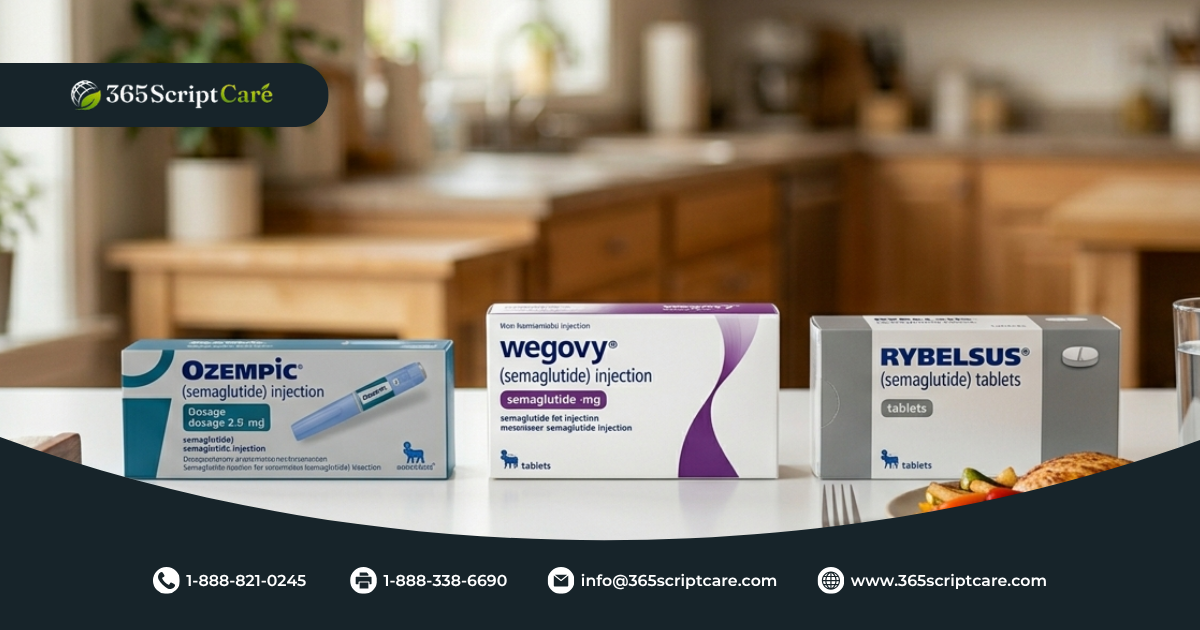
Ozempic (Semaglutide) is commonly prescribed for Type 2 Diabetes but is also used off-label for weight management in some cases. Its sister medication, Wegovy, is specifically approved for chronic weight management in individuals with obesity or overweight with at least one weight-related condition.
When it comes to Ozempic and pregnancy, doctors generally advise against using the medication during pregnancy. Research on its safety for pregnant women is limited, and animal studies have suggested potential risks to fetal development. Because of these concerns, most healthcare providers recommend discontinuing Ozempic before trying to conceive and avoiding it throughout pregnancy.
New mothers who are not nursing and are medically cleared may be candidates for Ozempic as part of a structured weight loss plan. Timing and dosage must be carefully managed. It’s not uncommon for doctors to start patients on a lower dose and gradually increase it based on tolerance and progress.
Safety in the postpartum period largely depends on individual health status. Mothers who had gestational diabetes or pre-existing metabolic conditions may benefit from GLP-1 support. However, if breastfeeding is ongoing, caution is required due to the unknowns surrounding Semaglutide breastfeeding considerations for nursing infants. Doctors typically recommend waiting until weaning before starting medications like Ozempic or Wegovy.
Benefits and Risks of GLP-1 Medications for Postpartum Weight Loss
The use of GLP-1 medications postpartum may offer several benefits when used under proper supervision:
Appetite Regulation and Reduced Cravings
One of the main ways GLP-1 medications support weight loss is by helping reduce appetite. Many postpartum women experience intense hunger due to hormonal shifts and breastfeeding demands. These medications can make it easier to feel full with smaller meals and reduce mindless snacking.
Improved Blood Sugar and Insulin Sensitivity
Pregnancy can cause temporary insulin resistance, especially in women who develop gestational diabetes. GLP-1s can help stabilize blood sugar levels, which may prevent energy crashes and reduce the likelihood of developing type 2 diabetes later on.
Steady, Sustainable Weight Loss
Unlike fad diets or extreme workout plans, GLP-1s support gradual weight loss. This slow, steady pace is important for new mothers who need to avoid drastic drops in energy or muscle loss, especially while adjusting to life with a newborn.
Possible Mental Health Boost
Weight struggles after pregnancy can negatively affect a woman’s self-image. By helping to ease weight-related stress, GLP-1s may offer emotional relief. Additionally, better blood sugar control and appetite stability may improve mood swings that can occur postpartum.
May Lower the Risk of Future Health Issues
Losing excess postpartum weight with the help of GLP-1 medications may lower long-term risks of cardiovascular disease, joint problems, and metabolic conditions. This benefit is especially relevant for women who entered pregnancy already carrying extra weight.
Risks and Considerations of GLP-1 Medications After Pregnancy
Breastfeeding Safety Is Unclear
One of the biggest concerns is whether these medications are safe for women who are breastfeeding. Since the effects on breastfed infants haven’t been thoroughly studied, most healthcare providers recommend waiting until after weaning before starting any GLP-1 treatment.
Gastrointestinal Side Effects
Nausea, vomiting, diarrhea, and constipation are common side effects, especially during the first few weeks of treatment. These symptoms can make it difficult for new moms to eat well, stay hydrated, or care for their baby.
Potential Impact on Energy Levels
GLP-1s can sometimes cause fatigue or dizziness. For women already feeling exhausted from caring for a newborn, these side effects may make daily tasks more difficult.
Weight Loss May Be Too Rapid
Although steady loss is the goal, some users experience quick drops in weight. If a new mom is already struggling to meet her body’s nutritional needs—especially if breastfeeding—this could lead to nutrient deficiencies, low milk supply, or worsened postpartum recovery.
Mood Changes
While weight loss might help some feel better emotionally, others may experience irritability or low mood, especially if they struggle with the restrictive eating that can come with reduced appetite.
Cost and Accessibility
GLP-1 medications can be expensive and may not be covered by insurance in all cases. For many new mothers, financial constraints could make these treatments hard to access or continue long term.
Not a Replacement for Lifestyle Changes
Relying solely on medication without addressing food choices, physical activity, and sleep quality can lead to disappointing results once the medication is stopped. A complete wellness plan is still essential.
Every new mother considering GLP-1s must work with a medical provider to assess the appropriateness of the treatment. The conversation should also include evaluating GLP‑1 injections vs lifestyle postpartum, considering both medical and personal lifestyle factors.
How Long Does It Take to See Results with GLP-1 Medications?
Weight loss timelines with GLP-1s vary by individual. Most patients start to notice changes in appetite within the first few weeks. Physical weight loss typically begins within the first month and becomes more visible after 8 to 12 weeks, assuming consistent use and supportive lifestyle habits.
For postpartum women, expectations should be aligned with overall health recovery. Rapid weight loss is not always the goal, especially in the early months following delivery. GLP-1s are best viewed as a long-term tool for weight management. Semaglutide for postpartum weight loss should be approached as a step-by-step journey rather than a quick fix.
Most medical providers recommend combining the medication with regular physical activity, balanced nutrition, hydration, and sleep. These foundational habits enhance the effect of GLP-1s and promote lasting results.
A Balanced Approach to Postpartum Weight Loss

Returning to a healthy weight after pregnancy is a deeply personal journey. While some mothers lose weight quickly, others face greater challenges. GLP-1 medications like Semaglutide and Tirzepatide have emerged as powerful tools for those needing added support, but they must be used responsibly and under medical guidance.
By combining medical treatments with lifestyle practices and emotional support, new mothers can achieve sustainable and safe weight loss. The decision to use medications should always be grounded in professional advice and informed by personal goals.
Buy cheap Ozempic online from Canada through 365 Script Care. Our prescription referral service connects patients to a contracted pharmacy department offering reliable access to medications. Shipments are made directly to your residence within 7 to 10 business days for personal use only.
Frequently Asked Questions
When can I take Ozempic after a C-section?
It’s important to consult with your healthcare provider before starting Ozempic after a C-section. Most doctors recommend waiting until your body has had adequate time to recover from surgery, especially if you’re breastfeeding or have other postpartum complications.
Can I take Mounjaro after having a baby?
Mounjaro may be considered postpartum, but only under medical supervision. Factors like breastfeeding, hormone levels, and overall recovery must be assessed before starting any GLP-1 medication after childbirth.
Is it safe to use GLP-1 medications while breastfeeding?
GLP-1s like Ozempic, Wegovy, and Mounjaro are not recommended during breastfeeding due to limited data on their safety for infants. Always discuss potential risks with your doctor before use.
Do GLP-1s affect postpartum hormones or menstrual cycles?
Some women report changes in menstrual cycles while on GLP-1 medications. Hormonal shifts are already common after pregnancy, so any noticeable changes should be evaluated by a healthcare provider.
How soon after giving birth can I start a weight loss program with GLP-1s?
Postpartum recovery timelines vary, but most experts recommend focusing on rest and nutrition during the first 6–8 weeks. After that, your doctor can help you determine if GLP-1 support is appropriate based on your health status and goals.