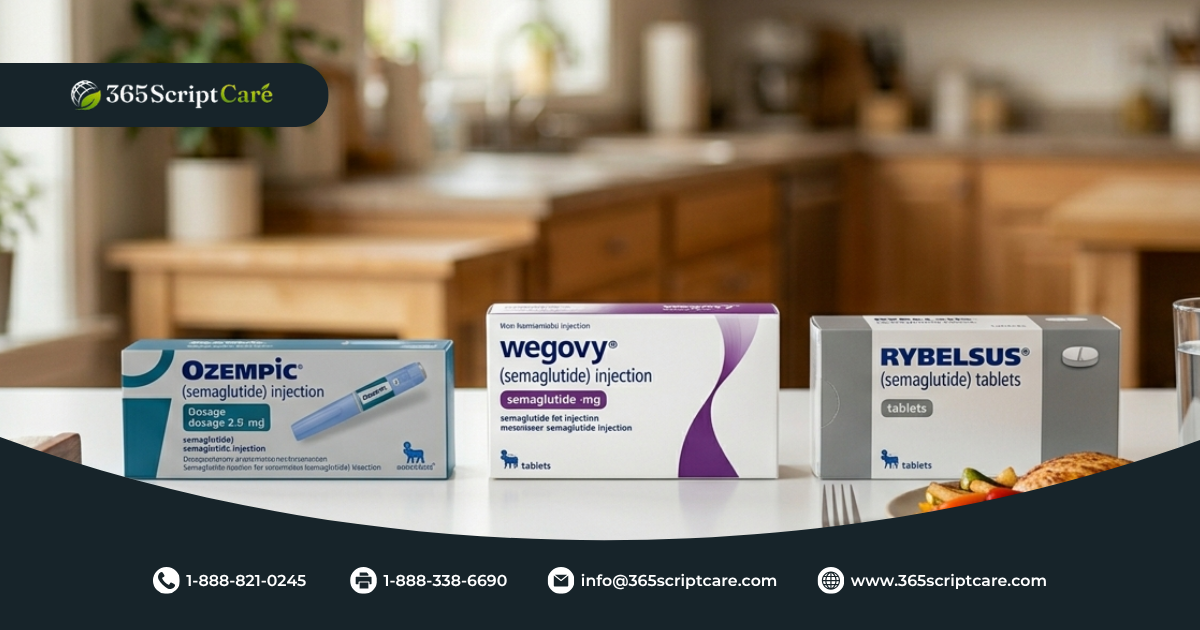
Ozempic is a medication primarily used for managing type 2 diabetes, but it has gained attention for its effects on weight loss. The medication works by regulating blood sugar and appetite, which can result in reduced calorie intake and gradual weight reduction. Many individuals notice changes in how full they feel after meals, which helps in controlling portions and making healthier food choices.
Before starting Ozempic for weight management, it is important to consider lifestyle factors, existing health conditions, and potential benefits. Pairing the medication with proper diet and physical activity can enhance results and provide sustainable outcomes. Observing early effects on appetite and weight can also help determine the best approach for each individual.
Is Ozempic Safe for Weight Loss

Yes, Ozempic (Semaglutide) is generally considered safe for weight loss when used under the supervision of a healthcare provider. Although it is primarily approved to treat type 2 diabetes, many people use it off-label or are prescribed it to support weight management. It works by mimicking the GLP-1 hormone, which helps regulate appetite, increase feelings of fullness, slow digestion, and support better blood sugar control. These effects can lead to reduced calorie intake and gradual weight loss.
While it is effective, it can cause side effects, particularly when starting treatment. Common issues include nausea, vomiting, diarrhea, constipation, or bloating. For most people, these side effects are temporary and improve as the body adjusts to the medication. Rare but serious side effects may include pancreatitis, gallbladder problems, or thyroid tumors, making it important for individuals with a history of these conditions to consult their doctor before use.
Monitoring and guidance from a healthcare provider are essential to ensure safety. Starting at a low dose and gradually increasing it can reduce the likelihood of side effects. Regular check-ups to monitor blood sugar, kidney function, and overall health are also recommended, especially for individuals with diabetes or other underlying health conditions.
Who Should Avoid Ozempic
The following groups of people should avoid using Semaglutide:
- People with a personal or family history of medullary thyroid carcinoma (MTC) or multiple endocrine neoplasia syndrome type 2 (MEN 2). It carries a boxed warning for the risk of thyroid tumors and thyroid cancer and is contraindicated for these individuals.
- Individuals who have had an allergic reaction to the medication or any of its ingredients should not take it to avoid serious allergic reactions.
- Women who are pregnant, planning pregnancy, or breastfeeding should avoid the medication since its safety in these conditions is not established.
- People with a history of pancreatitis or pancreas problems should avoid the medication due to the risk of worsening pancreatitis.
- Those with gallbladder problems may face worsened conditions from Semgalutide use and should consult a doctor before using it.
- Patients with severe kidney issues or dehydration risks due to side effects like vomiting or diarrhea should be cautious or avoid the medication.
- People with type 1 diabetes should not use the medication, as it is approved for type 2 diabetes and weight management.
How Long Should a Person Stay on Ozempic for Weight Loss?
The duration of Semaglutide use depends on individual goals and medical guidance. Some patients may use it for several months, while others may continue longer for sustained weight management. Healthcare providers often recommend ongoing evaluation to ensure the medication remains effective and safe.
Long-Term Considerations
Regular check-ins help track weight changes, monitor weight loss with Ozempic, and adjust strategies as needed. Patients should also maintain healthy eating habits and physical activity to support ongoing success. Observing Ozempic health benefits alongside potential side effects ensures a balanced approach to long-term use.
Monitoring Progress
Tracking body weight, waist circumference, and appetite changes helps determine the effectiveness of the medication over time. This data allows for tailored adjustments in both lifestyle and medication use.
Adjusting Dosage Safely
Healthcare providers may recommend dosage modifications to optimize weight loss and minimize side effects. Gradual adjustments help maintain tolerance while improving outcomes.
How to Use Ozempic for Weight Loss
Using Ozempic for non-diabetics has become more common for weight loss, although it is officially approved for type 2 diabetes. Non-diabetic individuals taking Ozempic for weight management follow a similar dosing schedule, with careful medical supervision to ensure safety and effectiveness. The medication works by mimicking the GLP-1 hormone, which helps reduce appetite, increase feelings of fullness, and slow digestion, supporting gradual and sustainable weight loss even in people without diabetes.
Typical Ozempic Dosing Schedule for Weight Loss
- Weeks 1–4: Start with 0.25 mg injected once weekly. This low dose allows the body to adjust and helps minimize side effects like nausea.
- Weeks 5–8: Increase to 0.5 mg once weekly. This dose continues to support appetite regulation and weight management.
- After 8 weeks: The dose can be increased to 1 mg once weekly, depending on tolerance and response.
- Maximum dose: Some individuals may increase to 2 mg once weekly if needed, under the guidance of a healthcare provider.
Administration
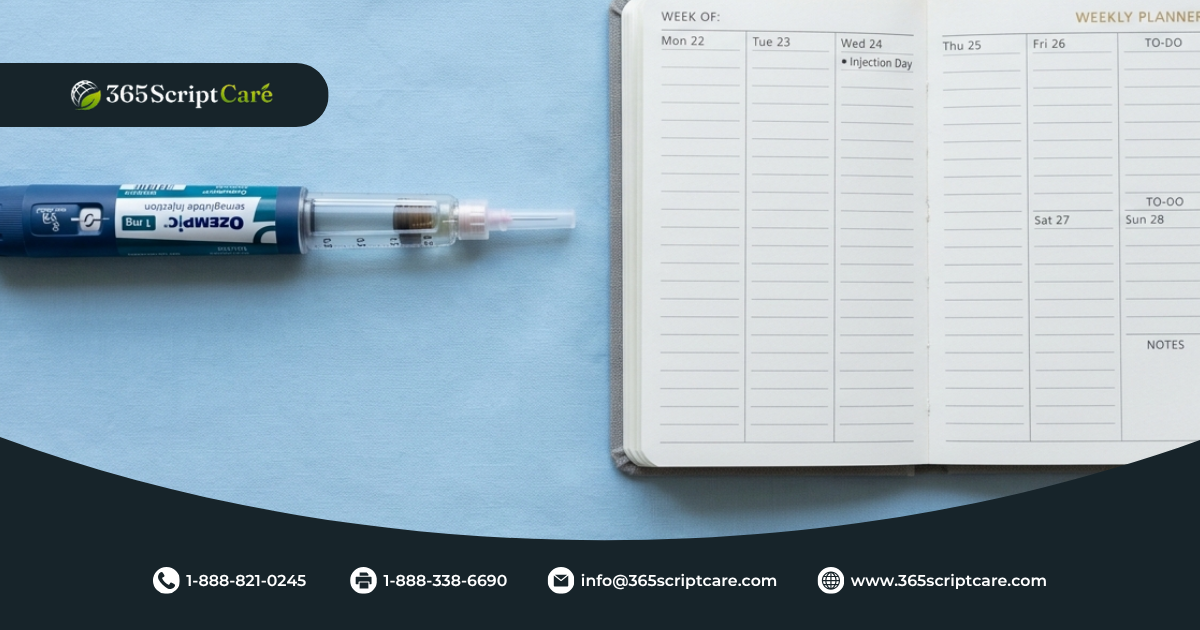
Ozempic injections are given subcutaneously (under the skin) in the abdomen, thigh, or upper arm. It’s important to take the injection on the same day each week for consistency. A healthcare provider will monitor response, side effects, and weight loss progress to determine the optimal maintenance dose that maximizes weight loss while minimizing side effects.
Even for non-diabetics, combining Ozempic with a balanced diet and regular exercise enhances results and promotes sustainable, long-term weight management.
Will Ozempic Help to Lose Belly Fat?
Yes, Ozempic (Semaglutide) can help reduce belly fat as part of overall weight loss, but it does not target fat in specific areas of the body. It works by mimicking the GLP-1 hormone, which helps control appetite, increase feelings of fullness, and slow digestion. This leads to a reduction in overall calorie intake, gradual weight loss, and, over time, a decrease in visceral fat, which is the fat stored around the abdomen.
While taking the medication, many people notice a reduction in waist circumference and abdominal fat because the medication encourages a calorie deficit combined with healthier eating patterns. However, results vary depending on individual metabolism, lifestyle habits, and adherence to a balanced diet and regular physical activity.
To maximize belly fat reduction, it’s important to combine Ozempic with:
- Cardiovascular exercises like walking, jogging, cycling, or swimming, which help burn fat throughout the body.
- Strength training to preserve lean muscle mass and boost metabolism.
- Balanced nutrition focused on whole foods, lean proteins, vegetables, and healthy fats.
How Much Weight Can I Lose in a Month with Ozempic?
When using Ozempic, weight loss typically begins gradually and accumulates over time, and many people notice Ozempic first month results within the initial weeks of treatment. In the first month, patients usually lose about 1 to 3 pounds per week, which translates to roughly 4 to 12 pounds within that period. This early weight loss is influenced by the starting lower dose of the medication as well as healthy lifestyle changes such as improved diet and regular exercise.
As use continues, weight loss tends to progress steadily, often becoming more pronounced with increased dosage and consistent lifestyle habits. After about three months, many individuals lose around 5–6% of their body weight, which could be approximately 10 to 15 pounds depending on starting weight and activity level. The most significant results typically occur over a longer period, with some people experiencing up to 15–20% total body weight reduction when it is combined with diet and exercise.
How to Get Ozempic for Weight Loss

It should be obtained through a licensed healthcare provider. A medical evaluation ensures that the medication is suitable for the patient’s health profile and weight loss goals. Consulting a professional also provides guidance on proper dosing, administration, and monitoring for potential side effects.
Steps to Obtain Ozempic
- Schedule a consultation with a healthcare provider.
- Discuss weight management goals and medical history.
- Receive a prescription and instructions for use.
- You can also get Ozempic online through 365 Script Care, a prescription referral service that connects patients with licensed providers for safe and convenient access.
Final Thoughts
It can support weight management when used under medical supervision and combined with healthy lifestyle practices. Monitoring progress, adhering to dosage schedules, and maintaining a balanced diet and exercise routine are crucial for effective outcomes. Patients should be aware of potential Ozempic side effects and consult healthcare providers to ensure safe use.
Buy Ozempic online from Canada through 365 Script Care. Accessing a reliable source ensures proper guidance and medication quality while supporting effective weight management. Following professional advice and maintaining healthy habits allows individuals to achieve sustainable and measurable weight loss results.