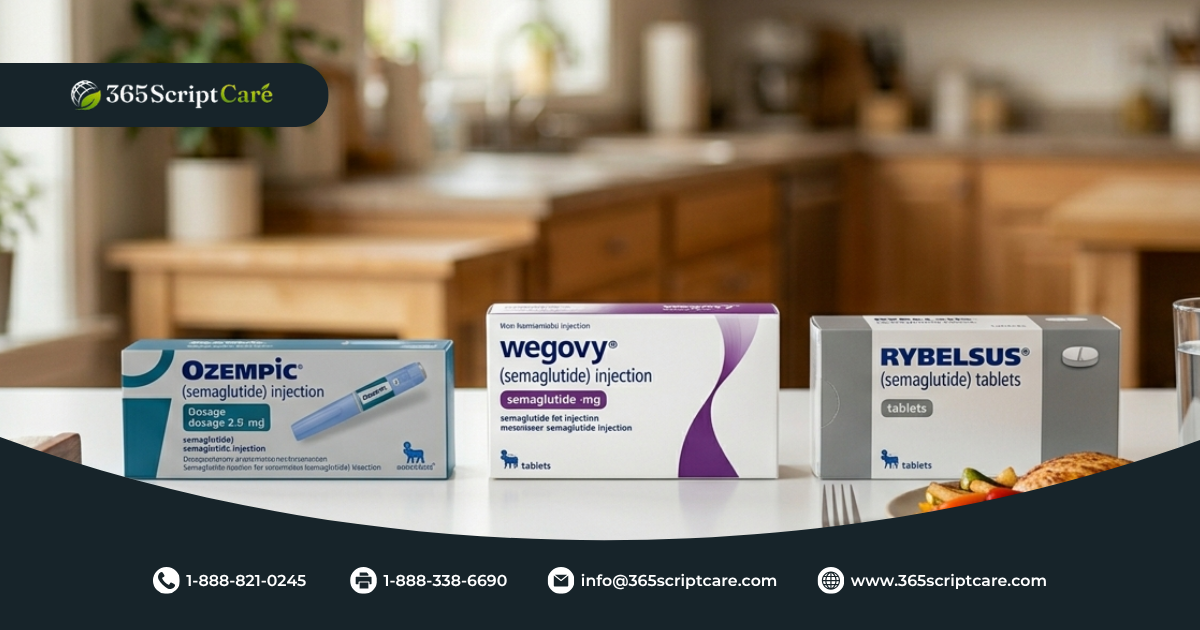
Semaglutide is one of the most talked about medicines in recent years because of its role in weight care and diabetes treatment. It did not appear overnight. Instead, it is the product of many years of study about how natural hormones in the body affect blood sugar, appetite, and digestion. Scientists focused on GLP-1, a hormone that helps control how much insulin is released and how full a person feels after eating. After years of refining and testing, Semaglutide was created to last longer in the body and deliver stronger effects compared to older treatments.
Today, Semaglutide is widely used for both type 2 diabetes and weight management, but it has a longer history than most people realize. Its timeline includes decades of research, clinical studies, and eventual approval for medical use. Looking at this history gives patients and providers a clearer picture of where it came from and why it has become such an important option in modern medicine.
How Long Has Semaglutide Been Around?

Semaglutide was developed as part of research into GLP-1 receptor agonists, which began many years ago. Early work on GLP-1 biology started in the 1970s and 1980s, but it wasn’t until the 1990s that pharmaceutical companies began creating versions of this hormone that could be used as medicine. The main challenge was that the natural hormone is broken down quickly by enzymes in the body. Scientists had to design longer-lasting versions that could survive long enough to have a therapeutic effect.
After many years of study, Semaglutide was created and entered clinical trials in the early 2000s. These trials tested its safety, dosing, and effectiveness for controlling blood sugar in people with type 2 diabetes. By 2017, it was introduced to patients under the brand name Ozempic as a once-weekly injection for diabetes management. Later, larger trials showed that higher doses of Semaglutide also worked for weight management, which led to the approval of Wegovy in 2021. This made Semaglutide the first medicine of its kind to be used at different strengths for two major health issues.
When looking at how long Semaglutide has been on the market, it is still relatively new compared to older diabetes drugs like insulin or metformin. However, its scientific foundation goes back decades, and it is considered one of the most advanced treatments in its category.
Does Semaglutide Age Your Face?
A common concern that has been raised is whether Semaglutide “ages” the face. This idea is tied to the changes that happen when people lose weight, sometimes referred to as “Ozempic face.” When the body loses fat quickly, the fat under the skin in the face also decreases. This can make the skin appear looser, with more visible lines, hollows, or sagging.
The key point is that Semaglutide itself does not chemically age the skin or cause wrinkles directly. Instead, the effect is a result of fat loss, which changes facial volume. Any rapid or significant weight loss, whether from diet, surgery, or medication, can create these changes. For some people, this shift in appearance is more noticeable because the face loses volume faster than other parts of the body.
There are ways to manage these changes. A slower rate of weight loss may help the skin adjust gradually. Staying hydrated, eating protein-rich foods, and maintaining muscle through exercise can also support skin and tissue health. In some cases, dermatology or cosmetic procedures may restore facial volume if desired. It is important for patients to know that this effect is not dangerous but rather a cosmetic change linked to weight reduction.
When Did Ozempic Become Popular?
Ozempic was first available in 2017 for patients with type 2 diabetes. In the early years, it was mainly known among doctors and patients who needed better blood sugar control. Its popularity outside of diabetes care began growing around 2021, when more attention was given to its weight loss benefits. The introduction of Wegovy, a higher-dose version of Semaglutide, drew even more attention as people began seeing strong results in weight loss trials.
The rise in demand was also influenced by media coverage, celebrity discussions, and widespread use of social media platforms where people shared personal experiences. By 2022 and 2023, Ozempic had become a household name, with demand sometimes outpacing supply. This led to increased awareness not just for people with diabetes but also for those exploring weight management.
The point at which Ozempic became popular for weight loss was not at its initial release but several years later. Today, it is seen as one of the leading options in both diabetes and weight care, with ongoing discussions about access, supply, and proper prescribing.
What Is The Truth About Semaglutide?
The truth about Semaglutide lies in both its strengths and its limitations. On the positive side, it is one of the most effective medicines available for type 2 diabetes and weight management. Studies show that people on Semaglutide can lose a significant percentage of body weight, often more than with other medications. It also helps lower blood sugar, improve insulin sensitivity, and reduce risks for heart-related complications in people with diabetes.
However, it is not a perfect solution for everyone. The most common side effects are gastrointestinal, including nausea, vomiting, constipation, and diarrhea. These are often worse in the first few weeks and tend to improve as the body adjusts. In rare cases, more serious complications can occur, so medical supervision is necessary.
Another truth is that weight loss results are not guaranteed. Some people lose a large amount of weight, while others lose less. The medicine works best when combined with healthy eating and physical activity. It is also a treatment, not a cure—stopping Semaglutide often leads to weight regain if lifestyle changes are not maintained.
When people ask about the real facts about Semaglutide, it comes down to balanced expectations: it is highly effective, but it requires commitment, monitoring, and ongoing care.
Which Is Better, Ozempic Or Wegovy?

Ozempic and Wegovy both contain the same active ingredient, semaglutide, but they are approved for different uses and have some differences in dosing and effects. Wegovy is specifically approved and marketed for long-term weight loss management, while Ozempic is approved primarily to treat type 2 diabetes, with weight loss being a secondary effect.
Key Differences Between Ozempic and Wegovy
- Ozempic is for managing blood sugar in type 2 diabetes and reducing heart disease risk in diabetes patients. Wegovy is approved for chronic weight management in adults with obesity or overweight with additional metabolic problems.
- Wegovy is prescribed at a higher dose (up to 2.4 mg weekly) compared to Ozempic (up to 2 mg weekly). The higher dose with Wegovy contributes to more significant weight loss.
- Studies suggest Wegovy leads to greater weight loss, with about 15% body weight reduction (around 35 lbs) over about 68 weeks. Ozempic users lose around 14 lbs on average over 40 weeks at the highest dose.
- Insurance Coverage: Ozempic is more often covered for diabetes treatment, while Wegovy coverage for weight loss varies.
Effectiveness and Use Cases
- Wegovy may be better for those whose primary goal is weight loss due to its higher dosage and specific approval for this purpose.
- Ozempic may be preferable for individuals with type 2 diabetes who benefit both from blood sugar control and some weight loss.
- Both drugs reduce appetite and slow digestion, aiding in weight loss.
- Side effects are similar, mainly gastrointestinal (e.g., nausea), but some sources note slightly higher rates with Wegovy.
Final Thoughts
Semaglutide has a longer history than most people realize. Its development started decades ago with research into GLP-1 hormones, and it was first introduced in 2017 under the name Ozempic. Since then, it has grown into one of the most important medicines for both diabetes and weight management. While it can bring great benefits, it also comes with side effects, and results vary from person to person. Clear guidance, proper medical supervision, and realistic expectations are key for anyone considering this treatment.
If you are interested in trying this medicine, you can buy Ozempic online from Canada through 365 Script Care. Always make sure you work with a trusted provider who can monitor your progress, explain potential side effects, and adjust your treatment when needed. With the right support, Semaglutide can be a powerful part of managing your health and reaching long-term goals.