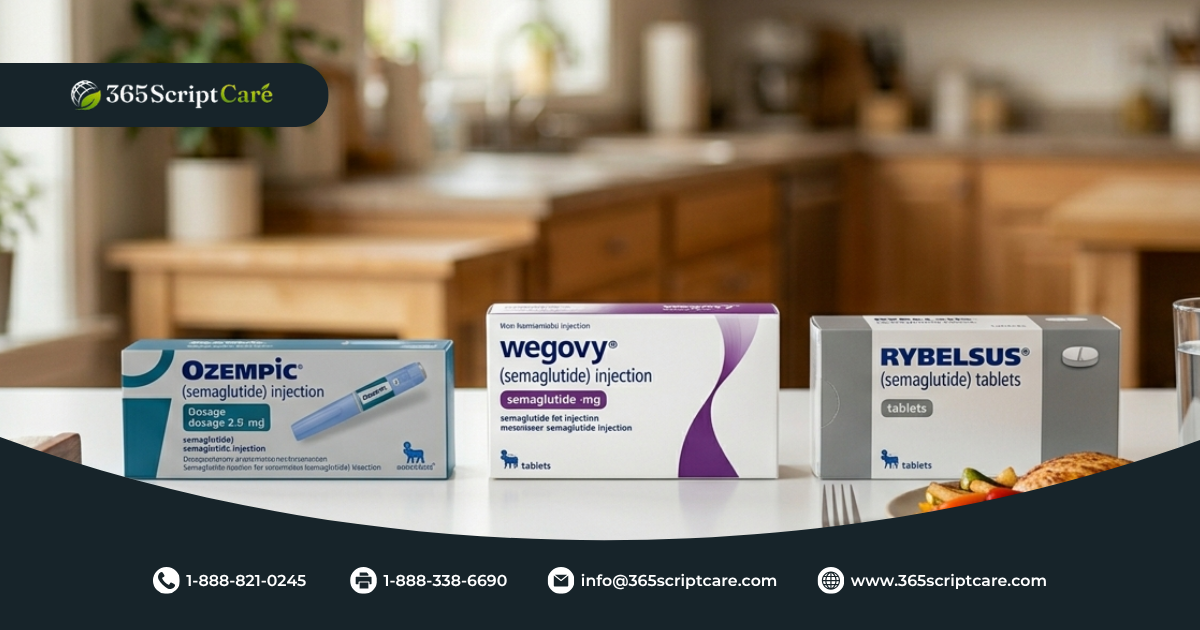
How long does it take Rybelsus to work varies among individuals, but most people begin noticing initial effects within the first two to four weeks of starting treatment. Rybelsus, an oral form of Semaglutide, works by mimicking GLP-1 hormones that regulate blood sugar levels and appetite. The medication follows a gradual dose escalation schedule, starting at 3mg daily for the first month before increasing to therapeutic doses. Blood sugar improvements often appear within days to weeks, while significant weight loss typically becomes noticeable after eight to twelve weeks of consistent use. Full therapeutic benefits, including optimal blood sugar control and maximum weight reduction, generally develop over three to six months as the body adjusts to the medication.
How Long Does It Take Rybelsus to Work – Timeline and Results
The timeline for Rybelsus effectiveness follows a predictable pattern that helps patients set realistic expectations for their treatment journey. During the initial phase of treatment, the medication begins working at a cellular level immediately after the first dose, though noticeable effects take time to manifest.
Week 1-2 – Early Adjustments
Your body starts responding to Rybelsus within the first few days as the medication begins influencing GLP-1 receptors. Many patients experience mild gastrointestinal effects during this period, which actually indicates the medication is beginning to work.
Key changes during this period include:
- Mild nausea or stomach discomfort signaling medication activity
- Initial appetite suppression beginning to develop
- Feeling fuller after consuming smaller meal portions
- Slight changes in food preferences or cravings
- Adjustment of digestive patterns and gastric emptying rate
Week 3-4 – Initial Blood Sugar Changes
Blood glucose readings often show improvement by the third or fourth week. Morning fasting glucose levels typically decrease first, followed by improvements in post-meal blood sugar spikes. Energy levels may stabilize as blood sugar fluctuations become less dramatic throughout the day.
Month 2-3 – Visible Progress
Weight loss becomes more apparent during the second and third months of treatment. Most patients lose between 5-10% of their starting body weight during this period when combined with dietary modifications and increased physical activity. Blood sugar control continues improving, with many achieving target HbA1c reductions.
The gradual onset of effects allows your body to adapt to the medication while minimizing side effects. Patience during the initial weeks pays off as the full benefits emerge over time.
Factors That Influence Rybelsus Response Time

Multiple variables affect how quickly Rybelsus produces noticeable results in different individuals. Understanding these factors helps explain why some people experience benefits sooner than others.
Individual Metabolism and Body Composition
Metabolic rate plays a crucial role in determining medication response speed. People with faster metabolisms may process and respond to Rybelsus more quickly, while those with slower metabolic rates might need additional time to see results.
| Factor | Impact on Response Time | Typical Variation |
|---|---|---|
| Baseline metabolic rate | Faster metabolism = quicker response | 1-3 weeks difference |
| Starting body weight | Higher weight may show faster initial loss | 2-4 pounds variation |
| Muscle mass percentage | More muscle enhances medication efficiency | 15-20% effectiveness boost |
| Age-related metabolism | Younger patients often respond faster | 2-4 weeks variation |
| Hormonal balance | Balanced hormones improve response | 20-30% effectiveness difference |
Dosage and Titration Schedule
The standard titration schedule starts with 3mg daily for 30 days, then increases to 7mg, and potentially to 14mg based on individual response and tolerance. Some patients achieve excellent results at lower doses, while others require the maximum dosage for optimal benefits. Following the prescribed escalation schedule ensures the best balance between effectiveness and tolerability.
Dietary Habits and Lifestyle Factors
What you eat and when you eat significantly impacts Rybelsus absorption and effectiveness. Taking the medication on an empty stomach with no more than 4 ounces of water, then waiting at least 30 minutes before eating or drinking anything else maximizes absorption.
Important dietary considerations:
- Consistent meal timing enhances medication effectiveness
- High-fiber foods support blood sugar stability
- Adequate protein intake preserves muscle during weight loss
- Limiting processed foods reduces blood sugar spikes
- Proper hydration supports optimal medication absorption
- Avoiding alcohol prevents interference with blood sugar control
Considering buying Rybelsus at competitive prices? 365 Script Care offers convenient access to this medication with reliable shipping from Canada, helping you maintain consistent treatment without interruption.
Blood Sugar Control – What to Expect
Rybelsus demonstrates its effectiveness through progressive improvements in blood glucose management. The medication works by enhancing insulin secretion when blood sugar rises and suppressing glucagon release when unnecessary.
Fasting Glucose Improvements
Morning blood sugar readings typically show the first signs of improvement. Within two to four weeks, many patients notice their fasting glucose levels dropping by 20-30 mg/dL. These improvements often occur before significant weight loss, indicating the medication’s direct effect on glucose metabolism.
Expected fasting glucose changes:
- Week 1-2: Minimal changes, body adjusting
- Week 3-4: 10-20 mg/dL reduction common
- Month 2: 20-30 mg/dL improvement typical
- Month 3+: Sustained levels within target range
- Long-term: Consistent morning readings below 130 mg/dL
Post-Meal Blood Sugar Regulation
After eating, Rybelsus helps prevent dramatic blood sugar spikes by slowing gastric emptying and promoting appropriate insulin release. Patients often report more stable energy levels throughout the day as post-meal glucose excursions become less pronounced. This effect typically becomes noticeable within the first month of treatment.
Long-term HbA1c Reduction
The three-month average blood sugar marker, HbA1c, shows substantial improvement in most patients taking Rybelsus. Clinical studies demonstrate average HbA1c reductions of 1-1.5% over 26 weeks of treatment. Many patients achieve their target HbA1c goals within six months of starting therapy.
| Timeframe | Average HbA1c Reduction | Target Achievement Rate |
|---|---|---|
| 3 months | 0.7-1.0% | 45-55% reach <7% |
| 6 months | 1.0-1.5% | 65-75% reach <7% |
| 9 months | 1.2-1.8% | 70-80% reach <7% |
| 12 months | Maintained reduction | 75-85% sustained |
Regular blood sugar monitoring helps track progress and allows for timely adjustments to the treatment plan. Keeping a log of readings provides valuable feedback about medication effectiveness.
Weight Loss Timeline With Rybelsus

Weight reduction represents one of the most anticipated benefits of Rybelsus treatment, though the timeline varies considerably among individuals.
Initial Weight Changes
The first month typically brings modest weight loss of 2-4 pounds as the body adjusts to reduced appetite and slower gastric emptying. Some patients experience temporary weight fluctuations during this period due to changes in water retention and digestive patterns.
Early weight loss indicators:
- Decreased bloating and water retention
- Clothes fitting slightly looser
- Reduced facial puffiness
- Improved definition in hands and feet
- Better mobility and flexibility
- Enhanced energy during daily activities
Progressive Weight Reduction Phases
Months two through six often show the most dramatic weight loss results. Average weight reduction ranges from 8-15 pounds during this period, with some individuals losing significantly more when combining medication with lifestyle modifications.
| Timeline | Average Weight Loss | Key Factors |
|---|---|---|
| Month 1 | 2-4 lbs | Initial appetite suppression |
| Month 2-3 | 5-10 lbs | Metabolic adaptation |
| Month 4-6 | 8-15 lbs | Sustained effects |
| Month 6+ | Maintenance phase | Lifestyle integration |
Plateau Management Strategies
Weight loss plateaus commonly occur after three to six months of treatment. Breaking through plateaus requires adjusting caloric intake, varying exercise routines, or discussing dosage optimization with healthcare providers.
Effective plateau-breaking strategies:
- Recalculating caloric needs for new body weight
- Implementing intermittent fasting protocols
- Adding high-intensity interval training
- Increasing daily step count by 2,000-3,000
- Adjusting macronutrient ratios
- Ensuring adequate sleep and stress management
- Considering temporary diet breaks for metabolic reset
Maintaining realistic expectations about weight loss speed prevents discouragement during slower progress periods. Remember that even modest weight reduction provides significant health benefits.
Maximizing Rybelsus Effectiveness
Optimizing treatment outcomes requires attention to multiple factors beyond simply taking the medication as prescribed.
Proper Administration Techniques
Taking Rybelsus correctly dramatically impacts its effectiveness. Swallow the tablet whole with no more than 4 ounces of plain water on an empty stomach.
Critical administration guidelines:
- Take immediately upon waking, before any food or drinks
- Use only plain water, no more than 4 ounces
- Swallow tablet whole without crushing or chewing
- Wait minimum 30 minutes before eating or drinking
- Maintain consistent timing every day
- Store medication in original container
- Never double dose if one is missed
Dietary Modifications for Better Results
Combining Rybelsus with appropriate dietary changes accelerates results and enhances overall effectiveness. Focus on consuming nutrient-dense foods that support blood sugar stability and satiety.
| Food Category | Recommended Options | Portion Guidelines |
|---|---|---|
| Lean Proteins | Chicken, fish, tofu, eggs | 4-6 oz per meal |
| Complex Carbs | Quinoa, oats, sweet potatoes | 1/2-1 cup per meal |
| Healthy Fats | Avocado, nuts, olive oil | 1-2 tablespoons |
| Vegetables | Leafy greens, broccoli, peppers | 2-3 cups daily |
| Fruits | Berries, apples, citrus | 1-2 servings daily |
Exercise and Activity Recommendations
Physical activity amplifies Rybelsus benefits through multiple mechanisms. Regular exercise improves insulin sensitivity, accelerates weight loss, and enhances overall metabolic health. Starting with 150 minutes of moderate-intensity activity weekly provides substantial benefits.
Recommended exercise progression:
- Week 1-2: 10-minute walks after meals
- Week 3-4: 20-minute brisk walks daily
- Month 2: Add resistance training twice weekly
- Month 3: Include flexibility and balance exercises
- Month 4+: Progress to higher intensity activities
Looking for affordable access to your diabetes medication? You can buy cheap Rybelsus, ensuring consistent supply and competitive pricing for your ongoing treatment needs.
Common Side Effects and Their Duration
Understanding potential side effects and their typical duration helps patients navigate the adjustment period more confidently.
Gastrointestinal Adjustments
Nausea represents the most common initial side effect, affecting approximately 15-20% of patients during the first few weeks. This typically diminishes as the body adapts to the medication.
Managing digestive side effects:
- Eat smaller, more frequent meals throughout the day
- Choose bland, easy-to-digest foods initially
- Avoid fatty, spicy, or heavily seasoned dishes
- Stay upright for 30 minutes after eating
- Sip clear liquids between meals
- Consider ginger tea for natural nausea relief
- Keep crackers bedside for morning nausea
Appetite Changes and Food Preferences
Many patients report altered food preferences and decreased appetite within the first week of treatment. Foods previously enjoyed might become less appealing, while cravings for sugary or fatty foods often diminish. These changes contribute to weight loss but require mindful attention to maintaining adequate nutrition.
Managing Early Treatment Challenges
Starting with the lowest dose and following the prescribed titration schedule minimizes side effect severity. Taking Rybelsus at bedtime instead of morning may help some patients sleep through initial nausea.
| Side Effect | Typical Duration | Management Strategy |
|---|---|---|
| Nausea | 2-4 weeks | Small meals, ginger, avoid triggers |
| Decreased appetite | Ongoing (desired) | Ensure adequate nutrition |
| Constipation | 1-3 weeks | Increase fiber and water |
| Diarrhea | 1-2 weeks | BRAT diet, stay hydrated |
| Fatigue | 2-3 weeks | Adequate rest, gentle exercise |
| Headache | 1-2 weeks | Hydration, regular meals |
Monitoring Progress and Adjustments
Tracking treatment response enables timely adjustments that optimize outcomes and maintain momentum toward health goals.
Blood Sugar Testing Frequency
During the first month, checking blood sugar levels twice daily provides valuable feedback about medication effectiveness. Morning fasting readings and two-hour post-meal checks offer the most useful information.
Recommended monitoring schedule:
- Month 1: Twice daily testing (fasting and post-meal)
- Month 2-3: Daily fasting checks plus spot checks
- Month 4-6: 3-4 times weekly
- Maintenance: Weekly or as directed
- During illness: Return to frequent monitoring
- With dose changes: Daily monitoring for two weeks
Weight and Measurement Tracking
Weekly weigh-ins at the same time of day provide consistent progress measurements. Taking body measurements monthly captures changes in body composition that scales might not reflect.
Key measurements to track:
- Waist circumference at navel level
- Hip measurement at widest point
- Chest/bust circumference
- Upper arm circumference
- Thigh measurement at midpoint
- Neck circumference for sleep apnea risk
When to Contact Healthcare Providers
Certain situations warrant immediate medical consultation. Severe or persistent gastrointestinal symptoms lasting beyond 8 weeks require evaluation. Unexpected weight loss exceeding 2-3 pounds weekly needs assessment.
Warning signs requiring immediate attention:
- Severe abdominal pain (possible pancreatitis)
- Persistent vomiting preventing medication intake
- Signs of severe hypoglycemia
- Vision changes or eye pain
- Unusual swelling or skin reactions
- Rapid heartbeat or chest pain
- Severe allergic reaction symptoms
Individual Response Variations
Response to Rybelsus varies significantly among individuals due to numerous biological and lifestyle factors.
Age-related differences influence medication metabolism and effectiveness. Younger patients often experience faster initial responses, while older adults may need longer adjustment periods but often achieve excellent long-term results.
| Age Group | Typical Response Time | Special Considerations |
|---|---|---|
| 18-35 years | 2-3 weeks for initial effects | Faster metabolism, quicker adaptation |
| 36-50 years | 3-4 weeks for initial effects | Hormonal factors may influence response |
| 51-65 years | 4-5 weeks for initial effects | May need slower dose escalation |
| 65+ years | 4-6 weeks for initial effects | Monitor kidney function closely |
Genetic factors play a substantial role in determining treatment response. Variations in GLP-1 receptor sensitivity and expression influence how effectively the medication works. Some individuals possess genetic variants that enhance or reduce medication effectiveness, explaining why similar patients may have different outcomes.
Concurrent medical conditions impact Rybelsus effectiveness:
- Gastroparesis may enhance effects due to existing delayed emptying
- Thyroid disorders can alter metabolic response
- Kidney disease may require dose adjustments
- Inflammatory conditions might slow initial response
- PCOS patients often see enhanced benefits
- Depression or anxiety can influence appetite effects
Stress levels significantly influence treatment outcomes. Chronic stress elevates cortisol levels, which counteracts Rybelsus benefits by promoting insulin resistance and weight retention. Implementing stress management techniques enhances medication effectiveness.
Sleep quality affects metabolic health and medication response. Poor sleep disrupts hormonal balance, increases hunger hormones, and reduces insulin sensitivity. Prioritizing 7-9 hours of quality sleep nightly supports optimal treatment outcomes.
Ready to start your treatment journey? Buy cheap Rybelsus online from Canada through 365 Script Care and experience the convenience of reliable medication delivery at competitive prices.
Long-term Expectations and Maintenance
Understanding long-term treatment expectations helps patients maintain realistic goals and sustain motivation throughout their journey.
After achieving initial treatment goals, many patients transition to a maintenance phase where weight stabilizes and blood sugar control becomes consistent. This typically occurs after 6-12 months of treatment.
Long-term success factors:
- Continued medication adherence
- Sustained lifestyle modifications
- Regular medical monitoring
- Adjustment of doses as needed
- Management of other health conditions
- Strong support system maintenance
- Realistic goal setting and adjustment
Dosage adjustments may become necessary over time. Some patients require dose increases to maintain effectiveness, while others successfully reduce doses after achieving significant weight loss and improved insulin sensitivity. Regular monitoring guides these adjustments.
| Maintenance Phase | Key Focus Areas | Success Indicators |
|---|---|---|
| Months 6-12 | Weight stabilization | Less than 5% regain |
| Year 1-2 | Sustained HbA1c control | Maintaining <7% |
| Year 2-3 | Complication prevention | Improved health markers |
| Year 3+ | Quality of life | Enhanced daily function |
Lifestyle habits developed during initial treatment become increasingly important for long-term success. The appetite-regulating effects of Rybelsus provide an opportunity to establish healthier eating patterns that persist even if medication effectiveness plateaus.
Metabolic improvements often extend beyond weight loss and blood sugar control:
- Reduced blood pressure in 60-70% of patients
- Improved cholesterol profiles in 50-60%
- Decreased inflammation markers
- Better liver function tests
- Enhanced cardiovascular health indicators
- Improved kidney function preservation
Prevention of diabetes-related complications represents the ultimate long-term goal. Sustained blood sugar control reduces risks of neuropathy, retinopathy, and cardiovascular disease. The weight loss achieved with Rybelsus provides additional protective benefits for joint health and overall mobility.
Building a sustainable routine that incorporates medication adherence, regular monitoring, healthy eating, and consistent physical activity ensures lasting success. Support from healthcare providers, family members, and potentially support groups enhances long-term adherence and outcomes.
Looking Forward – Your Treatment Journey
Starting Rybelsus represents an important step toward improved metabolic health and weight management. While the medication begins working immediately at the molecular level, patience during the initial weeks allows your body to adjust and respond optimally. Most patients experience meaningful improvements in blood sugar control within the first month and significant weight loss by month three.
Success with Rybelsus depends on multiple factors including proper administration, lifestyle modifications, and consistent monitoring. The medication provides powerful support for managing blood sugar and reducing weight, but combining it with healthy eating patterns and regular physical activity maximizes benefits. Understanding the typical timeline helps set realistic expectations while recognizing that individual responses vary based on numerous personal factors.
Frequently Asked Questions
How Do I Know if Rybelsus Is Working?
Several indicators confirm Rybelsus effectiveness. Decreased appetite and feeling full with smaller portions typically appear within the first week. Blood sugar readings show gradual improvement over 2-4 weeks, with fasting glucose dropping first. Weight loss becomes noticeable after 4-8 weeks, though the scale might not immediately reflect changes. Energy levels often stabilize as blood sugar fluctuations decrease. Reduced cravings for sugary or high-carbohydrate foods indicate the medication is influencing appetite regulation. HbA1c improvements, measurable after three months, provide definitive proof of effectiveness.
How Long Does It Take to Start Losing Weight on Rybelsus?
Weight loss timing varies, but most patients notice initial changes within 4-8 weeks of starting treatment. The first month often brings 2-4 pounds of weight loss as appetite decreases and eating patterns change. Significant weight loss typically occurs during months 2-6, with average losses of 5-10% of starting body weight. Maximum weight loss usually happens within the first year of treatment. Individual factors including starting weight, dietary adherence, and activity levels influence the timeline. Some patients experience rapid initial loss, while others see gradual, steady reduction over several months.
How Can I Make Rybelsus More Effective?
Maximizing Rybelsus effectiveness requires attention to multiple factors. Take the medication exactly as prescribed – on an empty stomach with minimal water, waiting 30 minutes before eating. Maintain consistent meal timing and focus on protein-rich, high-fiber foods that enhance satiety. Regular physical activity, including both cardio and strength training, amplifies weight loss and blood sugar benefits. Stay adequately hydrated throughout the day. Manage stress through relaxation techniques or counseling. Ensure 7-9 hours of quality sleep nightly. Avoid alcohol and highly processed foods that interfere with blood sugar control. Track progress consistently to identify what works best for your body.
Does Rybelsus Work From Day 1?
Rybelsus begins working at a cellular level immediately after the first dose, but noticeable effects take time to develop. The medication starts influencing GLP-1 receptors within hours, though patients rarely feel different on day one. Some individuals notice subtle appetite changes within 2-3 days. Most people require 1-2 weeks before experiencing obvious effects like reduced hunger or improved blood sugar readings. The gradual onset allows your body to adjust while minimizing side effects. Starting with a low dose and gradually increasing ensures better tolerance and effectiveness over time.
Can I Drink Coffee 30 Minutes After Taking Rybelsus?
No, you should wait at least 30 minutes after taking Rybelsus before drinking coffee or any other beverage besides the small amount of water used to swallow the tablet. Coffee can interfere with medication absorption and reduce effectiveness. The 30-minute waiting period ensures optimal absorption through the stomach lining. After this window, you can enjoy coffee and other beverages normally. Some patients find waiting 45-60 minutes provides even better results. If you accidentally drink coffee too soon, don’t double your dose – simply follow proper timing with your next scheduled dose.
What Are the Signs Semaglutide Is Working?
Multiple signs indicate Semaglutide effectiveness. Appetite suppression usually appears first, with patients feeling satisfied with smaller meals. Food cravings, especially for sweets, often diminish within weeks. Blood sugar levels show improvement, with less dramatic spikes after meals. Weight loss becomes evident through looser-fitting clothes before scale changes. Energy levels stabilize as blood sugar control improves. Digestion slows, leading to prolonged fullness after eating. Some patients notice improved mood and mental clarity. Blood pressure may decrease as weight loss progresses. Laboratory results showing reduced HbA1c and improved lipid profiles confirm clinical effectiveness.