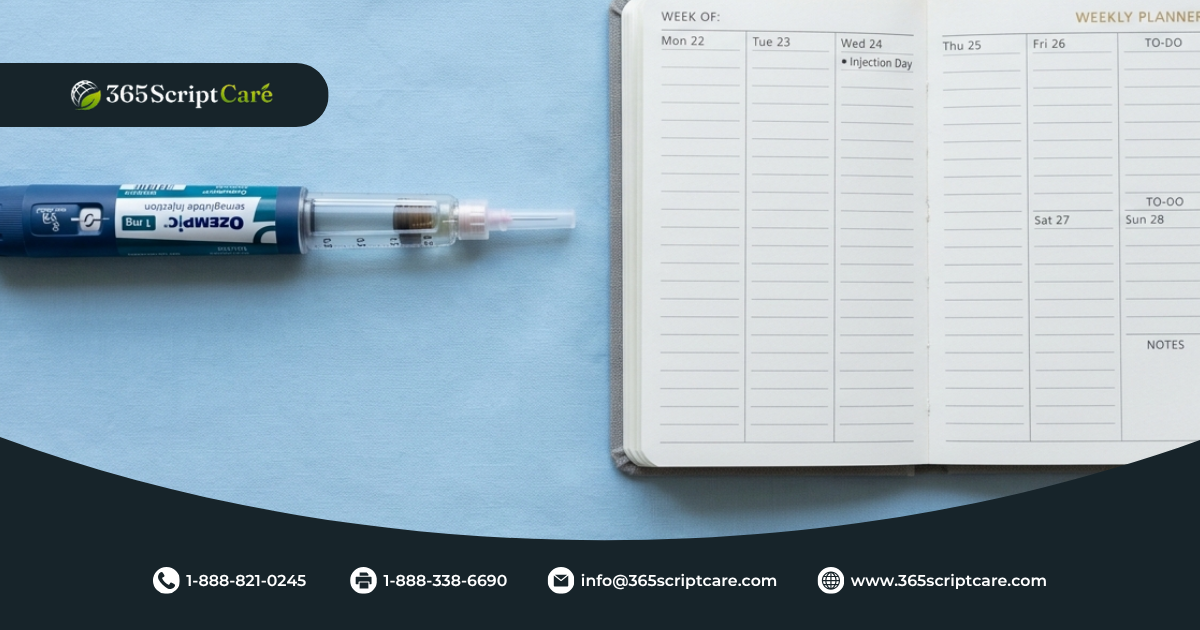
Ozempic is a medication that many people use to help manage type 2 diabetes. But one of the main reasons it has become so popular is because it also helps people lose weight. This once-weekly injection contains Semaglutide, a GLP-1 receptor agonist that works in the body by controlling appetite and regulating blood sugar. It helps people feel full sooner, eat less, and as a result, supports gradual and consistent weight loss. For this reason, many people now use Ozempic for obesity and weight management.
Most people begin treatment following a specific Ozempic dosing guide. Typically, the plan starts at a starting Ozempic dose of 0.25 mg, which is mainly for helping the body adjust and minimizing side effects. The Ozempic weight loss dose is usually considered to be 0.5 mg or higher. Understanding how different levels of the medication work can help you make the best decision for your health goals. For a comparison of alternatives, read our guide on the difference between Ozempic, Wegovy, and Mounjaro. Each step of the Ozempic injection schedule plays an important role, from the starting dose to the maintenance phases. Learning how to move through the Ozempic titration schedule for beginners is key to success.
Does Ozempic 0.5 or 1 mg Help You Lose Weight?
Many people ask whether 0.5 mg or 1 mg helps you lose weight, and the answer is usually yes. Both doses are effective, though the results vary depending on your diet, activity level, and how your body responds. The treatment works by reducing hunger signals, making it easier to eat smaller meals and avoid overeating. It also slows digestion, which allows you to feel full longer and reduces the urge to snack.
At 0.5 mg, most individuals start noticing changes in appetite. Some lose a few pounds during the first month, while others may see faster results based on their starting weight and daily habits. This dosage is typically the first significant step in the Ozempic dosing chart for weight loss after the initial 0.25 mg introduction.
When a person moves up to 1 mg, hunger control becomes even stronger. Cravings for sugary or fatty foods tend to lessen, and blood sugar levels stabilize more consistently. You can also learn how Ozempic and intermittent fasting work together to enhance blood sugar control. For many, the weekly Ozempic dose of 1 mg produces more consistent results, especially for those who are using it as part of a weight management plan.
Clinical research shows that both the 0.5 mg and 1 mg doses can lead to meaningful weight reduction. People typically lose between 5% and 10% of their body weight when the medication is combined with healthy eating and physical activity. These outcomes are common for individuals using Semaglutide for fat loss in a long-term health strategy.
However, responses can vary. Some people see significant progress at 0.5 mg, while others need a dose increase to 1 mg or beyond. Your healthcare provider will monitor your results to determine the next step. Following a doctor-recommended Ozempic dosing guide ensures you remain on a safe and effective path.
Do You Lose More Weight on 2 mg?
After reaching the 1 mg dose, some people consider switching to 2 mg to continue making progress. This raises a common question: Do you lose more weight on 2 mg of Ozempic? For many, the answer is yes—but not always.
Clinical studies show that increasing to 2 mg often leads to additional weight loss compared to staying at 1 mg. The higher dose provides even stronger appetite control and may further reduce cravings. Some individuals also report increased energy levels because they’re eating healthier and moving more.
However, raising the dosage may also increase the chances of side effects. Nausea, stomach discomfort, or digestive changes can occur when switching to 2 mg. That’s why medical providers closely monitor patients before making this adjustment. Following the Ozempic titration schedule is crucial for reducing risks and managing side effects properly.
For people who don’t lose enough weight on 1 mg, moving up to 2 mg may be recommended. But not everyone needs the maximum Ozempic dose to reach their goals. Many individuals are satisfied with the results they achieve at 1 mg and decide to maintain that level.
It’s important to combine treatment with healthy lifestyle changes. Increasing to 2 mg without improving diet and exercise habits may not deliver the best long-term results. People who focus on balanced nutrition and daily movement typically have the most success, regardless of dosage.
How Much Weight Can You Lose in 30 Days?

Another frequent question is, How much weight can you lose on Ozempic in 30 days? The answer depends on the Ozempic dosage you’re taking and how your body responds. Some people lose weight quickly, while others experience slower progress in the first month.
On average, users lose between 5 to 10 pounds in the first month. This can vary depending on your starting weight, activity level, and how closely you follow healthy eating habits. The first month is usually about adjusting to the medication and learning how it changes your appetite and cravings.
At 0.5 mg, the first month often brings 3 to 5 pounds of weight loss. However, individuals who are very focused on healthy eating and regular movement may lose more.
Once you move to 1 mg, the pace of weight loss often increases. Many people lose between 5 to 10 pounds at this level, according to clinical studies. This pattern is consistent among those using the medication for long-term weight management.
Your starting weight also plays a role. Individuals with more excess weight may lose pounds faster in the beginning, while others see steady but slower results. Even small amounts of progress in the first 30 days are encouraging signs that the Ozempic dose is working.
It’s important to stay patient. This medication is designed for safe and sustainable weight loss, usually at a rate of 1 to 2 pounds per week, which is recommended by health professionals.
Is 2 mg Better Than 1 mg?
People often ask, Is Ozempic 2 mg better than 1 mg? The answer depends on your health goals and how your body responds to the treatment. For some, moving to 2 mg results in more weight loss and better appetite control. For others, 1 mg provides enough benefit without the need for a higher dose.
The 2 mg dose provides stronger appetite suppression and may help some individuals achieve more significant results. Clinical data shows that people on 2 mg often lose more weight compared to those on 1 mg, especially if they are consistent with lifestyle changes.
However, higher doses can lead to stronger side effects. Some users experience more nausea or digestive discomfort when moving to 2 mg. This is why doctors recommend careful monitoring and gradual adjustments.
Some people find success at 1 mg and choose to stay there. If you are losing weight steadily, managing your blood sugar well, and feeling good, remaining at 1 mg could be the best option for you.
If progress slows at 1 mg, your doctor may recommend a dose increase. They will guide you on how to increase Ozempic dosage safely while monitoring for any side effects. Making changes to your treatment plan should always involve medical advice.
Remember, medication works best when combined with a healthy lifestyle. Increasing the weekly dose without addressing habits like nutrition, activity, and sleep won’t lead to lasting results.
Final Thoughts
Understanding how different doses of Ozempic work can help you set realistic expectations for your weight loss journey. Both 0.5 mg and 1 mg can lead to meaningful progress, but outcomes vary from person to person. Some people see excellent results at lower levels, while others need a gradual dose increase to continue losing weight.
Most individuals begin at 0.25 mg and then move to 0.5 mg. After a few weeks, your doctor may suggest increasing to 1 mg, depending on your progress. Some people stop at 1 mg because they’re satisfied with the results, while others continue to 2 mg for additional support.
Typical weight loss during the first 30 days ranges from 3 to 10 pounds, depending on the Ozempic dose and lifestyle habits. People using this treatment for obesity management tend to have the most success when they combine it with healthy eating, regular exercise, and good sleep habits.
If you’re considering this medication for weight loss, consult your healthcare provider. They can help you understand the Ozempic dosing chart for weight loss, explain the side effects by dose, and guide you through the safest and most effective approach. When you’re ready, you can also buy Ozempic online from trusted sources.
With the right plan and support, you can use this tool to reach your weight loss goals in a healthy, sustainable way—whether you’re on 0.5 mg, 1 mg, or 2 mg.