Many people struggle with weight management, and some explore the potential benefits of diabetes medications for weight loss. These medications are often prescribed to manage blood sugar levels in individuals with type 2 diabetes, but certain drugs have shown the ability to support weight reduction. They work by regulating appetite, improving insulin sensitivity, or slowing digestion, which can contribute to decreased food intake and gradual weight loss.
It is important to recognize that not all diabetes medications promote weight loss. Each medication has a specific mechanism of action and potential side effects that need to be considered. Patients who use these drugs for weight management should do so under the guidance of a healthcare provider, ensuring safe use and monitoring for any health changes. Diabetes medications for weight loss offer promising benefits when combined with a balanced diet, regular exercise, and consistent medical supervision.
Diabetes Medications for Weight Loss: What to Know
Diabetes medications that contribute to weight loss primarily include GLP-1 receptor agonists and some older drugs like metformin. These medications help reduce body weight mainly by decreasing appetite and slowing gastric emptying, leading to a feeling of fullness.
Main Medications for Weight Loss
-
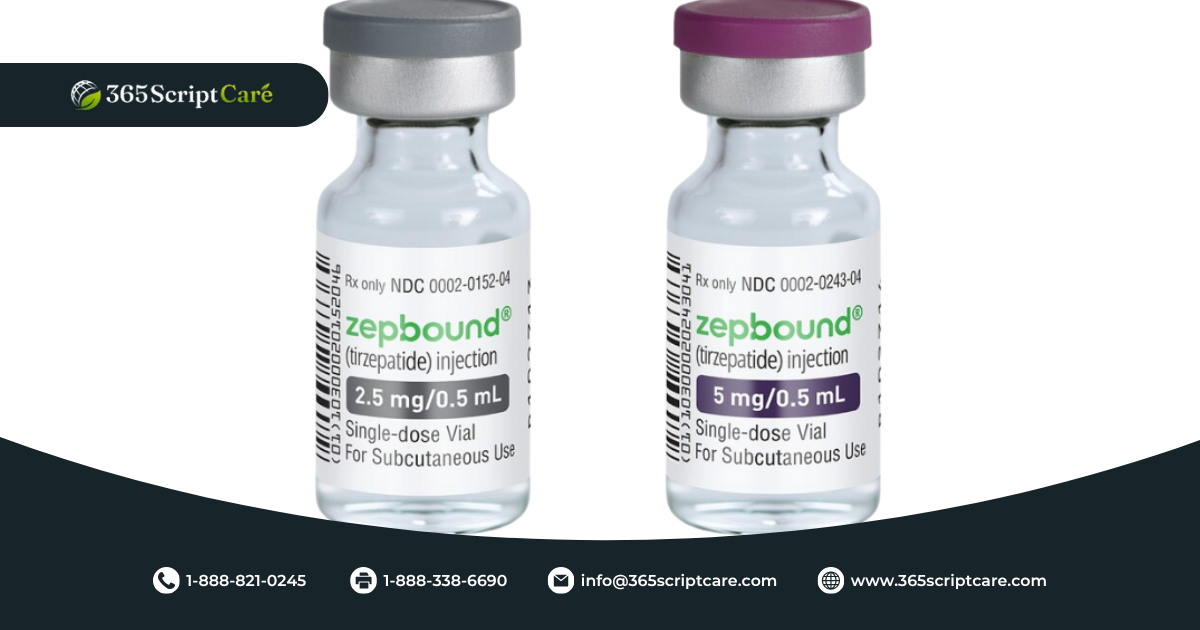
Mounjaro (tirzepatide): This medication acts on both GLP-1 and GIP receptors, which amplifies its effects on lowering blood sugar and appetite. It generally leads to substantial weight loss, averaging between 16 and 25 pounds depending on dose, making it one of the most potent in this category.
-
Semaglutide (Ozempic, Wegovy): Semaglutide is a GLP-1 receptor agonist that reduces hunger and slows stomach emptying, helping users reduce calorie intake. It typically produces weight loss around 8-11% of initial body weight.
-
Saxenda (liraglutide): As a GLP-1 receptor agonist too, Saxenda works by affecting appetite centers in the brain and delaying digestion, resulting in weight loss of about 5-10%.
-
Metformin: While mainly used to improve blood glucose levels, metformin can cause modest weight loss (about 6 pounds annually in some users), likely due to effects on reducing appetite and improving insulin sensitivity.
How They Work
These medications reduce appetite by signaling fullness to the brain and delay gastric emptying, so food stays longer in the stomach, prolonging satiety. Additionally, they improve blood sugar regulation, which helps curb hunger caused by fluctuating glucose levels.
Weight Loss Effectiveness Comparison
| Medication | Typical Weight Loss Effect | Mechanism Highlights |
|---|---|---|
| Mounjaro | ~16-25 pounds | Dual GLP-1 and GIP receptor agonist, potent appetite suppression and glucose control |
| Semaglutide | 8-11% of body weight | GLP-1 receptor agonist, slows gastric emptying, reduces hunger |
| Saxenda | 5-10% of body weight | GLP-1 receptor agonist, modulates brain signals for satiety |
| Metformin | Modest (~6 pounds/year) | Improves insulin sensitivity, mild appetite suppression |
These medications are generally part of a broader weight management approach that includes diet and lifestyle changes to optimize results. Weight loss effects tend to be greater when the medication is combined with these changes.
Side effects, typically gastrointestinal like nausea and vomiting, may occur primarily when initiating therapy, and doses are usually started low and increased gradually to improve tolerance.
Safe diabetes medications for weight management should always be discussed with a healthcare professional to ensure they align with individual health needs and weight loss goals.
Is It Safe to Take Diabetes Medications for Weight Loss?
Using diabetes medications for weight loss is generally safe when done under medical supervision. Healthcare providers evaluate a patient’s overall health, medical history, and potential risk factors before prescribing any medication for weight management. Regular monitoring is essential to track progress, adjust dosages, and identify side effects early.
GLP-1 receptor agonists are usually well tolerated, but side effects such as nausea, vomiting, or diarrhea can occur, particularly during the initial weeks of treatment. Safe weight loss with diabetes medications involves starting at a low dose, gradually increasing it, and maintaining regular follow-up appointments. Individuals with pre-existing conditions, including pancreatitis or thyroid issues, should exercise caution and consult their healthcare provider before starting therapy.
It is also important to note that these medications are not a substitute for healthy lifestyle habits. Diet, physical activity, and behavioral strategies remain essential for effective long-term weight management. Long-term safety of diabetes medications for weight loss relies on combining medication with proper lifestyle interventions, routine medical monitoring, and attention to potential side effects.
How Does Diabetes Medication Work for Weight Loss?
Diabetes medications support weight loss through several mechanisms. GLP-1 receptor agonists, such as Ozempic and Mounjaro, slow gastric emptying and increase feelings of fullness, leading to reduced calorie intake. They also help regulate blood sugar levels, preventing spikes and crashes that can trigger overeating. How GLP-1 medications help with weight management lies in their ability to control appetite naturally while supporting metabolic health.
Other medications, like Metformin, work by improving insulin sensitivity and reducing liver glucose production. While Metformin does not strongly suppress appetite, it may help with modest weight loss and prevent additional weight gain in individuals with insulin resistance. These mechanisms make diabetes medications a useful tool for certain patients, particularly those struggling with obesity-related insulin resistance. Mechanisms of weight loss with diabetes medications include appetite regulation, slower digestion, improved glucose metabolism, and increased satiety signals in the brain.
What Is the Downside to Ozempic for Weight Loss?
Although Ozempic has proven effective for weight loss, it comes with potential downsides. The most common side effects are gastrointestinal, including nausea, vomiting, diarrhea, and constipation. These symptoms are typically more pronounced during the initial weeks of treatment or during dose increases. Potential risks of Ozempic for weight loss should be discussed with a healthcare provider to ensure proper management and to prevent complications.
Other considerations include the cost of the medication and the requirement for weekly injections, which may be inconvenient for some patients. Rare but serious side effects, such as pancreatitis, require immediate medical attention. Downsides of GLP-1 receptor agonists emphasize the need for medical supervision, gradual dose escalation, and adherence to monitoring schedules. Patients should weigh the benefits of weight loss against potential risks and make an informed decision with their healthcare provider.
Long-term use of Ozempic is generally safe for adults when monitored closely, but discontinuing the medication can sometimes lead to weight regain. Combining Ozempic with lifestyle changes is critical for maintaining weight loss after therapy ends.
Is It Normal to Lose Weight on Diabetes Medication?
Yes, it is normal for some patients to experience weight loss while taking certain diabetes medications. GLP-1 receptor agonists, such as Ozempic and Mounjaro, are specifically associated with significant reductions in body weight over several months of consistent use. Weight loss typically occurs gradually and is influenced by dosage, lifestyle habits, and individual metabolic factors. Expected weight loss on diabetes medications ranges from moderate to substantial depending on these variables.
Patients taking Metformin may also notice modest weight loss or stabilization over time. This effect is usually less dramatic but can contribute to better blood sugar control and prevention of further weight gain. It is important for patients to set realistic expectations and understand that weight loss with diabetes medications is most effective when paired with a nutrient-rich diet and regular physical activity.
Monitoring progress is essential. Patients should track changes in weight, waist circumference, and blood sugar levels. Regular follow-ups with a healthcare provider help ensure that the medication continues to be effective and safe. Adjustments in dosage or treatment strategy may be required based on individual response and tolerance.
Final Thoughts
Diabetes medications for weight loss can be a helpful tool for adults struggling with obesity or insulin resistance. GLP-1 receptor agonists like Ozempic and Mounjaro have demonstrated effectiveness in reducing appetite, improving satiety, and promoting steady weight loss. Metformin can support weight management through improved insulin sensitivity and blood sugar control. Safe and effective use of diabetes medications requires professional guidance, gradual dose escalation, lifestyle support, and ongoing monitoring.
For those ready to explore these options, you can buy cheap Ozempic online from Canada through 365 Script Care. Proper medical oversight ensures the correct dosage, proper injection technique, and integration with healthy lifestyle habits. Combining medication with balanced nutrition, regular exercise, and routine follow-ups maximizes weight loss benefits while minimizing potential risks. Consistency and adherence to professional guidance are key to achieving and maintaining successful long-term results.