Pregnancy is a very important stage in life, and it requires careful attention to health and safety. The choices a mother makes during this time can affect not only her own well-being but also the growth and development of the baby. This includes food, lifestyle, and especially the use of any medications. Some medicines may be safe, while others may carry risks that need to be considered. For women who have conditions such as type 2 diabetes or are managing weight, questions often arise about whether certain treatments should continue during pregnancy.
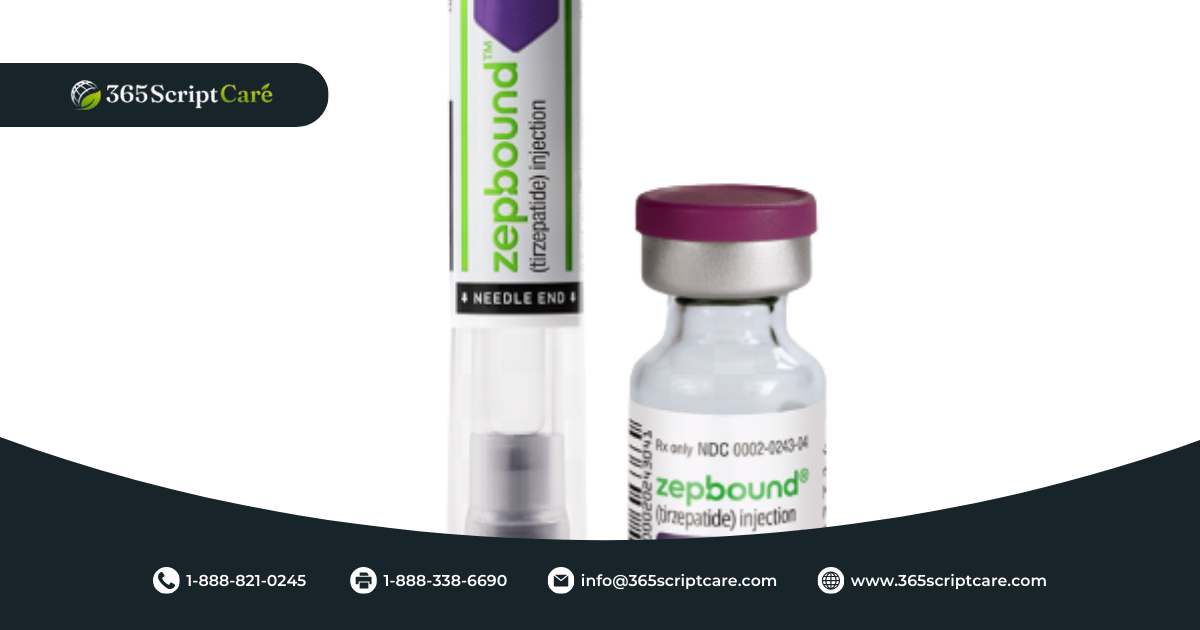
One medication that has become widely used for type 2 diabetes and weight management is Mounjaro, also known as Tirzepatide. Since it affects blood sugar and weight control, many women want to know what it means if they are using this treatment and become pregnant. The discussion around Mounjaro and pregnancy is important because it combines the safety of the mother with the safety of the baby. Knowing the facts helps families and healthcare providers make informed decisions.
Is Mounjaro Safe During Pregnancy?
It is a medication designed to improve blood sugar control in adults with type 2 diabetes. It works by affecting hormones that regulate blood sugar and appetite. While it can be effective for managing health conditions, the safety of this medication during pregnancy is not clearly established.
When a woman is pregnant, her body goes through many changes, and some medications may affect the baby’s development. Because of this, healthcare providers are often very cautious about what is used during pregnancy. Even though it is effective for diabetes and weight management, there is not enough research to prove that it is completely safe for pregnant women.
Doctors usually recommend other options to help control blood sugar during pregnancy. Insulin therapy, for example, has been used for many years and is generally considered the safest choice for women who need medication. If a woman is already using Mounjaro and finds out she is pregnant, she should talk to her doctor immediately to discuss the next steps.
The risks and benefits must be weighed carefully. Since the baby is still developing, avoiding unnecessary risks is often the best choice. This is why health professionals are very careful when giving advice about Mounjaro during pregnancy.
Can You Take Mounjaro While Pregnant?

The main concern about taking the medication while pregnant is that there is not enough proven information to confirm its safety. Without clear evidence, doctors cannot say that it is risk-free for mothers or babies. Pregnancy is a time when even small risks can have big effects, which is why careful medical guidance is necessary.
Women who continue using the medication while pregnant may face possible complications. There is also a concern about how the medication may affect the baby’s growth and overall development. Since no long-term studies have been completed, the risks remain uncertain.
For women who accidentally got pregnant on Mounjaro, it is important not to panic but to seek medical help right away. A doctor can explain what steps should be taken, whether to stop the medication, and what alternatives may be safer during pregnancy.
The general recommendation is to avoid taking Mounjaro while pregnant, unless a healthcare provider sees a clear benefit that outweighs possible risks. Even then, close monitoring would be necessary.
Can Mounjaro Pass to Baby Through Milk?
Breastfeeding provides babies with essential nutrients and helps build strong immunity. However, medications taken by the mother may pass into breast milk and reach the baby. With Mounjaro, there is still limited information about whether it passes through breast milk in significant amounts.
If Mounjaro does reach the baby through milk, the effects are unknown. Because infants are more sensitive to medications, even a small amount may cause problems with growth, digestion, or development. This uncertainty makes it a risky choice for breastfeeding mothers.
Healthcare providers often recommend avoiding medications with unknown safety profiles during breastfeeding. Safer alternatives are usually available, and adjusting treatment plans can protect both the mother’s health and the baby’s well-being.
Mothers who want to breastfeed while managing type 2 diabetes should discuss all options with their doctor. Choosing the safest treatment helps reduce risks and ensures the baby receives healthy nutrition without unnecessary exposure to possible side effects.
Is It Safe to Take Mounjaro During Pregnancy?
Safety is the biggest concern for any medication used during pregnancy. With Mounjaro, the lack of clear evidence makes it difficult to confirm that it is safe. Pregnancy studies on this medication are limited, and most experts recommend avoiding it during this time.
Some animal studies suggest possible risks, but results from animals do not always apply to humans. Because of this uncertainty, doctors prefer to use medications that already have a strong record of safety during pregnancy. Insulin is often the first choice because it helps control blood sugar without crossing the placenta in harmful amounts.
If a woman requires treatment for type 2 diabetes during pregnancy, her doctor may adjust the plan to ensure both her and the baby’s health are protected. Sometimes, stopping Mounjaro and switching to another therapy is the safest option.
Women who become pregnant while on Mounjaro should not make decisions alone. Medical advice is necessary to ensure safe care during this important stage of life.
Risks of Taking Mounjaro While Pregnant
Taking Mounjaro (Tirzepatide) during pregnancy carries several important risks primarily due to the lack of safety data in humans. These risks affect both the developing fetus and the pregnant person. Key risks include:
Fetal Risks
- Birth defects and developmental abnormalities: Animal studies of tirzepatide showed signs of fetal harm including abnormal bone development and organ malformations. Although direct human data are lacking, these findings suggest a potential risk for birth defects if exposed during pregnancy.
- Growth restriction and low birth weight: Animal research found reduced fetal growth when tirzepatide was administered during critical periods of development, which could translate to low birth weight or intrauterine growth restriction in humans.
- Miscarriage and pregnancy loss: Increased rates of spontaneous abortion were observed in animal studies exposed to tirzepatide, indicating a possible increased risk of miscarriage in humans.
- Unknown long-term effects: There is insufficient data on how in utero exposure to tirzepatide might impact long-term child development or health.
Maternal Risks
- Unstable blood sugar control: Stopping Mounjaro upon pregnancy may require adjustments in diabetes management to avoid hyperglycemia, which itself increases risks for pregnancy complications such as preeclampsia, preterm birth, and cesarean delivery.
- Poor nutrition and weight management: Because Mounjaro suppresses appetite and slows gastric emptying, continued use during pregnancy could lead to inadequate maternal nutrition critical for fetal growth and development.
- Potential pregnancy complications: Uncontrolled diabetes combined with medication-related nutrition effects may increase risks of pregnancy complications that affect maternal and fetal outcomes.
Due to these potential harms and lacking human safety data, health authorities and guidelines strongly advise against the use of Mounjaro during pregnancy. It is categorized with pregnancy risk where fetal harm is suspected. Women are advised to stop the medication at least one month (and often up to two months) before trying to conceive to allow complete drug clearance.
Can You Take Mounjaro While Breastfeeding?

After childbirth, many women continue to manage type 2 diabetes. For breastfeeding mothers, the question is whether Mounjaro is safe during this stage. Since there is not enough evidence, the safety of Mounjaro while breastfeeding is unknown.
Infants are very sensitive to drugs, and any small amount passed through breast milk could affect them. Because of this, many healthcare providers recommend avoiding Mounjaro while breastfeeding. Alternative treatments that have proven safety records are usually preferred.
Some mothers may decide not to breastfeed if continuing with Mounjaro is necessary for their own health. Others may switch to safer medications to continue breastfeeding without worry. The best decision depends on medical advice and the individual health situation.
Always consult a doctor before using any medication while breastfeeding. Protecting the baby’s health should remain the top priority.
How Long Before Pregnancy Should You Stop Mounjaro?
For women who want to become pregnant, timing is very important. Doctors usually recommend stopping medications with unknown pregnancy safety well before conception. With the medication, experts often suggest stopping at least one to two months before trying to get pregnant.
This time gap allows the medication to fully leave the body before pregnancy begins. Since early stages of pregnancy are crucial for the baby’s development, avoiding drug exposure during this period is important.
Women who accidentally got pregnant on Mounjaro should not feel alone. Many others have faced the same situation, and healthcare providers can guide them through safe next steps. Stopping the medication under medical supervision and switching to safer options can help protect both mother and baby.
Planning ahead is the best approach. If a woman wants to become pregnant, she should discuss her treatment plan with her doctor early. Together, they can create a safe strategy that supports blood sugar control without risking the baby’s health.
Final Thoughts
Pregnancy requires extra caution when it comes to medications, and Mounjaro is no exception. Because there is not enough clear evidence about its safety, most doctors recommend avoiding it during pregnancy and breastfeeding. The risks of possible effects on the baby outweigh the benefits of continuing the medication. Alternatives like insulin and lifestyle management can provide safer ways to keep blood sugar under control.
Women who are using Mounjaro and discover they are pregnant should contact their doctor immediately. A professional can guide them on the safest next steps, whether that means stopping the medication or switching to another treatment. Protecting both mother and baby is always the priority.
For those who need ongoing treatment options, it is possible to buy cheap Mounjaro online from Canada through 365 Script Care. This can help patients continue managing their health with proper medical guidance. Choosing a reliable pharmacy ensures access to quality medication while focusing on long-term well-being for both mothers and families.
Frequently Asked Questions
1. Is Mounjaro safe to use during pregnancy?
No, Mounjaro (tirzepatide) is not considered safe during pregnancy because its effects on unborn babies have not been fully studied.
2. Can taking Mounjaro while pregnant harm the baby?
There is not enough research to confirm its safety, so doctors recommend avoiding Mounjaro during pregnancy to reduce any possible risks to the baby.
3. What should I do if I become pregnant while on Mounjaro?
If pregnancy occurs, stop taking Mounjaro immediately and contact your healthcare provider to discuss safer alternatives for managing blood sugar or weight.
4. How long before trying to get pregnant should I stop Mounjaro?
Most healthcare providers suggest stopping Mounjaro at least 2 months before trying to conceive to ensure the medication is fully cleared from your body.
5. Can I breastfeed while taking Mounjaro?
It is not known if Mounjaro passes into breast milk. To avoid potential risks, it is generally not recommended while breastfeeding.