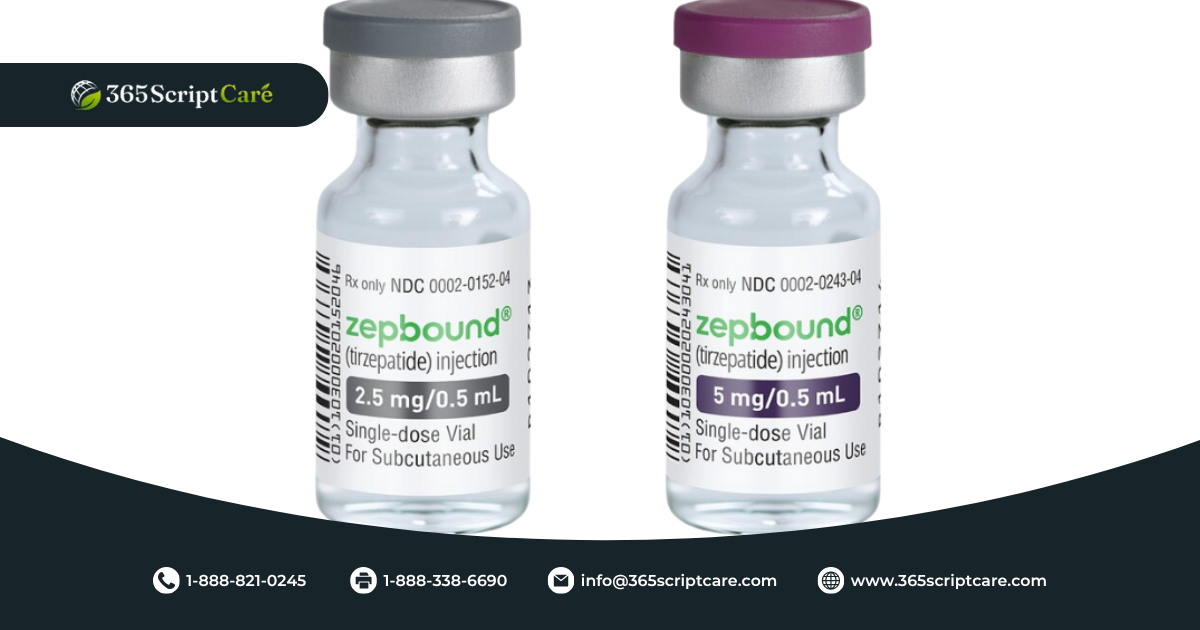
Zepbound vials contain Tirzepatide, the same active ingredient found in the auto-injector pen version. Tirzepatide is a dual GIP and GLP-1 receptor agonist, which means it targets two hormone pathways that control blood sugar and appetite at the same time.
The vial format was introduced as an alternative delivery option. Instead of using a pre-loaded pen, the medication is drawn from a small glass vial using a syringe. For many patients, Zepbound vials make it easier to manage dosing flexibility, especially during dose escalation phases.
Zepbound vials are meant for subcutaneous injection, meaning you inject under the skin, typically in the abdomen, thigh, or upper arm. Your prescribing doctor will walk you through the proper technique.
How Zepbound Vials Work for Weight Loss
Tirzepatide, the drug inside Zepbound vials, works by mimicking two naturally occurring gut hormones. These hormones signal your brain that you are full and slow down how fast your stomach empties. As a result, people tend to eat less and feel satisfied longer.
Clinical studies on Tirzepatide showed meaningful reductions in body weight over 72 weeks, especially when paired with a reduced-calorie diet and regular physical activity. Patients using the higher doses saw some of the most significant results.
What makes Zepbound vials stand out is that the active ingredient is identical to what is used in other Tirzepatide-based treatments. The delivery method is different, but the mechanism and effectiveness remain the same.
Who Can Use Zepbound Vials
Zepbound vials are prescribed to adults who meet certain criteria. Your doctor typically considers this treatment if you have a body mass index of 30 or higher, or 27 or higher with at least one weight-related condition such as high blood pressure, high cholesterol, or type 2 diabetes.
Zepbound vials are not appropriate for everyone. People with a personal or family history of certain thyroid conditions, or those with a history of pancreatitis, may not be good candidates. Always discuss your full medical history with your doctor before starting.
If you are already taking a GLP-1 medication like Ozempic or Trulicity, your doctor may evaluate whether switching or combining treatments makes sense for your situation.
Zepbound Vials Dosing Schedule
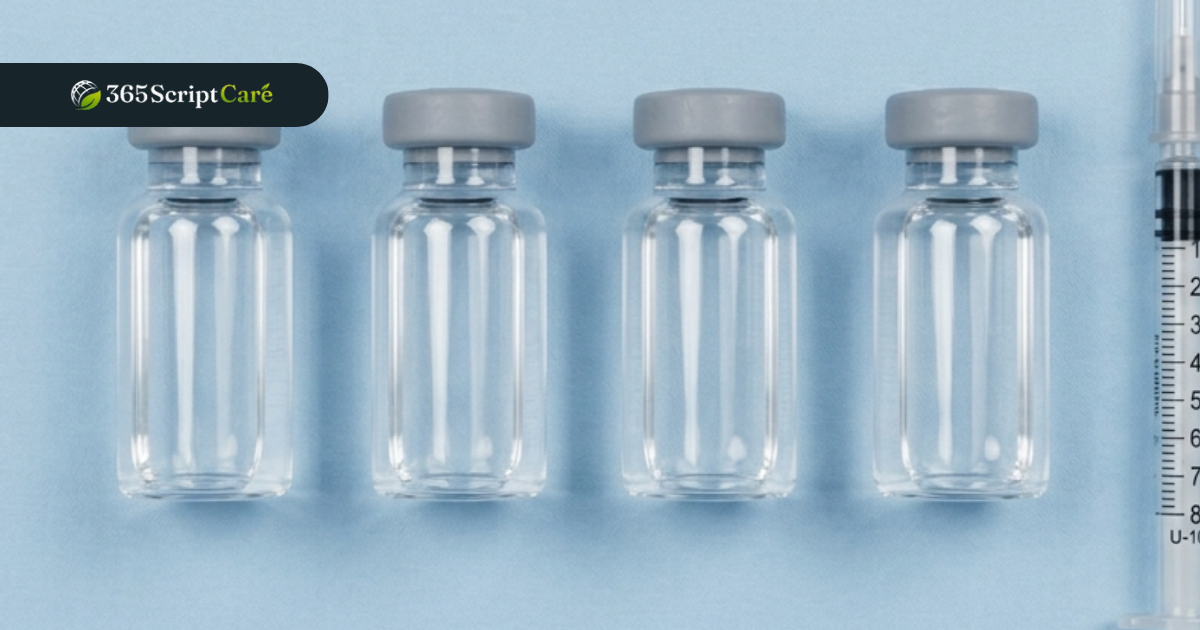
One of the most important things to understand about Zepbound vials is how the dosing works. Treatment does not start at the highest dose. Instead, your doctor will have you begin at a lower amount and gradually increase over several weeks. This is called a titration schedule and it helps reduce the chance of side effects like nausea.
| Dose Phase | Tirzepatide Amount | Duration |
| Starting Dose | 2.5 mg | 4 weeks |
| Maintenance Step 1 | 5 mg | 4 weeks |
| Maintenance Step 2 | 7.5 mg | 4 weeks |
| Maintenance Step 3 | 10 mg | 4 weeks |
| Maintenance Step 4 | 12.5 mg | 4 weeks |
| Maximum Dose | 15 mg | Ongoing |
Not every patient reaches the maximum dose. Your doctor will determine the right maintenance dose based on how your body responds and how well you tolerate each step.
How Many Doses Are in a Zepbound Vial?
Each Zepbound vial contains a single dose of Tirzepatide. The vials are not designed to be used multiple times or to be split between doses. One vial equals one weekly injection.
This is important to keep in mind when calculating how many vials you need per month. Since Zepbound is taken once weekly, a 30-day supply means four vials and a 90-day supply means roughly twelve vials, depending on how your prescription is written.
At 365 Script Care, a prescription referral service with a licensed contracted pharmacy department, we can help you access Zepbound vials with a valid prescription from your primary care physician or licensed medical doctor practicing in the United States. We ship directly to your residential address, and delivery typically takes 7 to 10 business days from the date your order is shipped. We ship a maximum 90-day supply when your prescription allows it.
Are Zepbound Vials as Effective as the Auto-Injector Pen?
Yes. Zepbound vials contain the exact same active ingredient, Tirzepatide, at the same concentrations as the pen version. The difference is only in how the medication is delivered to the body.
Both formats follow the same dosing schedule and produce the same clinical results. Some patients prefer the pen for convenience, while others find the vial format easier to handle or more practical for their situation.
If you want to learn more about how Tirzepatide-based treatments perform in real-world settings, you can read about Mounjaro prescription weight loss results for additional context on how this drug class works.
Things To Know About Zepbound Vials
Before you start using Zepbound vials, here are a few practical points worth keeping in mind:
- Zepbound vials are for subcutaneous injection only, not intravenous or intramuscular use.
- Always check the vial for particles or discoloration before injecting.
- Rotate your injection site each week to prevent skin irritation.
- Missing a dose happens, but never double up to make up for a missed injection.
- Store your vials in the refrigerator between 36 and 46 degrees Fahrenheit.
- Keep Zepbound vials away from light and do not freeze them.
- Once a vial is opened, use it right away. Do not save it for later.
- Dispose of used vials and syringes in an approved sharps container.
- Prescriptions for Zepbound vials must be written in English and issued by a licensed medical doctor practicing within the United States.
Proper Storage for Zepbound Vials
Here is a quick breakdown of proper storage conditions:
| Storage Condition | Guideline |
| Refrigerator Temperature | 36 to 46 degrees Fahrenheit |
| Room Temperature | Up to 77 degrees Fahrenheit for up to 21 days |
| Light Exposure | Keep away from direct light |
| Freezing | Never freeze Zepbound vials |
| After Opening | Use immediately, do not store for later use |
If you are traveling or do not have access to a refrigerator for a short period, Zepbound vials can stay at room temperature for a limited time, but always check with your doctor or pharmacist if you are unsure.
How Long Do 4 Vials of Zepbound Last?
Since Zepbound vials are injected once per week, four vials last approximately four weeks. That is roughly one month of treatment.
For most patients on a standard weekly schedule, a monthly supply requires four vials regardless of the dose. The dose amount per injection changes as you move through the titration schedule, but the frequency stays the same: once per week.
If you are curious about how other weekly injectable treatments work on a similar schedule, how Zepbound works for weight loss offers a helpful overview of the mechanism behind this drug class.
Common Side Effects to Watch For
Zepbound vials are generally well tolerated, but like any medication, they can cause side effects, especially early in treatment or during dose increases. The most commonly reported ones include:
- Nausea
- Diarrhea
- Vomiting
- Constipation
- Decreased appetite
- Stomach pain
These effects are often mild and tend to improve over time as your body adjusts. Starting at the lowest dose and increasing gradually is one of the main ways to reduce how intense these side effects feel.
If you experience severe abdominal pain, signs of an allergic reaction, or any sudden changes in vision, contact your doctor right away.
Getting Zepbound Vials With a Prescription
Zepbound vials require a valid prescription. You cannot purchase them over the counter or without a written order from a licensed medical professional. At 365 Script Care, we work as a prescription referral service and operate with a licensed contracted pharmacy department to help patients access their prescribed medications.
To use our service, your prescription must be written in English and issued by a primary care physician or licensed medical doctor practicing within the United States. We ship directly to residential addresses only. We do not ship to doctors offices, medical clinics, or hospitals, and we do not accept prescriptions from physicians practicing outside of the US.
We do not accept insurance plans from the United States as we are located outside of the US, but we can help you access your prescription efficiently once it is submitted.
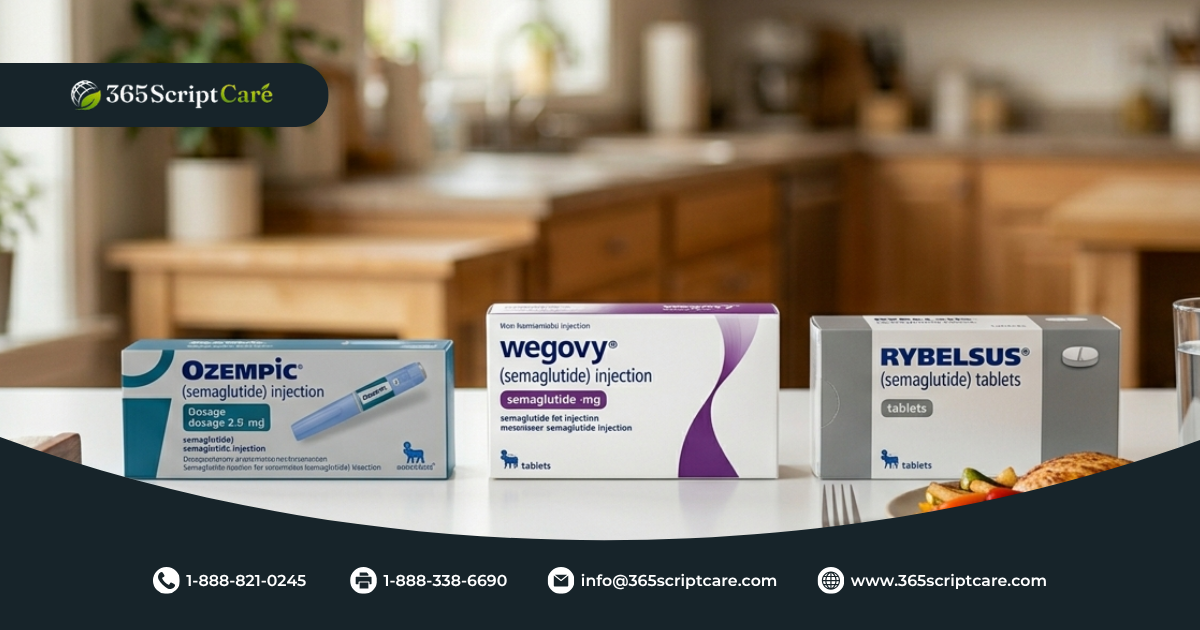
You might also want to explore options like Wegovy if your doctor is evaluating different GLP-1 treatments for your weight management plan.
For patients wondering about similar medications in this class, reading about Rybelsus dosage can give you a better sense of how oral GLP-1 receptor agonists compare to injectable options like Zepbound vials.
What Happens When You Stop Using Zepbound Vials
Moving Forward With Zepbound Vials
Zepbound vials offer a reliable and clinically supported way to approach weight management with Tirzepatide. From the flexible dosing schedule to the straightforward storage guidelines, this format works well for many patients who are committed to long-term treatment.
If you have a prescription in hand or are working with your doctor to explore your options, Zepbound vials are worth understanding fully before you begin. Knowing what to expect, how to store them, how long your supply will last, and who qualifies for treatment puts you in a much stronger position from day one.
Reach out to 365 Script Care to learn how our prescription referral service can help you access Zepbound vials through our licensed contracted pharmacy department with a valid US prescription.
Frequently Asked Questions About Zepbound Vials
How many doses are in a Zepbound vial?
Each Zepbound vial contains one single dose of Tirzepatide. Vials are not designed for multiple uses. One vial provides exactly one weekly injection, so a four-week supply equals four vials.
Are Zepbound vials as effective?
Yes, Zepbound vials are just as effective as the auto-injector pen version. Both contain the same active ingredient, Tirzepatide, at the same concentration. The only difference is in how the dose is administered. Clinical results are equivalent regardless of which format you use.
How long do 4 vials of Zepbound last?
Four Zepbound vials last approximately four weeks, or one month. Since treatment is dosed once weekly, each vial covers one injection. A standard monthly supply for most patients is four vials.
How many times can you inject a vial?
A Zepbound vial is intended for one injection only. It is a single-use container. Once you have drawn the medication into a syringe and administered it, the vial should be disposed of properly in a sharps container.
Can a Zepbound vial be used more than once?
No, Zepbound vials should not be used more than once. Reusing a vial increases the risk of contamination and does not guarantee an accurate dose. Each vial is formulated for a single subcutaneous injection and should be discarded after use.