Ozempic vs Zepbound is one of the most searched comparisons in weight loss and diabetes management today. Ozempic contains the active ingredient Semaglutide.
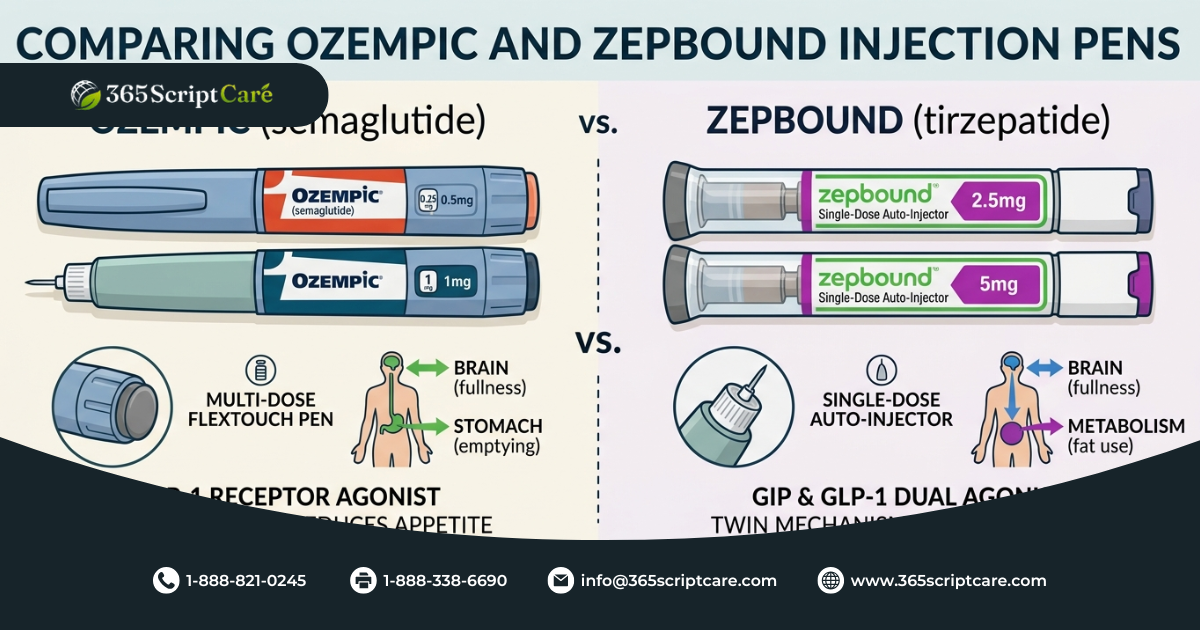
It belongs to a class of drugs called GLP-1 receptor agonists. Ozempic was originally developed to help adults manage blood sugar levels in type 2 diabetes. However, because it also slows digestion and reduces appetite, many doctors started prescribing it for weight management as well.
Zepbound contains the active ingredient Tirzepatide. It is a dual agonist, meaning it activates both GLP-1 and GIP receptors. This two-pronged mechanism is what makes Zepbound vs Ozempic comparisons so interesting. Zepbound was specifically approved for chronic weight management in adults with obesity or a weight-related condition.
If you are looking to buy Ozempic online, working with a legitimate prescription referral service ensures you receive the correct product safely.
Ozempic vs Zepbound Quick Comparison
| Feature | Ozempic | Zepbound |
| Generic Name | Semaglutide | Tirzepatide |
| Drug Class | GLP-1 Receptor Agonist | GIP/GLP-1 Dual Agonist |
| Primary Use | Type 2 Diabetes | Chronic Weight Management |
| Injection Frequency | Once weekly | Once weekly |
| Weight Loss Range | Approx. 10-15% | Approx. 15-21% |
| Approved For | Blood sugar control | Weight loss in adults |
How Ozempic and Zepbound Work in Your Body
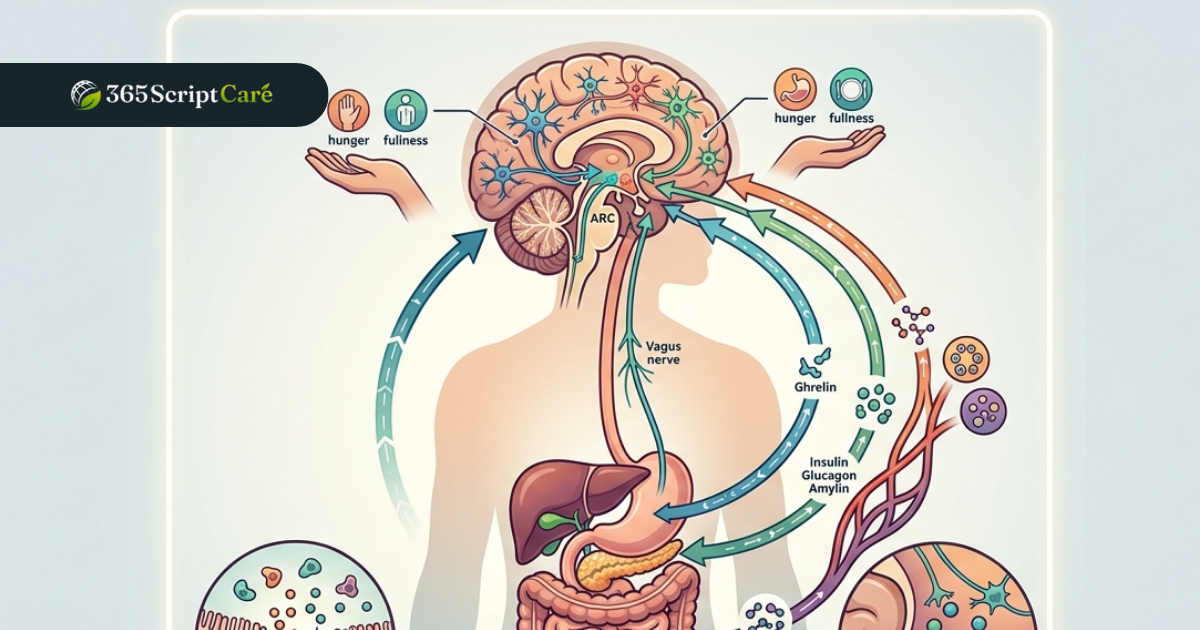
Both medications mimic hormones your gut naturally releases after eating. These hormones signal your brain to feel full, slow down how fast food leaves your stomach, and reduce the urge to eat more. That is why both Ozempic and Zepbound are so effective at reducing calorie intake without requiring strict dieting alone.
Ozempic activates one receptor, the GLP-1 receptor. This receptor controls insulin release, slows stomach emptying, and sends fullness signals to the brain. The result is lower blood sugar and reduced appetite.
Zepbound activates both the GLP-1 and GIP receptors. The addition of GIP activation appears to enhance the metabolic effects beyond what a single receptor agonist can do. This is why clinical data shows Tirzepatide producing higher average weight loss compared to Semaglutide. When looking at Ozempic vs Zepbound weight loss results, Zepbound generally comes out ahead in head-to-head data.
Ozempic vs Zepbound for Weight Loss
Weight loss is often the primary reason people compare these two medications. Clinical trials provide a clear picture of what each drug delivers.
Ozempic users in trials lost roughly 10 to 15 percent of their body weight over 68 weeks at the 2.4 mg dose. For a 250-pound person, that translates to around 25 to 37 pounds.
Zepbound users in the trial lost up to 20 to 21 percent of their body weight at the highest dose. For the same 250-pound person, that could be 50 to 52 pounds.
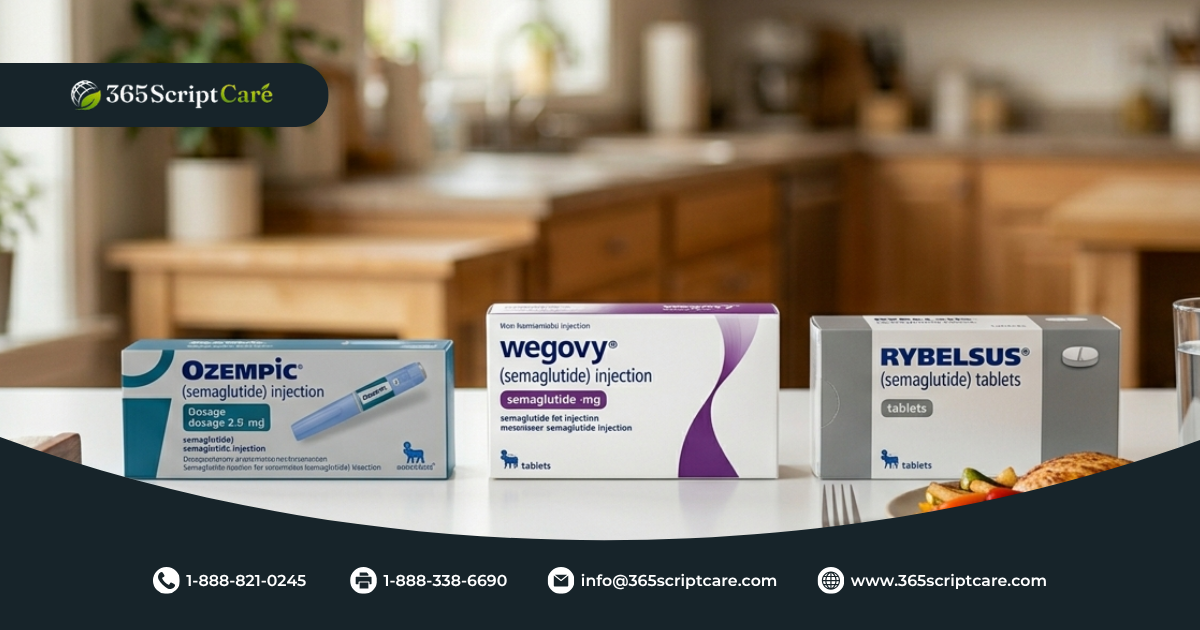
For those specifically focused on weight management, Wegovy (also Semaglutide at a higher dose) is the weight-specific version of Ozempic, while Zepbound is Tirzepatide branded specifically for weight loss. The Ozempic vs Zepbound debate often depends on whether your doctor has prescribed one for diabetes or weight management.
You can also read about Mounjaro for weight loss, which uses the same Tirzepatide as Zepbound but is the diabetes-branded version.
Side Effects of Ozempic vs Zepbound
Both drugs share similar side effects because they work on overlapping mechanisms. Knowing what to expect helps you prepare and stay consistent with your treatment.
| Ozempic Side Effects | Zepbound Side Effects |
| Nausea (common) | Nausea (common) |
| Vomiting | Vomiting |
| Diarrhea or constipation | Diarrhea or constipation |
| Stomach pain | Stomach pain |
| Fatigue | Fatigue |
| Possible injection site reaction | Possible injection site reaction |
| Slowed gastric emptying | Slightly higher GI intensity reported |
Most side effects are mild to moderate and tend to improve after the first few weeks as your body adjusts to the medication. Starting at a lower dose and gradually increasing is the standard approach doctors use to reduce early discomfort.
If you want to understand more about specific GI effects, does Ozempic cause constipation is a detailed resource worth reading.
Who Should Use Ozempic and Who Should Use Zepbound
The right choice in the Ozempic vs Zepbound conversation largely depends on your medical history and your doctor’s guidance.
Ozempic may be better suited for you if:
- You have type 2 diabetes and your primary goal is blood sugar control
- You have already responded well to GLP-1 therapy in the past
- Your doctor specifically prescribed Semaglutide for your condition
Zepbound may be the better option if:
- Your primary goal is weight loss and you have a BMI of 30 or higher
- You have not achieved enough weight loss with a GLP-1 alone
- Your doctor recommends a dual-agonist for stronger metabolic results
In both cases, these are prescription medications. They must be prescribed by a licensed medical doctor or primary care physician practicing within the USA. A prescription referral service like 365 Script Care connects patients with a licensed contracted pharmacy department, but you will need a valid English-language prescription issued by your US-based doctor.
Things To Know About Ozempic vs Zepbound
Before starting either medication, there are practical details worth understanding.
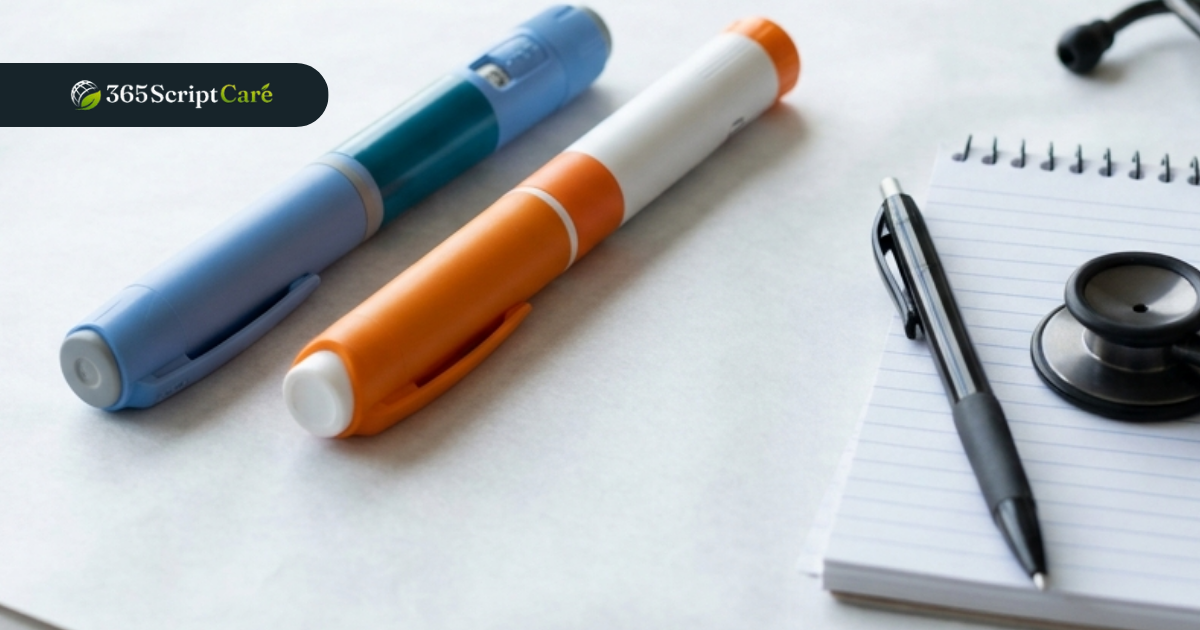
- Both are injectable medications given once a week using a pre-filled pen device
- Neither drug is a quick fix. Results build over weeks and months with consistent use
- Diet and activity still matter. These medications work best alongside lifestyle changes
- Switching from one drug to the other is possible but requires medical supervision
- Zepbound and Mounjaro both contain Tirzepatide. Ozempic and Wegovy both contain Semaglutide
- You should not use either medication if you have a personal or family history of certain thyroid tumors
- Prescriptions must be issued in English by a US-licensed doctor. 365 Script Care does not accept prescriptions from Canadian physicians
- Orders ship directly to your home address. Delivery typically takes 7 to 10 business days from the date your medication is shipped
- A maximum 90-day supply can be dispensed per order, depending on your prescription
- 365 Script Care does not accept US insurance as it operates outside the United States
Practical Tips for Getting the Most Out of Either Medication
Whether you choose the Ozempic vs Zepbound route, how you use the medication day to day makes a real difference.
Tip 1: Inject on the same day each week. Consistency keeps hormone levels steady in your system, which helps manage appetite more reliably.
Tip 2: Start with protein at meals. Both medications slow gastric emptying, so front-loading protein prevents muscle loss and keeps you fuller longer.
Tip 3: Track your progress beyond the scale. Take waist measurements, note energy levels, and monitor blood sugar if relevant. Numbers on the scale do not always reflect true progress.
Tip 4: Stay hydrated. GI side effects like nausea are often worsened by mild dehydration. Drinking water consistently throughout the day is a simple way to reduce discomfort.
Tip 5: Rotate injection sites. Alternating between the abdomen, thigh, and upper arm reduces skin irritation over time.
You may also want to review information about Trulicity, another GLP-1 injectable your doctor might compare when weighing treatment options.
How To Access Ozempic or Zepbound Through 365 Script Care
365 Script Care is a prescription referral service with a licensed contracted pharmacy department. To access either Ozempic or Zepbound through our service, you will need a valid prescription written in English from a primary care physician or licensed medical doctor practicing within the USA.
We do not offer telehealth services. Connecting with a doctor is entirely up to you and handled independently. Once you have your prescription, our team can walk you through the referral process.
We ship only to personal residences within the USA. We do not ship to doctor offices, medical clinics, or hospitals. Medications arrive in 7 to 10 business days from the date of shipment, and we can fill up to a 90-day supply when your prescription allows it.
The Bottom Line on Ozempic vs Zepbound
Both Ozempic and Zepbound are effective, once-weekly injectable medications that help reduce appetite and support meaningful health improvements. Ozempic (Semaglutide) is primarily used for type 2 diabetes management with weight loss as a secondary benefit, while Zepbound (Tirzepatide) was designed specifically for chronic weight management and produces higher average weight loss in clinical data.
The best choice between Ozempic vs Zepbound is one your doctor makes based on your full medical picture. What matters most is that you have a clear plan, a valid prescription from a US-licensed physician, and a reliable way to access your medication consistently.
365 Script Care is a prescription referral service with a licensed contracted pharmacy department ready to help US patients access both Ozempic and Rybelsus with a valid prescription. Reach out to our team to learn more about the referral process and how we can support your treatment journey.
Frequently Asked Questions About Ozempic vs Zepbound
Does Zepbound Cause Ozempic Face?
Short answer: Zepbound can contribute to facial volume loss, similar to what some people call Ozempic face.
The term refers to the loss of fat in the face that happens with rapid or significant weight loss on GLP-1 and GIP medications. Because Zepbound tends to produce more total weight loss than Ozempic, some users report more noticeable changes in facial appearance. This is a side effect of significant fat reduction, not a direct drug effect on the face itself. Staying adequately hydrated and losing weight at a moderate pace can help manage this.
Is It Safe To Switch From Zepbound To Ozempic?
Your doctor will determine the right timing and starting dose when transitioning between these medications. Jumping directly from one to the other without guidance can cause overlapping side effects or reduce treatment effectiveness. If your access situation changes, a prescription referral service can help you access either option with a valid US prescription.
What Is the New Drug That Is Better Than Ozempic?
Short answer: Zepbound (Tirzepatide) has shown stronger weight loss results than Ozempic (Semaglutide) in clinical trials.
Zepbound’s dual mechanism targeting both GLP-1 and GIP receptors gives it an edge in total weight reduction. Some newer agents are also in development. Retatrutide, a triple hormone receptor agonist, is currently in trials and has shown even higher weight loss in early data. However, Zepbound remains the leading approved option for weight management when comparing Ozempic vs Zepbound today. You can also explore how Zepbound works for weight loss in more detail.
What Organ Is Ozempic Hard On?
Ozempic stimulates the pancreas to release insulin, which means people with a history of pancreatitis should discuss risks carefully with their doctor. There have also been some reports of kidney-related effects, particularly in patients who become dehydrated from GI side effects like nausea and vomiting. Staying well hydrated and attending regular check-ins with your doctor helps monitor organ health during treatment.
Does Zepbound Give You Saggy Skin?
When fat is lost quickly, the skin may not have enough time to shrink in proportion. This is more common in older adults or those who lose a very large percentage of body weight. Strength training during treatment helps preserve muscle and can improve skin tone. Losing weight at a measured pace rather than the fastest possible rate also reduces the risk of loose skin. These are physical changes tied to weight loss in general, not unique to Zepbound.