Zepbound weight loss is a clinically supported approach using Tirzepatide, a dual GIP and GLP-1 receptor agonist that targets two hormonal pathways to reduce appetite and body weight.
Clinical studies have shown that patients using Zepbound for weight loss can shed up to 20 to 22 percent of their total body weight over 72 weeks, making it one of the most effective prescription weight management options available today.
If you have been struggling with weight despite lifestyle changes and are wondering whether Zepbound weight loss is right for you, the answer depends on your health profile, body mass index, and a prescription from a licensed medical doctor practicing within the USA.
This article covers everything you need to know, from how it works to what kind of results you can realistically expect, how it compares to other options like Ozempic, and how to get started.
What Is Zepbound and How Does Zepbound Weight Loss Work?
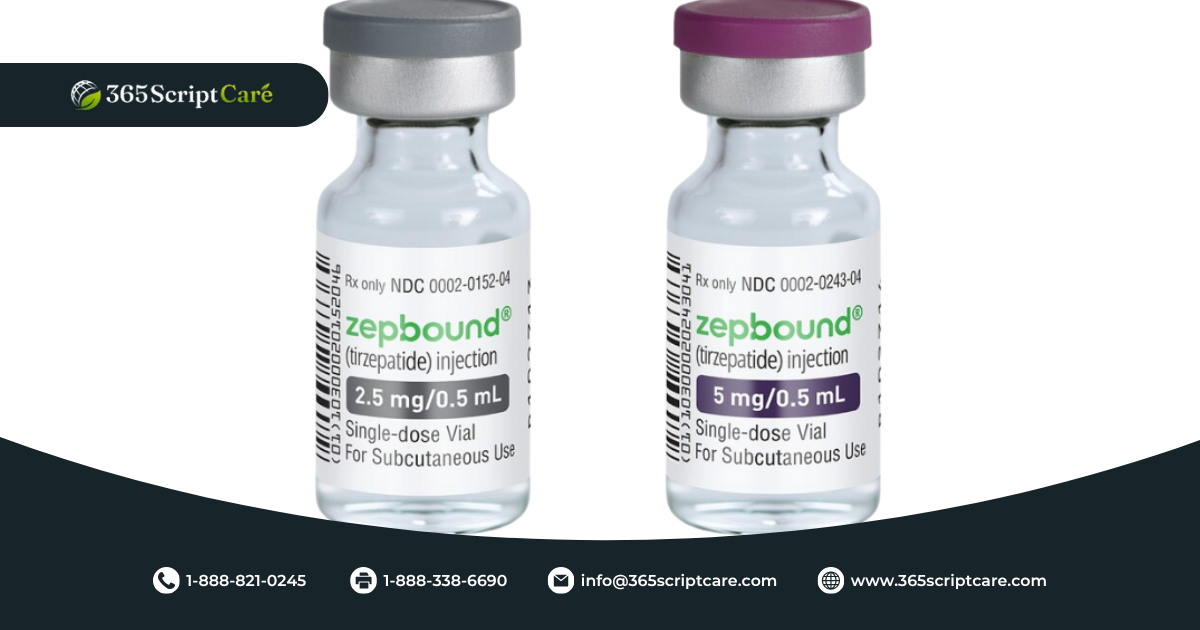
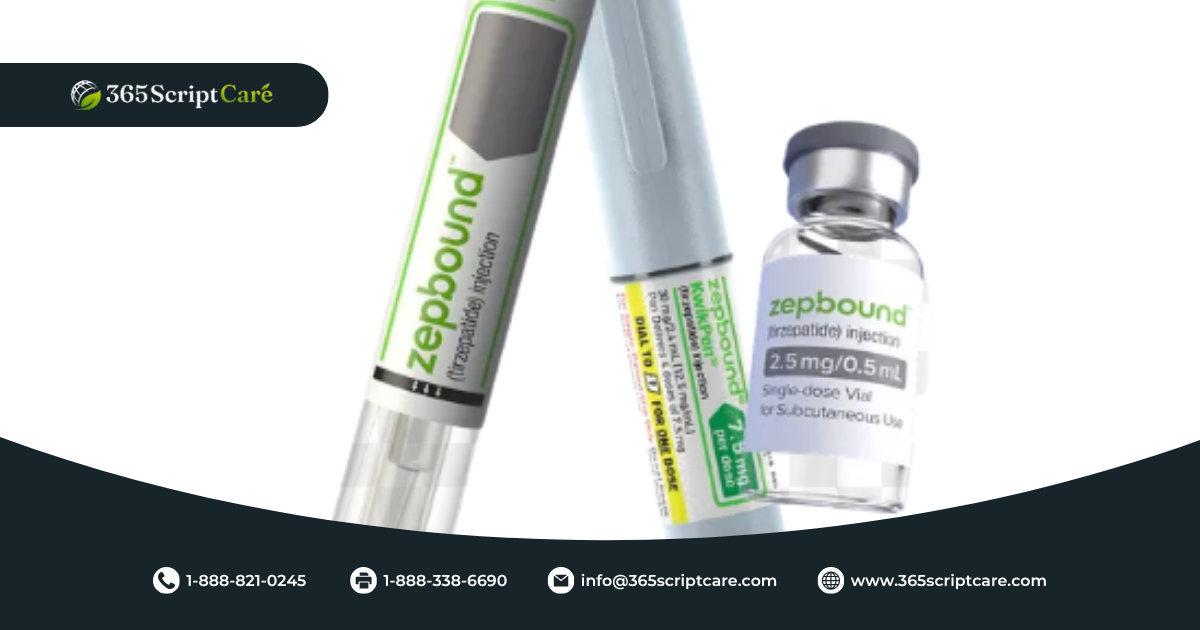
Zepbound is a once-weekly injectable prescription medication containing Tirzepatide, originally developed to manage type 2 diabetes. What makes Zepbound weight loss different from many other treatments is its dual-action mechanism.
It activates both the glucose-dependent insulinotropic polypeptide (GIP) receptor and the glucagon-like peptide-1 (GLP-1) receptor simultaneously, something no other weight loss injection has done before.
This dual stimulation helps your body do three things at once: slows down how quickly your stomach empties food, signals your brain to feel full sooner, and reduces the overall number of calories you feel the urge to consume. The combined effect is a sustained and significant reduction in body weight when paired with a healthy lifestyle.
Unlike older medications that only targeted one pathway, Zepbound weight loss hits two hormonal signals at the same time. This is why clinical trial results have been considerably stronger compared to single-receptor medications. Many patients and healthcare providers consider it a meaningful step forward in obesity treatment.
Zepbound Weight Loss Results: What the Numbers Actually Say
When patients ask how effective Zepbound weight loss truly is, the clinical data tells a compelling story. In the trial, adults who received the 15 mg dose of Tirzepatide lost an average of 22.5 percent of their body weight over 72 weeks. For someone weighing 250 pounds, that translates to roughly 56 pounds lost.
Zepbound weight loss results do vary based on the dose, how consistently the medication is taken, diet quality, physical activity level, and individual metabolic differences. Most patients begin noticing weight changes within the first four to eight weeks, though significant progress typically becomes apparent after three to six months of consistent use.
Zepbound Dosing Schedule and Expected Progress
| Phase | Dose | Duration | Goal |
| Starting Dose | 2.5 mg weekly | 4 weeks | Build tolerance |
| Maintenance 1 | 5 mg weekly | 4+ weeks | Early weight loss |
| Maintenance 2 | 10 mg weekly | 4+ weeks | Steady progress |
| Maintenance 3 | 15 mg weekly | Ongoing | Maximum effect |
It is important to note that Zepbound weight loss is not a quick fix. The medication works best as part of a comprehensive plan that includes dietary adjustments and increased movement. Stopping the medication without guidance from your doctor can lead to weight regaining, so discuss your long-term plan before starting.
Who Qualifies for Zepbound Weight Loss?
Not everyone qualifies for Zepbound weight loss. The medication is prescribed for adults who meet specific clinical criteria. Understanding whether you qualify is the first step toward accessing this treatment.
You may be a candidate for Zepbound weight loss if you have:
- A body mass index (BMI) of 30 or higher (classified as obesity)
- A BMI of 27 or higher with at least one weight-related health condition such as high blood pressure, type 2 diabetes, or high cholesterol
- A history of difficulty losing weight through diet and exercise alone
- A valid prescription from a primary care physician or licensed medical doctor practicing within the USA
It is worth noting that Zepbound weight loss is not appropriate for everyone. Patients with a personal or family history of medullary thyroid carcinoma or multiple endocrine neoplasia syndrome type 2 should not take this medication. Always discuss your full medical history with your prescribing doctor before starting.
At 365 Script Care, we operate as a prescription referral service with a licensed contracted pharmacy department. We do not accept insurance from the USA and we require prescriptions written in English, issued by a licensed medical doctor practicing within the USA. Prescriptions are for personal use only, and we ship directly to your US residence within 7 to 10 business days from the date shipped. We offer up to a 90-day supply where the prescription allows. You can explore your options for Zepbound for weight loss here.
Zepbound Weight Loss vs. Ozempic: Which Is the Better Option?
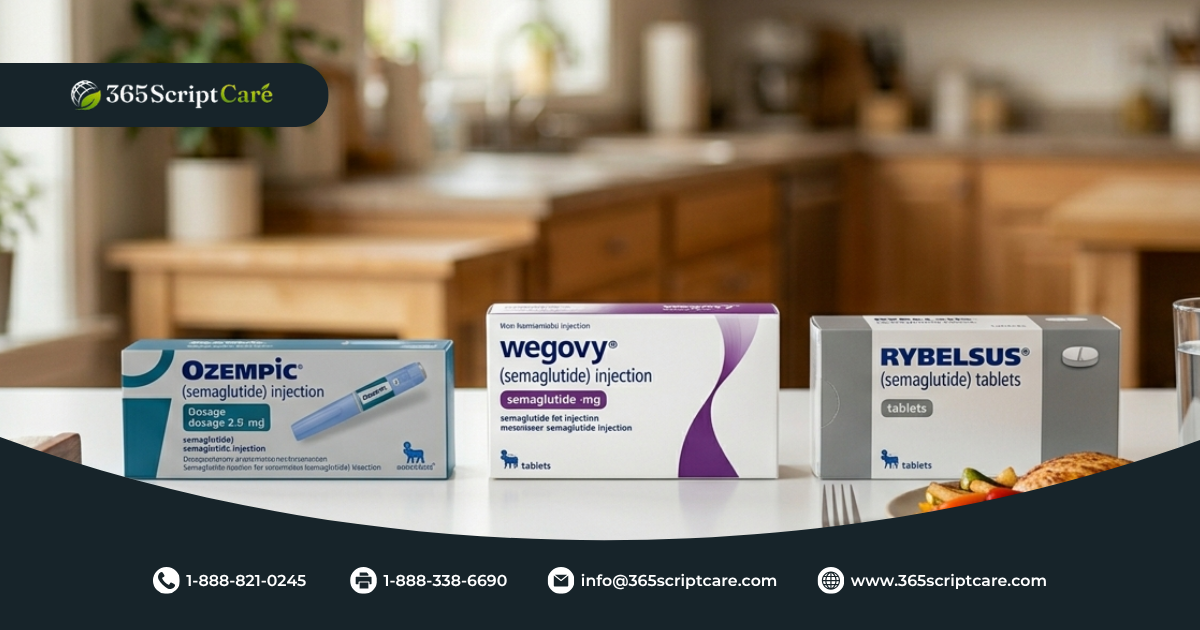
One of the most common questions people ask is whether Zepbound weight loss outperforms Ozempic. Both are injectable prescription medications used for weight management, but they differ in their mechanisms and clinical outcomes.
| Factor | Zepbound | Ozempic |
| Active Ingredient | Tirzepatide (GIP + GLP-1) | Semaglutide (GLP-1 only) |
| Avg Weight Loss | Up to 20-22% body weight | Up to 14-15% body weight |
| Approved Use | Chronic weight management | Type 2 diabetes + weight |
| Injection Frequency | Once weekly | Once weekly |
| Starting Dose | 2.5 mg | 0.25 mg |
Based on available evidence, Zepbound weight loss produces a higher average percentage of body weight lost compared to Semaglutide-based medications. The dual-receptor approach of Tirzepatide appears to drive deeper and more sustained fat loss in clinical settings. However, individual response varies. Some patients respond exceptionally well to GLP-1 therapy alone, while others benefit more from the added GIP stimulation in Zepbound.
If you are currently using Ozempic for blood sugar management and are interested in switching to a treatment more focused on Zepbound weight loss, speak with your doctor about whether making the transition is appropriate for your situation.
Side Effects of Zepbound Weight Loss Treatment
Like any prescription medication, Zepbound weight loss comes with a risk of side effects. Most are gastrointestinal in nature and tend to be most noticeable during the early weeks of treatment as your body adjusts to the medication.
Common Side Effects
- Nausea, especially after eating large meals
- Vomiting or upset stomach
- Diarrhea or constipation
- Reduced appetite beyond what is expected
- Fatigue or low energy during dose escalation periods
- Injection site reactions such as redness or mild swelling
These effects are typically mild to moderate and improve as your dose stabilizes. To reduce nausea during Zepbound weight loss treatment, many doctors recommend eating smaller meals, avoiding fatty or spicy foods, and staying well hydrated. If symptoms become severe or persistent, contact your prescribing physician promptly.
Some patients also report feeling unusually thin or notice changes in muscle composition during rapid Zepbound weight loss. This is a real concern worth monitoring. You can read more about Mounjaro and muscle loss, a similar medication, to better understand how to preserve lean muscle during treatment.
Things To Know Before Starting Zepbound Weight Loss
Before beginning your Zepbound weight loss journey, there are several practical and medical points worth understanding clearly.
- Skipping doses or stopping without medical guidance significantly reduces results and may cause weight to return.
- Zepbound weight loss works best alongside a calorie-appropriate diet and regular physical activity. The medication reduces hunger but does not replace healthy habits.
- Zepbound is a prescription-only medication. You must obtain a valid prescription from a primary care physician or licensed medical doctor practicing within the USA.
- We do not offer telehealth services. How you choose to connect with a doctor is entirely on you. We only require the written prescription.
- Significant Zepbound weight loss typically takes several months. Setting realistic month-by-month expectations keeps motivation high.
- Discuss with your doctor whether Zepbound weight loss is a short-term treatment or a longer-term maintenance strategy for you personally.
- Drinking water consistently throughout the day helps minimize nausea and supports metabolic function during treatment.
You may also want to explore how Saxenda pre-filled pens compare as an alternative if you are looking at different weight management medications with your doctor.
Practical Tips To Maximize Your Zepbound Weight Loss Results
Getting the most out of Zepbound weight loss is not only about taking the medication on schedule. There are several strategies that consistently support better outcomes.
Start with protein-rich meals. Because Tirzepatide slows gastric emptying, eating high-protein foods early in each meal helps preserve muscle while your body burns fat. Aim for at least 25 to 30 grams of protein per meal to support tissue health during rapid weight loss.
Track your progress weekly rather than daily. Weight fluctuates naturally due to water retention, hormones, and digestion. Weekly weigh-ins give a more accurate picture of your true Zepbound weight loss progress over time.
Include resistance training at least two to three times per week. Strength-based exercise helps maintain lean muscle mass, which supports a healthy metabolism even as your overall body weight drops.
Keep an honest food journal. Many patients discover that even with reduced appetite during Zepbound weight loss treatment, food quality still matters. Tracking meals helps identify patterns and keeps you accountable without relying on willpower alone.
If you are curious about how a similar medication approaches the same goals, learning how Zepbound works for weight loss in comparison to Mounjaro can help clarify whether you are on the right treatment path.
Your Path Forward With Zepbound Weight Loss
Zepbound weight loss represents one of the most clinically significant advances in prescription weight management in recent years. Its dual-receptor mechanism, strong clinical trial outcomes, and well-established dosing structure make it a compelling option for adults who have not found success through traditional approaches alone.
Success on Zepbound weight loss is built on consistency, realistic expectations, and a willingness to pair the medication with sustainable habits. Whether your goal is 30 pounds or over 100, the path is achievable with proper medical guidance and the right support structure.
At 365 Script Care, we are a prescription referral service with a licensed contracted pharmacy department. We serve patients in the USA only, shipping directly to your US residence within 7 to 10 business days from the date shipped, for personal use only, with up to a 90-day supply where the prescription allows. We do not accept USA insurance and require English-language prescriptions from physicians practicing within the USA. If you are ready to explore your Zepbound weight loss options, connect with your doctor for a prescription and reach out to us for assistance with the referral process.
Frequently Asked Questions About Zepbound Weight Loss
How much weight can you lose on Zepbound in a month?
During the first month, weight loss from Zepbound is often more modest because the starting dose of 2.5 mg is intentionally low to build tolerance. As the dose increases, monthly weight loss tends to accelerate. Some patients may see higher drops in months two through six as appetite suppression deepens and metabolic adaptations occur.
Is Zepbound better than Ozempic for weight loss?
Clinical trials have shown that Zepbound weight loss outperforms Semaglutide-based treatments in average percentage of body weight lost. However, individual response matters. Your doctor is best positioned to assess which medication aligns with your health profile, prior treatment history, and weight loss goals.
Why do I feel weird after losing weight?
Rapid Zepbound weight loss can trigger shifts in energy levels, skin elasticity, and even mood due to changes in hormones like leptin and cortisol. Some people also experience loose skin, which can cause discomfort or self-consciousness. These sensations are normal and often improve over time. Staying active, eating enough protein, and maintaining hydration all help ease the transition.
How long does it take to lose 100 lbs?
On Zepbound weight loss treatment, losing 100 pounds depends on your starting weight, dose level, metabolic rate, and lifestyle habits. At an average of 4 to 8 pounds per month in steady phases, it may take anywhere from one and a half to two years. This is a realistic and medically appropriate pace that allows the body to adapt without compromising muscle or nutritional health.
How long will it take to lose 30 pounds on Zepbound?
Thirty pounds is an achievable target within the first few months of Zepbound weight loss treatment for many patients, especially once they reach the 5 mg or 10 mg maintenance dose. Progress tends to be faster early on when caloric intake drops significantly due to appetite suppression. Maintaining healthy habits during this window makes hitting the 30-pound mark realistic and sustainable.