A Zepbound diet plan centers on eating lean proteins, non-starchy vegetables, whole grains, and healthy fats while limiting processed foods, sugary drinks, and high-fat meals to maximize weight loss results.
Following a structured Zepbound diet plan helps reduce common side effects like nausea and supports the medication’s appetite-suppressing effects.
Most people following an optimized Zepbound diet plan lose between 15 to 25 percent of their body weight within 12 to 18 months, though individual results vary based on starting weight, adherence to dietary guidelines, and physical activity levels.
The key to success lies in eating smaller, nutrient-dense meals throughout the day, staying properly hydrated, and choosing foods that work with Tirzepatide rather than against it.
Planning meals ahead, tracking protein intake, and listening to your body’s new hunger signals all play important roles in achieving sustainable weight loss while on this GLP-1 medication.
What Is the Best Zepbound Diet Plan for Weight Loss?
The best Zepbound diet plan prioritizes protein-rich foods, fiber-filled vegetables, and complex carbohydrates while keeping portions moderate and meals frequent. Since Zepbound (Tirzepatide) significantly reduces appetite, making every calorie count becomes essential for maintaining muscle mass and energy levels.
Your Zepbound diet plan should include approximately 60 to 100 grams of protein daily, spread across three small meals and one or two snacks. Protein prevents muscle loss during rapid weight loss and keeps you feeling satisfied longer between meals.
Start each meal with protein before moving to vegetables and carbohydrates. This eating order helps stabilize blood sugar levels and reduces the likelihood of gastrointestinal discomfort that some people experience when first starting Zepbound.
A successful Zepbound diet plan also means drinking plenty of water throughout the day. Aim for at least 64 ounces, sipping slowly rather than gulping large amounts at once. Proper hydration supports digestion and helps your body process the medication effectively.
Foods to Eat on Your Zepbound Diet Plan
Building your Zepbound diet plan around the right foods makes a significant difference in your results. Focus on whole, unprocessed options that provide maximum nutrition without triggering digestive issues.
Lean Proteins
Protein forms the foundation of any effective Zepbound diet plan. Choose options like skinless chicken breast, turkey, fish, eggs, Greek yogurt, cottage cheese, and legumes. These foods help preserve lean muscle tissue while your body burns fat stores.
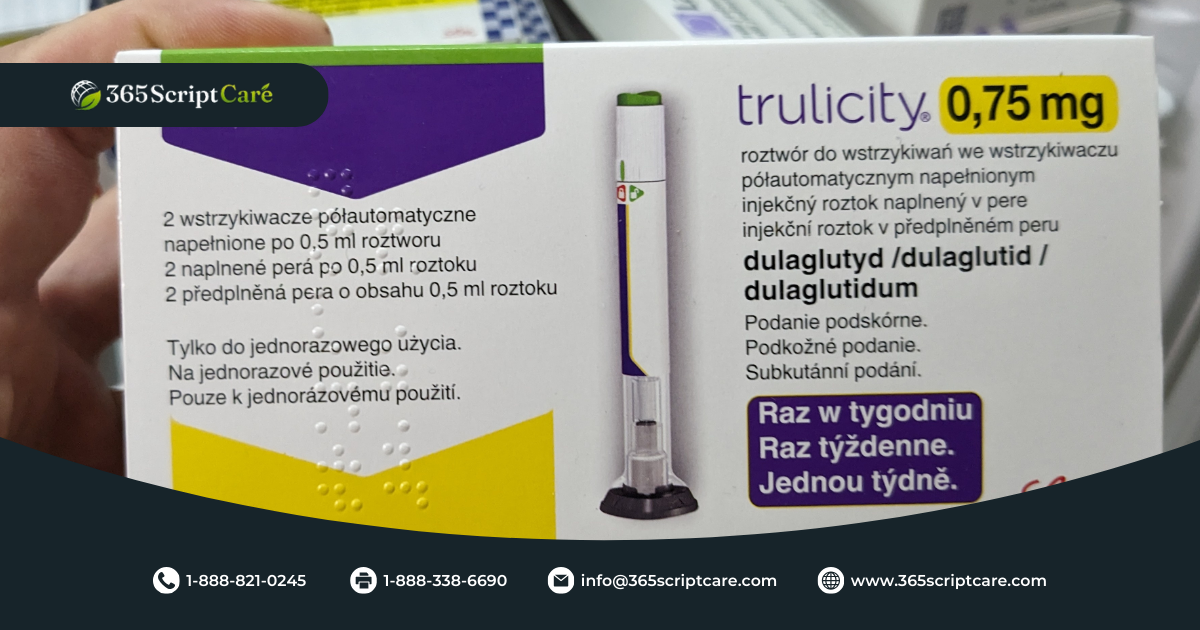
For those managing blood sugar alongside weight loss, Trulicity offers another option worth discussing with your healthcare provider.
Non-Starchy Vegetables
Load half your plate with vegetables like spinach, broccoli, cauliflower, zucchini, bell peppers, cucumbers, and leafy greens. These provide essential vitamins, minerals, and fiber without adding excess calories to your Zepbound diet plan.
Complex Carbohydrates
Include moderate portions of whole grains such as quinoa, brown rice, oatmeal, and whole wheat bread. These digest slowly, providing steady energy without blood sugar spikes that can increase cravings.
Healthy Fats
Small amounts of avocado, olive oil, nuts, and seeds support nutrient absorption and keep you satisfied. However, keep portions controlled since fats are calorie-dense and may slow gastric emptying further when combined with Zepbound.
Daily Zepbound Diet Plan Sample Menu
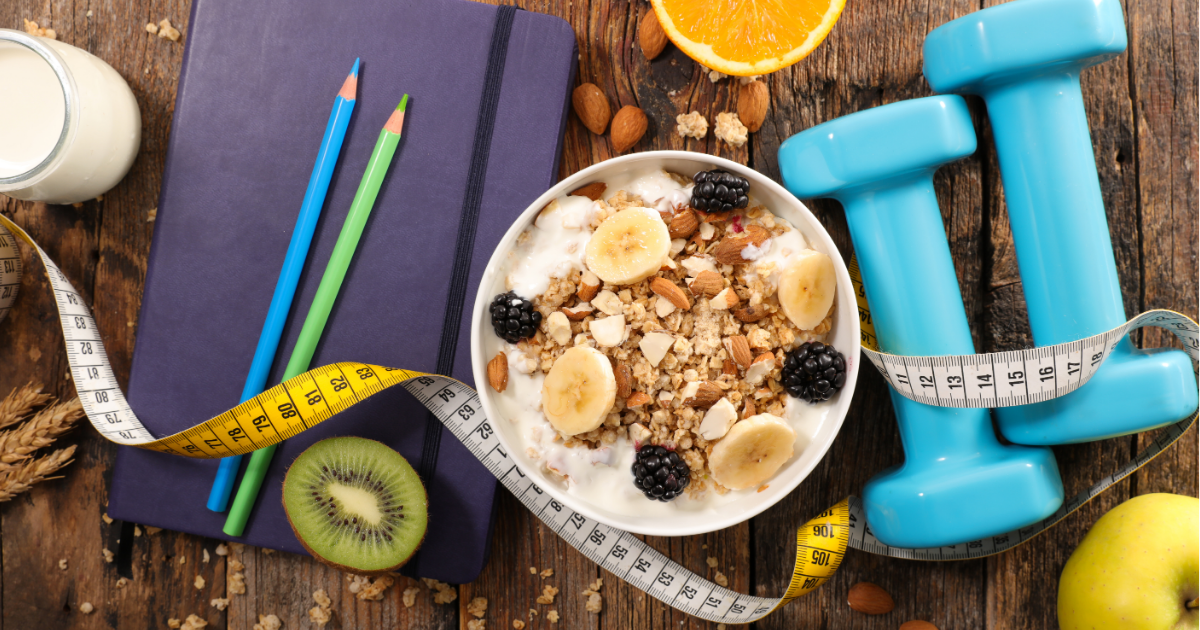
| Meal | Foods | Protein (g) | Tips |
| Breakfast | 2 scrambled eggs, 1/2 cup spinach, 1 slice whole grain toast | 18g | Eat protein first, toast last |
| Mid-Morning Snack | 1/2 cup cottage cheese with berries | 14g | Small portion, high protein |
| Lunch | 4 oz grilled chicken, mixed green salad, 1/2 cup quinoa | 28g | Dress salad lightly with olive oil |
| Afternoon Snack | Small handful almonds (10-12) | 6g | Pre-portion to avoid overeating |
| Dinner | 4 oz baked salmon, steamed broccoli, sweet potato | 25g | Stop eating when satisfied, not full |
Foods to Avoid on a Zepbound Diet Plan
Certain foods can worsen side effects or slow your progress when following a Zepbound diet plan. Knowing what to limit helps you avoid unnecessary discomfort and setbacks.
Fried and Greasy Foods
French fries, fried chicken, and other greasy items sit heavily in your stomach and often cause nausea when taking Zepbound. Your digestive system already works more slowly on this medication, so adding fatty foods makes matters worse.
Sugary Foods and Beverages
Candy, cookies, soda, and sweetened coffee drinks provide empty calories that sabotage your Zepbound diet plan. These also cause blood sugar fluctuations that can trigger hunger and cravings.
Alcohol
Alcohol adds empty calories and may intensify Zepbound side effects. If you choose to drink occasionally, stick to one small glass of wine or a light beer with food.
High-Fat Dairy
Full-fat cheese, cream-based sauces, and ice cream can cause digestive distress. Opt for low-fat or fat-free dairy options in your Zepbound diet plan instead.
How to Structure Your Zepbound Diet Plan for Maximum Results
Timing and portion sizes matter just as much as food choices when optimizing your eating plan on Zepbound. The medication dramatically reduces hunger, but that does not mean skipping meals benefits your progress.
Eat three small meals daily even when appetite seems nonexistent. Skipping meals leads to muscle loss, nutrient deficiencies, and energy crashes that make maintaining healthy habits difficult.
Keep portions smaller than you ate before starting Zepbound. A serving of protein should be about the size of your palm, and carbohydrate portions should fit in your cupped hand. This visual method helps without requiring constant measuring.
Chew food thoroughly and eat slowly. Taking 20 to 30 minutes per meal allows your brain to register fullness signals and reduces the risk of overeating or experiencing nausea.
Stop eating when you feel satisfied, not stuffed. Overfilling your stomach while on Zepbound frequently causes discomfort, nausea, or vomiting. Learning to recognize your new satiety signals takes practice but improves with time.
For those also managing diabetes, medications like Rybelsus can complement your treatment plan when recommended by your doctor.
| Day | Breakfast Protein | Lunch Protein | Dinner Protein |
| Monday | Greek yogurt | Grilled chicken | Baked salmon |
| Tuesday | Scrambled eggs | Turkey slices | Lean beef sirloin |
| Wednesday | Cottage cheese | Tuna salad | Grilled shrimp |
| Thursday | Egg white omelet | Chicken breast | Pork tenderloin |
| Friday | Protein smoothie | Salmon | Grilled tilapia |
| Saturday | Hard-boiled eggs | Lean ground turkey | Baked cod |
| Sunday | Greek yogurt parfait | Rotisserie chicken | Grilled chicken thighs |
Practical Tips for Following Your Zepbound Diet Plan
Success with this dietary approach requires preparation and consistency. These practical strategies help you stay on track throughout your weight loss journey.
Meal prep on weekends saves time during busy weekdays. Cook proteins in batches, chop vegetables ahead, and portion snacks into containers so healthy options remain accessible when hunger strikes.
Keep a food journal or use a tracking app to monitor protein intake. Many people underestimate how much protein they actually consume, leading to muscle loss during rapid weight loss.
Stock your kitchen with healthy, Tirzepatide-friendly foods and remove tempting processed snacks. Having the right options available makes following your dietary plan much easier.
Carry healthy snacks when leaving home. String cheese, protein bars (look for options with less than 5 grams of sugar), or small bags of almonds prevent impulse eating when hunger hits unexpectedly.
Listen to your body’s signals carefully. Your relationship with food changes significantly on Zepbound, and adapting to these changes leads to better outcomes.
Managing Side Effects Through Your Zepbound Diet Plan

Dietary choices directly impact how your body tolerates Zepbound. Making smart adjustments to your eating habits minimizes uncomfortable symptoms.
Nausea often improves when eating bland, easily digestible foods. Crackers, plain toast, bananas, and broth-based soups help settle your stomach during adjustment periods.
Constipation responds well to increased fiber and water intake. Add more vegetables, whole grains, and drink extra fluids if you experience this common side effect.
Avoid lying down immediately after eating. Wait at least two to three hours before bed to reduce acid reflux and discomfort.
Ginger tea or peppermint tea can soothe digestive upset naturally. Keep these on hand as part of your dietary toolkit.
If side effects persist despite dietary modifications, consult your healthcare provider about adjusting your dosage or timing of meals.
Exercise and Your Zepbound Diet Plan
While diet drives most weight loss results, combining your eating strategy with regular physical activity accelerates progress and improves overall health outcomes.
Aim for at least 150 minutes of moderate exercise weekly. Walking, swimming, cycling, and light aerobics all count toward this goal without requiring intense effort.
Include strength training two to three times per week. Building muscle increases metabolism and prevents the muscle loss that can occur during rapid weight loss on Zepbound.
Time workouts appropriately around your meals. Exercising on a completely empty stomach may cause dizziness, while working out immediately after eating often triggers nausea.
Stay well-hydrated before, during, and after exercise. Dehydration symptoms can mimic or worsen Zepbound side effects, making adequate fluid intake essential.
For those requiring insulin alongside their weight management medication, Humalog Vial provides rapid-acting coverage that works well with meal timing.
Long-Term Success With Your Zepbound Diet Plan
Maintaining weight loss requires viewing your eating approach as a permanent lifestyle change rather than a temporary fix. The habits you build now should continue even after reaching your goal weight.
Gradually transition to maintenance eating patterns as you approach your target. Work with your healthcare provider to determine appropriate calorie levels for weight maintenance.
Continue prioritizing protein and vegetables even after stopping or reducing Zepbound. These food choices support lasting results and overall health.
Weigh yourself weekly to catch small regains before they become significant. Early intervention makes maintaining your losses much easier.
Build a support system of friends, family, or online communities who understand your journey. Accountability and encouragement improve long-term success rates significantly.
Final Thoughts on Your Zepbound Diet Plan Journey
Creating and following a proper Zepbound diet plan significantly improves your chances of achieving meaningful, lasting weight loss. The combination of Tirzepatide’s appetite-suppressing effects and strategic food choices creates powerful momentum toward your health goals.
Remember that this eating approach should feel sustainable rather than restrictive. Small, consistent changes compound over time into dramatic transformations. Focus on progress rather than perfection, and adjust your approach based on how your body responds.
Working closely with your healthcare provider ensures your nutritional needs are met while supporting safe, effective weight loss. Everyone responds differently to this medication, so personalized guidance helps optimize your specific results.
Your Zepbound diet plan represents just one component of a comprehensive approach to better health. Combined with regular movement, adequate sleep, stress management, and medical supervision, these dietary strategies set the foundation for a healthier future.
Frequently Asked Questions
What should I be eating while on Zepbound?
Focus on lean proteins, non-starchy vegetables, whole grains, and healthy fats while avoiding fried foods, sugary snacks, and alcohol. Eating protein at every meal helps preserve muscle mass during weight loss. Keep portions small and eat slowly to prevent nausea and maximize nutrient absorption.
How do I maximize my weight loss on Zepbound?
Combine your Zepbound diet plan with regular exercise, adequate hydration, and consistent meal timing for optimal results. Track your protein intake to ensure you consume 60 to 100 grams daily. Meal prep weekly to avoid impulsive food choices that derail progress.
What is the best breakfast on Zepbound?
Protein-rich options like eggs, Greek yogurt, or cottage cheese paired with a small portion of whole grains make ideal Zepbound breakfasts. Starting your day with protein stabilizes blood sugar and provides lasting energy. Avoid sugary cereals, pastries, and large portions that may cause morning nausea.
Can I lose 20 lbs in a month on Zepbound?
While some people lose 15 to 20 pounds in their first month, this rate varies significantly based on starting weight and individual factors. Most of early rapid loss includes water weight. Expect weight loss to slow to 1 to 2 pounds weekly after the initial weeks. Focusing solely on scale numbers can create unhealthy expectations.
How long will it take to lose 50 pounds on Zepbound?
Most people following a consistent Zepbound diet plan lose 50 pounds within 6 to 12 months of treatment. Results depend on starting weight, adherence to dietary guidelines, exercise habits, and medication dosage. Patience and consistency with your Zepbound diet plan produce the best long-term outcomes.