Trulicity uses center primarily on managing type 2 diabetes by helping regulate blood sugar levels through a once-weekly injection. This GLP-1 receptor agonist works by stimulating insulin release when blood sugar rises, slowing digestion, and reducing appetite.
Beyond its primary role in diabetes management, this medication extends to cardiovascular protection for adults with type 2 diabetes who have established heart disease or multiple cardiovascular risk factors. The medication belongs to a class of drugs that mimic the incretin hormone GLP-1, which plays a crucial role in glucose metabolism.
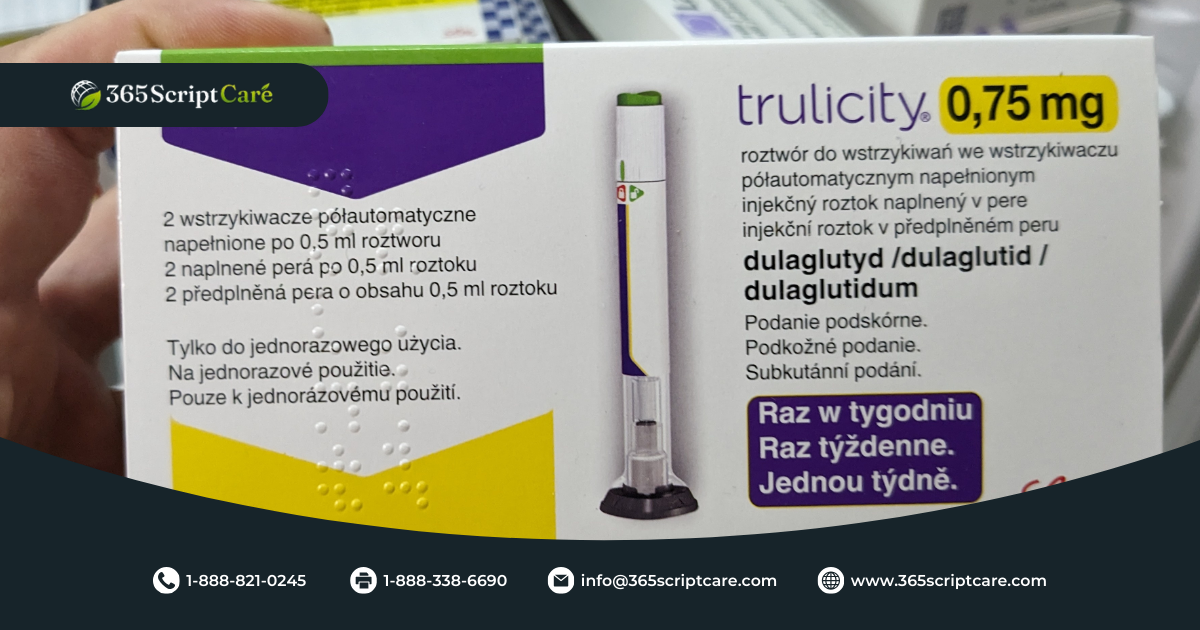
Patients often choose Trulicity because of its convenient weekly dosing schedule compared to daily medications. The injection comes in pre-filled pens with doses ranging from 0.75 mg to 4.5 mg, allowing healthcare providers to adjust treatment based on individual needs.
While the medication’s primary applications do not include treating type 1 diabetes or diabetic ketoacidosis, Trulicity has shown significant benefits for those living with type 2 diabetes who struggle to maintain healthy blood sugar levels through diet and exercise alone.
What Are Trulicity Uses for Type 2 Diabetes Management?
Trulicity uses for type 2 diabetes focus on improving glycemic control when lifestyle modifications prove insufficient. The active ingredient, Dulaglutide, belongs to the GLP-1 receptor agonist class and works through several mechanisms to help patients achieve better blood sugar management.
When you inject Trulicity, it mimics the action of natural GLP-1 hormones in your body. These hormones signal the pancreas to release insulin when blood sugar levels rise after eating. Unlike some diabetes medications that work continuously, Trulicity uses a glucose-dependent mechanism, meaning it primarily acts when blood sugar is elevated.
The medication also slows gastric emptying, which means food moves more slowly through your digestive system. This slower process helps prevent the rapid blood sugar spikes that often occur after meals. Many patients find this effect particularly helpful in managing post-meal glucose readings.
Another important aspect of this medication involves reducing glucagon secretion. Glucagon is a hormone that raises blood sugar by signaling the liver to release stored glucose. By decreasing glucagon levels, Trulicity helps prevent unnecessary glucose release into the bloodstream.
Healthcare providers often recommend this medication as part of a comprehensive diabetes management plan that includes:
- Balanced nutrition focusing on whole foods
- Regular physical activity appropriate for your fitness level
- Blood sugar monitoring as directed by your doctor
- Other diabetes medications when needed
For those seeking convenient access to diabetes medications, Trulicity is available through prescription referral services that can help simplify the ordering process.
How Do Trulicity Uses Support Cardiovascular Health?

One of the most significant Trulicity uses extends beyond blood sugar control to cardiovascular protection. Dulaglutide reduces the risk of major adverse cardiovascular events in adults with type 2 diabetes who have established cardiovascular disease or multiple risk factors.
Patients taking Dulaglutide have experienced fewer heart attacks, strokes, and cardiovascular-related deaths compared to those not using the medication.
Trulicity Uses and Cardiovascular Benefits
| Cardiovascular Benefit | How Trulicity Helps |
| Heart Attack Risk | Reduces major adverse cardiac events |
| Stroke Prevention | Lowers risk in high-risk patients |
| Blood Pressure | May contribute to modest reductions |
| Cholesterol Levels | May improve lipid profiles |
| Weight Management | Weight loss supports heart health |
These cardiovascular benefits make Trulicity uses particularly valuable for patients who face dual challenges of managing diabetes while protecting their heart health. Your doctor might specifically recommend this medication if you have a history of heart disease, stroke, or peripheral artery disease.
The cardiovascular protection offered through this treatment appears to work through multiple pathways. Beyond improving blood sugar control, the medication may directly benefit blood vessel function and reduce inflammation associated with cardiovascular disease.
Trulicity Dosing: Starting and Adjusting Your Treatment
Understanding proper dosing is essential when exploring Trulicity uses for your diabetes management. The medication comes in five dose strengths: 0.75 mg, 1.5 mg, 3 mg, 4.5 mg, each in a single-use pre-filled pen.
Most patients begin treatment with the 0.75 mg dose once weekly. This starting dose allows your body to adjust to the medication while minimizing potential side effects. After at least four weeks on the initial dose, your healthcare provider may increase to 1.5 mg weekly if additional blood sugar control is needed.
The dose escalation for this treatment typically follows this pattern:
- Week 1-4: 0.75 mg once weekly
- Week 5 and beyond: 1.5 mg once weekly (if needed)
- Further increases: 3 mg, then 4.5 mg based on response
You can administer your Trulicity injection on any day of the week, with or without food. Many patients find it helpful to choose the same day each week to establish a consistent routine. If you need to change your injection day, you can do so as long as at least three days have passed since your last dose.
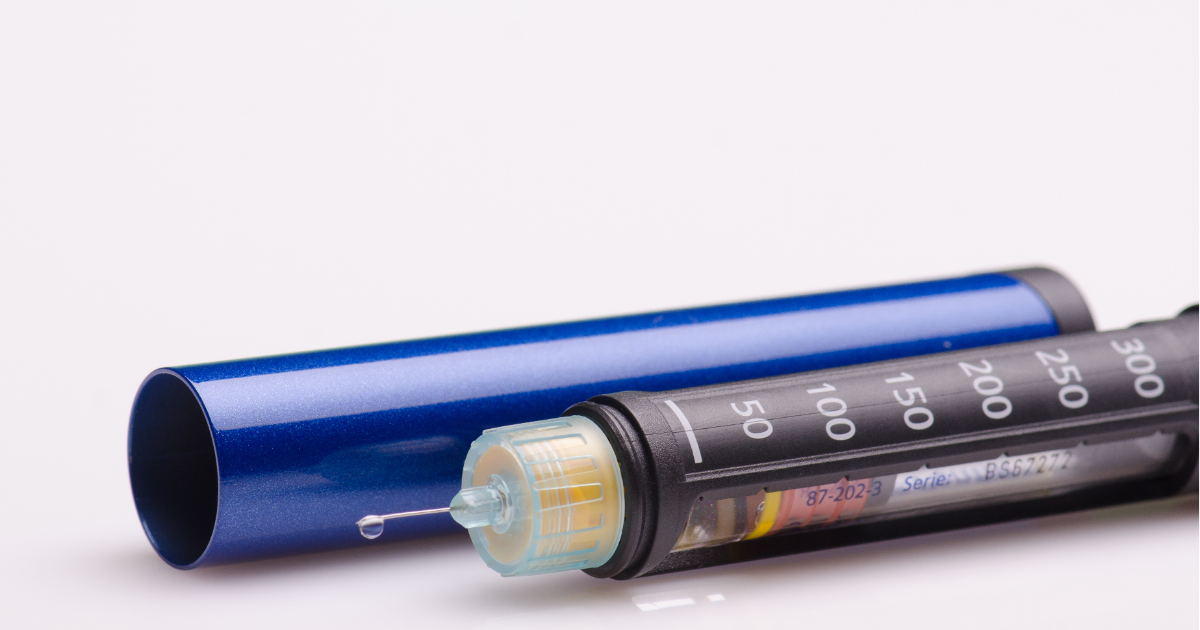
The injection sites for this medication include your abdomen, thigh, or upper arm. Rotating injection sites helps prevent skin irritation and ensures consistent absorption. The pre-filled pen makes self-injection straightforward, even for those new to injectable medications.
Who Should Consider Trulicity Uses?
Trulicity uses are appropriate for specific patient populations dealing with type 2 diabetes. The medication works best for adults who need additional blood sugar control beyond what diet, exercise, and possibly other diabetes medications provide.
Ideal candidates for Trulicity uses often include those who:
- Have type 2 diabetes with inadequate glycemic control
- Prefer weekly injections over daily medications
- Have cardiovascular disease or risk factors
- Want a medication that may support modest weight reduction
- Have struggled with other diabetes treatments
However, this medication is not suitable for everyone. The medication should not be used by individuals with type 1 diabetes, as it will not work effectively for this condition. Similarly, people with diabetic ketoacidosis should not use Trulicity.
Trulicity Uses Comparison with Other GLP-1 Medications
| Feature | Trulicity (Dulaglutide) | Key Consideration |
| Dosing Frequency | Once weekly | Convenient schedule |
| Starting Dose | 0.75 mg | Gradual titration available |
| Maximum Dose | 4.5 mg | Room for adjustment |
| Delivery Method | Pre-filled pen | Easy self-injection |
| Primary Use | Type 2 diabetes | Not for type 1 |
| Cardiovascular Benefit | Yes | Proven effective |
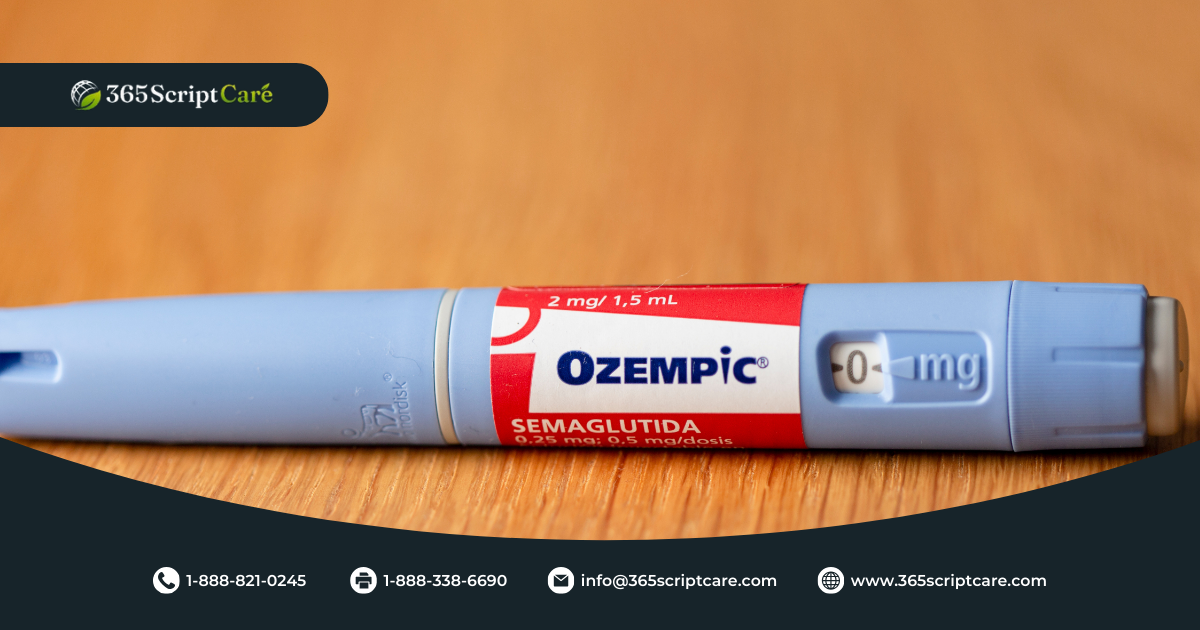
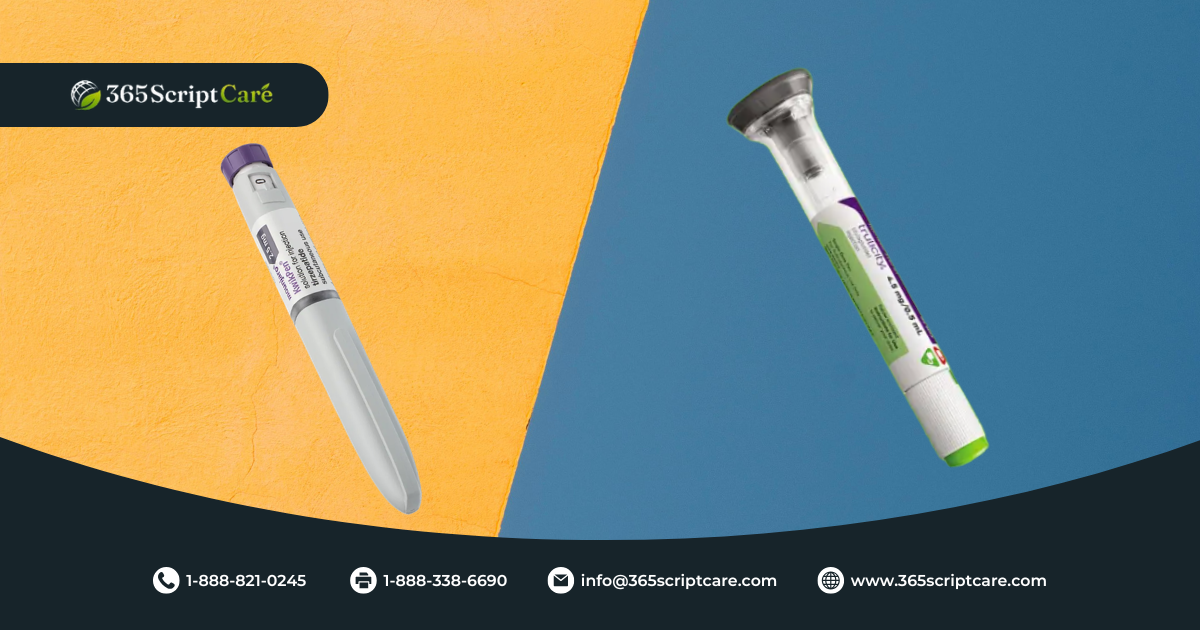
Patients sometimes ask how Trulicity compares to other diabetes medications. While both Ozempic and Trulicity belong to the GLP-1 receptor agonist class, they contain different active ingredients and have slightly different dosing schedules. Your healthcare provider can help determine which medication best suits your individual needs.
This treatment may cause side effects that patients should understand before starting. The most common side effects relate to the gastrointestinal system and typically improve as your body adjusts to the medication.
Nausea is the most frequently reported side effect during Trulicity uses. This occurs because the medication slows gastric emptying, which can create feelings of fullness or queasiness, especially after eating. Starting with the lower 0.75 mg dose and gradually increasing helps minimize this effect.
Other common side effects during treatment include:
- Diarrhea or constipation
- Decreased appetite
- Abdominal pain
- Vomiting
- Fatigue
Most gastrointestinal side effects during Trulicity uses are mild to moderate and decrease over time. Eating smaller, more frequent meals can help reduce nausea. Avoiding fatty, greasy, or spicy foods may also minimize digestive discomfort.
Serious side effects are rare but require immediate medical attention. These include symptoms of pancreatitis (severe abdominal pain that may radiate to the back), allergic reactions, and kidney problems. Contact your healthcare provider immediately if you experience any concerning symptoms.
Practical Tips for Successful Trulicity Uses
Making the most of your Trulicity uses involves more than just taking your weekly injection. Incorporating practical strategies into your routine can enhance the medication’s effectiveness and help you achieve your diabetes management goals.
Store your Trulicity pens in the refrigerator between 36°F and 46°F until ready to use. You can keep a pen at room temperature (below 86°F) for up to 14 days if needed. Never freeze Trulicity, and protect it from light by keeping it in the original carton.
When administering your injection, allow the pen to reach room temperature for about 30 minutes beforehand. Cold injections can be more uncomfortable. Clean the injection site with an alcohol swab and let it dry before injecting.
Tracking your blood sugar levels helps you and your healthcare provider assess how well Trulicity uses are working for you. Keep a log of your readings, noting any patterns related to meals, activity, or stress. This information proves valuable during follow-up appointments.
Combining Trulicity uses with lifestyle modifications amplifies the medication’s benefits. Regular physical activity helps improve insulin sensitivity, while balanced nutrition supports stable blood sugar levels. Even modest changes, like a daily 30-minute walk, can make a meaningful difference.
For those managing multiple diabetes medications, Rybelsus offers an oral GLP-1 option that some patients find convenient when working with their healthcare team to optimize their treatment plan.
Final Thoughts on Trulicity Uses for Diabetes Management
Trulicity uses offer a valuable option for adults with type 2 diabetes seeking better blood sugar control and cardiovascular protection. The once-weekly injection schedule, combined with proven effectiveness, makes this medication a practical choice for many patients.
Success with Trulicity uses depends on taking the medication consistently, following your prescribed dose schedule, and maintaining open communication with your healthcare provider. Regular monitoring helps ensure the medication is working effectively and allows for dose adjustments when needed.
Remember that Trulicity uses work best as part of a comprehensive approach to diabetes management. Combining the medication with healthy eating habits, regular physical activity, and other recommended treatments creates a solid foundation for long-term health.
If you experience persistent side effects or have concerns about your treatment, discuss these with your doctor. They can adjust your dose, suggest strategies for managing side effects, or explore alternative options if needed.
Frequently Asked Questions
What else is Trulicity used for?
Beyond type 2 diabetes, Trulicity is used to reduce cardiovascular risks in adults with heart disease or multiple cardiovascular risk factors. Trulicity uses provide meaningful protection against heart attacks, strokes, and cardiovascular-related deaths in high-risk patients with type 2 diabetes.
Is Trulicity the same as Ozempic?
No, Trulicity and Ozempic are different medications, though both belong to the GLP-1 receptor agonist class. Trulicity contains Dulaglutide while Ozempic contains Semaglutide. Both medications are used for type 2 diabetes management and are given as weekly injections, but they have different molecular structures and may affect patients differently.
Is Trulicity used for weight loss?
Trulicity is not specifically approved for weight loss, but many patients experience modest weight reduction as a secondary benefit. Trulicity uses often result in decreased appetite and slower gastric emptying, which can contribute to weight loss. However, if weight management is your primary goal, discuss other options with your healthcare provider.
Can Trulicity cause diarrhea?
Yes, diarrhea is one of the common gastrointestinal side effects associated with Trulicity uses. This typically occurs when starting the medication or increasing the dose. Most patients find that diarrhea improves as the body adjusts to the treatment over several weeks. Eating smaller meals and avoiding fatty foods can help manage this side effect.
What foods should you avoid when taking Trulicity?
Patients using Trulicity should limit fatty, greasy, fried, and spicy foods to minimize gastrointestinal side effects. Since Trulicity uses slow digestion, heavy meals can worsen nausea and discomfort. Focus on lean proteins, vegetables, and whole grains. Eating smaller portions more frequently often proves more comfortable than large meals.