Mounjaro to Ozempic dose conversion requires careful consideration as both medications work differently despite treating similar conditions. Mounjaro (Tirzepatide) activates two hormone receptors while Ozempic (Semaglutide) targets one, making direct milligram-to-milligram comparison impractical. Adults switching between these medications typically start with lower Ozempic doses regardless of their previous Mounjaro strength. The conversion process involves understanding each medication’s unique dosing schedule, managing the transition period, and monitoring blood sugar levels closely. Most people begin Ozempic at 0.25 mg weekly when transitioning from any Mounjaro dose, then gradually increase based on individual response. This adjustment period helps minimize side effects while maintaining blood sugar control. Healthcare providers consider factors like current glucose levels, weight management goals, and tolerance to each medication when determining the appropriate conversion strategy for each person.
Understanding the Differences Between Mounjaro and Ozempic

Mounjaro and Ozempic belong to different medication classes, which affects how Mounjaro to Ozempic dose conversion works in practice. Mounjaro functions as a dual agonist, stimulating both GLP-1 and GIP receptors in the body. This dual action influences insulin release, reduces appetite, and slows digestion. Ozempic activates only GLP-1 receptors, providing similar but not identical effects.
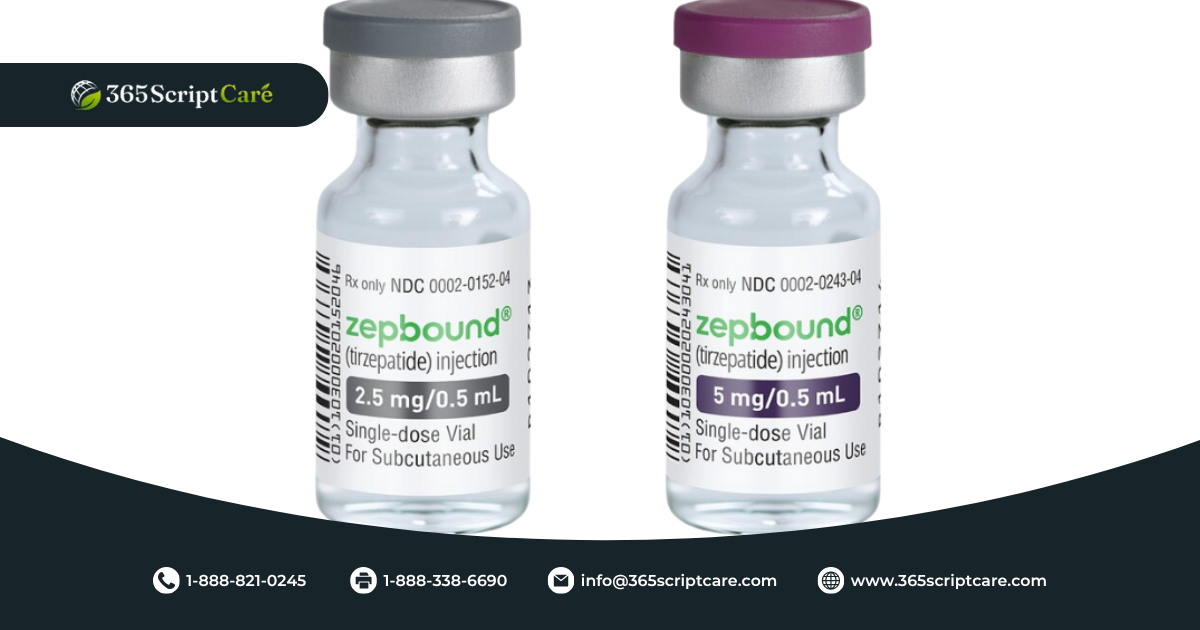
The molecular structure of each medication creates distinct responses in blood sugar management and weight reduction. Mounjaro comes in five dose strengths – 2.5 mg, 5 mg, 7.5 mg, 10 mg, and 15 mg. Ozempic offers four maintenance doses – 0.25 mg, 0.5 mg, 1 mg, and 2 mg. These different ranges mean the Mounjaro to Ozempic dose conversion cannot follow a simple mathematical formula.
Key differences include:
- Mounjaro stays in the system with a half-life of approximately five days
- Ozempic remains active for roughly one week
- Mounjaro typically shows stronger effects on weight reduction
- Ozempic demonstrates proven cardiovascular benefits
- Both medications require weekly injections but on potentially different days
The effectiveness of each medication varies among individuals. Some people respond better to Mounjaro’s dual-action approach, while others achieve their goals with Ozempic’s single-receptor activation. This variability makes personalized conversion planning essential rather than following a universal conversion chart.
Ready to make the switch? Buy cheap Ozempic online from Canada through 365 Script Care, a trusted prescription referral service connecting you with licensed providers.
Starting Doses When Converting from Mounjaro to Ozempic
The Mounjaro to Ozempic dose conversion typically begins with Ozempic’s lowest available strength. Most healthcare providers recommend starting at 0.25 mg weekly regardless of the previous Mounjaro dose. This conservative approach minimizes digestive side effects and allows the body to adjust to the new medication’s mechanism.
People switching from Mounjaro 2.5 mg usually tolerate the initial Ozempic dose well since both represent starting strengths. Those transitioning from higher Mounjaro doses – such as 10 mg or 15 mg – might worry about reduced effectiveness at the lower Ozempic starting point. However, the different mechanisms mean lower milligram amounts of Ozempic can still provide substantial blood sugar control.
| Previous Mounjaro Dose | Recommended Starting Ozempic Dose | Initial Duration |
| 2.5 mg | 0.25 mg | 4 weeks |
| 5 mg | 0.25 mg | 4 weeks |
| 7.5 mg | 0.25 mg | 4 weeks |
| 10 mg | 0.25 mg | 4-8 weeks |
| 15 mg | 0.25 mg | 4-8 weeks |
The initial phase lasts at least four weeks before any dose increases occur. This waiting period lets healthcare providers assess how well Ozempic controls blood sugar at the starting dose. Some people maintain excellent glucose levels at 0.25 mg or 0.5 mg Ozempic even after taking higher Mounjaro doses.
Blood sugar monitoring becomes particularly important during the first month of conversion. Checking glucose levels before meals and two hours after eating provides valuable information about how well the new medication works. Recording these numbers helps healthcare providers make informed decisions about when and if to increase the Ozempic dose.
Weight changes during the Mounjaro to Ozempic dose conversion transition period vary considerably. Some people continue losing weight, others maintain their current weight, and a few experience slight increases. These variations are normal and don’t necessarily indicate the conversion isn’t working properly.
Titration Schedule After the Initial Conversion
Increasing Ozempic doses after the initial Mounjaro to Ozempic dose conversion follows a gradual schedule. Healthcare providers typically wait at least four weeks between dose adjustments. This patience allows each new dose level to reach its full effectiveness before deciding if further increases are necessary.
The standard titration path moves from 0.25 mg to 0.5 mg as the first increase. Most people spend at least one month at 0.5 mg before considering the next step. This dose often provides adequate blood sugar control for many individuals, even those who previously took higher Mounjaro doses.
Common titration timeline:
- Weeks 1-4: Ozempic 0.25 mg weekly
- Weeks 5-8: Ozempic 0.5 mg weekly (if needed)
- Weeks 9-12: Ozempic 1 mg weekly (if needed)
- Week 13+: Ozempic 2 mg weekly (if needed)
The decision to move to 1 mg depends on several factors beyond just blood sugar numbers. Healthcare providers consider A1C levels, fasting glucose readings, post-meal sugar spikes, weight management progress, and side effect tolerance. Not everyone needs to reach the maximum 2 mg dose to achieve their treatment goals.
Some people find their optimal dose at 0.5 mg or 1 mg Ozempic, even after taking Mounjaro 15 mg. The different mechanism of action means lower numeric doses of Ozempic can match or exceed the effectiveness of higher Mounjaro amounts for certain individuals. This is why the Mounjaro to Ozempic dose conversion requires individualized assessment rather than automatic dose matching.
Appetite changes often become noticeable as the Ozempic dose increases. The medication’s effect on reducing hunger might feel different compared to Mounjaro, particularly for those who experienced strong appetite suppression on the dual agonist. These differences are normal and typically stabilize within a few weeks at each new dose level.
Managing Side Effects During the Transition
Digestive symptoms represent the most common challenge when navigating Mounjaro to Ozempic dose conversion. Nausea, occasional vomiting, diarrhea, and constipation can occur as the body adjusts to the new medication. These effects usually decrease over time but may require specific management strategies.
Starting with the lowest Ozempic dose helps minimize initial side effects. People who previously tolerated higher Mounjaro doses aren’t immune to digestive issues when switching medications. Each medication interacts with the digestive system differently, so previous tolerance doesn’t guarantee smooth sailing with the new treatment.
Practical strategies for managing common side effects:
- Eat smaller, more frequent meals throughout the day
- Choose bland, low-fat foods during the first few weeks
- Avoid lying down immediately after eating
- Stay well-hydrated but sip liquids slowly
- Separate medication injection from heavy meals by several hours
- Keep ginger tea or crackers available for nausea
Injection site reactions occasionally develop when switching between medications. Redness, itching, or slight swelling at the injection location typically resolves within a few days. Rotating injection sites between the abdomen, thigh, and upper arm helps prevent persistent irritation. The injection technique remains the same for both medications, though the actual injection devices differ in appearance and operation.
Timing adjustments might help reduce side effects during the Mounjaro to Ozempic dose conversion. Some people inject Ozempic on different days than they used for Mounjaro, allowing flexibility in managing side effects around work schedules or social events. The specific day of the week doesn’t affect medication effectiveness as long as the seven-day interval between doses remains consistent.
Energy levels sometimes fluctuate during the conversion period. Feeling more tired than usual for the first few weeks is common and typically improves as the body adapts. Maintaining regular sleep schedules, staying active with moderate exercise, and eating balanced meals supports energy levels during this adjustment phase.
Explore your options with 365 Script Care, where affordable medication access meets professional prescription referral services.
Blood Sugar Monitoring Throughout the Conversion Process
Glucose tracking becomes more important during Mounjaro to Ozempic dose conversion than during stable medication use. Checking blood sugar levels multiple times daily provides essential information about how well the new medication controls glucose. This data guides healthcare providers in making appropriate dose adjustments.
Fasting blood sugar measurements taken first thing in the morning reveal how well Ozempic manages overnight glucose production. These numbers should ideally fall between 80-130 mg/dL for most adults with diabetes. Values consistently above this range might indicate the need for a higher Ozempic dose, while numbers below 70 mg/dL suggest possible over-treatment.
Post-meal glucose checks offer different insights than fasting measurements. Testing two hours after the first bite of meals shows how well Ozempic helps the body handle food intake. Target ranges typically fall below 180 mg/dL at the two-hour mark. Consistent spikes above this level during the Mounjaro to Ozempic dose conversion suggest the current dose might not provide adequate mealtime coverage.
| Monitoring Time | Target Range | Frequency During Conversion |
| Fasting (morning) | 80-130 mg/dL | Daily |
| Before meals | 80-130 mg/dL | Daily |
| 2 hours after meals | Below 180 mg/dL | After main meals |
| Before bed | 100-140 mg/dL | Daily |
| Random checks | Varies | As needed |
Pattern recognition helps identify trends rather than focusing on individual readings. Three or more high readings at the same time of day over several days suggests a consistent issue rather than a one-time occurrence. These patterns inform decisions about dose increases more reliably than isolated measurements.
Continuous glucose monitors provide detailed information during the conversion period. These devices show glucose trends throughout the day and night, revealing patterns that fingerstick checks might miss. The comprehensive data helps healthcare providers optimize the Mounjaro to Ozempic dose conversion with greater precision. However, fingerstick measurements remain necessary for confirming CGM readings and calibrating devices.
Low blood sugar episodes require immediate attention and might indicate the Ozempic dose is too strong. Symptoms like shakiness, sweating, confusion, rapid heartbeat, or extreme hunger signal the need for fast-acting carbohydrates. Experiencing multiple low glucose events suggests the need to reassess the current medication regimen with a healthcare provider.
Weight Management Expectations During Conversion

Weight changes during Mounjaro to Ozempic dose conversion vary significantly among individuals. Some people continue losing weight at a similar pace, others experience slower weight reduction, and a few might temporarily plateau or gain slight amounts. Understanding these possibilities helps set realistic expectations during the transition period.
Mounjaro typically produces more dramatic weight loss than Ozempic due to its dual-receptor mechanism. People who achieved substantial weight reduction on higher Mounjaro doses might notice the rate of loss slows when starting at the lower initial Ozempic dose. This doesn’t mean Ozempic won’t eventually provide good weight management results – it often just requires reaching higher doses and allowing more time.
The first month after conversion often shows the most variable weight patterns. The body is adjusting to the new medication’s effects on appetite, digestion, and metabolism. Temporary water retention can mask fat loss on the scale, making it appear that weight reduction has stalled when body composition is actually still improving.
Factors affecting weight during the Mounjaro to Ozempic dose conversion:
- Starting Ozempic dose is typically lower than the previous Mounjaro dose
- Appetite suppression might feel different with the single-receptor mechanism
- Digestive side effects can temporarily impact eating patterns
- Stress about medication changes may influence eating behaviors
- Physical activity levels might change during the adjustment period
Measuring progress through multiple methods provides a more complete picture than scale weight alone. Taking body measurements of waist, hips, thighs, and arms reveals changes that the scale might not show. How clothes fit often improves even when weight plateaus temporarily. Progress photos taken monthly document visual changes that gradual daily observation might miss.
Appetite patterns typically shift during the conversion period. Ozempic’s effect on hunger and fullness might feel different from Mounjaro’s influence. Some people notice reduced appetite at lower Ozempic doses, while others need higher doses before experiencing significant hunger suppression. These individual responses make the Mounjaro to Ozempic dose conversion process unique for each person.
Realistic expectations help prevent discouragement during the transition. Weight loss rates of one to two pounds per week represent healthy, sustainable progress. Faster initial losses often include water weight and tend to slow over time. The goal is finding an Ozempic dose that provides both good glucose control and reasonable weight management without excessive side effects.
Long-Term Success After Completing the Conversion
Maintaining results after the Mounjaro to Ozempic dose conversion requires ongoing attention to lifestyle factors alongside medication use. Neither medication works optimally without supporting habits around eating, physical activity, stress management, and sleep quality. Building these habits during the conversion period supports long-term success.
Regular follow-up appointments remain important even after finding the right Ozempic dose. Healthcare providers typically want to see patients every three months initially, then can space visits further apart once glucose control stabilizes. These check-ins include A1C testing, weight assessment, blood pressure measurement, and discussion of any concerns or side effects.
Meal planning supports both blood sugar control and weight management goals. Focusing on protein, fiber-rich vegetables, and healthy fats helps maintain steady glucose levels while supporting satiety. The reduced appetite from Ozempic makes it easier to stick with smaller portions and nutritious choices, but conscious meal planning still matters.
Sustainable habits for long-term success:
- Regular physical activity most days of the week
- Consistent meal timing to support medication effects
- Adequate protein intake to preserve muscle mass
- Sufficient hydration throughout the day
- Quality sleep of 7-9 hours nightly
- Stress management through preferred methods
- Regular glucose monitoring even when levels are stable
Exercise routines don’t need to be intense to provide benefits. Walking 30 minutes daily, swimming, cycling, strength training, or group fitness classes all contribute to better blood sugar control and weight maintenance. Finding activities that feel enjoyable rather than burdensome increases the likelihood of maintaining them long-term.
Blood sugar monitoring can become less frequent once the Mounjaro to Ozempic dose conversion is complete and glucose levels stabilize. However, continuing to check occasionally helps catch any changes early. Most healthcare providers recommend at least occasional testing to ensure the medication continues working effectively.
Dose adjustments might become necessary over time even after successful conversion. Weight changes, activity level shifts, other medication additions, or natural disease progression can all affect how well Ozempic controls blood sugar. Staying in communication with healthcare providers about any changes ensures prompt adjustments when needed.
Looking for reliable access to your diabetes medication? Visit 365 Script Care to connect with licensed providers and explore affordable options for continuing your treatment plan.
Special Considerations for Specific Situations

Pregnancy planning requires stopping both Mounjaro and Ozempic well before conception. Neither medication has been studied sufficiently in pregnant individuals, so healthcare providers recommend discontinuing them at least two months before attempting pregnancy. Alternative diabetes management strategies become necessary during this time, making advance planning with a healthcare team essential.
Other medications can influence how well the Mounjaro to Ozempic dose conversion works. Both medications slow digestion, which affects how quickly the body absorbs oral medications. Taking other medicines at least one hour before or four hours after the weekly injection helps ensure proper absorption. This timing consideration applies particularly to antibiotics, thyroid medications, and other time-sensitive treatments.
Travel plans need some adjustment when transitioning between medications. Keeping Ozempic refrigerated until first use, then storing at room temperature afterward, requires planning for trips. Carrying extra supplies in case of delayed returns, keeping medication in carry-on luggage, and maintaining the weekly injection schedule despite time zone changes all need consideration.
Special circumstances requiring extra attention:
- Kidney function changes affecting medication clearance
- Liver conditions influencing medication metabolism
- History of pancreatitis requiring careful monitoring
- Gastroparesis complicating digestive side effects
- Severe gastrointestinal disease affecting absorption
- History of thyroid concerns needing regular monitoring
Illness or infection can temporarily affect blood sugar control during the Mounjaro to Ozempic dose conversion. Fever, inflammation, and stress hormones all tend to raise glucose levels. Continuing the Ozempic injections during illness remains important unless vomiting prevents keeping anything down. More frequent glucose monitoring helps guide any temporary adjustments needed.
Surgical procedures require discussing the medication timing with both the surgeon and the healthcare provider managing diabetes. Some procedures require stopping Ozempic temporarily, while others don’t. The decision depends on the surgery type, anesthesia used, and expected recovery time. Planning these conversations well in advance prevents last-minute complications.
Age-related factors influence the Mounjaro to Ozempic dose conversion in older adults. People over 65 might experience more pronounced side effects or need longer adjustment periods between dose increases. Kidney function naturally declines with age, potentially affecting how the body processes Ozempic. More conservative dose escalation often makes sense for older individuals.
Moving Forward
The Mounjaro to Ozempic dose conversion represents a manageable transition when approached systematically. Starting with the lowest Ozempic dose, monitoring blood sugar carefully, and following gradual titration schedules produces the best outcomes. Understanding that both medications work differently helps set appropriate expectations about the conversion timeline and results.
Success during the transition depends on consistent communication with healthcare providers, regular glucose monitoring, and attention to side effects. The conversion process is highly individual, with optimal Ozempic doses varying based on personal response rather than previous Mounjaro dosing. Patience during the initial weeks allows the body to adjust and reveals how well each dose level controls blood sugar.
Long-term results combine medication effects with sustainable lifestyle habits. Physical activity, balanced nutrition, stress management, and adequate sleep all support the work that Ozempic does for blood sugar control and weight management. Neither medication replaces these fundamental health behaviors but makes them more effective and easier to maintain.
The Mounjaro to Ozempic dose conversion might feel uncertain at first, but following established protocols and working closely with healthcare providers leads to successful outcomes for most people. Taking an active role in monitoring, reporting symptoms, and maintaining healthy habits throughout the process supports both immediate transition success and long-term diabetes management goals.
Frequently Asked Questions
How long does the complete Mounjaro to Ozempic dose conversion take?
The full conversion process typically spans 12-16 weeks from the first Ozempic injection to reaching a stable maintenance dose. Starting at 0.25 mg Ozempic regardless of previous Mounjaro dose, most people spend four weeks at each dose level before increasing. Some individuals find their optimal dose sooner, while others need the full titration schedule to reach adequate blood sugar control. The timeline extends longer if side effects require slower dose increases or if the maximum 2 mg dose is necessary.
Can I switch directly from Mounjaro 15 mg to Ozempic 2 mg?
Healthcare providers don’t recommend jumping directly to Ozempic 2 mg when converting from any Mounjaro dose, including 15 mg. Starting with the lowest 0.25 mg Ozempic dose minimizes side effects and allows proper assessment of individual response. The different mechanisms between medications mean the numeric dose comparison doesn’t translate directly. Following the gradual titration schedule produces better outcomes with fewer complications than attempting to match higher doses immediately.
Will my blood sugar spike when switching to the lower starting Ozempic dose?
Temporary glucose elevation might occur during the first week of conversion, but significant spikes are uncommon. Ozempic at 0.25 mg still provides substantial blood sugar control despite being numerically lower than higher Mounjaro doses. Monitoring glucose more frequently during the first two weeks helps identify any concerning patterns early. Most people maintain reasonable control at the starting Ozempic dose, with improvements as the dose increases over subsequent weeks.
What happens if I experience severe nausea during the conversion?
Severe nausea that interferes with eating or causes vomiting requires contacting a healthcare provider. They might recommend staying at the current Ozempic dose longer before increasing, or prescribe anti-nausea medication to help manage symptoms. Eating smaller, more frequent meals and avoiding high-fat foods often reduces nausea intensity. In rare cases where nausea remains severe despite these measures, alternative diabetes medications might need consideration.
Should I inject Ozempic on the same day I previously used for Mounjaro?
Choosing the same weekly day as Mounjaro isn’t necessary unless it fits your schedule best. Ozempic works effectively regardless of which specific day you inject, as long as you maintain consistent seven-day intervals. Some people prefer changing their injection day during conversion to separate it from previous medication associations. Select a day that works reliably with your routine and will be easy to remember long-term.
How soon after the last Mounjaro injection should I start Ozempic?
Beginning Ozempic one week after the last Mounjaro injection maintains continuity in treatment without creating gaps or overlaps. Waiting the full week allows the previous Mounjaro dose to clear while preventing any period without medication coverage. Starting earlier than seven days could result in overlapping effects and increased side effects. Delaying beyond one week might cause temporary loss of blood sugar control.
Is it possible to switch back to Mounjaro if Ozempic doesn’t work well?
Switching back to Mounjaro remains an option if Ozempic doesn’t provide adequate results after completing the full titration schedule. Healthcare providers typically recommend giving Ozempic at least 3-4 months at appropriate doses before concluding it’s ineffective. The conversion process can work in reverse, starting with the lowest Mounjaro dose and titrating up as needed. Some people do respond better to one medication over the other due to individual biological differences.
Do I need to change my diet when converting from Mounjaro to Ozempic?
Maintaining the same healthy eating patterns used with Mounjaro generally works well during conversion to Ozempic. Both medications benefit from similar dietary approaches emphasizing protein, vegetables, whole grains, and limited processed foods. Some people notice different appetite patterns with Ozempic that might naturally influence food choices. Focusing on smaller, more frequent meals often helps manage any digestive side effects during the transition period without requiring major dietary overhauls.