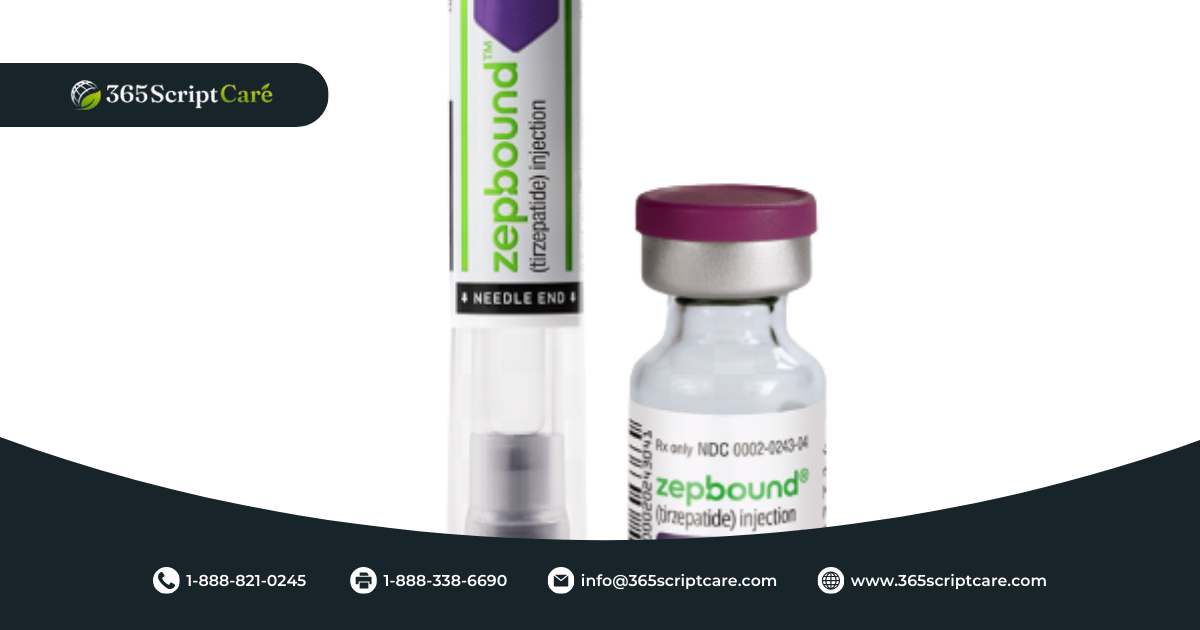
Zepbound for weight loss treatment has emerged as a powerful option for individuals struggling with excess weight and obesity-related health conditions. This medication works by mimicking natural hormones that regulate appetite and blood sugar levels, leading to significant weight reduction when combined with lifestyle modifications. Most people typically remain on Zepbound for extended periods, ranging from several months to years, depending on their weight loss goals and medical recommendations. The duration varies based on individual responses, target weight achievement, and ongoing maintenance needs. Treatment timelines often extend beyond initial weight loss phases to support long-term weight management and prevent regaining lost pounds.
How Zepbound Works for Weight Management

Zepbound contains Tirzepatide, an innovative dual-acting medication that targets both GIP and GLP-1 receptors in the body. This unique mechanism sets it apart from other weight loss medications by providing enhanced metabolic benefits. The medication slows gastric emptying, which helps you feel fuller for longer periods after meals. It also influences appetite control centers in the brain, reducing overall food cravings and hunger sensations.
The dual receptor activation creates a synergistic effect that amplifies weight loss results compared to single-receptor medications. Your body experiences improved insulin sensitivity, better glucose control, and enhanced fat metabolism simultaneously. These combined actions lead to steady, sustainable weight reduction over time.
Weekly injections deliver consistent medication levels, maintaining therapeutic effects throughout treatment. The gradual dose escalation protocol helps minimize side effects while maximizing weight loss potential. Most individuals notice appetite changes within the first few weeks, though significant weight loss typically becomes apparent after 8-12 weeks of consistent use.
Typical Treatment Duration and Timeline
Treatment duration with Zepbound for weight loss medication varies considerably among individuals, reflecting personal health goals and medical circumstances. Initial treatment phases generally span 16-20 weeks, during which doctors assess response rates and adjust dosing accordingly. Many patients continue treatment for 6-12 months to achieve substantial weight reduction goals.
The medication follows a structured dosing schedule:
| Week | Dose (mg) | Purpose |
|---|---|---|
| 1-4 | 2.5 | Initial tolerance building |
| 5-8 | 5.0 | Gradual increase |
| 9-12 | 7.5 | Therapeutic range begins |
| 13-16 | 10.0 | Enhanced effectiveness |
| 17+ | 12.5-15.0 | Maximum dosing if needed |
Long-term use often extends beyond initial weight loss phases. Maintenance therapy may continue indefinitely for individuals who experience significant benefits and tolerate the medication well. Some people remain on Zepbound for years, particularly when it helps manage weight-related health conditions alongside weight reduction.
Get started with your weight loss journey today – explore affordable options for Zepbound through 365 Script Care, a trusted prescription referral service that connects you with licensed healthcare providers.
Expected Weight Loss Results Over Time

Zepbound weight loss outcomes demonstrate impressive consistency across diverse patient populations. Research indicates average weight reductions of 15-22% of initial body weight over 72 weeks of treatment. Individual results vary based on starting weight, adherence to lifestyle modifications, and metabolic factors.
First Three Months
Initial weight loss typically ranges from 5-10% of starting body weight. Weekly losses average 1-2 pounds during this period. Early responses often predict long-term success rates with continued treatment.
Months 4-6
Weight reduction accelerates as dosing reaches therapeutic levels. Total losses may reach 12-15% of initial weight. Plateau periods occasionally occur but generally resolve with continued treatment adherence.
Beyond Six Months
Continued treatment yields progressive weight loss, with many achieving 20% or greater reductions. Weight stabilization occurs gradually as the body adapts to lower set points. Maintenance becomes the primary focus after reaching goal weights.
Patient experiences show that combining Zepbound with dietary changes and increased physical activity enhances results significantly. Those who maintain consistent injection schedules and follow comprehensive lifestyle programs achieve superior outcomes compared to medication alone.
Factors Influencing How Long People Stay on Zepbound for Weight Loss Treatment
Multiple variables determine individual treatment duration with this medication. Personal weight loss goals represent the primary factor – someone targeting 50 pounds requires different timeline considerations than someone seeking 15-pound reduction. Medical history, including diabetes status and cardiovascular risk factors, influences recommended treatment length.
- Starting BMI and overall health status
- Response rate to initial dosing
- Side effect tolerance and management
- Financial considerations and accessibility
- Lifestyle commitment and support systems
- Concurrent medical conditions requiring weight management
Healthcare providers evaluate progress regularly, adjusting treatment plans based on individual responses. Some patients achieve target weights within 6-8 months, while others benefit from extended therapy lasting 18 months or longer. The presence of weight-related comorbidities often necessitates longer treatment periods to ensure sustained health improvements.
Discontinuation timing requires careful consideration and medical supervision. Abrupt cessation may lead to weight regain, making gradual tapering preferable when stopping becomes necessary. Many individuals choose maintenance dosing after reaching goal weights, using lower doses to sustain achievements long-term.
Managing Side Effects During Treatment
Side effect management plays a crucial role in determining how long individuals can maintain Zepbound weight loss therapy. Gastrointestinal symptoms represent the most common challenges, particularly during dose escalation phases. Nausea, decreased appetite, and digestive changes typically diminish as the body adapts to medication.
Effective management strategies help patients continue treatment successfully:
- Eating smaller, more frequent meals throughout the day
- Staying well-hydrated between meals
- Avoiding high-fat or spicy foods initially
- Taking injections at consistent times weekly
- Gradual dose increases when transitioning levels
Most side effects resolve within 4-8 weeks as tolerance develops. Persistent symptoms may require dose adjustments or temporary reductions. Working closely with healthcare providers ensures optimal comfort while maintaining therapeutic benefits.
Some individuals experience injection site reactions, though these typically remain mild and manageable. Rotating injection locations and proper technique minimize discomfort. Fatigue and headaches occasionally occur but generally improve with continued use and adequate hydration.
Maintenance Phase After Initial Zepbound for Weight Loss

Transitioning to weight maintenance represents a critical phase in long-term success with this treatment. After achieving target weight goals, many individuals continue using Zepbound at adjusted doses to prevent weight regain. Maintenance strategies vary based on individual metabolic responses and lifestyle factors.
Dose Adjustment Strategies
Maintenance dosing often involves reducing frequency or amount while monitoring weight stability. Some patients successfully maintain losses with biweekly injections or lower doses. Regular weight monitoring helps identify optimal maintenance protocols.
Lifestyle Integration
Sustainable habits developed during active weight loss become essential for long-term success. Continued focus on nutrition quality, portion control, and regular physical activity supports weight maintenance. Many find that Zepbound helps sustain these behavioral changes by maintaining appetite regulation.
Monitoring and Support
Regular check-ins with healthcare providers ensure maintenance strategies remain effective. Weight fluctuations of 3-5 pounds trigger reassessment of current protocols. Support groups and ongoing counseling provide accountability during maintenance phases.
Transform your health with professional guidance – discover how 365 Script Care can help you access Zepbound for sustainable weight management through their prescription referral service.
Decisions about discontinuing Zepbound weight loss therapy require careful evaluation of multiple factors. Achieving and maintaining target weight for 3-6 months often prompts discussion about cessation or dose reduction. However, individual circumstances greatly influence these decisions.
Medical considerations for continuing treatment include:
| Factor | Continue Treatment | Consider Stopping |
|---|---|---|
| Weight Status | Not at goal or regaining | Stable at target for 6+ months |
| Health Conditions | Active diabetes or cardiovascular risks | Resolved comorbidities |
| Side Effects | Well-tolerated | Persistent intolerable symptoms |
| Quality of Life | Significant improvements | Goals achieved |
Some individuals benefit from indefinite treatment, particularly those with significant obesity-related health conditions. Others successfully transition off medication after establishing robust lifestyle modifications. The decision requires personalized assessment considering medical history, weight loss sustainability, and individual preferences.
Gradual discontinuation over 4-8 weeks helps minimize rebound effects. Close monitoring during and after cessation identifies any concerning changes requiring intervention. Many patients maintain regular follow-ups to ensure continued success post-treatment.
Key Takeaways
Zepbound for weight loss treatment offers flexible duration options tailored to individual needs and goals. Most people remain on therapy for 6-18 months during active weight loss phases, with many continuing maintenance dosing indefinitely. Treatment timelines depend on personal weight goals, medical conditions, side effect tolerance, and lifestyle factors. Initial responses within the first 12 weeks often predict long-term success potential.
The medication’s effectiveness in producing substantial weight loss – averaging 15-22% of initial body weight – makes it valuable for extended use in appropriate candidates. Side effects typically improve with continued use, allowing most patients to maintain treatment as needed. Maintenance strategies, including dose adjustments and lifestyle modifications, support long-term weight management after initial loss phases.
Success with Zepbound requires commitment to regular injections, medical monitoring, and comprehensive lifestyle changes. Individual experiences vary, but consistent use combined with healthy habits produces optimal outcomes. Whether using the medication for months or years, proper medical supervision ensures safe, effective weight management throughout your journey.
Frequently Asked Questions
Is Zepbound Good for Weight Loss?
Yes, Zepbound demonstrates exceptional effectiveness for weight loss in individuals with obesity or weight-related health conditions. The medication produces average weight reductions of 15-22% of initial body weight when used consistently with lifestyle modifications. Its dual-action mechanism targeting both GIP and GLP-1 receptors provides superior appetite control and metabolic benefits compared to many other weight loss medications.
Is Zepbound Better Than Ozempic for Weight Loss?
Zepbound generally produces greater weight loss compared to Ozempic due to its dual receptor mechanism versus Ozempic’s single GLP-1 action. Studies suggest Zepbound users lose approximately 5-10% more body weight than those using Ozempic. However, individual responses vary, and the best choice depends on personal medical history, tolerability, and specific health goals. Both medications effectively support weight management when combined with lifestyle changes.
How Much Weight Can You Lose on Zepbound Per Week?
Weekly weight loss on Zepbound typically ranges from 1-2 pounds after reaching therapeutic doses, though initial weeks may show greater losses. During the first month, some individuals lose 3-5 pounds weekly as their bodies adjust. Average weekly losses stabilize around 1.5 pounds throughout treatment. Factors including starting weight, dose level, and adherence to dietary modifications influence individual weekly loss rates.
Can You Take Zepbound for 3 Months for Weight Loss?
Yes, taking Zepbound for 3 months can produce meaningful weight loss, typically 5-10% of initial body weight. This timeframe allows for proper dose escalation and initial response assessment. However, most healthcare providers recommend longer treatment periods for optimal results, as maximum benefits often occur after 6-12 months. Three-month trials help determine individual response and tolerance before committing to extended therapy.
Can I Lose 20 Pounds in 3 Months on Zepbound?
Losing 20 pounds in 3 months on Zepbound is achievable for many individuals, particularly those starting at higher weights. This represents approximately 1.5-2 pounds weekly, which aligns with typical loss rates. Success depends on consistent medication use, adherence to dietary recommendations, and regular physical activity. Individual metabolism, starting weight, and lifestyle factors significantly influence whether this goal is realistic for specific patients.
Who Is a Good Candidate for Zepbound?
Good candidates for Zepbound include adults with BMI of 30 or higher, or BMI of 27 with weight-related health conditions. Individuals committed to lifestyle modifications and regular medical monitoring benefit most. Those without contraindications such as personal or family history of certain thyroid conditions, pancreatitis, or pregnancy make suitable candidates. Healthcare providers assess medical history, current medications, and weight loss goals to determine individual suitability.
What Is the Strongest Weight Loss Prescription Pill?
Among prescription weight loss medications, Zepbound currently demonstrates the most potent effects, producing average weight losses of 20-22% of initial body weight. Its dual-action mechanism provides superior results compared to single-mechanism medications. However, “strongest” depends on individual definitions – some medications work faster initially, while others provide better long-term maintenance. The most effective medication varies by individual based on medical history, tolerance, and response rates.