Zepbound weight loss results typically begin showing within the first four weeks of treatment, with most patients experiencing noticeable changes as their bodies adjust to the medication. This injectable medication works by mimicking natural hormones that regulate appetite and blood sugar levels, leading to reduced food intake and gradual weight reduction. Initial weight changes often start small, around 2-4 pounds in the first month, then accelerate as dosage increases over subsequent weeks. The timeline varies significantly among individuals based on factors including starting weight, diet modifications, exercise habits, and metabolic health. Most users report substantial progress by week 12, with average losses ranging from 15-20% of body weight over six months when combined with lifestyle changes.
What Is Zepbound and How It Works for Weight Management

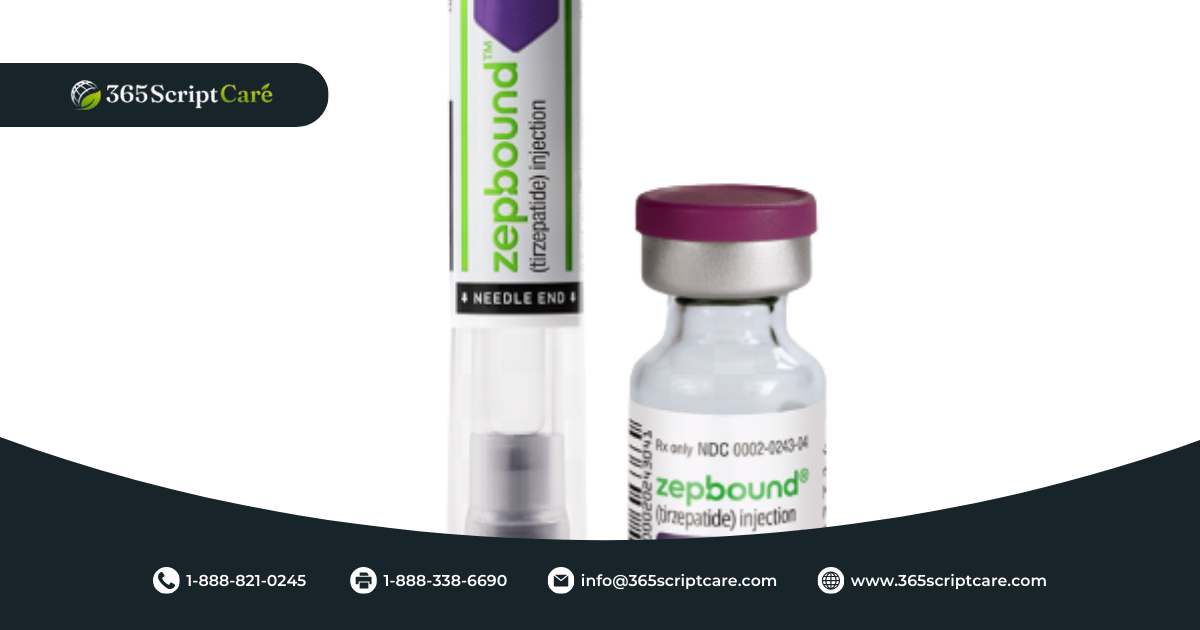
Zepbound represents a breakthrough medication containing Tirzepatide, which activates both GIP and GLP-1 receptors in the body to promote weight reduction. This dual-action mechanism sets it apart from similar medications by targeting multiple pathways that control hunger, satiety, and metabolic processes. The medication comes as a pre-filled pen for weekly subcutaneous injection, making it convenient for self-administration at home.
The science behind Zepbound weight loss involves slowing gastric emptying, which helps you feel fuller for longer periods after meals. Additionally, it influences brain signals related to appetite control, reducing cravings and the desire to eat between meals. These combined effects create a powerful tool for sustainable weight management when paired with dietary modifications and increased physical activity.
Key Mechanisms of Action
- Appetite suppression – Reduces hunger signals sent to the brain
- Delayed gastric emptying – Food stays in stomach longer, promoting satiety
- Blood sugar regulation – Helps maintain stable glucose levels throughout the day
- Metabolic enhancement – Improves the body’s ability to process nutrients efficiently
- Calorie reduction – Natural decrease in food intake without feeling deprived
The medication starts working immediately after the first injection, though visible results take time to manifest. Your body needs several weeks to adapt to the hormonal changes and establish new eating patterns. This gradual approach helps minimize side effects while maximizing long-term success potential.
Getting started with Zepbound through 365 Script Care, a prescription referral service, ensures you receive authentic medication with proper guidance on usage and expectations.
Timeline of Expected Weight Loss Results
Understanding the progression of Zepbound weight loss helps set realistic expectations for your journey. Most patients follow a predictable pattern of weight reduction, though individual experiences vary based on numerous factors. The medication works progressively, with results building over time as your body adjusts to treatment.
Weeks 1-4 – Initial Adjustment Period
During the first month, your body begins adapting to the medication’s effects on appetite and digestion. Weight loss during this phase tends to be modest, typically 1-3% of starting body weight. Some people may experience minimal changes while their system adjusts to the new hormonal signals. This period focuses primarily on tolerance building and side effect management rather than dramatic weight changes.
Weeks 5-12 – Acceleration Phase
As dosage increases and your body fully responds to treatment, Zepbound weight loss becomes more noticeable. Many patients report losing 5-10% of their initial weight during this period. The combination of reduced appetite and improved metabolic function creates optimal conditions for steady, sustainable weight reduction. Energy levels often improve as the body becomes more efficient at utilizing stored fat for fuel.
Months 3-6 – Steady Progress
| Timeline | Average Weight Loss | Key Milestones |
|---|---|---|
| Month 3 | 8-12% of starting weight | Clothes fitting differently, improved mobility |
| Month 4 | 12-15% of starting weight | Noticeable physical changes, better energy |
| Month 5 | 15-18% of starting weight | Significant health improvements |
| Month 6 | 18-22% of starting weight | Major transformation visible |
The consistency of results during this phase reinforces positive habits and motivates continued adherence to treatment protocols. Regular monitoring helps ensure you’re progressing appropriately while maintaining nutritional balance.
Factors That Influence Weight Loss Speed
Several variables affect how quickly individuals experience Zepbound weight loss results. Understanding these factors helps optimize your treatment approach and set appropriate expectations for your personal journey. Each person’s unique physiology and lifestyle choices play crucial roles in determining overall success.
Starting Weight and Metabolic Health
People with higher initial body weights often see faster absolute weight loss, though the percentage may remain similar across different starting points. Metabolic conditions like insulin resistance or thyroid disorders can influence how quickly your body responds to treatment. Those with better baseline metabolic health typically experience more predictable, steady progress throughout their treatment journey.
Dietary Habits and Nutritional Choices
- Protein intake – Adequate protein preserves muscle mass during weight loss
- Hydration levels – Proper water consumption supports metabolic processes
- Meal timing – Regular eating schedules optimize medication effectiveness
- Portion control – Smaller, balanced meals enhance satiety signals
- Nutrient density – Focus on whole foods maximizes health benefits
Physical Activity and Exercise Patterns
Movement amplifies Zepbound weight loss by increasing caloric expenditure and improving metabolic efficiency. Even moderate activities like walking 30 minutes daily can significantly enhance results. Resistance training helps maintain muscle mass, ensuring weight loss comes primarily from fat stores rather than lean tissue.
Combining cardiovascular exercise with strength training creates an optimal environment for body composition improvements. Start slowly and gradually increase intensity as your fitness improves and weight decreases.
Managing Side Effects While Maximizing Results

Successfully navigating potential side effects ensures consistent adherence to your Zepbound weight loss program. Most adverse reactions occur early in treatment and diminish as your body adjusts to the medication. Understanding common experiences helps you prepare appropriately and maintain treatment momentum.
Common Digestive Adjustments
Nausea represents the most frequently reported side effect, particularly during dose escalation periods. Eating smaller, more frequent meals helps minimize discomfort while maintaining adequate nutrition. Avoid fatty, spicy, or heavily seasoned foods during adjustment phases. Ginger tea or peppermint can provide natural relief for mild stomach upset.
Constipation may occur as digestion slows, making adequate fiber and water intake essential. Include plenty of vegetables, fruits, and whole grains in your diet. Regular physical activity also promotes healthy bowel movements and overall digestive health.
Strategies for Side Effect Management
| Side Effect | Management Strategy | Duration |
|---|---|---|
| Nausea | Small meals, avoid triggers | 1-2 weeks per dose increase |
| Fatigue | Adequate rest, B vitamins | First 2-3 weeks |
| Headache | Hydration, consistent sleep | Intermittent |
| Dizziness | Slow position changes | First few weeks |
Keeping a symptom journal helps identify patterns and triggers specific to your experience. This information proves valuable when discussing treatment adjustments with healthcare providers.
Purchase authentic Zepbound through 365 Script Care, ensuring you receive proper support throughout your treatment journey.
Comparing Zepbound Weight Loss to Other Approaches
Understanding how Zepbound compares to alternative weight management options helps inform treatment decisions. While many medications target similar pathways, the dual-receptor activation of Zepbound offers unique advantages for comprehensive weight reduction. This distinction translates into potentially superior results for appropriate candidates.
Traditional Diet and Exercise Alone
Conventional weight loss through calorie restriction and increased activity typically yields 5-10% body weight reduction over six months for motivated individuals. However, maintaining these losses proves challenging, with many people regaining weight within one to two years. Zepbound weight loss enhances traditional approaches by addressing biological hunger signals that often sabotage long-term success.
The medication doesn’t replace healthy lifestyle choices but rather amplifies their effectiveness. Patients find adherence to nutritional plans easier when appetite remains controlled and cravings diminish naturally.
Other Medical Weight Management Options
- Semaglutide medications – Single GLP-1 activation, generally 12-15% weight loss
- Older appetite suppressants – Limited effectiveness, more side effects
- Metabolic enhancers – Modest results, often temporary
- Surgical interventions – More dramatic but invasive with higher risks
- Meal replacement programs – Difficult to sustain long-term
The dual-action mechanism of Zepbound provides advantages over single-pathway medications, potentially offering superior weight reduction with comparable tolerability. Individual responses vary, making personalized medical guidance essential for optimal outcomes.
Lifestyle Modifications That Enhance Treatment Success

Maximizing Zepbound weight loss requires intentional lifestyle adjustments that support the medication’s mechanisms. These changes don’t need to be drastic; small, consistent improvements yield substantial cumulative benefits over time. Creating sustainable habits ensures long-term success beyond the active treatment period.
Nutritional Optimization Strategies
Focus on nutrient-dense foods that provide maximum nutrition per calorie consumed. Lean proteins, colorful vegetables, whole grains, and healthy fats form the foundation of an effective eating plan. Meal preparation helps maintain consistency when appetite fluctuates during treatment. Planning reduces impulsive food choices that might undermine progress.
Track your intake initially to understand portion sizes and caloric density of different foods. This awareness becomes automatic over time, making long-term weight maintenance more manageable. Remember that Zepbound reduces appetite but doesn’t eliminate the need for balanced nutrition.
Sleep and Stress Management
| Factor | Impact on Weight Loss | Optimization Strategy |
|---|---|---|
| Sleep quality | Poor sleep increases hunger hormones | 7-9 hours nightly, consistent schedule |
| Stress levels | Cortisol promotes fat storage | Meditation, yoga, regular relaxation |
| Hydration | Dehydration mimics hunger | 64+ ounces daily, more with exercise |
| Social support | Accountability improves adherence | Join support groups, involve family |
Quality sleep proves essential for hormonal balance and metabolic health. Establish a regular bedtime routine and create a comfortable sleep environment. Stress management techniques like deep breathing or journaling help prevent emotional eating patterns that could interfere with treatment progress.
Building Sustainable Exercise Habits
Start with activities you enjoy to ensure long-term adherence. Walking, swimming, dancing, or gardening all contribute to increased caloric expenditure. Gradually increase duration and intensity as fitness improves. Aim for at least 150 minutes of moderate activity weekly, spread across multiple days.
Strength training twice weekly helps preserve muscle mass during Zepbound weight loss. Simple bodyweight exercises or resistance bands work well for beginners. As you become stronger and lighter, more challenging activities become accessible and enjoyable.
Long-term Expectations and Maintenance Strategies
Planning for long-term success involves understanding what happens after reaching your goal weight with Zepbound. The medication provides powerful tools for initial weight loss, but maintaining results requires ongoing commitment to healthy behaviors. Many patients continue treatment at lower doses for maintenance, while others transition to lifestyle management alone.
Plateau Management and Continued Progress
Weight loss plateaus occur naturally as your body adapts to lower caloric intake and reduced body mass. These temporary stalls don’t indicate treatment failure but rather normal physiological adjustments. Patience during plateau periods prevents discouragement and premature treatment discontinuation.
Strategies for overcoming plateaus include varying exercise routines, adjusting meal timing, or temporarily increasing protein intake. Some patients benefit from brief diet breaks where calories increase slightly before resuming deficit eating. Your healthcare provider might also adjust medication dosing to reignite progress.
Transitioning to Maintenance Phase
- Gradual dose reduction – Slowly decrease medication under medical supervision
- Habit reinforcement – Continue healthy behaviors established during treatment
- Regular monitoring – Track weight weekly to catch regain early
- Flexible approach – Allow occasional indulgences without guilt
- Support systems – Maintain connections with others on similar journeys
Success stories demonstrate that maintaining Zepbound weight loss remains achievable with proper planning and support. The skills and habits developed during active treatment provide a foundation for lifelong health improvements.
Making Your Weight Loss Journey Successful
Achieving sustainable Zepbound weight loss requires commitment, patience, and comprehensive support throughout your journey. The medication provides powerful assistance for overcoming biological barriers to weight reduction, but personal effort amplifies these effects. Creating realistic expectations while maintaining optimism helps navigate challenges that arise during treatment.
Remember that weight loss represents just one aspect of overall health improvement. Focus on non-scale victories like increased energy, better sleep, improved mobility, and enhanced mood. These quality-of-life improvements often occur before significant weight changes become visible. Celebrating all progress, regardless of size, maintains motivation during slower periods.
Building a support network proves invaluable for long-term success. Whether through online communities, local support groups, or involving family and friends, connection with others facing similar challenges provides encouragement and practical strategies. Sharing experiences and learning from others’ journeys enriches your own transformation process while helping others along their paths.
Frequently Asked Questions
How much weight can you lose on Zepbound in a month?
Weight loss varies individually, but most people lose between 4-8 pounds monthly during active treatment phases. Initial months may show slower progress as your body adjusts, while later months often demonstrate accelerated results. Factors including starting weight, adherence to lifestyle modifications, and individual metabolism influence monthly losses. Some patients report losing up to 10-12 pounds during peak effectiveness months, particularly when combining medication with significant dietary and exercise improvements.
Is Zepbound the same as Ozempic?
No, Zepbound and Ozempic contain different active ingredients and work through distinct mechanisms. Zepbound contains Tirzepatide, which activates both GIP and GLP-1 receptors, while Ozempic contains semaglutide, affecting only GLP-1 receptors. This dual-action approach of Zepbound potentially offers enhanced weight loss compared to single-receptor medications. Both medications require weekly injections and share some similar side effects, but clinical responses and individual experiences differ between the two options.
Is Zepbound good for weight loss?
Yes, Zepbound demonstrates exceptional effectiveness for weight reduction in appropriate candidates. Studies show average weight losses of 20-25% of starting body weight over treatment periods. The medication works best when combined with lifestyle modifications including dietary changes and increased physical activity. Individual results vary, but most patients experience significant, sustainable weight reduction that improves overall health markers and quality of life.
Why is Zepbound so expensive?
The cost reflects extensive research, development, and manufacturing processes required for this innovative medication. Biological medications like Zepbound involve complex production methods and quality control measures. Consider accessing Zepbound through 365 Script Care, a prescription referral service offering competitive pricing options.
What is the monthly cost of Zepbound?
Monthly costs vary significantly depending on dosage, location, and access method. Without coverage assistance, monthly expenses can range from $800-1,500. Various discount programs and prescription referral services help reduce out-of-pocket costs substantially. Shopping through international prescription services often provides significant savings compared to local retail prices. Individual financial situations and available resources determine the most cost-effective approach for accessing treatment.
Who is a good candidate for Zepbound?
Ideal candidates include adults with obesity (BMI 30+) or overweight individuals (BMI 27+) with weight-related health conditions. People who haven’t achieved adequate results through diet and exercise alone often benefit significantly. Motivation for lifestyle changes and commitment to long-term treatment enhance success likelihood. Medical evaluation determines individual suitability based on health history, current medications, and treatment goals.
Who cannot use Zepbound?
Certain individuals should avoid Zepbound, including pregnant or nursing women, people with personal or family history of medullary thyroid carcinoma, and those with Multiple Endocrine Neoplasia syndrome type 2. Individuals with severe gastrointestinal diseases, pancreatitis history, or certain diabetic complications may need alternative approaches. Children under 18 and people with eating disorders typically aren’t appropriate candidates. Always consult healthcare providers for personalized assessment.
How long do people stay on Zepbound?
Treatment duration varies based on individual goals, response, and medical recommendations. Many patients continue treatment for 12-18 months to achieve substantial weight loss. Some maintain lower doses indefinitely for weight maintenance, while others successfully transition to lifestyle management alone. Regular medical monitoring helps determine optimal treatment duration. The decision to continue, adjust, or discontinue treatment involves careful consideration of benefits, risks, and personal circumstances.