Microdosing Tirzepatide represents a growing approach to weight management that involves taking smaller, more frequent doses of this medication compared to standard protocols. This method aims to minimize side effects while maintaining therapeutic benefits for individuals seeking sustainable weight loss solutions. The practice involves carefully calculated doses that typically range from 0.5mg to 2.5mg, administered under medical supervision to optimize results while reducing common gastrointestinal complications. Healthcare providers increasingly recommend this approach for patients who experience significant side effects with conventional dosing schedules. The microdosing strategy allows for better tolerance, improved adherence, and potentially enhanced long-term outcomes. This comprehensive exploration examines the science behind microdosing protocols, optimal dosage calculations, expected results, potential risks, and practical implementation strategies for achieving successful weight management goals.
What Is Microdosing Tirzepatide and How It Works
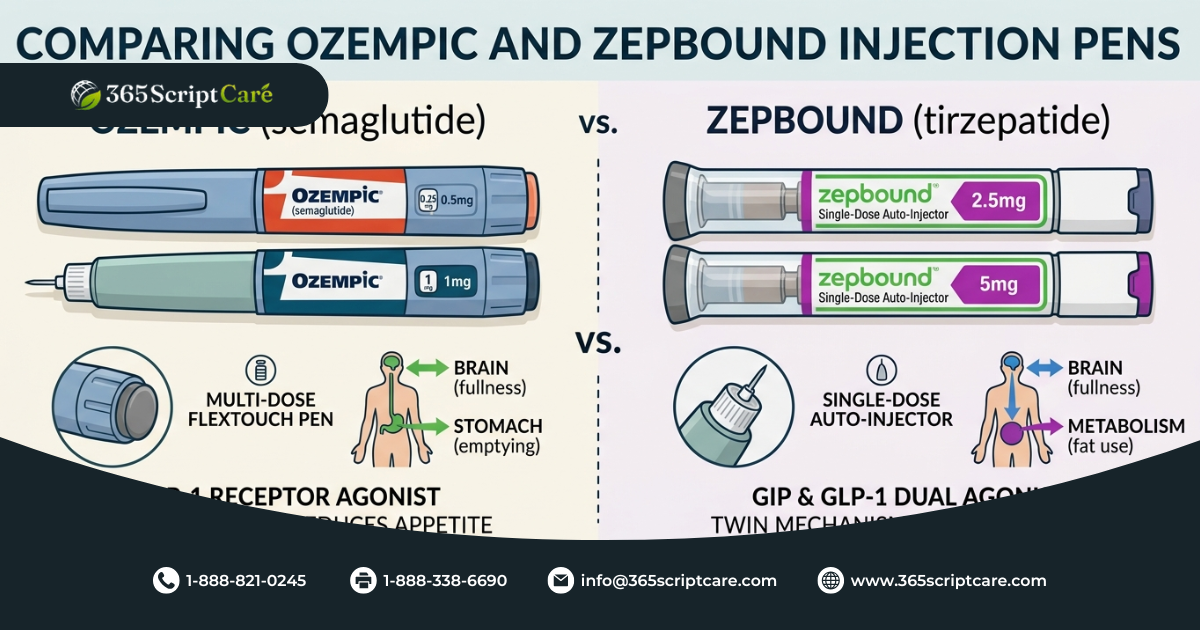
Microdosing Tirzepatide involves administering smaller doses of this dual-action medication more frequently than traditional once-weekly injections. The medication works by targeting both GLP-1 and GIP receptors, which regulate blood sugar levels and appetite control mechanisms within the body.
The standard approach typically begins with 2.5mg weekly doses, but microdosing protocols often start with 0.5mg to 1mg doses administered every few days. This modified approach allows the body to gradually adapt to the medication’s effects while minimizing common side effects such as nausea, vomiting, and digestive discomfort.
Healthcare professionals who advocate for microdosing Tirzepatide point to several physiological advantages:
- Enhanced receptor sensitivity through consistent, lower-level stimulation
- Reduced peak plasma concentrations that often trigger adverse reactions
- Improved metabolic stability throughout the dosing cycle
- Better appetite regulation without overwhelming satiety signals
The medication’s dual receptor activity means that even smaller doses can provide meaningful therapeutic benefits. GLP-1 receptor activation promotes insulin secretion and delays gastric emptying, while GIP receptor stimulation enhances glucose-dependent insulin release and supports healthy weight management.
Ready to explore affordable Tirzepatide options? Visit 365 Script Care to learn about accessible prescription solutions.
Benefits of Microdosing Tirzepatide for Weight Loss
The primary advantage of microdosing Tirzepatide lies in its ability to deliver consistent therapeutic effects while significantly reducing the severity of side effects that often lead to treatment discontinuation. Research indicates that patients following microdosing protocols experience more gradual but sustainable weight loss patterns.
Weight loss benefits observed with microdosing Tirzepatide include:
- Steady appetite suppression without extreme satiety that interferes with daily activities
- Consistent energy levels throughout the day
- Reduced food cravings and improved portion control
- Enhanced metabolic rate without significant fluctuations
- Better blood sugar stability for individuals with diabetes
Many individuals report that microdosing Tirzepatide allows them to maintain their regular eating schedules while naturally reducing caloric intake. The gradual approach often results in weight loss rates of 1-3 pounds per week, which healthcare providers consider optimal for long-term success.
The psychological benefits cannot be overlooked either. Patients frequently report increased confidence in their ability to maintain the treatment long-term, leading to better overall adherence and more positive health outcomes. The reduced side effect profile means fewer interruptions to work, social activities, and family responsibilities.
Additional metabolic improvements often observed include better sleep patterns, improved insulin sensitivity, and enhanced cardiovascular health markers. These comprehensive benefits make microdosing Tirzepatide an attractive option for individuals seeking holistic health improvements beyond simple weight reduction.
Optimal Dosage Protocols for Microdosing Tirzepatide
Determining the appropriate microdosing schedule requires careful consideration of individual factors including current weight, metabolic health status, previous medication experience, and specific weight loss goals. Healthcare providers typically recommend starting with the lowest effective dose and gradually adjusting based on patient response and tolerance.
Common microdosing protocols include:
| Phase | Timeline | Dosage | Frequency | Key Monitoring Points |
|---|---|---|---|---|
| Starting Phase | Weeks 1-4 | 0.5mg | Every 3-4 days | Side effects, initial weight loss, tolerance |
| Adjustment Phase | Weeks 5-8 | 0.75mg | Every 3-4 days | Energy levels, appetite changes, effectiveness |
| Maintenance Phase | Week 9+ | 1-2mg | Every 3 days to twice weekly | Continued effectiveness, stable weight loss |
Starting Phase (Weeks 1-4)
- 0.5mg every 3-4 days
- Monitor side effects and weight loss progress
- Adjust timing based on individual response patterns
Adjustment Phase (Weeks 5-8)
- Increase to 0.75mg every 3-4 days if well tolerated
- Consider extending intervals if experiencing optimal results
- Document energy levels and appetite changes
Maintenance Phase (Week 9+)
- Establish consistent dosing schedule based on previous phases
- May range from 1mg every 3 days to 2mg twice weekly
- Regular monitoring for continued effectiveness
The key principle behind successful microdosing Tirzepatide protocols involves maintaining therapeutic blood levels while avoiding peak concentrations that trigger adverse reactions. Some healthcare providers recommend splitting weekly doses into smaller, more frequent administrations rather than following traditional once-weekly schedules.
Individual factors that influence optimal dosing include body mass index, insulin sensitivity, previous GLP-1 agonist experience, and concurrent medications. Patients with higher baseline weights may require slightly higher microdoses to achieve meaningful results, while those with significant insulin resistance might benefit from more frequent smaller doses.
Expected Results and Timeline With Microdosing Tirzepatide

Weight loss results from microdosing Tirzepatide typically follow a more gradual but consistent pattern compared to standard dosing protocols. Most patients begin noticing appetite changes within the first week, with measurable weight loss becoming apparent within 2-3 weeks of starting treatment.
Typical timeline expectations include:
| Timeline | Expected Changes | Weight Loss Range | Key Milestones |
|---|---|---|---|
| Week 1-2 | Initial appetite suppression, reduced cravings | 1-2 pounds | Improved satiety signals |
| Week 3-4 | First noticeable weight loss, increased energy | 2-4 pounds total | Stabilized eating patterns |
| Month 2 | Continued steady progress, improved habits | 6-10 pounds total | Enhanced metabolic function |
| Month 3 | Significant progress, stabilized side effects | 12-18 pounds total | Established routine |
| Month 4-6 | Sustained results, lifestyle integration | 20-35 pounds total | Long-term habit formation |
Week 1-2: Initial appetite suppression, reduced cravings, improved satiety Week 3-4: First noticeable weight loss (2-4 pounds), increased energy levels Month 2: Continued steady weight loss (6-10 pounds total), improved eating habits Month 3: Significant progress (12-18 pounds total), stabilized side effects Month 4-6: Continued progress with 20-35 pounds total weight loss possible
The gradual nature of microdosing Tirzepatide often leads to more sustainable results because patients develop healthier eating habits over time rather than experiencing dramatic appetite suppression that may not be maintainable long-term.
Individual results vary significantly based on factors such as starting weight, dietary adherence, physical activity levels, and metabolic health status. Patients who combine microdosing protocols with structured nutrition plans and regular exercise typically achieve superior outcomes.
Many healthcare providers note that patients following microdosing Tirzepatide protocols report higher satisfaction rates and better quality of life improvements compared to those using standard dosing schedules. The reduced side effect burden allows individuals to maintain their normal activities while still achieving meaningful weight loss goals.
Considering Tirzepatide for your weight loss journey? Discover competitive pricing options at 365 Script Care for your prescription needs.
Potential Risks and Side Effects of Microdosing Tirzepatide

While microdosing Tirzepatide generally produces fewer side effects than standard protocols, patients should remain aware of potential risks and adverse reactions. The most common side effects remain gastrointestinal in nature, though typically milder and more manageable with proper dosing strategies.
Common side effects may include:
- Mild nausea, especially during initial weeks
- Occasional digestive discomfort or changes in bowel movements
- Temporary fatigue as the body adjusts to metabolic changes
- Mild headaches during dose adjustments
- Reduced appetite that may affect social eating situations
Serious side effects, while rare, require immediate medical attention and include severe abdominal pain, signs of pancreatitis, allergic reactions, or significant changes in mood or mental health status. Patients with history of thyroid disorders, kidney disease, or severe gastrointestinal conditions may face higher risks.
Risk mitigation strategies for microdosing Tirzepatide include:
- Starting with the lowest possible effective dose
- Maintaining regular communication with healthcare providers
- Monitoring blood sugar levels if diabetic
- Staying adequately hydrated throughout treatment
- Reporting any concerning symptoms promptly
The gradual dose escalation typical of microdosing protocols allows healthcare providers to identify potential issues early and make appropriate adjustments. Many patients find that side effects diminish significantly after the first month of consistent dosing.
Long-term safety considerations include regular monitoring of kidney function, pancreatic health, and overall metabolic status. While microdosing Tirzepatide appears to reduce the risk of severe side effects, ongoing medical supervision remains essential for safe and effective treatment outcomes.
Who Should Consider Microdosing Tirzepatide
Microdosing Tirzepatide may be particularly beneficial for specific patient populations who have struggled with traditional weight loss approaches or experienced significant side effects with standard dosing protocols. Healthcare providers typically consider this approach for individuals seeking a more gradual, sustainable weight loss method.
Ideal candidates often include:
- Individuals who experienced severe side effects with standard GLP-1 agonist dosing
- Patients seeking moderate weight loss (15-30 pounds) rather than dramatic reductions
- Those with sensitive digestive systems or history of gastrointestinal disorders
- Individuals who prefer gradual lifestyle changes over rapid transformations
- Patients with demanding work or family schedules who cannot accommodate significant side effects
Healthcare providers also consider microdosing Tirzepatide for patients who have previously discontinued weight loss medications due to tolerability issues. The gentler approach often allows these individuals to successfully complete treatment cycles and achieve their weight loss goals.
Certain medical conditions may make microdosing protocols particularly appropriate, including mild diabetes, metabolic syndrome, or hormonal imbalances that affect weight management. The consistent, lower-level medication exposure can help stabilize these conditions while supporting weight loss efforts.
Age considerations also play a role, as older adults may benefit from the reduced side effect profile and more gradual metabolic changes associated with microdosing approaches. Similarly, individuals with multiple medical conditions or those taking several medications may find microdosing easier to integrate into their existing treatment regimens.
The psychological profile of successful microdosing candidates often includes individuals who prefer steady progress over rapid changes and those who have struggled with yo-yo dieting patterns in the past.
Implementation and Monitoring Strategies
Successful microdosing Tirzepatide requires careful planning, consistent monitoring, and regular adjustments based on individual response patterns. Healthcare providers typically establish comprehensive protocols that address dosing schedules, side effect management, and progress tracking.
Essential implementation components include:
Pre-treatment Assessment
- Comprehensive medical history and physical examination
- Baseline weight, blood pressure, and laboratory values
- Discussion of realistic weight loss goals and timelines
- Education about proper injection techniques and storage
Ongoing Monitoring Schedule
- Weekly check-ins during first month
- Bi-weekly appointments during adjustment phase
- Monthly visits once stable dosing achieved
- Quarterly comprehensive health assessments
Progress Tracking Methods
- Regular weight measurements and body composition analysis
- Food diary and appetite pattern documentation
- Side effect severity and frequency recording
- Energy level and quality of life assessments
Healthcare providers often recommend combining microdosing Tirzepatide with structured lifestyle modifications including nutritional counseling, exercise planning, and behavioral support. This comprehensive approach typically produces superior long-term outcomes compared to medication alone.
Technology integration can enhance monitoring effectiveness through smartphone apps that track dosing schedules, side effects, weight changes, and medication reminders. Many patients find these tools helpful for maintaining consistency and communicating effectively with their healthcare teams.
Regular laboratory monitoring may include blood glucose levels, kidney function tests, and lipid profiles to ensure the medication continues providing benefits without adverse effects on overall health status.
Key Takeaways
Microdosing Tirzepatide represents a promising approach to weight management that prioritizes sustainability and tolerability over rapid results. This method allows individuals to achieve meaningful weight loss while maintaining their quality of life and daily responsibilities.
The success of microdosing protocols depends heavily on proper medical supervision, consistent monitoring, and individualized dose adjustments. Patients who work closely with their healthcare providers and maintain realistic expectations typically achieve the best outcomes.
While microdosing Tirzepatide may not produce the dramatic initial weight loss seen with standard protocols, the gradual approach often leads to more sustainable long-term results and higher patient satisfaction rates. The reduced side effect profile makes this approach particularly valuable for individuals who have struggled with traditional weight loss medications.
As with any medical treatment, individual results vary significantly, and what works well for one person may not be optimal for another. The key lies in finding the right balance between effectiveness and tolerability under proper medical guidance.
For those considering this approach, working with experienced healthcare providers who understand both the benefits and limitations of microdosing protocols remains essential for safe and effective treatment outcomes.
Frequently Asked Questions
Can You Microdose Weight Loss Drugs?
Yes, microdosing weight loss medications like Tirzepatide involves taking smaller, more frequent doses rather than following standard protocols. This approach can reduce side effects while maintaining therapeutic benefits. Healthcare providers often recommend microdosing for patients who experience significant adverse reactions with conventional dosing schedules. The key is working with medical professionals to establish safe and effective dosing protocols tailored to individual needs and health status.
What Is Considered a Microdose of Mounjaro?
A microdose of Mounjaro (Tirzepatide) typically ranges from 0.5mg to 2mg, administered more frequently than the standard once-weekly schedule. Many healthcare providers start with 0.5mg every 3-4 days and adjust based on patient response and tolerance. This represents significantly smaller amounts than the standard starting dose of 2.5mg weekly, allowing for gentler introduction and better side effect management.
How to Speed Up Weight Loss With Tirzepatide?
Combining microdosing Tirzepatide with structured lifestyle modifications can optimize weight loss results. Focus on consistent dosing schedules, balanced nutrition with adequate protein intake, regular physical activity, proper hydration, and sufficient sleep. Avoid attempting to accelerate results by increasing doses without medical supervision, as this often leads to increased side effects and potential treatment discontinuation.
How to Microdose Mounjaro 10mg?
The 10mg Mounjaro pen contains multiple doses when used for microdosing protocols. Healthcare providers typically recommend drawing smaller amounts (0.5mg-2mg) using insulin syringes under medical supervision. Proper storage, sterile technique, and accurate dose measurement remain crucial for safety and effectiveness. Never attempt to modify prescribed dosing without consulting your healthcare provider first.
How Many Units Is Microdosing Tirzepatide?
Microdosing Tirzepatide typically involves 10-40 units when using insulin syringes, depending on the concentration and prescribed dose. One milligram generally equals approximately 20 units in standard dilutions. Healthcare providers calculate exact unit measurements based on individual prescriptions and desired dosing schedules. Always verify measurements with medical professionals to ensure accuracy and safety.
What Mg Is Considered a Microdose?
Microdoses generally range from 0.5mg to 2.5mg for Tirzepatide, significantly lower than standard therapeutic doses. The specific amount depends on individual factors including weight, medical history, previous medication experience, and treatment goals. Healthcare providers typically start with the lowest effective dose and gradually adjust based on patient response and tolerance levels.
What Is Considered a Microdose of GLP-1?
GLP-1 agonist microdoses vary by medication but generally represent 25-50% of standard starting doses. For Tirzepatide, this typically means 0.5mg-1.25mg rather than the standard 2.5mg starting dose. The concept focuses on achieving therapeutic benefits while minimizing side effects through smaller, more frequent dosing schedules tailored to individual patient needs and tolerance levels.