Ozempic on the brain presents complex interactions between diabetes medication and neurological function that extend beyond blood sugar control. This GLP-1 receptor agonist medication influences brain chemistry through multiple pathways, affecting appetite regulation, mood stabilization, and cognitive processes. Research indicates that Ozempic crosses the blood-brain barrier and binds to receptors throughout the central nervous system, potentially altering neurotransmitter levels and neural signaling patterns. Weight loss associated with the medication may trigger psychological changes ranging from improved self-esteem to unexpected emotional responses. Healthcare providers report varying mental health outcomes among patients, including reduced anxiety in some individuals while others experience mood fluctuations or cognitive changes during treatment periods.
How Ozempic Works in Your Body and Mind
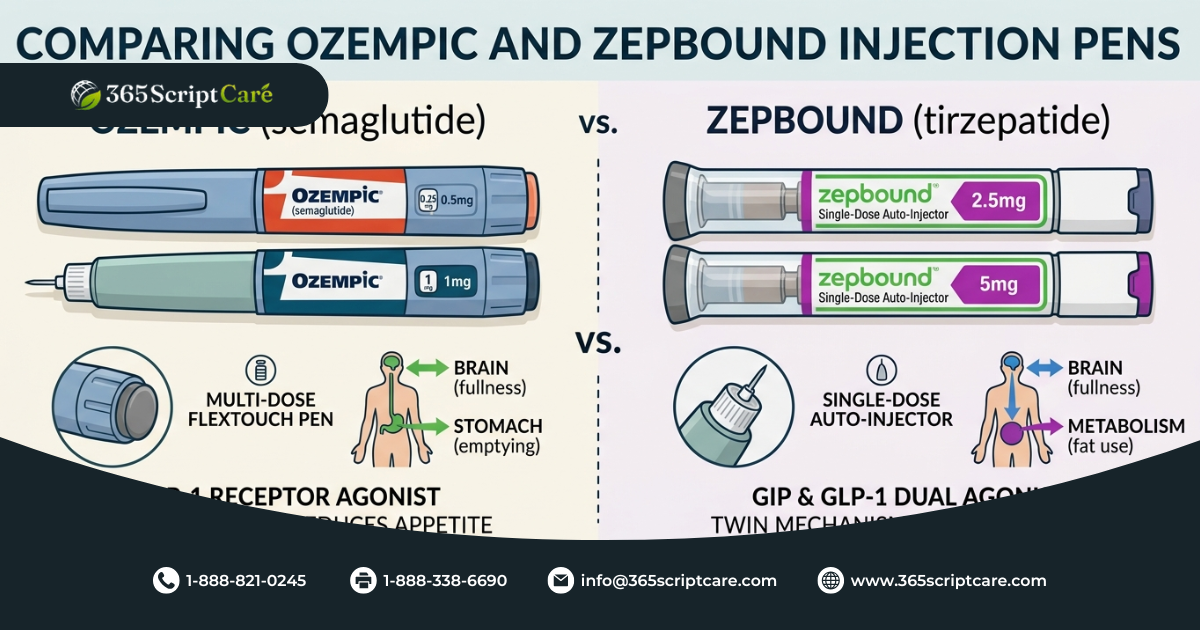
The mechanism behind Ozempic on the brain involves sophisticated biological processes that regulate both metabolic and neurological functions. Semaglutide, the active ingredient in Ozempic, mimics naturally occurring GLP-1 hormones that your body produces after eating. These hormones communicate directly with brain regions responsible for appetite control, particularly the hypothalamus and brainstem areas.
When Ozempic enters your bloodstream through weekly injections, it travels throughout your body and reaches brain tissue within hours. The medication binds to specific GLP-1 receptors found abundantly in areas controlling:
- Appetite and satiety signals
- Reward processing centers
- Mood regulation pathways
- Memory formation regions
- Executive function areas
Your brain responds to these signals by reducing hunger sensations and altering food preferences. Many patients report decreased cravings for high-calorie foods and reduced interest in eating between meals. These changes occur because Ozempic modifies how your brain interprets hunger and fullness signals from your digestive system.
The medication also influences dopamine pathways, which play crucial roles in motivation, pleasure, and reward-seeking behaviors. This interaction explains why some individuals experience changes in their relationship with food beyond simple appetite suppression. Research suggests that Ozempic may reduce the rewarding aspects of eating, particularly for highly palatable foods.
Brain imaging studies reveal increased activity in regions associated with self-control and decreased activation in areas linked to food cravings when patients take Ozempic. These neurological changes support sustained weight loss by addressing both physiological hunger and psychological eating patterns.
Looking for affordable diabetes management options? You can buy cheap Ozempic online from Canada through 365 Script Care, a prescription referral service that connects patients with licensed pharmacies offering significant savings on brand-name medications.
Mental Health Changes During Ozempic Treatment
Ozempic on the brain can produce various mental health effects that patients and healthcare providers should monitor carefully. Individual responses vary significantly, with some people experiencing improved psychological wellbeing while others face unexpected emotional challenges during treatment.
Positive Mental Health Impacts
Many patients report enhanced mood stability after starting Ozempic therapy. Weight loss success often contributes to increased confidence and reduced depression symptoms related to obesity. The medication’s effects on brain chemistry may independently improve emotional regulation through several mechanisms:
- Reduced inflammation markers linked to depression
- Stabilized blood sugar levels preventing mood swings
- Enhanced energy levels from improved metabolic function
- Better sleep quality resulting from weight loss
- Increased physical activity tolerance
Research indicates that GLP-1 receptor activation might possess antidepressant properties independent of weight loss effects. Some studies suggest potential neuroprotective benefits that could support long-term brain health and emotional stability.
Potential Psychological Challenges
While many experience benefits, Ozempic on the brain can occasionally trigger concerning psychological symptoms requiring medical attention. Healthcare providers have documented various mental health changes including:
- Increased anxiety or panic episodes
- Mood swings or irritability
- Changes in sleep patterns
- Concentration difficulties
- Altered emotional responses to stress
Some patients describe feeling emotionally “flat” or experiencing reduced enjoyment from activities they previously found pleasurable. These changes might relate to alterations in dopamine signaling pathways that affect reward processing beyond just food-related behaviors.
The rapid weight loss associated with Ozempic can also trigger psychological adjustments. Body image changes, shifting social dynamics, and identity questions sometimes emerge as patients adapt to their transforming appearance. Professional counseling support may help navigate these transitions successfully.
Cognitive Function and Memory Effects
The impact of Ozempic on the brain extends into cognitive domains, with emerging research exploring potential benefits for memory and thinking abilities. GLP-1 receptors exist throughout brain regions critical for learning, memory consolidation, and executive function.
Laboratory studies demonstrate that GLP-1 receptor activation may protect neurons from damage and support the growth of new brain cells. These neuroprotective properties suggest possible applications beyond diabetes management, particularly for age-related cognitive decline prevention.
Patients taking Ozempic have reported varying cognitive experiences:
- Improved mental clarity and focus
- Enhanced problem-solving abilities
- Better working memory performance
- Increased attention span
- Reduced brain fog symptoms
However, some individuals experience temporary cognitive challenges during initial treatment phases. These may include:
- Difficulty concentrating
- Word-finding problems
- Short-term memory lapses
- Mental fatigue
- Processing speed changes
Most cognitive side effects resolve as the body adjusts to medication. Maintaining stable blood sugar levels through Ozempic treatment often improves overall brain function by preventing glucose fluctuations that impair thinking abilities.
Neurological Side Effects to Watch For

Understanding how Ozempic on the brain manifests through various neurological symptoms helps patients recognize when medical consultation becomes necessary. While serious neurological complications remain rare, awareness of potential warning signs ensures prompt intervention when needed.
Common Neurological Symptoms
During the first few weeks of treatment, patients might experience:
Headaches Mild to moderate headaches affect approximately 14% of Ozempic users. These typically decrease as treatment continues and respond well to standard pain relievers. Staying hydrated and maintaining regular meal schedules helps minimize headache occurrence.
Dizziness Some patients report lightheadedness, particularly when standing quickly. This sensation often relates to blood pressure changes or dehydration rather than direct neurological effects. Gradual position changes and adequate fluid intake usually prevent dizzy spells.
Fatigue, Mental and physical tiredness may occur as your body adjusts to altered metabolism and reduced caloric intake. Energy levels typically improve after the initial adaptation period.
Warning Signs Requiring Medical Attention
Certain neurological symptoms warrant immediate healthcare provider consultation:
| Symptom | Description | Action Required |
| Severe headaches | Sudden, intense pain unlike typical headaches | Contact provider immediately |
| Vision changes | Blurred vision, double vision, or visual disturbances | Seek urgent evaluation |
| Confusion | Difficulty thinking clearly or understanding surroundings | Emergency assessment needed |
| Seizures | Involuntary movements or loss of consciousness | Call emergency services |
| Extreme mood changes | Suicidal thoughts or severe depression | Crisis intervention required |
Take advantage of substantial savings when you purchase Ozempic through 365 Script Care, offering Canadian pharmacy partner prices that make long-term diabetes management more affordable while maintaining medication quality and safety standards.
Long-term Brain Health Considerations
Research into Ozempic on the brain reveals intriguing possibilities for long-term neurological benefits beyond diabetes control. Scientists investigate whether GLP-1 receptor agonists might protect against neurodegenerative conditions and support healthy brain aging.
Potential Neuroprotective Benefits
Emerging evidence suggests Ozempic may offer protection against certain brain disorders:
Alzheimer’s Disease Prevention Studies indicate GLP-1 receptor activation might reduce amyloid plaque formation and tau protein tangles associated with Alzheimer’s development. The medication’s anti-inflammatory properties could slow neurodegeneration processes.
Preliminary investigations into Parkinson’s disease research explore whether Ozempic protects dopamine-producing neurons from damage. Some researchers hypothesize that GLP-1 agonists might slow Parkinson’s progression or reduce symptom severity.
Stroke Risk Reduction Cardiovascular benefits from Ozempic treatment may lower stroke risk by improving blood pressure, reducing inflammation, and enhancing blood vessel health. Better metabolic control supports overall brain circulation.
Cognitive Aging and Brain Function
Long-term Ozempic use might influence how brains age by:
- Maintaining insulin sensitivity in brain tissue
- Reducing oxidative stress damaging neurons
- Supporting blood-brain barrier integrity
- Enhancing cellular energy production
- Promoting neuroplasticity and adaptation
Regular monitoring helps identify any concerning changes while maximizing potential cognitive benefits. Healthcare providers may recommend periodic cognitive assessments for patients on long-term Ozempic therapy.
Managing Mental Health While Taking Ozempic

Successfully navigating Ozempic on the brain requires proactive mental health management strategies. Patients benefit from comprehensive approaches addressing both medication effects and lifestyle factors influencing psychological wellbeing.
Lifestyle Strategies for Mental Wellness
Regular Exercise Physical activity enhances mood through endorphin release and complements Ozempic’s metabolic benefits. Aim for 150 minutes of moderate exercise weekly, combining cardiovascular activities with strength training.
Stress Management Techniques
- Practice mindfulness meditation daily
- Try progressive muscle relaxation
- Engage in deep breathing exercises
- Maintain consistent sleep schedules
- Limit caffeine and alcohol intake
Nutritional Support: Adequate nutrition becomes crucial when appetite decreases.
Focus on:
- Protein-rich foods supporting neurotransmitter production
- Omega-3 fatty acids for brain health
- B-vitamins supporting nervous system function
- Antioxidant-rich fruits and vegetables
- Regular, balanced meal timing
Professional Support Resources
Mental health monitoring should accompany Ozempic treatment, particularly for individuals with pre-existing psychological conditions. Consider establishing care teams, including:
Healthcare providers should conduct regular check-ins with prescribing physicians to ensure appropriate dose adjustments and effective side effect management. Discuss any mood changes or cognitive concerns promptly.
Mental health specialists, therapists or counselors provide valuable support during weight loss journeys and medication adjustments. Cognitive-behavioural therapy helps develop healthy coping strategies.
Support groups connecting with others taking Ozempic offers peer support and shared experience benefits. Online communities and local groups provide encouragement and practical advice.
Nutritionists and registered dietitians help maintain adequate nutrition despite reduced appetite, ensuring brain health through proper dietary choices.
Ozempic on the Brain – Research and Future Directions
Scientific understanding of Ozempic on the brain continues evolving as researchers explore therapeutic applications beyond diabetes management. Current investigations examine how GLP-1 receptor agonists might revolutionize treatment approaches for various neurological and psychiatric conditions.
Current Research Focus Areas
Depression and Anxiety Studies- Multiple research teams investigate whether Ozempic’s brain effects could treat mood disorders. Preliminary findings suggest potential antidepressant properties independent of weight loss benefits. Scientists examine how GLP-1 receptor activation influences serotonin and dopamine systems regulating emotional states.
Addiction Treatment- Potential Intriguing research explores using Ozempic for substance use disorders. The medication’s effects on reward pathways might reduce cravings for alcohol, nicotine, and other addictive substances. Early studies show promising results for decreasing alcohol consumption and smoking cessation support.
Traumatic Brain Injury Recovery- Researchers Investigate Whether Ozempic’s Neuroprotective Properties Could Aid Recovery from Brain Injuries. Anti-inflammatory effects and support for neuronal repair mechanisms suggest potential therapeutic applications for concussion and stroke rehabilitation.
Emerging Applications
Scientists explore expanding uses for GLP-1 receptor agonists including:
- Autism spectrum disorder symptom management
- Attention deficit hyperactivity disorder treatment
- Bipolar disorder mood stabilization
- Chronic pain syndrome relief
- Multiple sclerosis progression slowing
These investigations remain preliminary, requiring extensive validation before potential approval for neurological or psychiatric indications.
Personalized Medicine Approaches
Future treatment strategies may incorporate genetic testing to predict individual responses to Ozempic on the brain. Biomarkers could identify patients most likely to experience cognitive benefits or mental health improvements. Personalized dosing protocols might optimize neurological outcomes while minimizing adverse effects.
Ready to start your treatment journey? Access affordable Ozempic through 365 Script Care, where prescription referral services help patients save significantly on essential diabetes medications without compromising quality or safety.
Key Takeaways
Ozempic on the brain represents a fascinating intersection of metabolic medicine and neuroscience, offering benefits beyond blood sugar control while requiring careful monitoring for psychological effects. The medication’s influence on brain chemistry affects appetite regulation, mood stability, and potentially cognitive function through complex mechanisms still being researched.
Patients experiencing mental health changes during Ozempic treatment should maintain open communication with healthcare providers to distinguish between adjustment periods and concerning symptoms. Most individuals adapt successfully to the medication’s neurological effects, often reporting improved emotional wellbeing alongside physical health gains.
Future research may unlock additional therapeutic applications for Ozempic on the brain, potentially revolutionizing treatment approaches for various neurological and psychiatric conditions. Meanwhile, current users benefit from understanding these brain interactions to optimize their treatment experience and recognize when professional support becomes necessary.
Frequently Asked Questions
How Does Ozempic Affect the Brain?
Ozempic affects the brain by binding to GLP-1 receptors located throughout the central nervous system, particularly in areas controlling appetite, mood, and cognitive function. The medication crosses the blood-brain barrier and influences neurotransmitter systems including dopamine and serotonin pathways. These interactions result in reduced hunger signals, altered food preferences, and potential changes in emotional regulation. Brain imaging studies show modified activity patterns in regions associated with reward processing and self-control.
Does Ozempic Affect Your Mental Health?
Mental health effects from Ozempic vary significantly among individuals, with many experiencing improved psychological wellbeing while others face temporary challenges. Positive impacts often include enhanced mood stability, reduced depression symptoms related to weight loss success, and increased self-confidence. Some patients report feeling more energetic and emotionally balanced due to stabilized blood sugar levels. However, certain individuals experience anxiety, mood swings, or emotional numbness during treatment. Rapid weight loss can trigger psychological adjustments requiring support.
Does Ozempic Change Your Mind?
Ozempic can influence thought patterns and decision-making processes, particularly regarding food choices and eating behaviors. Patients often report fundamental shifts in their relationship with food, experiencing reduced cravings and different responses to hunger cues. Some individuals notice changes in cognitive clarity, with many reporting improved focus and mental sharpness as metabolic health improves. The medication doesn’t fundamentally alter personality or core beliefs but may affect motivation, pleasure-seeking behaviors, and emotional responses.
Is Ozempic Hard on the Body?
Ozempic’s impact on the body involves multiple systems beyond just blood sugar regulation, requiring adjustment periods as physiology adapts. Common physical challenges include gastrointestinal symptoms like nausea, vomiting, and digestive discomfort, particularly during initial weeks. The medication slows gastric emptying, which can cause feelings of fullness and occasional constipation. Some patients experience fatigue, headaches, or dizziness as their bodies adjust to metabolic changes. However, most side effects diminish over time as tolerance develops.
Which Organ Does Ozempic Affect?
Ozempic affects multiple organs throughout the body, with primary impacts on the pancreas, liver, stomach, intestines, brain, and cardiovascular system. In the pancreas, it stimulates insulin production while suppressing glucagon release. The liver responds by reducing glucose production and improving insulin sensitivity. Stomach and intestinal effects include slowed digestion and altered nutrient absorption patterns. The brain experiences changes in appetite regulation and potentially mood and cognitive functions. Cardiovascular benefits include improved blood pressure and reduced inflammation.
Who Cannot Take Ozempic?
Certain individuals should avoid Ozempic due to medical contraindications or increased risk factors. People with personal or family history of medullary thyroid carcinoma or multiple endocrine neoplasia syndrome type 2 cannot use this medication. Pregnant or breastfeeding women should avoid Ozempic due to potential fetal risks. Individuals with severe gastrointestinal disorders, particularly gastroparesis or inflammatory bowel disease, may experience worsened symptoms. Those with history of pancreatitis require careful evaluation before starting treatment. Patients with severe kidney disease need dose adjustments or alternative treatments.
How to Tell If Someone Is on Ozempic?
Recognizing Ozempic use in others involves observing various physical and behavioral changes, though definitive determination requires direct disclosure. Rapid, sustained weight loss represents the most noticeable sign, particularly when occurring without dramatic lifestyle changes. Altered eating patterns, including smaller portion sizes and reduced snacking, often become apparent. Some individuals experience facial changes termed “Ozempic face,” featuring more pronounced facial features due to fat loss. Digestive symptoms like frequent bathroom visits or mentions of nausea might indicate usage.