Zepbound vs Saxenda represents a critical comparison for patients seeking prescription weight loss solutions with different mechanisms of action and effectiveness profiles. Zepbound contains tirzepatide, a dual GIP/GLP-1 receptor agonist that targets two hormones for appetite control and metabolic regulation, while Saxenda uses liraglutide, a single GLP-1 receptor agonist requiring daily injections. Studies demonstrate Zepbound achieving average weight loss of 15-22% of body weight compared to Saxenda’s 5-10% reduction over similar treatment periods. Cost differences between these medications remain substantial, with monthly expenses ranging from $1,000-1,500 depending on insurance coverage and pharmacy selection. Side effects, dosing schedules, and individual patient factors significantly influence which medication provides optimal results for sustainable weight management.
Understanding How These Weight Loss Medications Work
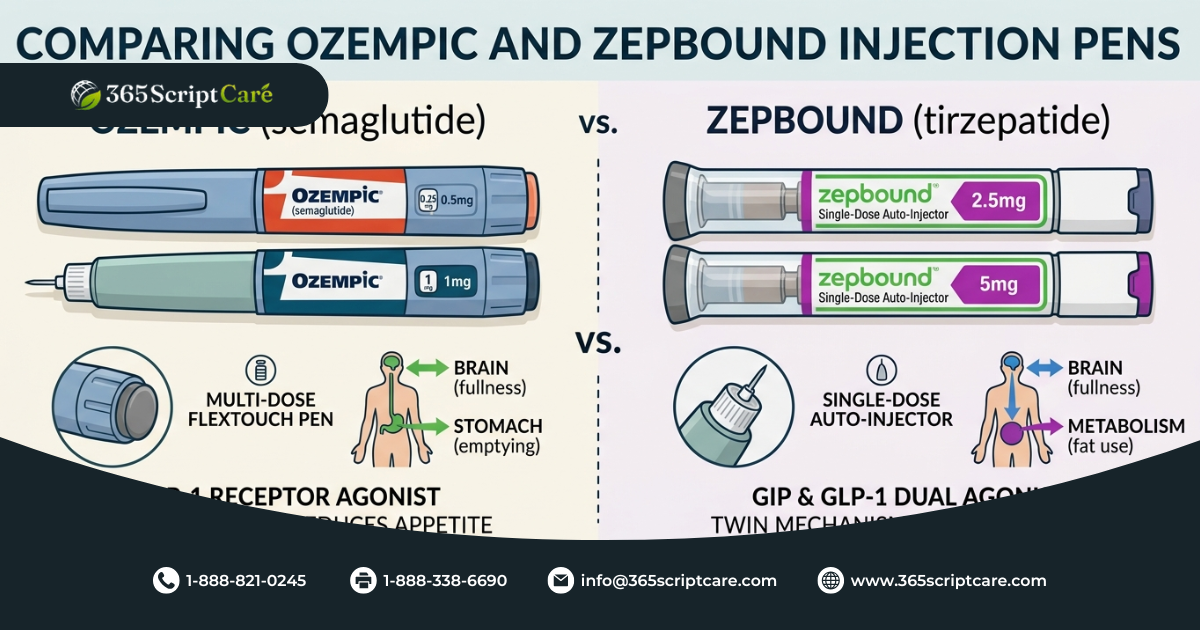
Zepbound and Saxenda operate through distinct biological pathways to achieve weight reduction. Tirzepatide in Zepbound activates both glucose-dependent insulinotropic polypeptide (GIP) and glucagon-like peptide-1 (GLP-1) receptors, creating a dual-action approach that enhances insulin secretion, slows gastric emptying, and reduces appetite through multiple mechanisms.
Saxenda’s liraglutide focuses solely on GLP-1 receptor activation, mimicking the natural incretin hormone to decrease hunger signals and increase satiety. This single-pathway approach has proven effective for many patients, though the comparison of Zepbound vs Saxenda often favors the newer dual-action medication for overall weight reduction potential.
The pharmacokinetic profiles differ significantly between these medications. Zepbound maintains therapeutic levels with once-weekly dosing due to tirzepatide’s extended half-life of approximately five days. Saxenda requires daily subcutaneous injections to maintain steady liraglutide concentrations, as its shorter half-life necessitates frequent administration.
Mechanism of Action Differences
Tirzepatide’s dual receptor activation in Zepbound creates synergistic effects beyond simple appetite suppression. GIP receptor activation enhances:
- Lipid metabolism and fat oxidation
- Insulin sensitivity in adipose tissue
- Energy expenditure regulation
- Inflammatory marker reduction
- Cardiovascular risk factor improvement
Liraglutide’s GLP-1 activation in Saxenda primarily affects:
- Hypothalamic appetite centers
- Gastric motility and emptying speed
- Postprandial glucose levels
- Insulin secretion patterns
- Glucagon suppression
These mechanistic differences translate into varying clinical outcomes when comparing Zepbound vs Saxenda for individual patients. The dual-action approach typically produces more pronounced metabolic changes beyond weight loss alone.
Zepbound vs Saxenda – Clinical Effectiveness Comparison

Head-to-head trials directly comparing these medications remain limited, but separate clinical studies provide insight into their relative effectiveness. Zepbound’s studies demonstrated remarkable weight loss results across diverse patient populations, with participants achieving average reductions of 15% at the 5mg dose, 19.5% at 10mg, and 21.4% at the maximum 15mg dose over 72 weeks.
Saxenda showed more modest but still clinically significant results, with patients losing an average of 8-10% of initial body weight over 56 weeks at the maximum 3mg daily dose. The difference in magnitude between Zepbound vs Saxenda outcomes has influenced prescribing patterns since Zepbound’s approval for weight management.
Weight Loss Timeline and Expectations
Patients typically experience different weight loss trajectories with each medication:
| Timeframe | Zepbound Average Loss | Saxenda Average Loss |
| Month 1 | 4-6% body weight | 2-3% body weight |
| Month 3 | 10-12% body weight | 5-6% body weight |
| Month 6 | 15-18% body weight | 7-9% body weight |
| Month 12 | 20-22% body weight | 8-10% body weight |
Individual results vary based on adherence, lifestyle modifications, and baseline characteristics. Some patients respond better to one medication over the other despite average statistics favoring Zepbound.
The plateau effect occurs with both medications but typically happens later with Zepbound. Saxenda users often experience weight stabilization around months 6-9, while Zepbound patients may continue losing weight through month 12 and beyond.
Looking to start your weight loss journey with proven medications? Get Saxenda online through 365 Script Care and access affordable prescription options with convenient delivery.
Dosing Schedules and Administration Methods
The convenience factor in Zepbound vs Saxenda comparisons often influences patient preference and adherence. Zepbound’s weekly injection schedule simplifies treatment routines, requiring only 52 injections annually compared to Saxenda’s 365 daily doses.
Zepbound dosing follows a gradual escalation protocol:
- Weeks 1-4: 2.5mg weekly
- Weeks 5-8: 5mg weekly
- Weeks 9-12: 7.5mg weekly
- Weeks 13-16: 10mg weekly
- Week 17+: 12.5mg or 15mg weekly (if tolerated and needed)
Saxenda’s daily dosing also requires titration:
- Week 1: 0.6mg daily
- Week 2: 1.2mg daily
- Week 3: 1.8mg daily
- Week 4: 2.4mg daily
- Week 5+: 3mg daily (maximum dose)
Injection Technique and Storage
Both medications utilize pre-filled pen injectors designed for subcutaneous administration. Injection sites include the abdomen, thigh, or upper arm, with rotation recommended to prevent lipodystrophy. Proper technique ensures optimal absorption and minimizes discomfort.
Storage requirements differ between Zepbound vs Saxenda:
- Zepbound pens remain stable at room temperature (up to 86°F) for 21 days after first use
- Unopened Zepbound requires refrigeration between 36-46°F
- Saxenda pens stay viable for 30 days at room temperature after initial use
- Unused Saxenda pens need refrigeration at similar temperatures
Travel considerations favor Zepbound’s weekly schedule, reducing the need to carry multiple doses. However, Saxenda’s longer room-temperature stability after opening provides flexibility for extended trips.
Side Effects and Tolerance Profiles
Gastrointestinal effects dominate the side effect profiles of both medications, though intensity and duration vary. The Zepbound vs Saxenda comparison reveals similar adverse event categories but different frequencies and severities.
Common side effects experienced with both medications include:
- Nausea (affecting 30-40% of Zepbound users, 40-50% of Saxenda users)
- Vomiting (10-15% with Zepbound, 15-20% with Saxenda)
- Diarrhea (20-25% for both medications)
- Constipation (15-20% incidence rate)
- Abdominal pain or discomfort
- Decreased appetite (desired effect but sometimes excessive)
- Fatigue during initial titration
- Headache
- Dizziness
Managing Side Effects
Strategies for minimizing adverse effects apply to both medications but require different timing considerations given their dosing schedules. Gradual dose escalation remains crucial for developing tolerance.
Nausea management techniques include:
- Eating smaller, more frequent meals
- Avoiding high-fat or spicy foods
- Staying hydrated with clear fluids
- Using ginger or peppermint for natural relief
- Taking prescribed anti-nausea medications when necessary
The comparison of Zepbound vs Saxenda regarding side effect duration typically favors Zepbound, as weekly dosing allows more recovery time between injections. Daily Saxenda administration may produce persistent low-grade symptoms for some patients.
Serious adverse events remain rare but require immediate medical attention. These include pancreatitis symptoms, gallbladder problems, kidney issues, allergic reactions, and thyroid concerns. Both medications carry boxed warnings about thyroid C-cell tumor risks based on animal studies.
ZepBound vs Saxenda Cost
These prices are lower than what many people pay at U.S. pharmacies. Anyone thinking about buying should check their prescription carefully and talk to their doctor to make sure the medicine is safe and right for them. Current pricing structures from 365 Script Care:
- Saxenda (6mg/mL):
- 5 pens: $515.25
- 10 pens: $1016.22
- 15 pens: $1512.00
- Zepbound KwikPen (brand name, sourced and shipped from Canada):
- 2.5mg/0.6mL:
- 1 pen: $559.99
- 2 pens: $1,119.98
- 3 pens: $1,679.97
- 5mg/0.6mL:
- 1 pen: $559.99
- 2 pens: $1,119.98
- 3 pens: $1,679.97
- 7.5mg/0.6mL:
- 1 pen: $699.99
- 2 pens: $1,399.98
- 3 pens: $2,099.97
- 10mg/0.6mL:
- 1 pen: $699.99
- 2 pens: $1,399.98
- 3 pens: $2,099.97
- 12.5mg/0.6mL:
- 1 pen: $799.99
- 2 pens: $1,599.98
- 3 pens: $2,399.97
- 15mg/0.6mL:
- 1 pen: $799.99
- 2 pens: $1,599.98
- 3 pens: $2,399.97
- 2.5mg/0.6mL:
365 Script Care is a prescription referral service connecting U.S. residents with licensed Canadian pharmacy affiliates. It is important to note the following:
- 365 Script Care is not a pharmacy but works with a licensed and contracted pharmacy department.
- Prescriptions must be issued by a primary care physician or licensed medical doctor practicing within the USA only.
- Prescriptions not written in English are not accepted.
- No telehealth services are provided or offered by 365 Script Care.
- Medications are shipped directly to the patient’s U.S. residence only; no shipping to Canada, medical clinics, doctors’ offices, or hospitals.
- Prescriptions issued by Canadian doctors are not accepted.
- Medications are for personal use only.
- Maximum supply shipped is 90 days when the prescription allows.
- Shipping typically takes 7-10 business days from the date the medication is shipped.
Need affordable access to weight loss medications? Order cheap Saxenda online through 365 Script Care’s prescription referral service and save on your monthly medication costs.
Patient Selection Criteria – Who Benefits Most
Determining optimal candidates for Zepbound vs Saxenda requires comprehensive evaluation of medical history, treatment goals, and individual characteristics. Healthcare providers consider multiple factors when recommending one medication over another.
Zepbound may be preferred for patients who:
- Require substantial weight loss (>15% body weight)
- Have Type 2 diabetes needing glycemic control
- Prefer weekly injection schedules
- Failed previous GLP-1 therapy including Saxenda
- Demonstrate good response to dual-hormone approaches
Saxenda might suit patients who:
- Need moderate weight loss goals (5-10%)
- Prefer daily routine consistency
- Have insurance specifically covering Saxenda
- Experience intolerance to higher-potency medications
- Require gradual metabolic adjustments
Contraindications and Precautions
Both medications share similar contraindications that exclude certain patients from treatment:
- Personal or family history of medullary thyroid carcinoma
- Multiple endocrine neoplasia syndrome type 2
- Pregnancy or breastfeeding
- Active gallbladder disease
- History of pancreatitis
- Severe gastrointestinal disease
- Hypersensitivity to medication components
The Zepbound vs Saxenda safety profiles require careful monitoring in patients with:
- Kidney impairment
- Hepatic dysfunction
- Diabetic retinopathy
- Depression or suicidal ideation
- Heart rate abnormalities
Age considerations influence medication selection. Neither medication has approval for pediatric weight management in individuals under 12 years of age. Elderly patients may require dose adjustments based on renal function and comorbidity burden.
Long-Term Sustainability and Weight Maintenance
Weight regain after discontinuation represents a significant challenge with both medications. Studies examining Zepbound vs Saxenda regarding weight maintenance reveal similar patterns of gradual weight return when treatment stops.
Maintenance strategies during active treatment include:
- Progressive lifestyle modification integration
- Behavioral therapy participation
- Regular physical activity establishment
- Nutritional counseling and meal planning
- Stress management techniques
- Sleep optimization
- Social support system development
Research indicates approximately 50% weight regain within one year of stopping either medication without robust lifestyle changes. This underscores the importance of viewing these medications as tools within comprehensive weight management programs rather than standalone solutions.
Transitioning Between Medications
Some patients switch between medications due to inadequate response, intolerance, or coverage changes. Transitioning from Saxenda to Zepbound typically involves:
- Completing Saxenda washout (5-7 days given short half-life)
- Starting Zepbound at lowest dose regardless of previous Saxenda dose
- Following standard titration schedule
- Monitoring for enhanced effects due to dual-receptor activation
Converting from Zepbound to Saxenda rarely occurs given efficacy differences but may be necessary for insurance or tolerance reasons. This transition requires:
- Allowing 4-6 weeks for Zepbound clearance
- Initiating Saxenda at starting doses
- Accepting potentially reduced efficacy
- Adjusting weight loss expectations accordingly
Combination Strategies and Adjunct Treatments
While monotherapy with either medication provides significant benefits, some patients require additional interventions. The Zepbound vs Saxenda comparison extends to their compatibility with other weight management approaches.
Lifestyle modifications enhance both medications’ effectiveness:
- Caloric restriction (typically 500-750 calorie deficit)
- Structured exercise programs (150+ minutes weekly)
- Behavioral modification therapy
- Mindful eating practices
- Intermittent fasting protocols (with medical supervision)
Certain oral medications may complement injectable therapies:
- Metformin for insulin resistance
- Topiramate for appetite suppression
- Naltrexone-bupropion combinations
- Orlistat for fat absorption reduction
Bariatric Surgery Considerations
Some patients use these medications before or after weight loss surgery. Pre-surgical weight loss with Zepbound or Saxenda may:
- Reduce surgical risks
- Shrink liver size
- Improve surgical outcomes
- Demonstrate commitment to lifestyle changes
Post-surgical medication use addresses:
- Inadequate weight loss after surgery
- Weight regain prevention
- Metabolic optimization
- Appetite regulation when surgical effects diminish
The timing and selection between Zepbound vs Saxenda in surgical patients requires coordination between bariatric surgeons and medical weight management specialists.
Ready to transform your weight loss journey? Access Saxenda through 365 Script Care and start achieving your health goals with professional prescription support.
Zepbound vs Saxenda in Special Populations

Studies results don’t always reflect real-world experiences where adherence, lifestyle factors, and comorbidities influence outcomes. Observational studies comparing Zepbound vs Saxenda in clinical practice reveal important insights.
Adherence rates favor Zepbound’s weekly schedule, with approximately 75-80% of patients maintaining therapy at six months compared to 60-65% for daily Saxenda. Injection burden significantly impacts long-term compliance, particularly for patients with busy schedules or needle anxiety.
Patient-reported outcomes highlight quality of life improvements with both medications:
- Increased energy and physical function
- Enhanced mood and self-esteem
- Reduced joint pain and mobility issues
- Improved sleep quality
- Better blood pressure and cholesterol levels
- Decreased medication requirements for comorbidities
Special Populations
Certain groups demonstrate unique responses when comparing Zepbound vs Saxenda effectiveness:
Women with polycystic ovary syndrome (PCOS) often show excellent response to both medications, though Zepbound’s dual-action mechanism may provide additional metabolic benefits for insulin resistance.
Postmenopausal women experiencing weight gain may find either medication helpful, but individual hormone profiles influence optimal selection.
Men typically require higher doses of either medication to achieve similar weight loss percentages as women, possibly due to differences in body composition and metabolism.
Elderly patients need careful monitoring with either medication due to increased sensitivity and higher complication risks. Starting doses may require reduction with slower titration schedules.
Future Developments and Emerging Alternatives
The weight loss medication landscape continues evolving rapidly with new compounds and combinations under investigation. Understanding current Zepbound vs Saxenda options helps contextualize emerging treatments.
Pipeline medications include:
- Oral GLP-1 agonists eliminating injection requirements
- Triple-agonist combinations adding glucagon receptor activation
- Amylin analogs targeting different appetite pathways
- Combination pills integrating multiple mechanisms
- Extended-release formulations reducing dosing frequency
Next-generation improvements focus on:
- Enhanced efficacy with fewer side effects
- Improved convenience and adherence
- Lower production costs increasing accessibility
- Personalized medicine approaches based on genetic markers
- Maintenance-specific formulations preventing weight regain
The Zepbound vs Saxenda comparison may become obsolete as newer options emerge, but current experience with these medications informs future development and patient expectations.
Making an Informed Decision
Choosing between Zepbound and Saxenda requires careful consideration of multiple factors beyond simple efficacy comparisons. Individual circumstances, preferences, and medical needs guide optimal selection.
Key decision factors include:
- Weight loss goals and timeline
- Insurance coverage and financial resources
- Injection frequency preference
- Side effect tolerance
- Comorbidity management needs
- Previous medication experiences
- Lifestyle and schedule considerations
Healthcare provider consultation remains essential for appropriate medication selection. Endocrinologists, obesity medicine specialists, and primary care providers with weight management expertise offer valuable guidance.
The Zepbound vs Saxenda decision ultimately depends on individual patient factors rather than universal superiority of one medication. Both provide valuable tools for weight management when used appropriately within comprehensive treatment programs.
Success with either medication requires commitment to lifestyle changes, regular monitoring, and realistic expectations. Weight loss medications facilitate but don’t replace the fundamental behaviors necessary for long-term weight management.
Conclusion
The comparison of Zepbound vs Saxenda reveals two effective but distinct approaches to medical weight management. Zepbound’s dual-receptor mechanism and weekly dosing offer advantages in efficacy and convenience for many patients. Saxenda provides a proven option with extensive real-world experience and potentially better insurance coverage. Individual patient factors including medical history, lifestyle preferences, financial considerations, and treatment goals determine optimal selection. Both medications require comprehensive lifestyle modification programs for sustainable results. Regular monitoring and healthcare provider collaboration ensure safe, effective treatment regardless of which medication patients choose. As the weight management field advances, these current options provide valuable tools for addressing obesity and its related health complications.
Frequently Asked Questions
Which is cheaper, Zepbound or Saxenda?
Zepbound typically costs $1,060-1,200 monthly while Saxenda runs $1,350-1,500, making Zepbound slightly less expensive at list price. However, actual patient costs depend heavily on insurance coverage, manufacturer savings programs, and pharmacy selection. Some insurance plans preferentially cover one medication over the other, potentially reversing the cost comparison for individual patients.
Is Zepbound the best weight loss injection?
Zepbound demonstrates superior average weight loss compared to other injectable medications, with patients losing 15-22% of body weight versus 5-10% with alternatives like Saxenda. However, “best” depends on individual factors including tolerance, contraindications, cost, and personal response. Some patients achieve better results with other medications despite lower average efficacy rates.
What is better than Saxenda for weight loss?
Zepbound generally produces greater weight loss than Saxenda due to its dual-receptor mechanism. Wegovy (semaglutide) also typically outperforms Saxenda with 15% average weight loss. Mounjaro, containing the same active ingredient as Zepbound, provides similar superior results. Individual response varies, and some patients may achieve better personal results with Saxenda despite population averages.
What is comparable to Zepbound?
Mounjaro contains identical tirzepatide but has approval for diabetes rather than obesity. Wegovy (semaglutide) provides similar magnitude weight loss through single GLP-1 activation. Ozempic, also semaglutide-based, offers comparable effects at maximum doses. No medication exactly replicates Zepbound’s dual GIP/GLP-1 mechanism in the weight loss indication currently.
How much weight can you lose on Zepbound in 3 months?
Studies show average weight loss of 10-12% body weight after three months on Zepbound, though individual results vary significantly. Patients starting at 250 pounds might lose 25-30 pounds, while those at 200 pounds could lose 20-24 pounds. Factors affecting results include dose reached, adherence, lifestyle modifications, and individual metabolism.
Why is Zepbound so expensive?
Zepbound’s high cost reflects extensive research and development investments, complex manufacturing processes for biological medications, patent protection preventing generic competition, and market positioning for obesity treatment. Limited insurance coverage for weight loss medications allows manufacturers to maintain premium pricing. Production costs for dual-receptor agonists exceed simpler molecules, contributing to expense.