The Lantus Insulin Pen provides a convenient and precise method for administering long-acting insulin to manage diabetes effectively. This comprehensive guide covers essential information about proper usage techniques, appropriate dosage ranges, and optimal storage conditions for your Lantus Insulin Pen. You’ll learn step-by-step injection procedures, understand normal dosage requirements, discover proper refrigeration and storage guidelines, and explore different pen options available. Additionally, this guide addresses cost considerations for 30-day supplies and answers frequently asked questions about safety, interactions, and best practices to help you maximize the effectiveness of your diabetes management routine.
What Is Lantus Insulin Pen
Lantus Insulin Pen contains Insulin Glargine, a long-acting insulin designed to provide steady glucose control for 24 hours. Unlike rapid-acting insulins that address immediate blood sugar spikes, Lantus works as a basal insulin, delivering consistent background insulin throughout the day.
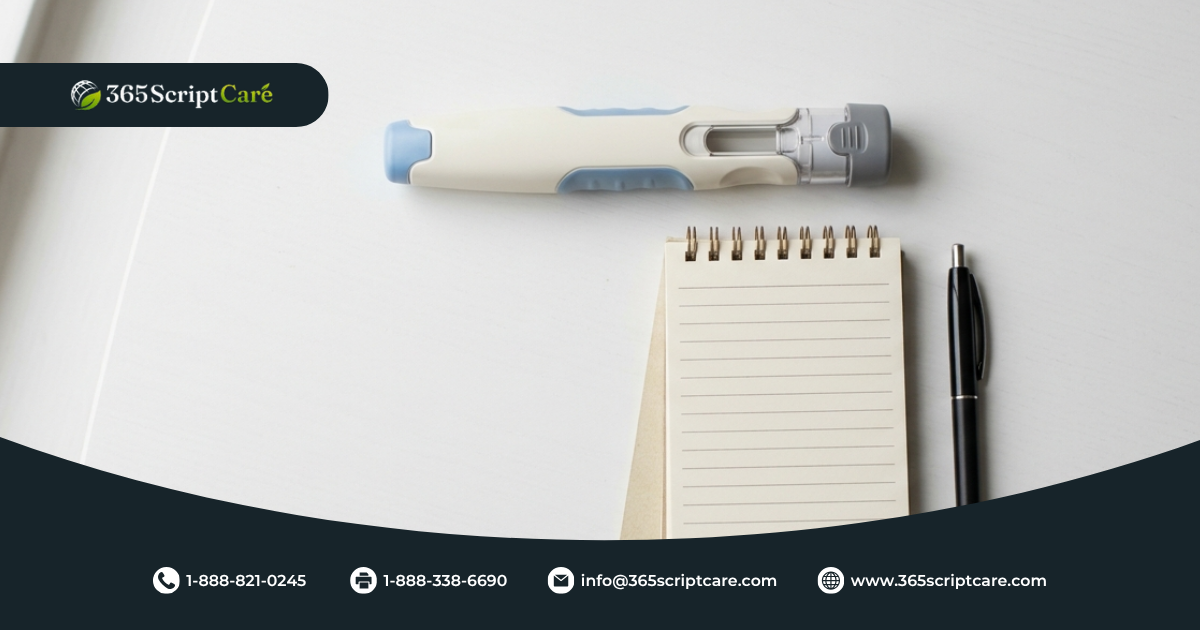
The pen delivery system eliminates the need for vials and syringes, offering a more convenient and accurate dosing method. Each pre-filled pen contains 300 units of Insulin Glargine in a 3ml cartridge, allowing for precise dosing in 1-unit increments.
The SoloStar pen design features an easy-to-read dose window and simple injection mechanism. This user-friendly approach reduces the risk of dosing errors while making insulin administration more discreet and portable for daily diabetes management.
How to Use Lantus Insulin Pen – Step by Step Instructions

Preparing Your Pen for Injection
Begin by gathering all necessary supplies including your Lantus Insulin Pen, a new pen needle, alcohol swabs, and a sharps disposal container. Remove the pen cap and visually inspect the insulin solution, which should appear clear and colorless without any particles or cloudiness.
Attach a new pen needle by screwing it onto the pen until secure. Remove the outer needle cap but leave the inner cap in place temporarily. Always use a new needle for each injection to ensure sterility and proper insulin flow.
Prime the pen before each use by dialing 2 units on the dose selector. Remove the inner needle cap and hold the pen with the needle pointing upward. Press the injection button fully and hold until a drop of insulin appears at the needle tip, confirming proper priming.
Selecting and Preparing Injection Sites
Choose your injection site from recommended areas including the thigh, upper arm, or abdomen. These areas provide consistent insulin absorption and are easily accessible for self-injection. Avoid areas with scars, bruises, lumps, or skin irritation.
Rotate injection sites within the same body region to prevent lipodystrophy and maintain consistent absorption rates. Move each new injection at least one inch away from previous injection sites while staying within the chosen body area.
Clean the selected injection site with an alcohol swab and allow it to dry completely. Proper skin preparation reduces infection risk and ensures comfortable injection.
Administering the Injection
Dial your prescribed dose on the pen’s dose selector, double-checking the number displayed in the dose window. Hold the pen like a pencil and insert the needle straight into the skin at a 90-degree angle with a quick, firm motion.
Press the injection button completely and hold for a full 10-second count to ensure complete dose delivery. This pause prevents insulin from leaking back out of the injection site. Remove the needle straight out and immediately dispose of it in a sharps container.
Apply gentle pressure to the injection site with a clean cotton ball or tissue if needed, but avoid rubbing the area as this can affect insulin absorption.
Ready to start managing your diabetes more effectively? Order your Lantus Insulin Pen and experience convenient, reliable insulin delivery.
Lantus Insulin Pen Dosage Guidelines
How Many Units of Lantus Is Normal
Normal Lantus dosage varies significantly based on individual factors including body weight, insulin sensitivity, activity level, and overall health status. Most adults require between 10 to 80 units daily, though some people may need doses outside this range.
Healthcare providers typically calculate starting doses based on body weight, using approximately 0.2 to 0.5 units per kilogram as an initial guideline. For a 70-kilogram adult, this translates to roughly 14 to 35 units daily as a starting point.
| Weight Range | Typical Starting Dose | Maintenance Range |
| 50-60 kg | 10-30 units | 15-45 units |
| 60-70 kg | 12-35 units | 18-50 units |
| 70-80 kg | 14-40 units | 20-55 units |
| 80-90 kg | 16-45 units | 25-65 units |
| 90+ kg | 18-50 units | 30-80+ units |
Dosage adjustments occur gradually based on blood glucose monitoring results. Your healthcare provider will modify your dose to achieve target glucose levels while minimizing hypoglycemia risk.
Factors Affecting Dosage Requirements
Several factors influence your individual Lantus dosage needs. Physical activity levels significantly impact insulin requirements – regular exercise typically reduces insulin needs while sedentary periods may increase them.
Dietary patterns also affect dosage requirements. Consistent carbohydrate intake helps maintain stable insulin needs, while irregular eating patterns or significant dietary changes may require dose modifications.
Illness, stress, hormonal changes, and other medications can temporarily alter insulin sensitivity and dosage requirements. Weight changes often necessitate dosage adjustments, with weight gain potentially increasing insulin needs and weight loss possibly reducing them.
Take control of your diabetes management today. Get affordable Lantus Insulin Pen with significant prescription savings.
Storage Requirements: Does Lantus Insulin Pen Need to Be Refrigerated

Proper Refrigeration Guidelines
Unused Lantus Insulin Pens must be stored in the refrigerator at temperatures between 36°F and 46°F (2°C to 8°C). Store pens in the main refrigerator compartment, avoiding the freezer compartment and door shelves where temperatures fluctuate significantly.
Never allow Lantus pens to freeze, as freezing destroys the insulin’s molecular structure and renders it ineffective. Similarly, avoid exposing pens to temperatures above 86°F (30°C) or direct sunlight, which can cause insulin degradation.
Keep unopened pens in their original cartons to protect them from light and temperature variations. Check expiration dates regularly and use the oldest pens first to ensure medication effectiveness.
Room Temperature Storage Rules
Once you begin using a Lantus pen, it can remain at room temperature for up to 28 days. Mark the date you first use each pen to track when it should be discarded, even if insulin remains inside.
Store in-use pens at room temperature between 59°F and 86°F (15°C to 30°C) in a cool, dry place away from heat sources, direct sunlight, and humidity. A bedroom drawer, medication cabinet, or desk drawer provides ideal storage conditions.
Avoid storing pens in cars, bathrooms, or other areas with extreme temperature variations. Temperature consistency helps maintain insulin potency and effectiveness throughout the 28-day usage period.
Travel Storage Tips
When traveling, carry unused pens in an insulated medication bag with cooling packs to maintain proper temperature. Ensure cooling packs don’t directly contact the pens and won’t freeze them.
For air travel, always pack insulin pens in carry-on luggage rather than checked baggage to avoid extreme temperature exposure in cargo holds. Bring a letter from your healthcare provider explaining your medical need for insulin if requested by security.
Consider bringing extra pens when traveling, as replacement may be difficult in remote locations. Research local medical facilities at your destination in case you need assistance with your diabetes management.
Which Insulin Pen for Lantus – Available Options
Lantus SoloStar Pen Features
The Lantus SoloStar pen represents the primary delivery device for Lantus insulin, offering a pre-filled, disposable design that eliminates cartridge replacement needs. Each pen contains 300 units of Insulin Glargine and provides up to 80 units per injection.
Key features include:
- Large, easy-to-read dose dial with clear numbering
- Low injection force requiring minimal hand strength
- Audible clicking during dose selection for confirmation
- Safety mechanism preventing accidental overdosing
- Compact, portable design for discreet use
The pen’s ergonomic design accommodates people with limited dexterity or vision challenges. The dose dial only allows selection up to the remaining insulin units, preventing accidental air injection.
Alternative Delivery Methods
While the SoloStar pen is the standard option, some people may use reusable pen devices with Lantus cartridges. These systems require cartridge replacement but may be more economical for high-volume users.
Traditional vial and syringe methods remain available, though they’re less convenient and have higher risk for dosing errors. Most healthcare providers recommend pen devices for their accuracy, convenience, and safety features.
Some specialized pen devices offer additional features like dose memory, Bluetooth connectivity for tracking, or larger dose capacities. Discuss these options with your healthcare provider if standard pens don’t meet your specific needs.
Struggling with high insulin costs? Order Lantus Insulin Pen online from trusted sources and save significantly on your monthly prescription expenses.
How Much Is a 30 Day Supply of Lantus
A 30-day supply of Lantus typically requires 5 pens depending on your prescribed dosage. Through 365 Script Care, you can access affordable pricing with a 5-pen supply starting at $195.87, making diabetes management more accessible and budget-friendly.
Bulk purchasing options provide additional value with 10-pen supplies at $345.79, 15-pen supplies at $495.79, and 20-pen supplies at $635.59. These quantity options allow you to choose the supply duration that best fits your needs and budget.
| Supply Duration | Typical Pens Needed | 365 Script Care Price |
| 30 days (5 pens) | 5 pens | $195.87 |
| 60 days (10 pens) | 10 pens | $345.79 |
| 90 days (15 pens) | 15 pens | $495.79 |
| 120 days (20 pens) | 20 pens | $635.59 |
Safety Guidelines and Precautions
Recognizing and Managing Side Effects
Hypoglycemia represents the most common and serious side effect of insulin therapy. Early symptoms include shakiness, sweating, hunger, confusion, and rapid heartbeat. Severe hypoglycemia can cause seizures or loss of consciousness.
Always carry fast-acting glucose sources like glucose tablets, candy, or juice to treat mild hypoglycemia quickly. Check blood glucose levels when experiencing symptoms and treat accordingly based on your healthcare provider’s instructions.
Injection site reactions may occur, appearing as redness, swelling, or itching at injection sites. These typically resolve within days but may indicate the need for improved injection site rotation or different needle lengths.
Important Safety Precautions
Never share insulin pens with others, even family members, due to infection risk from blood contamination. Each person should have their own pen and needles to prevent disease transmission.
Monitor blood glucose levels regularly as recommended by your healthcare provider. Consistent monitoring helps identify patterns and enables appropriate dosage adjustments to maintain optimal glucose control.
Store insulin properly to maintain effectiveness. Inspect insulin before each use – if it appears cloudy, clumped, or discolored, discard it immediately and use a fresh pen.
Maximizing Your Lantus Insulin Pen Results

Successful diabetes management with Lantus Insulin Pen requires consistent attention to proper usage techniques, storage guidelines, and safety protocols. Understanding normal dosage ranges, refrigeration requirements, and pen options empowers you to make informed decisions about your diabetes care.
Regular communication with your healthcare provider ensures your treatment plan remains effective and appropriate for your changing needs. Blood glucose monitoring, proper injection techniques, and adherence to storage requirements maximize your insulin’s effectiveness and your overall health outcomes.
The investment in proper diabetes management through correct Lantus Insulin Pen usage pays significant dividends in improved quality of life and long-term health. By following these comprehensive guidelines, you’re taking essential steps toward optimal diabetes control and better health outcomes for years to come.
Frequently Asked Questions
What Should I Avoid While Taking Lantus
Avoid skipping meals or significantly changing your eating schedule without adjusting insulin timing accordingly. Sudden dietary changes can lead to unpredictable blood glucose levels and potential hypoglycemia.
Limit alcohol consumption, especially on an empty stomach, as alcohol can cause delayed hypoglycemia hours after consumption. If you choose to drink alcohol, monitor blood glucose more frequently and eat appropriate snacks.
Avoid exposing your insulin pens to extreme temperatures, direct sunlight, or freezing conditions. Temperature extremes can destroy insulin effectiveness and compromise your diabetes management.
Is Lantus Bad for the Kidneys
Lantus itself doesn’t directly damage healthy kidneys. In fact, proper blood glucose control with appropriate insulin therapy helps protect kidney function by preventing diabetic nephropathy development and progression.
People with existing kidney disease may require modified insulin dosing because reduced kidney function can slow insulin clearance from the body. Your healthcare provider will monitor kidney function and adjust doses accordingly.
Uncontrolled diabetes poses a much greater threat to kidney health than appropriate insulin use. Maintaining target glucose levels with insulin therapy actually helps preserve kidney function long-term.
What Is the Most Serious Side Effect of Insulin
Severe hypoglycemia represents insulin therapy’s most dangerous side effect. This condition can progress rapidly from mild symptoms to confusion, seizures, loss of consciousness, and potentially death without proper treatment.
Warning signs of severe hypoglycemia include extreme confusion, inability to eat or drink safely, slurred speech, and loss of coordination. This condition requires immediate treatment with glucagon injection or emergency medical care.
Prevention involves careful dose management, regular blood glucose monitoring, consistent meal timing, and always keeping fast-acting glucose sources readily available for emergency treatment.
What Medication Cannot Be Taken With Insulin
Very few medications are absolutely contraindicated with insulin therapy. However, several medications require careful monitoring and possible dose adjustments when used together with insulin.
Beta-blockers can mask hypoglycemia warning symptoms, making it harder to recognize dangerous low blood sugar episodes. If you must take beta-blockers, increase blood glucose monitoring frequency.
Corticosteroids significantly raise blood glucose levels, often requiring temporary insulin dose increases during treatment periods. Always inform healthcare providers about new medications before starting them.
What Vitamins Should Not Be Taken With Insulin
Most vitamins are safe to take with insulin, but some may affect blood glucose levels and require monitoring. High-dose niacin (Vitamin B3) can raise blood glucose levels, potentially requiring insulin adjustments.
Large doses of Vitamin E may enhance insulin sensitivity in some people, potentially increasing hypoglycemia risk. Stick to recommended daily allowances unless specifically advised otherwise by your healthcare provider.
Chromium supplements may enhance insulin effectiveness, potentially lowering overall insulin requirements. Monitor blood glucose closely when beginning any new supplement regimen.
What Is the Safest Diabetes Medication
Metformin is often considered among the safest diabetes medications due to its low hypoglycemia risk and generally mild side effect profile. It’s typically the first medication prescribed for type 2 diabetes management.
However, medication safety depends on individual health status, kidney function, and other medical conditions. What’s safest for one person may not be appropriate for another based on their specific circumstances.
Your healthcare provider considers your complete medical history, current health status, and individual risk factors when selecting the safest and most effective treatment approach for your diabetes management.
Can I Take Both Insulin and Metformin Together
Yes, insulin and Metformin work synergistically and are frequently prescribed together as combination therapy. This pairing often provides superior glucose control compared to either medication used alone.
Metformin improves insulin sensitivity and reduces liver glucose production, while insulin provides the hormone replacement your body needs for proper glucose utilization. Many people experience better weight management when using both medications together.
This combination often allows for lower insulin doses while achieving better overall glucose control. Your healthcare provider will determine optimal timing and dosing for both medications based on your individual needs.