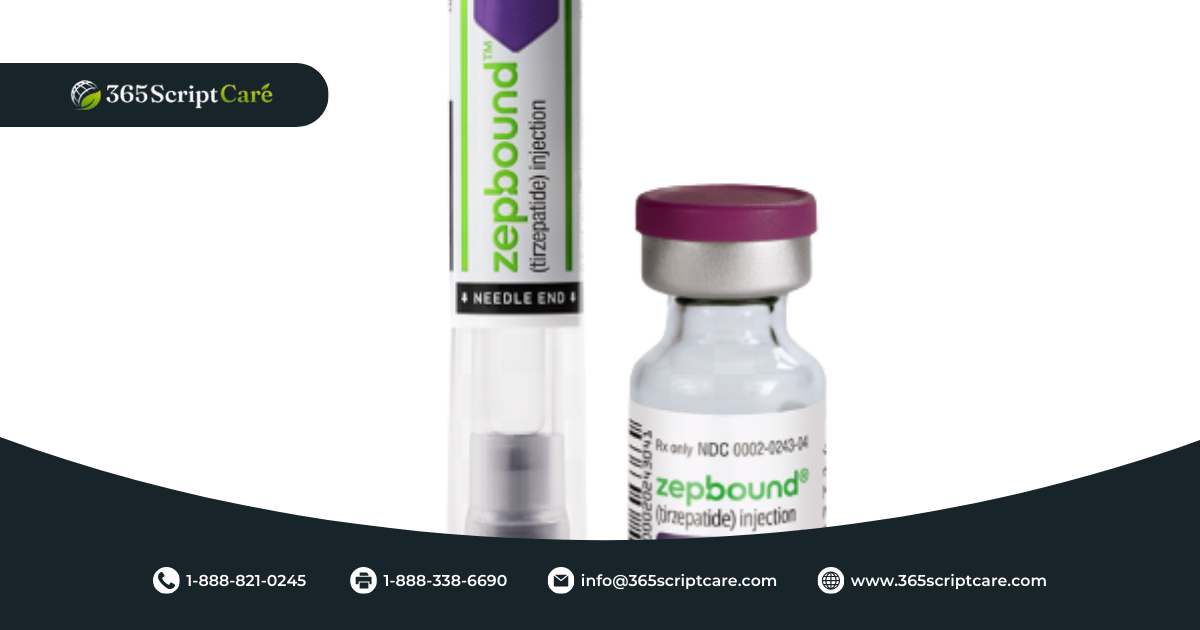
Tirzepatide for weight loss is becoming a leading choice, offering people struggling with obesity and excess weight a reliable path toward lasting progress. Unlike older options that act on just one hormone, Tirzepatide targets two key hormones that regulate appetite, digestion, and feelings of fullness. This dual action helps curb cravings, promotes satisfaction with smaller portions, and supports steady calorie control. With continued use, many individuals achieve a reduction of 15% to 20% of their body weight, often surpassing the results seen with other treatments.
People using Tirzepatide often report meaningful changes within the first few weeks, though larger results build gradually over months. Losing 20 pounds in two to four months is common, while continued use with healthier eating and activity can lead to even greater improvements. The steady pace helps support long-term success, lowering the chances of rapid regain. Alongside weight reduction, many also notice better energy, improved mobility, and enhanced overall well-being.
What Is Tirzepatide for Weight Loss

It is an injectable medicine that supports weight loss by targeting appetite regulation and blood sugar control. Unlike older medications that work on just one pathway, Tirzepatide acts on two different hormone systems. These hormones influence hunger, digestion, and how the body handles food. By mimicking them, Tirzepatide for weight loss helps reduce cravings, create a feeling of fullness that lasts longer, and slow down how quickly food leaves the stomach.
This dual action gives Tirzepatide a unique advantage. Many people notice a natural shift in their eating habits without feeling deprived. They eat smaller portions, snack less often, and feel more satisfied after meals. Instead of constantly battling willpower, they gain control over hunger. This makes weight management more realistic and sustainable.
Another way it helps is by improving the way the body handles energy. When digestion slows down and blood sugar remains more stable, it reduces the cycle of spikes and crashes that can trigger overeating. This makes it easier to choose balanced meals and avoid sugar cravings.
Importantly, it is not meant to replace lifestyle changes. It works best when combined with healthier food choices, physical activity, and routines that support weight management. By addressing both biology and behavior, it provides a stronger foundation for long-term success.
Is Tirzepatide Good for Weight Loss
For many people, Tirzepatide has been highly effective in promoting weight loss. Average results range from 15% to 20% of total body weight when used consistently along with lifestyle adjustments. This level of reduction is significant and can make a major difference in energy, mobility, and overall health.
To give perspective, a person starting at 200 pounds might lose 30 to 40 pounds with consistent use. For those starting at a higher weight, the reductions can be even greater. While everyone’s results vary, the overall trend shows it supporting more meaningful changes than many other treatments currently available.
One reason for these strong results is that it reduces both the urge to eat and the tendency to overeat. Many people describe no longer feeling the same pressure to snack or binge, which gives them greater control over their eating habits. Over time, these small daily changes add up to significant weight reduction.
It’s important to note that it does not create immediate results. Most people notice gradual changes, beginning with smaller losses in the first few weeks and gradually increasing over time. This slower, steady pace is actually beneficial because it helps the body adapt and makes it easier to maintain results long term. Unlike fad diets that produce a quick drop followed by regaining weight, it supports consistency.
Looking for the right dosage to begin your journey? Explore Tirzepatide Dosage and discover safe, effective options to get started today.
Who Should Not Take Tirzepatide

Tirzepatide is powerful, but it is not for everyone. Certain groups of people should avoid it or consider alternatives. This ensures the medication is used safely and effectively.
Individuals with a history of allergic reactions to medications in the same class should not take Tirzepatide. Allergic responses may include swelling, rashes, or difficulty breathing, which can be dangerous if the treatment is continued.
People with specific digestive issues may also be advised against using it. Because Tirzepatide slows digestion, it can worsen some gastrointestinal conditions. Sharing full medical history with a healthcare provider is critical before starting treatment.
Pregnant or breastfeeding individuals should not take Tirzepatide. Its effects during pregnancy and breastfeeding are not well studied, and the potential risks may outweigh any benefits. For those planning a family, it is recommended to explore other weight management methods instead.
Finally, Tirzepatide is not intended for people who only want to lose a small amount of weight for cosmetic purposes. It is designed for those struggling with significant obesity or metabolic issues where weight loss brings meaningful health improvements.
Take the first step toward healthier living by checking available Tirzepatide Dosage options and choosing one that suits your weight loss goals.
Is Tirzepatide Cheaper Than Ozempic
Tirzepatide is often compared to Ozempic because both support weight loss, but they differ in cost, effectiveness, and how they work. Understanding these differences helps people decide which option may be better for them.
In terms of effectiveness, Tirzepatide tends to produce greater average weight loss. Studies and reports suggest it can lead to 15–20% reductions in body weight, compared to 10–15% with Ozempic. For someone with a high weight goal, this difference can be significant.
When it comes to price, the costs vary widely depending on the dosage, brand, and source. In some cases, Ozempic may appear cheaper at first, but the higher effectiveness of Tirzepatide can make it more cost-effective overall. Paying slightly more for better results may provide greater value in the long term.
Here is a comparison to make the choice clearer:
| Medication | Typical Monthly Cost | Average Weight Loss (%) | Notes |
| Tirzepatide | Varies by source | 15–20% | Strong dual-action benefits |
| Ozempic | Varies by source | 10–15% | Widely used alternative |
Ultimately, the choice between Tirzepatide and Ozempic comes down to personal goals and budget. People seeking more aggressive weight loss may prefer Tirzepatide, while those looking for a widely available alternative might choose Ozempic.
Looking for affordable ways to start? Explore Tirzepatide Dosage to find a plan that fits your needs and budget.
Who Is Tirzepatide Best For
Tirzepatide is best suited for adults who have struggled with obesity or excess weight and have not had success with lifestyle changes alone. It provides extra support for those who need more than diet and exercise to see results.
The following groups often benefit most from Tirzepatide:
- Adults with a body mass index in the obesity range
- Individuals who have tried multiple weight loss methods without lasting success
- People looking for long-term management instead of quick fixes
- Those committed to combining treatment with balanced eating and physical activity
By reducing hunger and making meals more satisfying, ithelps people adopt habits that are easier to maintain. This leads to not just weight loss but better energy, improved confidence, and healthier routines.
Final Words
Tirzepatide is more than just another weight loss treatment—it represents a new way to address obesity and improve long-term health. By reducing cravings, increasing satiety, and working with the body’s natural systems, it helps create results that are not only impressive but also sustainable.
It is not the right choice for everyone, but for those who are good candidates, it can be life-changing. With the right guidance, dosage, and lifestyle habits, it becomes a reliable partner in reaching and maintaining healthier weight goals.
If you are also managing diabetes, you may want to consider trusted products like the Lantus Insulin Pen, available online from Canada at affordable prices. Combining the right tools with healthier habits gives you the best chance at long-term success.
Frequently Asked Questions
What Are the Disadvantages of Tirzepatide?
Some people experience side effects like nausea, stomach upset, or fatigue, especially in the early weeks. These usually improve as the body adjusts. A potential disadvantage is that not everyone responds in the same way—some lose more weight than others. Cost may also be a barrier for certain individuals.
How Long Does It Take to Lose 20 lbs on Tirzepatide?
Many people can expect to lose 20 pounds within 2 to 4 months, depending on starting weight, lifestyle, and dosage. Others may take longer, especially if they are beginning with smaller changes. Adding regular activity and healthy meals usually speeds progress.
How Much Tirzepatide Should I Take for Weight Loss?
The typical approach is to start with a low dose and increase it gradually. This reduces the chance of side effects and gives the body time to adjust. The exact dosage varies by person and should always be guided by a healthcare provider.
How Much Weight Should I Lose in 3 Months on Tirzepatide?
Average weight loss at the three-month mark is around 15 to 25 pounds, though some lose more and others less. Results depend on consistency with the medication, daily habits, and overall health.
How Long Should I Stay on Tirzepatide for Weight Loss?
There is no single answer. Some people may use it for several months, while others continue for a year or more to maintain progress. The duration depends on goals, results, and individual needs.
Is Tirzepatide the Same as Ozempic?
No. Tirzepatide and Ozempic are different medications. Both help with weight loss, but Tirzepatide works on two hormones while Ozempic targets one. This difference explains why Tirzepatide often leads to greater reductions in body weight.