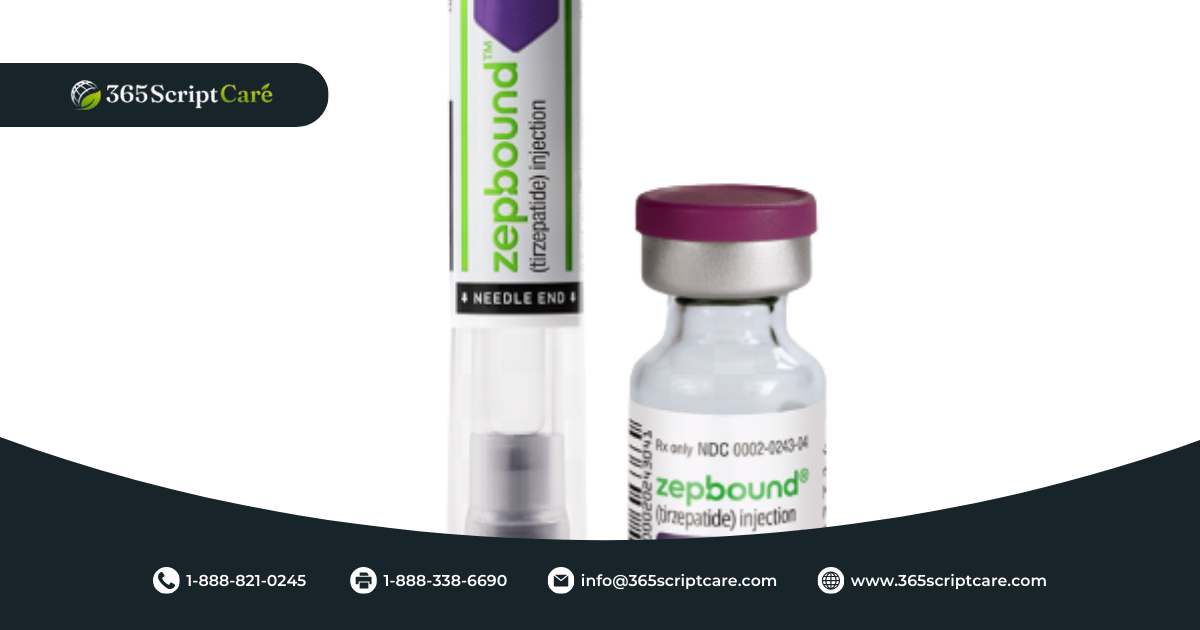
ZepBound for weight loss has emerged as a revolutionary medication for individuals struggling with weight management and obesity-related health concerns. This guide explores everything you need to know, including how ZepBound for weight loss works, its effectiveness compared to other weight loss medications, realistic expectations for results, potential side effects, cost considerations, and tips for successful treatment outcomes. ZepBound for Weight Loss represents a significant advancement in pharmaceutical weight management, targeting multiple biological pathways involved in appetite regulation, glucose metabolism, and energy balance.
Whether you’re considering ZepBound for Weight Loss, seeking detailed information about its benefits and risks, or exploring cost-effective ways to access it, this article provides insights to help you make informed decisions about your weight loss journey. ZepBound for Weight Loss has gained attention for helping individuals achieve substantial, sustained weight reduction when combined with lifestyle modifications. Understanding how ZepBound for Weight Loss works and how to optimize results can significantly improve your success with this treatment. Many patients report feeling more in control of their appetite, which makes sticking to healthy eating habits much easier.
What Is ZepBound and How It Works?
ZepBound for weight loss is a prescription medication containing Tirzepatide, part of a new class of dual glucose-dependent insulinotropic polypeptide (GIP) and glucagon-like peptide-1 (GLP-1) receptor agonists. Its dual-action mechanism targets two hormonal pathways that regulate appetite, food intake, and metabolic function. By simultaneously affecting multiple biological pathways, ZepBound for weight losshelps the body reduce cravings, improve energy balance, and optimize glucose control.
The medication activates GIP receptors, found in the pancreas and brain, to improve insulin sensitivity and glucose metabolism while influencing appetite centers in the hypothalamus. At the same time, ZepBound for weight loss stimulates GLP-1 receptors in the digestive system and brain, slowing gastric emptying, enhancing satiety, and improving insulin secretion. These dual effects help individuals feel fuller for longer, eat less naturally, and maintain a steady reduction in body weight over time.
Key mechanisms include:
- Slowing gastric emptying for prolonged fullness, which reduces the urge to snack between meals
- Reducing appetite by affecting brain hunger centers, making it easier to stick to portion sizes
- Improving insulin sensitivity and glucose metabolism, which helps the body process food more efficiently
- Enhancing pancreatic insulin secretion, supporting better blood sugar control during meals
- Supporting fat metabolism and energy expenditure to maximize weight loss potential
- Modulating gut hormone release to influence satiety and overall eating behavior
- Improving lipid metabolism and lowering hepatic glucose production, promoting a healthier metabolic profile
This multi-target approach makes ZepBound for weight lossparticularly effective for sustainable weight management. Unlike some medications that work through a single pathway, ZepBound for weight loss addresses multiple factors contributing to weight gain, difficulty losing weight, and weight regain after initial loss. Patients often report more consistent energy levels and reduced food cravings, which are key factors in long-term success.
Is ZepBound Good for Weight Loss?

ZepBound for weight loss has shown effectiveness in helping people achieve meaningful weight reduction. It addresses the biological and behavioral factors that make weight loss difficult, such as hormonal imbalances, altered appetite regulation, insulin resistance, and metabolic adaptations. Many patients find that ZepBound for weight loss helps them finally achieve results that previous diets and exercise programs could not provide.
Primary benefits include:
- Significant reduction in caloric intake through natural appetite suppression, allowing people to eat less without feeling deprived
- Improved satisfaction and reduced cravings for high-calorie foods, making it easier to stick with healthy meal plans
- Enhanced insulin sensitivity and metabolic function, supporting more efficient fat burning
- Sustained weight loss over time when combined with lifestyle modifications, which contributes to long-term health improvements
- Better portion control and reduced emotional eating, helping patients regain control over their eating habits
- Potential improvements in obesity-related health conditions like high blood pressure, elevated cholesterol, and prediabetes
Most users of ZepBound for weight losss report feeling satisfied with smaller portions and notice easier adherence to healthy eating patterns. Many achieve 15-25% weight loss, which significantly improves overall health, boosts self-confidence, and reduces obesity-related risks. Patients also report improved energy, mobility, and quality of life as their weight decreases.

Looking for effective weight loss options? Check out our ZepBound for Weight Loss available through 365 Script Care, a prescription referral service offering affordable and convenient access.
Is ZepBound Better Than Ozempic for Weight Loss?
Both ZepBound for Weight Loss and Ozempic are advanced medications for weight management, but they work differently. ZepBound for Weight Loss targets both GIP and GLP-1 receptors, offering broader metabolic effects, while Ozempic focuses solely on GLP-1 receptors. This dual-action gives ZepBound for Weight Loss the potential to deliver greater reductions in appetite and body weight for many patients.
Comparison:
| Aspect | ZepBound for Weight Loss | Ozempic |
| Active Ingredient | Tirzepatide | Semaglutide |
| Receptor Targets | Dual GIP and GLP-1 | GLP-1 only |
| Average Weight Loss | 15-25% | 10-15% |
| Dosing Frequency | Weekly injection | Weekly injection |
| Onset of Action | 2-4 weeks | 2-4 weeks |
| Maximum Effects | 16-20 weeks | 12-16 weeks |
| Side Effects | Generally well-tolerated GI effects | Similar GI effects |
| Cost | Higher due to newer technology | More established, potentially lower |
The dual-receptor mechanism of ZepBound for weight loss may provide enhanced appetite control, improved insulin sensitivity, and greater energy expenditure. Individual choice should be based on medical history, treatment goals, and previous responses to weight management interventions. Many patients who struggled with limited results on GLP-1-only medications find that ZepBound for Weight Loss provides more significant improvements in both weight and metabolic health.

How Much Weight Can You Lose Per Week?
Weight loss with ZepBound for weight loss is generally steady and varies by individual. Most users lose 1-4 pounds per week initially, with the highest rate during the first 12-16 weeks. These early results often motivate patients to continue lifestyle modifications, creating a positive cycle of success.
Typical timeline:
- Weeks 1-4: Appetite reduction, 1-2 pounds per week, helping patients adapt to smaller meal sizes
- Weeks 5-16: 2-4 pounds per week, most pronounced appetite control, noticeable improvements in clothing fit and energy levels
- Weeks 17-32: 1-2 pounds per week, body adapts to new metabolic set point while maintaining satiety
- Beyond 32 Weeks: Focus on maintenance and healthy lifestyle habits, supported by ZepBound for weight loss

Factors influencing weight loss include starting weight, age, metabolic health, adherence to dosing, diet quality, physical activity, sleep, stress, and underlying medical conditions. ZepBound for
weight loss is most effective when combined with nutrition, exercise, and behavioral support. Patients often report improved mood, reduced food preoccupation, and better confidence in making dietary choices.
The Bottom Line
ZepBound is a powerful weight management tool that combines advanced dual-receptor technology with a structured treatment approach to support sustainable weight loss. It helps regulate appetite, improve metabolic function, and make lifestyle changes more manageable. While the medication is highly effective, success depends on adherence, lifestyle modifications, and medical supervision.
By understanding how ZepBound works, managing potential side effects, and combining it with proper diet and exercise, individuals can achieve meaningful, lasting results. For those seeking affordable access, 365 Script Care provides a prescription referral service to connect patients with reliable sources for ZepBound online. With consistent use and a comprehensive weight management plan, ZepBound can help you reach your weight loss goals safely and effectively.
Frequently Asked Questions
Do I Need a Prescription for ZepBound?
Yes, ZepBound requires a prescription from a licensed healthcare provider. This ensures proper medical supervision and safe dosing, as the medication can have potent effects on appetite, metabolism, and glucose regulation. Your healthcare provider will assess your medical history, weight loss goals, and any underlying conditions before prescribing ZepBound. Using the medication without supervision can increase the risk of side effects and reduce treatment effectiveness. 365 Script Care offers a safe and convenient way to obtain ZepBound online with proper prescription referral support.
What Is the Generic Name?
The generic name for ZepBound is Tirzepatide. While ZepBound is the brand formulation for weight management, Tirzepatide may also be available under other brand names for different therapeutic uses, particularly diabetes management. Both refer to the same active ingredient and have the same effects on appetite, metabolism, and weight loss. Knowing the generic name is useful if you are comparing costs, insurance coverage, or alternative suppliers.
Why Is It So Expensive?
ZepBound carries a higher price due to its innovative dual GIP/GLP-1 receptor technology, years of research and development, and complex manufacturing processes. It’s a newer medication with limited competition, which also influences the cost. Despite the high price, many people find that the long-term health benefits—including sustained weight loss, improved blood sugar, and reduced obesity-related risks—justify the investment. Prescription referral services like 365 Script Care can help make ZepBound more affordable and accessible without compromising quality.
How Long Does It Take to See Results?
Most users notice appetite-suppressing effects within the first 1-2 weeks of starting ZepBound. Visible weight loss typically occurs within 4-8 weeks, although individual results may vary based on adherence, diet, physical activity, and metabolic health. Some people experience slower progress initially but continue to lose weight steadily over several months. Combining the medication with lifestyle changes often accelerates results and helps maintain long-term success.
Can I Use ZepBound With Other Medications?
It’s important to consult your healthcare provider before combining ZepBound with other medications. Some drugs, particularly those affecting blood sugar, may require dose adjustments or monitoring. Your provider will help you ensure safety and avoid potential interactions.
Is Weight Loss Permanent With ZepBound?
ZepBound supports long-term weight loss, but maintaining results requires ongoing healthy habits. Stopping the medication without lifestyle changes may lead to gradual weight regain. Combining ZepBound with a balanced diet, regular exercise, and behavioral strategies provides the best chance for sustained success.
Are There Lifestyle Changes I Should Follow While Using ZepBound?
Yes, for optimal results, it’s recommended to:
- Follow a balanced diet rich in protein, fiber, and healthy fats
- Stay physically active with a mix of cardio and strength training
- Manage stress and ensure adequate sleep
- Track your eating patterns and celebrate non-scale victories