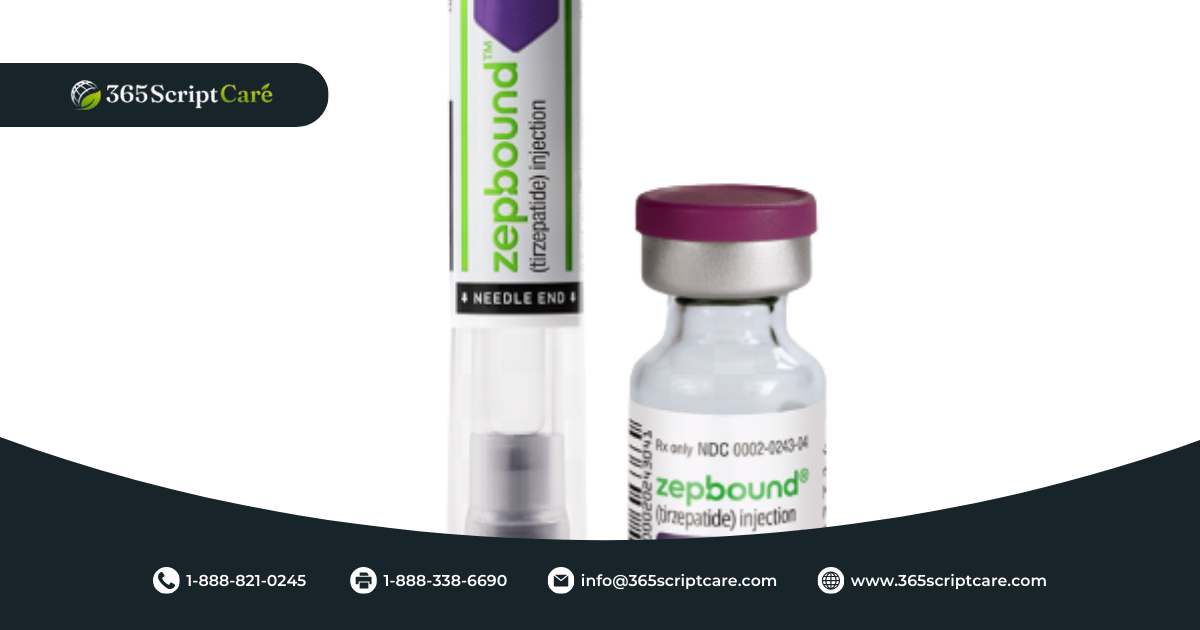
Weight management is a concern for many individuals, especially when lifestyle changes like diet and exercise alone do not provide sufficient results. Prescription medications can offer additional support by targeting appetite, metabolism, and food absorption, helping patients achieve their weight goals more effectively.
Prescription weight loss pills are designed to complement healthy lifestyle choices. They are typically recommended for adults struggling with obesity or weight-related health conditions, providing a medically guided approach that enhances the body’s natural ability to regulate appetite and calorie intake.
What Are Prescription Weight Loss Pills?
Prescription weight loss pills are medications that require a licensed healthcare provider’s approval and are intended for patients who meet specific criteria based on their body mass index (BMI) or related health conditions. These medications are different from over-the-counter supplements as they have clinically tested mechanisms to support weight loss.
Types of Prescription Weight Loss Pills
- Appetite Suppressants: Medications like Phentermine reduce hunger and help patients feel full with smaller portions of food.
- Metabolic Modulators: Drugs such as Ozempic and Rybelsus support weight management by influencing insulin and blood sugar regulation.
- Combination Medications: Some prescriptions, like Contrave, combine multiple agents to target appetite and cravings simultaneously.
These pills are part of a broader approach to weight management, often used alongside diet, exercise, and behavioral support for optimal results. Patients searching for weight loss pills that actually work often consider these prescription options for effective outcomes.
How Prescription Pills Work for Weight Loss
Prescription weight loss pills operate through several mechanisms depending on the medication class:
- Appetite Suppression: Certain medications act on the central nervous system to reduce hunger, making it easier to consume fewer calories.
- Blood Sugar Regulation: Drugs like GLP-1 receptor agonists influence insulin levels and glucose absorption, indirectly supporting weight loss.
- Fat Absorption Reduction: Some medications inhibit digestive enzymes, decreasing the amount of dietary fat absorbed by the body.
- Craving Control: Combination drugs can help curb sugar or high-calorie cravings, supporting long-term adherence to a calorie-reduced diet.
By targeting these pathways, prescription pills can enhance the body’s ability to manage weight and support sustainable weight loss pills for women and men alike.
What is the Strongest Weight Loss Prescription Pill?
The “strongest” weight loss prescription pill depends on patient-specific factors, including health history, weight loss goals, and tolerance for side effects. Some of the most effective options include:
- Ozempic: A GLP-1 receptor agonist that reduces appetite and supports Ozempic weight loss pills outcomes. It is particularly effective for patients with insulin resistance or type 2 diabetes.
- Rybelsus: An oral GLP-1 receptor agonist that works similarly to Ozempic but in a convenient pill form.
- Saxenda: Contains Liraglutide and helps control appetite while slowing digestion, supporting gradual and sustainable weight loss.
- Contrave: A combination medication that targets both cravings and appetite, helping patients adhere to a reduced-calorie diet.
Each of these medications has been studied extensively, showing significant weight loss results compared to placebo or lifestyle interventions alone. For example, patients seeking the best pill to lose belly fat often find GLP-1 receptor agonists highly effective for reducing abdominal fat while supporting overall metabolic health.
Weight Loss Pills Side Effects
While prescription weight loss pills are effective, they can cause side effects that vary depending on the medication:
Common Side Effects of Weight Loss Medications
Gastrointestinal Issues
- Nausea, vomiting, diarrhea, and constipation are among the most frequently reported side effects, especially with GLP-1 receptor agonists like semaglutide (Wegovy, Ozempic) and tirzepatide (Zepbound, Mounjaro).
- Stomach pain, bloating, and gas are also common, often subsiding after initial weeks.
Central Nervous System Effects
- Medications like phentermine can lead to insomnia, agitation, restlessness, and increased heart rate due to their stimulant effects.
- Fatigue and dizziness are also reported with some drugs.
Appetite and Weight Effects
- Many agents reduce appetite, leading to loss of hunger, which is a primary goal but may also cause discomfort if appetite suppression is excessive.
Serious and Less Common Side Effects
Cardiovascular Risks
- Stimulants such as phentermine can cause high blood pressure, rapid or irregular heartbeat, and in rare cases, raise concerns over cardiovascular events.
- Some medications may increase the risk of heart palpitations or angina, especially in those with pre-existing cardiovascular conditions.
Liver and Kidney Toxicity
- Certain supplements containing ephedra, green tea extract, or herbal ingredients have been linked to liver injury, hepatotoxicity, and kidney damage.
- The use of herbal and over-the-counter supplements is especially risky due to unregulated ingredients and dosage variations.
Endocrine and Metabolic Effects
- Some drugs can alter blood sugar levels or cause pancreatitis (notably with GLP-1 agonists), though these are less common.
- Rarely, weight loss medications have been associated with thyroid tumors or fish-fry encoded tumors in animal studies, leading to caution in certain populations.
Psychiatric and Dependency Risks
- Appetite suppressants like Phentermine are classified as potentially addictive and are generally recommended for short-term use.
- Long-term use can lead to dependency, mood changes, or abuse.
Gastrointestinal and Other Local Reactions
- Injection-based medications like Saxenda, Wegovy, and Zepbound may cause injection site reactions, including redness, swelling, or pain.
Rare but Serious Effects
- Serious liver injury has been reported with some herbal supplements and fat blockers like orlistat.
- Gallbladder disease, fractures, and pancreatitis have been linked to some weight loss drugs.
Which Weight Loss Drug Has the Most Weight Loss?

When comparing prescription weight loss medications, GLP-1 receptor agonists currently show the highest average weight loss in clinical studies.
1. Tirzepatide (Mounjaro)
- Average weight loss: 15–25% of body weight over 72 weeks.
- Mechanism: Dual GIP and GLP-1 receptor agonist, which helps suppress appetite, reduce calorie intake, and improve blood sugar control.
- Notes: Often considered the most effective current prescription for significant weight reduction.
2. Semaglutide (Ozempic/Wegovy)
- Average weight loss: 12–17% of body weight over 68–72 weeks for Wegovy doses.
- Mechanism: GLP-1 receptor agonist that slows stomach emptying and suppresses appetite.
- Notes: Highly effective, especially for patients with type 2 diabetes or obesity.
3. Saxenda (Liraglutide)
- Average weight loss: 5–10% of body weight over 56 weeks.
- Mechanism: GLP-1 receptor agonist, reduces hunger and helps with portion control.
- Notes: Effective but generally slightly less potent than semaglutide or tirzepatide.
4. Other Options
- Contrave: Combination of naltrexone and bupropion, average weight loss ~5–8% over 56 weeks.
- Qsymia: Combination of phentermine and topiramate, average weight loss ~8–10% over 56 weeks.
- Phentermine: Short-term appetite suppressant, can cause 3–6% weight loss over 12–16 weeks.
Other Prescription Medications for Weight Loss
Beyond the strongest options, several other medications may support weight management:
- Phentermine: A short-term appetite suppressant often used in combination with diet and exercise.
- Qsymia: A combination of Phentermine and Topiramate that helps reduce appetite and promote fat loss.
- GLP-1 Receptor Agonists: In addition to Ozempic and Rybelsus, medications like Wegovy are also prescribed for long-term weight management.
These medications provide alternatives for patients who may not tolerate certain drugs or need a different mechanism of action to support weight loss.
Safety Considerations for Prescription Weight Loss Pills
Safety is a critical factor when using prescription weight loss medications:
- Medical Evaluation: A licensed U.S. physician must evaluate patients for eligibility based on BMI and underlying conditions.
- Prescription Requirements: Only prescriptions written in English by a U.S.-licensed doctor are accepted.
- Monitoring: Regular follow-ups help assess effectiveness, adjust dosages, and manage side effects.
- Personal Use Only: Medications should not be shared or used by others, and shipping is limited to the patient’s residence.
Following these safety considerations ensures the medication is effective while minimizing risks.
Choosing the Right Weight Loss Medication for You

Selecting the appropriate prescription requires a thorough evaluation of personal health factors:
- Medical History: Including chronic conditions, medications, and prior experiences with weight loss drugs.
- Weight Loss Goals: Short-term versus long-term objectives can guide medication choice.
- Tolerance to Side Effects: Some patients may prefer oral options like Rybelsus over injectable options like Ozempic.
- Lifestyle Compatibility: Medication should fit seamlessly with diet, exercise, and daily routines for best results.
Healthcare providers will tailor recommendations based on these factors to achieve safe and effective weight loss outcomes.
Combining Prescription Pills with Lifestyle Changes
Prescription weight loss pills are most effective when combined with lifestyle modifications:
- Healthy Diet: Reducing caloric intake and focusing on nutrient-dense foods enhances medication effectiveness.
- Regular Exercise: Physical activity supports fat loss, improves metabolism, and helps maintain weight reduction.
- Behavioral Support: Counseling or structured programs can encourage consistency and prevent relapse.
- Monitoring Progress: Tracking weight, measurements, and dietary habits allows adjustments to maximize results.
Combining medication with lifestyle changes ensures sustainable weight loss and supports overall health improvements.
Final Thoughts
Prescription weight loss pills provide a medically guided option for patients who struggle to achieve results through lifestyle changes alone. Medications like Ozempic, Rybelsus, Saxenda, and Contrave have demonstrated significant effectiveness when used under proper supervision.
If you are considering a prescription for weight management, you can buy Rybelsus online without insurance from Canada through 365 Script Care at a low cost. Our friendly team can assist with the process and provide guidance to help you access safe, reliable medication for your weight loss journey. Combining these prescriptions with healthy lifestyle choices promotes long-term success and sustainable results.
FAQs
1. What are prescription weight loss pills?
Prescription weight loss pills are medicines approved by a doctor to help with weight management. They work by reducing appetite, controlling cravings, or changing how the body absorbs food.
2. Who should take prescription weight loss pills?
They are usually for adults with obesity or weight-related health issues when diet and exercise alone are not enough. A doctor will decide if they are right for you.
3. How do prescription weight loss pills work?
These pills may suppress hunger, regulate blood sugar, block fat absorption, or reduce cravings. They are most effective when combined with healthy habits.
4. What are the strongest prescription weight loss pills?
Some of the most effective options include Mounjaro (tirzepatide), Wegovy or Ozempic (semaglutide), Saxenda (liraglutide), and Contrave. The best choice depends on your health needs and doctor’s advice.
5. What are the side effects of prescription weight loss pills?
Side effects vary but may include nausea, stomach upset, diarrhea, constipation, or insomnia. Rare but serious risks can affect the heart, liver, or kidneys.