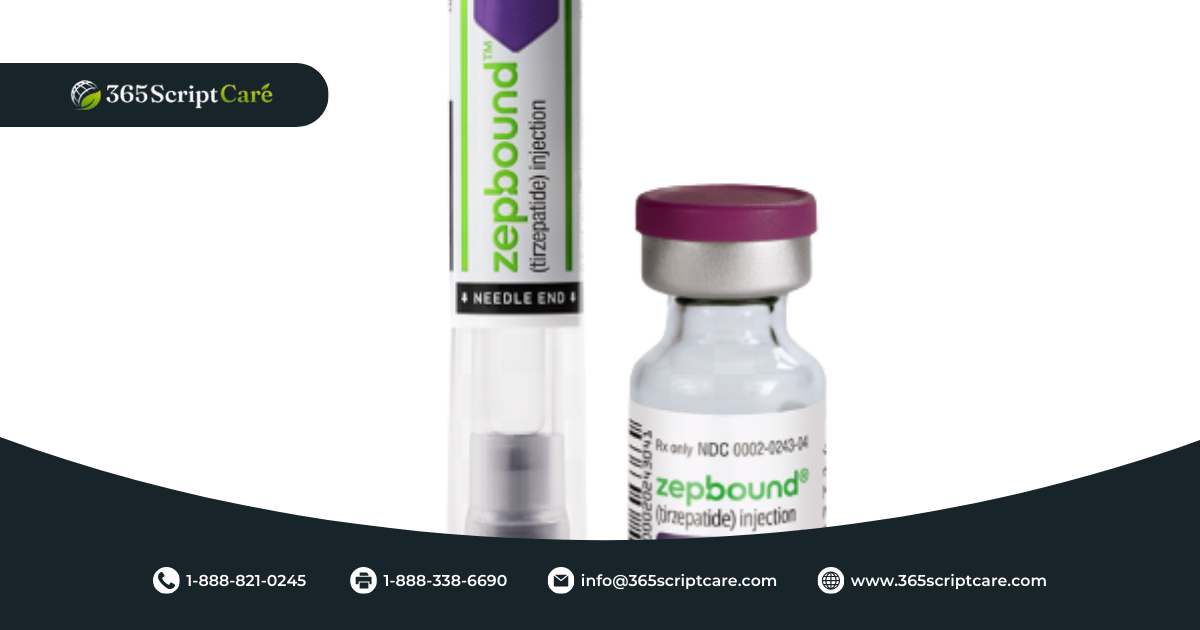
Tirzepatide is a medication that has gained attention for its role in managing blood sugar and supporting weight reduction in adults. Many people are curious about how it works, what benefits it may provide, and what risks come along with it. Just like any treatment, understanding the possible reactions your body may experience is important. While some side effects can be mild and temporary, others may need medical attention. Being informed can help people make better choices about their health.
Some individuals tolerate Tirzepatide very well, while others may notice changes shortly after beginning treatment. Since every person’s body is different, the type and timing of side effects can vary. Knowing the most common concerns, rare reactions, and ways to manage them is helpful. This allows patients and caregivers to feel more confident in recognizing what is normal and what might need further care.
What Is Tirzepatide and How Does It Work?
Tirzepatide is an injectable medication that works by targeting two hormones in the body, known as GIP and GLP-1. These hormones help control blood sugar levels and also influence appetite and digestion. By working on both pathways, Tirzepatide lowers blood sugar while helping people feel full for longer, which may reduce food intake.
This unique dual action is one of the main reasons why many people notice results when using Tirzepatide. It can improve blood sugar control and support weight reduction, which can be important for those with type 2 diabetes. Unlike some other medicines that target only one hormone, Tirzepatide has a broader effect.
Because of these combined actions, Tirzepatide is often compared with similar treatments, such as semaglutide. Many people search for Tirzepatide vs Semaglutide to see how the two compare in effectiveness and tolerability. While both work on GLP-1, Tirzepatide adds the GIP pathway, which may provide additional benefits.
The medication is given as a once-weekly injection, and it comes in different strengths. A Tirzepatide dosage chart is usually provided by healthcare professionals to guide safe and gradual increases in dose. Starting with a lower dose often helps reduce the chance of stronger side effects while the body adjusts.
Side Effects of Tirzepatide
Just like any other treatment, Tirzepatide may cause side effects in some individuals. These reactions can range from mild to severe. While many people may only experience mild symptoms that improve over time, it is important to be aware of the possible risks.
Common Side Effects of Tirzepatide
The most common side effects are usually related to digestion. These may include nausea, vomiting, constipation, and decreased appetite. Some individuals also report fatigue or mild headaches. These are often temporary and tend to lessen as the body gets used to the medication.
Mild stomach upset is reported by many people during the first few weeks. Healthcare providers often suggest eating smaller meals or avoiding heavy, greasy foods to reduce discomfort. Staying hydrated also helps lessen these effects.
It is important to know that not everyone experiences these common side effects. Some may only have one or two, while others may not notice any at all.
In most cases, these common reactions are manageable and do not require stopping treatment. However, if they become persistent or severe, it is best to seek medical guidance.
Gastrointestinal Side Effects of Tirzepatide
The digestive system is where most side effects appear. Nausea is the most frequent, especially after the first dose or after a dose increase. Some individuals also experience diarrhea, bloating, or stomach cramps.
Another possible reaction is constipation. This happens because Tirzepatide slows down the emptying of the stomach, which can affect bowel movements. Drinking enough water and including fiber-rich foods may ease constipation.
Some individuals may also notice reduced appetite, which contributes to weight reduction. While this can be positive, it may also make it difficult for certain people to maintain balanced nutrition if not monitored carefully.
Serious Side Effects of Tirzepatide to Watch For
Although uncommon, there are serious side effects that may require medical attention. Severe abdominal pain could be a sign of pancreatitis, which is inflammation of the pancreas. If this occurs, medical care should be sought right away.
Other rare but concerning issues may include gallbladder problems, kidney changes, or allergic reactions. Some people wonder about Tirzepatide side effects cancer, but research in humans is still ongoing. While certain risks have been suggested, evidence is not yet fully clear, so close monitoring is important.
Hypoglycemia, or very low blood sugar, is also possible if Tirzepatide is combined with other medications that lower blood sugar. Symptoms of low blood sugar include dizziness, sweating, and confusion.
Anyone experiencing severe or sudden symptoms should not ignore them. Prompt medical evaluation is always safer.
Long-Term Side Effects of Tirzepatide
People also raise questions about Tirzepatide long-term side effects. Since this medication is relatively new, studies are still ongoing to understand the long-term safety profile. Early results suggest that it may continue to be well-tolerated for many individuals, but more data is needed over time.
Potential long-term concerns may include effects on the digestive system, gallbladder, or pancreas. Ongoing monitoring with healthcare providers helps detect any possible complications early.
Because this medication supports both blood sugar control and weight reduction, many people continue using it for extended periods. It is important to balance benefits with potential risks when deciding on long-term use.
Rare but Possible Side Effects of Tirzepatide
Rare side effects may include severe allergic reactions, changes in vision, or unusual skin reactions. People sometimes ask, can Tirzepatide cause a rash? Yes, though this is not very common. Reactions at the injection site such as redness, swelling, or itching may also appear.
In rare cases, anxiety symptoms have been mentioned by some patients. This leads to discussions around Tirzepatide side effects anxiety. While not widely reported, changes in mood or anxiety-like symptoms should be monitored.
Even though these rare side effects are less common, it is still important to be aware of them. Early recognition allows quicker action and reduces risk of complications.
Who Is Most at Risk for Tirzepatide Side Effects?
People most at risk for tirzepatide side effects are those with certain medical histories or underlying health conditions, as well as those taking specific medications. Individuals with a personal or family history of thyroid cancer, pancreatitis, kidney disease, gallbladder problems, diabetic retinopathy, or those on insulin or sulfonylureas face heightened risks compared to the general population.
High-Risk Groups for Side Effects
-
History of Thyroid Cancer: People with a personal or family history of medullary thyroid cancer or multiple endocrine neoplasia syndrome type 2 are advised not to use tirzepatide due to an increased risk of thyroid tumors.
-
Pancreatitis: Individuals with current or past pancreatitis have a higher risk for developing this condition again when taking tirzepatide.
-
Kidney Disease: Those with chronic kidney disease are more likely to experience kidney damage, which can be triggered by dehydration from gastrointestinal side effects like vomiting and diarrhea.
-
Gallbladder Problems: Rapid weight loss associated with tirzepatide as well as a history of gallbladder disease increases the risk for gallstone formation and cholecystitis.
-
Diabetic Retinopathy: Patients with preexisting diabetic eye conditions may experience worsening retinopathy, especially if blood sugar improves rapidly.
-
Severe Gastrointestinal Disorders: People with serious digestive problems or slowed gastric emptying may be more sensitive to tirzepatide’s common GI side effects.
-
Individuals Prone to Hypoglycemia: Those using insulin or sulfonylurea medications are at particular risk for low blood sugar episodes when starting tirzepatide.
-
Allergic Reactions or Hypersensitivity: Anyone with a history of severe allergic reactions to similar medications has an increased risk of hypersensitivity responses, including rare but life-threatening anaphylaxis and angioedema.
Additional Considerations
-
Elderly Patients: Older adults may be more vulnerable to severe effects from dehydration or low blood sugar, making close monitoring necessary.
-
Depression and Mental Health: There have been some reports of mood changes or suicidal thoughts, so individuals with depression may need extra monitoring.
-
Drug Interactions: Concomitant use of other GLP-1 receptor agonists, insulin, or oral medications with narrow therapeutic indexes can increase risks due to drug interactions or compounded side effects.
When Do Side Effects Start With Tirzepatide?
Tirzepatide side effects can begin shortly after the first injection, often within the first 24 to 48 hours of starting the medication. Many people experience early symptoms like nausea, decreased appetite, fatigue, and mild digestive changes soon after the initial dose. These reactions are generally most noticeable when first starting tirzepatide or after increasing the dose, as the body adjusts to the medication.
Gastrointestinal side effects, including nausea, diarrhea, constipation, and stomach discomfort, are among the most common and usually emerge during the first few days to weeks of treatment. The intensity of these symptoms tends to peak shortly after a dose and often improves as the body adapts over the following weeks. Most people notice that digestive side effects start to subside after the initial adjustment phase, typically within the first month. However, for some individuals, mild symptoms may persist during subsequent dose increases.
Can Side Effects Go Away Over Time?
Yes, the side effects of Tirzepatide (Mounjaro) often go away over time. When someone first begins treatment, the body is adjusting to changes in digestion and appetite signals, which can cause nausea, bloating, diarrhea, or constipation. These are usually most noticeable during the first few weeks or after a dose increase.
As the body adapts, many of these side effects become less frequent or less intense. For example, nausea often improves within a few weeks, and stomach discomfort tends to settle as the digestive system adjusts. Following a slow dose increase schedule, as recommended by doctors, also helps reduce the chance of ongoing issues.
However, not all side effects go away completely for everyone. Some people may continue to have mild stomach problems, changes in appetite, or fatigue while taking Tirzepatide. If symptoms remain bothersome or affect daily life, a healthcare provider may adjust the dose, suggest remedies, or explore alternative treatments.
Tips to Reduce Side Effects While Taking Tirzepatide

There are practical ways to manage side effects and feel more comfortable while on Tirzepatide.
Eat Smaller Meals
Eating smaller portions throughout the day instead of large meals helps reduce nausea and bloating. Heavy meals can make side effects stronger.
Stay Hydrated
Drinking enough fluids is especially important if diarrhea or vomiting occurs. Clear fluids and electrolytes can prevent dehydration.
Adjust Food Choices
Avoiding greasy, spicy, or very sugary foods may lessen stomach upset. Choosing lighter, balanced meals helps digestion.
Monitor Blood Sugar Levels
For those also taking other medications, checking blood sugar levels regularly is important. This helps detect hypoglycemia early.
Can Tirzepatide Cause a Rash?
Yes, Tirzepatide (Mounjaro) can sometimes cause a rash, although it is not among the most common side effects. The rash may appear as redness, itching, or irritation around the injection site. This usually happens because the skin reacts to the needle or the medicine under the skin, and in most cases, the reaction is mild and goes away on its own within a few days.
In rare situations, a rash may spread beyond the injection area. This could signal an allergic reaction, especially if it comes with swelling, itching, dizziness, or trouble breathing. These symptoms need immediate medical attention, as they may point to a serious reaction.
Most mild rashes linked to Tirzepatide can be managed with simple steps like rotating injection sites, using a clean needle each time, and applying a cool compress after the shot. If the rash becomes painful, widespread, or does not go away, it’s important to talk to a healthcare provider to decide if treatment adjustments are needed.
Can Tirzepatide Cause Diarrhea?
Yes, Tirzepatide (Mounjaro) can cause diarrhea in some people. This is one of the more common digestive side effects linked to the medication. Tirzepatide works by slowing digestion and changing how the body processes food, which can sometimes lead to loose or frequent stools.
Diarrhea is usually most noticeable when starting treatment or after a dose increase. For many people, the symptom improves as the body adjusts over a few days or weeks. Drinking enough fluids, eating smaller meals, and avoiding greasy or spicy foods may help reduce discomfort during this time.
While diarrhea is often mild and temporary, it can be bothersome if it continues or becomes severe. Persistent diarrhea may lead to dehydration or nutrient loss, so it’s important to monitor symptoms. If the problem doesn’t improve or affects daily life, a healthcare provider may adjust the dose or recommend supportive care.
Final Thoughts
Tirzepatide offers promising benefits for people managing type 2 diabetes and those looking for support with weight reduction. At the same time, it is important to be fully aware of the side effects of Tirzepatide. Most side effects are mild and manageable, but some may be serious and require close monitoring.
From gastrointestinal reactions to rare skin or mood-related issues, knowing what to expect can help patients feel more prepared. Questions about Tirzepatide injection side effects, long-term risks, and how it compares with other medications are important discussions to have with healthcare providers.
If you are considering this treatment, always weigh the potential benefits against the risks, and make sure you are under proper medical guidance. For those who are interested, it is possible to buy cheap Mounjaro (Tirzepatide) online from Canada through 365 Script Care. Access to trusted medication sources can help individuals stay consistent with their treatment while receiving quality care. Taking proactive steps toward your health can make a significant difference in long-term outcomes.