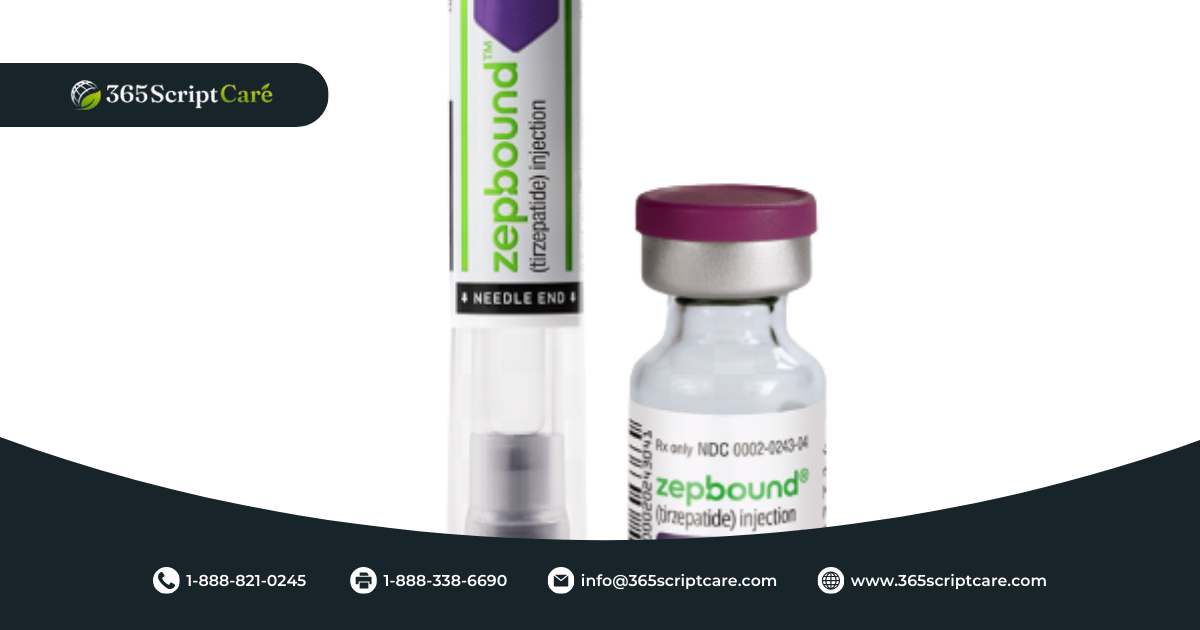
Wegovy weight loss safety has become a common concern as more individuals seek effective treatments to manage obesity. As medical weight loss becomes more accepted, injectable medications like Wegovy have gained attention for their potential to help individuals lose significant weight over time. However, the safety of any treatment must be evaluated with caution, especially when the goal is long-term health improvement rather than short-term results. Weight loss medications must be assessed not only for their effectiveness but also for their impact on the body, potential side effects, and suitability for different types of patients.
Wegovy, containing the active ingredient Semaglutide, was originally developed to help manage blood sugar in people with Type 2 Diabetes. Its secondary effect—sustained weight loss—led to the development of a higher-dosed version specifically aimed at treating obesity. Like any medication that alters appetite and metabolism, Wegovy affects many parts of the body. This is why it’s essential to explore the benefits, risks, and patient experiences thoroughly.
Many people researching Wegovy look at its real-life success rates, how the injection works, and what side effects may occur. To gain a full picture, it’s also necessary to understand what Wegovy does inside the body and how the outcomes can vary based on weight, health conditions, and duration of use. It’s not just about the numbers on the scale, but also about how the body reacts to consistent medical weight loss support.
Key Takeaways
- Weight loss pills are most effective when combined with diet, exercise, and long-term lifestyle changes.
- There are different types of weight loss medications with various mechanisms. These include appetite suppressants (like Phentermine), fat blockers (like Orlistat), and hormone-based medications (like Semaglutide and Liraglutide) that regulate digestion and hunger.
- Wegovy (Semaglutide) is currently considered one of the most effective prescription options.
- Fast-acting medications like Phentermine may offer quick results but are typically prescribed short-term due to side effects.
- Prescription medications like Saxenda, Qsymia, and Contrave provide alternative options depending on individual health profiles.
- To qualify for prescription weight loss pills, patients usually need a BMI of 30 or more, or 27+ with related health issues.
- Not everyone is a good candidate for weight loss pills.
- Weight loss pills are best used as part of a long-term, doctor-guided plan to treat obesity as a chronic condition.
How Safe Is Wegovy for Weight Loss?

Wegovy is classified as a GLP-1 receptor agonist, which means it mimics a natural hormone that targets areas of the brain involved in appetite regulation. By slowing down stomach emptying and reducing hunger signals, it helps patients feel full for longer periods. As a result, calorie intake tends to decrease, which supports weight loss.
When prescribed properly, Wegovy is considered safe for most adults with a body mass index (BMI) of 30 or higher, or 27 or higher with at least one weight-related health condition such as high blood pressure or cholesterol. Clinical trials show that many patients achieve meaningful weight loss with consistent use. Still, it is not intended for casual use or short-term weight control in people without a medical need.
The key to Wegovy’s safety lies in proper medical guidance. The medication must be used under the supervision of a healthcare provider who can monitor side effects, adjust dosage, and determine if it remains appropriate over time. Regular check-ups and honest reporting of symptoms are critical.
How Wegovy Works
Wegovy contains Semaglutide, a compound that mimics the glucagon-like peptide-1 (GLP-1) hormone. GLP-1 plays a vital role in blood sugar regulation, insulin secretion, and appetite control. When injected once weekly, Wegovy activates the same pathways to help reduce hunger and increase feelings of fullness.
The process begins in the digestive system. After an injection, Semaglutide slows gastric emptying, which reduces appetite. The brain receives signals that food has been consumed and digested, even if the meal was smaller. Over time, this leads to a reduction in daily calorie consumption without the sense of deprivation that often accompanies dieting.
Another benefit of GLP-1 activity is improved insulin sensitivity and blood sugar control, which can be useful for people with prediabetes or insulin resistance. However, the main goal of Wegovy for weight loss patients is sustained reduction in weight to lower risks associated with obesity.
What Happens If You Take Wegovy at a Normal Weight?
Wegovy is not meant for individuals who are at a healthy weight. Taking it without a medical need can lead to unnecessary side effects and metabolic changes that do more harm than good. For individuals with a BMI under 27 and no related health risks, using Wegovy can disrupt natural appetite signals and digestion.
Some people may be tempted to use Wegovy as a quick fix to shed a few pounds, but that goes against its intended use. The medication is designed to support long-term weight loss in people who face health risks due to obesity. Using it outside of these guidelines can cause gastrointestinal issues, nutrient deficiencies, and increased risk of complications.
Additionally, patients at a normal weight may not experience the same benefits and are more likely to see negative side effects without the therapeutic advantages.
How Much Weight Can You Lose on Wegovy in 3 Months?
Weight loss results vary depending on the dose, lifestyle changes, and the individual’s body. However, during clinical trials, patients on Wegovy lost an average of 5% to 10% of their starting body weight within 12 weeks. That can equal anywhere from 10 to 25 pounds, depending on the individual.
The weight loss does not happen overnight. Wegovy doses are usually started low and gradually increased to help the body adjust. This also minimizes side effects like nausea and fatigue. Patients who make additional changes—like healthier eating and more physical activity—tend to see stronger results.
People who respond well to Wegovy often find that the first three months are an adjustment phase. Appetite begins to change, eating patterns shift, and weight loss becomes noticeable. Long-term success, however, depends on continued use and lifestyle support.
Wegovy Side Effects

It has several side effects that users may experience, falling into common, mild, and serious categories.
Common Side Effects
The most frequent side effects reported with Wegovy include:
- Nausea (most common)
- Diarrhea
- Vomiting
- Constipation
- Stomach or abdominal pain
- Headache
- Fatigue or tiredness
- Upset stomach or indigestion
- Dizziness
- Feeling bloated
- Belching
- Gas
- Heartburn
- Runny nose or sore throat
- Low blood sugar in people with type 2 diabetes
Many of these side effects happen as the body adapts to the medication and often improve over time or after dose adjustments. Nausea, for example, can be managed by eating bland, low-fat foods and eating slowly.
Serious Side Effects
Though less common, Wegovy can cause serious side effects that require immediate medical attention:
- Severe allergic reactions (breathing problems, swelling of face or throat, rash, itching)
- Thyroid tumors, including potentially cancerous tumors (symptoms: lump/swelling in neck, hoarseness, trouble swallowing or breathing)
- Pancreatitis (inflammation of the pancreas), with symptoms like severe abdominal pain radiating to the back, vomiting
- Low blood sugar (hypoglycemia), especially in people with diabetes
- Gallbladder problems, including gallstones or swelling
- Increased heart rate
- Severe nausea, vomiting, or diarrhea that may lead to dehydration and kidney problems
- Low blood pressure
- Appendicitis
- Increased risk of bone fractures
Other serious symptoms to watch for include blurred vision, fast heartbeat, mood changes, slurred speech, or swelling of the face, lips, or throat. These might indicate severe reactions such as hypoglycemia, kidney failure, or an allergic response.
Wegovy Risks and Benefits
It contains Semaglutide, a GLP-1 receptor agonist that affects areas of the brain involved in appetite regulation. While many people have seen promising results with Wegovy, it’s important to weigh both the benefits and potential risks before starting treatment.
Benefits of Wegovy
- Significant Weight Loss
Wegovy has been shown to help people lose a substantial amount of weight when combined with lifestyle changes. Clinical trials have demonstrated that some individuals can lose up to 15% or more of their body weight over time. - Improved Blood Sugar Control
Although not a diabetes drug, Wegovy can help lower blood sugar levels. It slows down digestion and reduces appetite, which helps regulate glucose after meals. - Reduced Risk of Heart Disease
For people with obesity or overweight and existing health issues, losing weight with Wegovy may help lower the risk of heart disease, high blood pressure, and stroke. - Long-Term Management Tool
Wegovy is not just a short-term fix. When used consistently and with medical supervision, it can support long-term weight maintenance and reduce the likelihood of regaining lost weight.
Risks of Wegovy
- Gastrointestinal Side Effects
Many people experience nausea, vomiting, diarrhea, or constipation—especially during the first few weeks. These side effects usually lessen as the body adjusts. - Gallbladder Issues
Rapid weight loss or use of Wegovy may increase the risk of developing gallstones or other gallbladder-related problems. - Thyroid Tumor Risk
Wegovy comes with a boxed warning about the possible risk of thyroid C-cell tumors. It’s not recommended for people with a personal or family history of medullary thyroid carcinoma or MEN 2 syndrome. - Pancreatitis
There have been reports of pancreatitis (inflammation of the pancreas) in people using GLP-1 medications like Wegovy. Anyone experiencing severe abdominal pain should seek medical help immediately. - Mental Health Effects
Some users may experience depression or suicidal thoughts. It’s important to report mood changes or emotional distress to a healthcare provider. - Injection Site Reactions
Since Wegovy is given as a weekly injection, some people may experience redness, itching, or swelling at the injection site.
Wegovy vs Ozempic
However, they have important differences in their approved uses, dosages, and primary effects:
-
Primary Use
- Wegovy is used specifically for long-term weight management in adults with obesity or overweight with related health conditions. It is also used for certain liver diseases.
- Ozempic is used to manage blood sugar levels in adults with type 2 diabetes and to reduce the risk of cardiovascular and kidney complications associated with diabetes.
-
Dosage
- Wegovy is prescribed with a higher maximum dose of semaglutide at 2.4 mg per week.
- Ozempic has a maximum dose of 2 mg per week.
- The higher dose in Wegovy contributes to its greater effectiveness in weight loss.
-
Effectiveness for Weight Loss
- Studies indicate that Wegovy can lead to significant weight loss, with average weight loss around 15-17% of body weight (about 35 lbs).
- Ozempic users typically see about 5-10% weight loss (approximately 14 lbs), although it is primarily used to control blood sugar.
- Wegovy’s appetite-suppressing effects combined with improved insulin function contribute to its weight loss success, while Ozempic’s primary mechanism is increased insulin production for glucose regulation.
-
Other Benefits
- Ozempic is used for kidney protection and cardiovascular risk reduction in people with type 2 diabetes and chronic kidney disease.
- Wegovy is also used for treating metabolic dysfunction-associated steatohepatitis (MASH) with liver fibrosis, which Ozempic does not.
Final Thought
Choosing the right weight loss treatment requires careful thought, reliable information, and medical guidance. Wegovy offers a promising approach for people struggling with obesity and related health concerns. Wegovy weight loss results have shown meaningful, sustained progress in many patients, making it a serious option for those looking to lose weight in a structured, medically supported way.
However, no weight loss method is completely risk-free. It’s important to weigh the potential benefits against the possible side effects. Ongoing support and regular check-ins with a medical provider are key to long-term success.
Buy Wegovy online from Canada through 365 Script Care. Our prescription referral service connects U.S. patients with a contracted pharmacy department for safe, secure access to their medications. All prescriptions must be issued by a U.S.-licensed doctor and written in English. Orders are for personal use only and typically arrive within 7–10 business days of shipping. This service provides a cost-effective and convenient solution for patients managing weight-related conditions long-term.