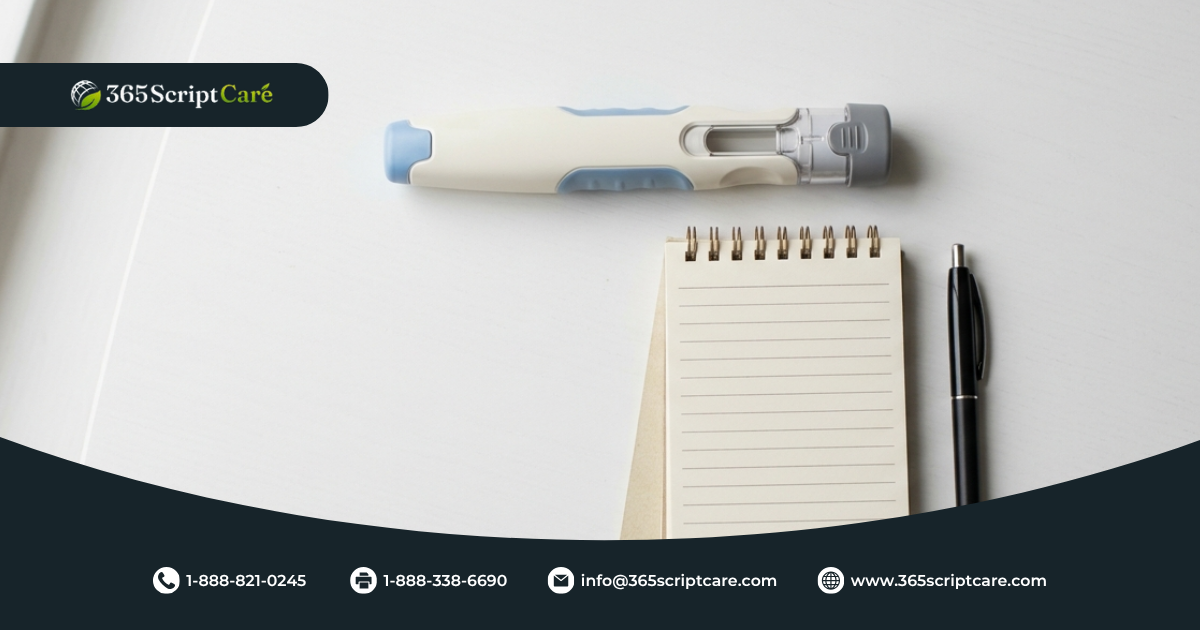
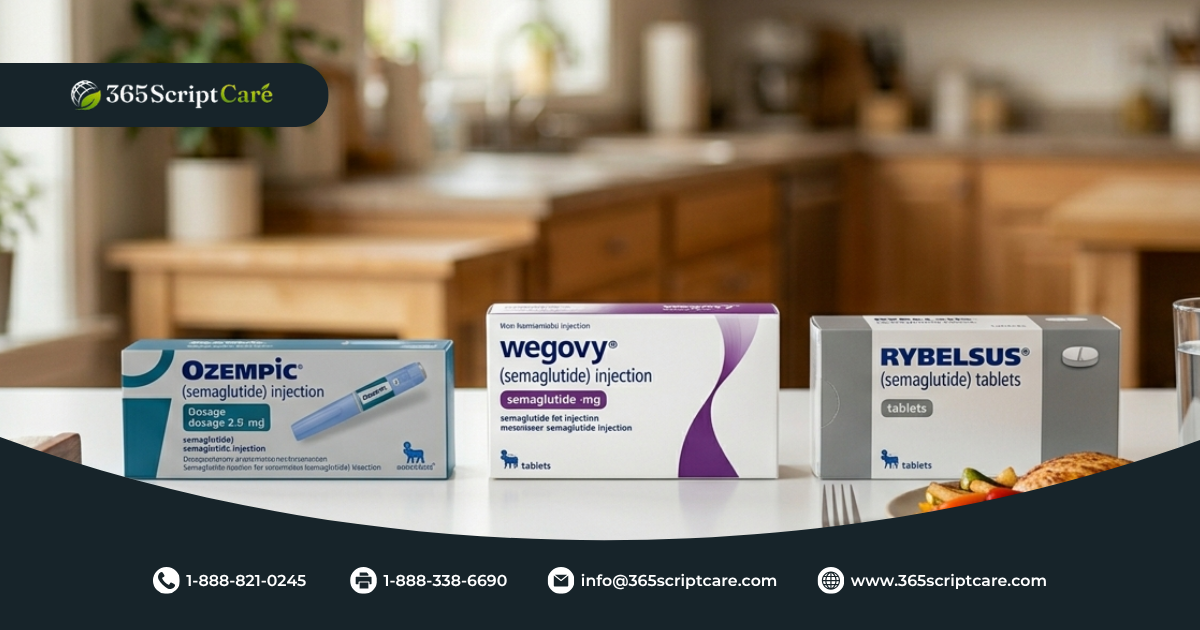
Ozempic is a prescription medication commonly used to manage type 2 diabetes and promote weight loss. Its active ingredient, semaglutide, works by mimicking a hormone in the body that regulates blood sugar, slows digestion, and reduces appetite. Because of these benefits, Ozempic has become a widely prescribed option for individuals looking to improve their blood sugar control and lose weight—especially when paired with strategies like Ozempic and intermittent fasting.
However, some users report digestive side effects while on Ozempic—especially during the first few weeks of treatment. Among the most common are heartburn and acid reflux, both of which can be uncomfortable and disruptive. These side effects can catch patients off guard, especially if they’ve never dealt with acid reflux before.
Knowing what to expect, why it happens, and how to manage these issues is key to staying consistent with your treatment. With the right strategies, you can stay on track while minimizing discomfort.
What Is Heartburn and Can Ozempic Cause It?
Yes, Ozempic can cause heartburn in some individuals, especially those who are new to the medication or increasing their dosage. Heartburn is a symptom of acid reflux that feels like a burning pain in the chest, usually after eating. It can also be accompanied by bloating, burping, and a sour taste in the mouth.
Heartburn occurs when stomach acid escapes into the esophagus—the tube that carries food from the mouth to the stomach. The lower esophageal sphincter (LES) is a muscular valve that normally prevents acid from rising. When it weakens or relaxes at the wrong time, acid can slip through, causing irritation and discomfort.
One way Ozempic may lead to heartburn is by slowing how quickly the stomach empties food. This delay is beneficial for controlling blood sugar and appetite, but it can also lead to a buildup of pressure in the stomach. That pressure can push acid up into the esophagus, resulting in heartburn.
In addition, people who already have digestive problems like GERD (gastroesophageal reflux disease) may be more sensitive to Ozempic’s effects. In those cases, the medication might make existing symptoms worse unless managed carefully with medical supervision.
If you’re exploring treatment options, it’s helpful to understand the differences between Ozempic, Wegovy, and Mounjaro, especially in how they impact blood sugar and digestion.
Does Ozempic Cause Heartburn or Acid Reflux?
Yes, heartburn and acid reflux are potential side effects of Ozempic due to its effect on the digestive system. When the stomach takes longer to empty, food and acid can build up, increasing the chance of reflux. This is one of the reasons why people may notice more frequent or intense heartburn shortly after starting the medication.
While Ozempic is not harmful to the digestive system in the long term, the symptoms it causes can be frustrating. Heartburn and acid reflux may feel like tightness in the chest, burning in the throat, or discomfort while lying down. These sensations can disrupt sleep, appetite, and overall well-being if left unmanaged.
The likelihood of experiencing heartburn depends on several factors, including your dose, eating habits, and individual sensitivity. People who eat large or fatty meals, drink alcohol or caffeine, or lie down soon after eating are more prone to acid reflux while on Ozempic.
Fortunately, these symptoms often fade as the body adapts. In some cases, dietary adjustments and meal timing alone can significantly reduce acid reflux. For others, medications like antacids or proton pump inhibitors may be needed for a short time.
How Long Does Heartburn Last on Ozempic?
For most people, heartburn caused by Ozempic is temporary. It typically occurs in the first few days or weeks after beginning treatment or increasing the dosage. As the body adjusts to slower digestion, symptoms like heartburn, bloating, or stomach pressure often lessen or disappear completely.
While some individuals feel better within a week or two, others may take up to a month to fully adjust. During this adjustment period, it’s essential to maintain healthy habits and follow any guidelines provided by your doctor. Skipping doses, overeating, or consuming trigger foods may prolong symptoms.
If heartburn continues beyond a few weeks or gets worse, it may signal a need for dose modification—see our guide on Ozempic dosing for weight loss to better understand how changes might affect your symptoms. In some cases, adjusting your schedule for how often to take Ozempic or spreading out meals may also help ease symptoms
Chronic heartburn should not be ignored. It can lead to complications like esophageal inflammation or ulcers if not addressed. That’s why tracking your symptoms and discussing them with your healthcare provider is so important during the early weeks of using Ozempic.
How Do You Stop Acid Reflux on Ozempic?

Reducing acid reflux while on Ozempic involves a combination of diet changes, healthy habits, and—if necessary—medications. Many people find that simple lifestyle adjustments significantly reduce symptoms and improve comfort.
Eat Smaller Meals
Instead of three large meals a day, aim for smaller meals spaced throughout the day. Large meals put pressure on the stomach and increase the likelihood of reflux. Smaller portions are easier to digest and reduce pressure in the digestive tract.
Eat Slowly and Mindfully
Chewing food thoroughly and eating slowly gives your body time to process meals without strain. Rushing through meals increases the amount of swallowed air, leading to bloating and pressure, which can worsen reflux.
Avoid Trigger Foods
Certain foods are more likely to trigger acid reflux. These include:
- Spicy dishes
- Citrus fruits like oranges and lemons
- Chocolate
- Fried or greasy foods
- Tomato-based products
- Coffee, tea, and soda
- Alcohol
Identify and limit foods that trigger symptoms. Keeping a food diary can help you pinpoint specific items that affect you most.
Stay Upright After Eating
Refrain from lying down after meals. Sitting or standing upright for at least 2–3 hours after eating allows gravity to keep stomach acid from rising. If you need to rest, sit in a reclined position rather than lying flat.
Elevate Your Head While Sleeping
Nighttime heartburn can be improved by slightly elevating the head of your bed or using a wedge pillow. Sleeping with your upper body elevated can help keep acid in the stomach overnight and reduce morning discomfort.
Stay Hydrated
Drinking plenty of water supports digestion and helps flush acid through the stomach. Sipping water throughout the day and with meals may help ease symptoms and prevent acid buildup.
Consider Antacids or Acid Blockers
If symptoms persist despite lifestyle changes, talk to your doctor about taking over-the-counter or prescription medications. Antacids provide quick relief, while H2 blockers and PPIs reduce overall acid production. Always consult your doctor before adding new medications.
Can You Take Ozempic If You Have GERD?
Yes, people with GERD (gastroesophageal reflux disease) can often take Ozempic safely, though it may require some adjustments. GERD is a chronic condition that causes frequent acid reflux and heartburn, and its symptoms may temporarily worsen when starting Ozempic.
Because Ozempic slows digestion, it may increase the amount of time that food and acid remain in the stomach. This delay can place more pressure on the esophageal sphincter, potentially worsening GERD symptoms such as burning pain, coughing, or regurgitation.
If you already have GERD and are considering Ozempic, your doctor may recommend starting with a lower dose and increasing slowly over time. They might also suggest continuing or adding medications like proton pump inhibitors or H2 blockers to protect the esophagus from acid damage.
It’s important to monitor your symptoms closely and let your provider know if anything changes. Together, you can find a treatment plan that controls both your blood sugar and acid reflux without sacrificing comfort.
What Happens If You Eat Sugar While Taking Ozempic?
While Ozempic helps reduce blood sugar levels, eating large amounts of sugar can still cause digestive symptoms and limit the medication’s effectiveness. Sugar stimulates the stomach to produce more acid, especially when combined with fatty or heavy meals, increasing the risk of acid reflux.
Excess sugar can also spike your blood sugar levels, which defeats the purpose of taking Ozempic. When blood sugar spikes, it may cause fatigue, hunger, and even worsen cravings later. In some people, too much sugar leads to bloating, burping, or discomfort as the body struggles to process it.
To reduce sugar-related side effects, choose whole foods like fruits, whole grains, and high-fiber vegetables instead of processed sweets. These foods digest more slowly, reduce acid buildup, and support stable blood sugar levels.
Also, avoid sugary drinks like soda or sweetened coffee, which add unnecessary calories and acid. Drinking water instead can help your body stay hydrated and aid in digestion.
Does Ozempic Mess Up Your Digestive System?
Ozempic doesn’t harm your digestive system, but it can cause noticeable changes—especially in the early stages. Its primary digestive effect is delayed gastric emptying, which means food stays in the stomach longer. This delay is beneficial for blood sugar control and weight management, but it can lead to temporary side effects.
Common Digestive Symptoms Include:
- Nausea
- Vomiting
- Bloating
- Stomach pain or fullness
- Constipation
- Diarrhea
- Belching or gas
These side effects are generally mild and tend to improve with time. Most people experience them after their first few doses, especially when increasing to a higher dose. If these issues become severe or persist longer than expected, it’s important to consult your doctor.
Some people benefit from taking a lower dose for an extended period to allow the digestive system to adjust. Your healthcare provider may also suggest additional medications or dietary strategies to ease symptoms.
Final Thoughts
Ozempic is a powerful and effective medication for type 2 diabetes and weight loss, but like many treatments, it can come with side effects. Heartburn and acid reflux are among the most common digestive issues reported, especially during the first few weeks of use.
Thankfully, these symptoms are often manageable and tend to improve with time and small changes to daily habits. Eating smaller meals, avoiding trigger foods, staying upright after eating, and sleeping with your head elevated can make a significant difference in your comfort.
If you already have GERD or other digestive conditions, you may still be able to take Ozempic safely with the guidance of your healthcare provider. Always share any new or worsening symptoms so they can help adjust your treatment plan as needed.
For those using Ozempic to improve their health, it’s important to buy Ozempic online from a trusted provider to stay consistent with treatment. Purchasing Ozempic from a reputable online provider can make it easier to stick to your treatment and achieve long-term success.