Zepbound weight loss has emerged as a significant breakthrough for adults struggling with excess pounds and weight-related health conditions. This prescription medication contains Tirzepatide, a dual-action compound that mimics natural hormones controlling appetite and blood sugar regulation. By activating specific receptors in the body, Zepbound reduces hunger signals, slows stomach emptying, and improves how cells respond to insulin. Individuals using this treatment typically inject it once weekly under the skin, following their healthcare provider’s dosage recommendations. The medication works best when combined with reduced calorie intake and increased physical activity. Most people begin seeing measurable results within the first few weeks, with progressive improvements continuing over several months. Understanding how Zepbound functions at a cellular level helps set realistic expectations and maximizes the potential benefits of this weight management approach.
How Zepbound Influences Appetite and Food Intake

The appetite-suppressing effects of Zepbound represent one of its most noticeable benefits for individuals pursuing weight reduction. This medication works directly on brain regions responsible for hunger regulation, particularly the hypothalamus, which serves as the body’s appetite control center.
Reduction in Hunger Signals
Tirzepatide decreases the production and release of ghrelin, often called the “hunger hormone.” Lower ghrelin levels translate to fewer hunger pangs throughout the day, making it significantly easier to stick to planned meals and avoid unplanned snacking. Many people report feeling satisfied with smaller portions and experiencing less preoccupation with food.
Enhanced Satiety Response
Beyond reducing hunger, Zepbound amplifies satiety signals that tell your brain you’ve eaten enough. This occurs through increased release of peptides from intestinal cells that communicate fullness to the brain. The result is a natural tendency to stop eating sooner during meals, reducing overall calorie consumption without requiring constant willpower.
Delayed Gastric Emptying
The medication slows the rate at which food leaves the stomach and enters the small intestine. This delayed gastric emptying prolongs the feeling of fullness after meals and helps stabilize blood sugar levels by preventing rapid spikes. Some individuals may initially experience mild nausea as their digestive system adjusts to this slower processing speed.
Ready to start your weight management journey? Buy cheap Zepbound online from Canada through 365 Script Care, a prescription referral service, and take the first step toward achieving your health goals.
Metabolic Changes Triggered by Zepbound Treatment
Zepbound initiates several metabolic shifts that support sustainable weight reduction beyond simple appetite suppression. These changes affect how your body processes nutrients, stores energy, and burns calories throughout the day.
The medication improves insulin sensitivity, meaning cells become more responsive to insulin signals and efficiently remove glucose from the bloodstream. Better insulin function reduces the likelihood of excess calories being stored as fat, particularly in the abdominal region where metabolic health risks concentrate.
Enhanced fat oxidation represents another key metabolic benefit. Zepbound encourages the body to preferentially burn stored fat for energy rather than preserving it. This shift proves especially valuable during calorie restriction, helping maintain lean muscle mass while promoting fat loss.
Some research suggests Tirzepatide may increase resting metabolic rate, the number of calories burned during rest. Even modest increases in baseline metabolism contribute meaningfully to weight reduction over time, creating a larger daily calorie deficit without requiring additional exercise.
The medication also influences fat cell biology, potentially reducing the size of existing fat cells and limiting the creation of new ones. These cellular-level changes help prevent weight regain after initial losses, addressing one of the most challenging aspects of long-term weight management.
Learn more about optimizing your treatment at 365 Script Care, where you can access resources and support for your wellness journey.
Starting Zepbound – Dosage Progression and Administration
Healthcare providers prescribe Zepbound following a structured dosage escalation schedule designed to minimize side effects while building therapeutic effectiveness. Understanding this progression helps set appropriate expectations for results and potential adjustment periods.
Initial Dosing Phase
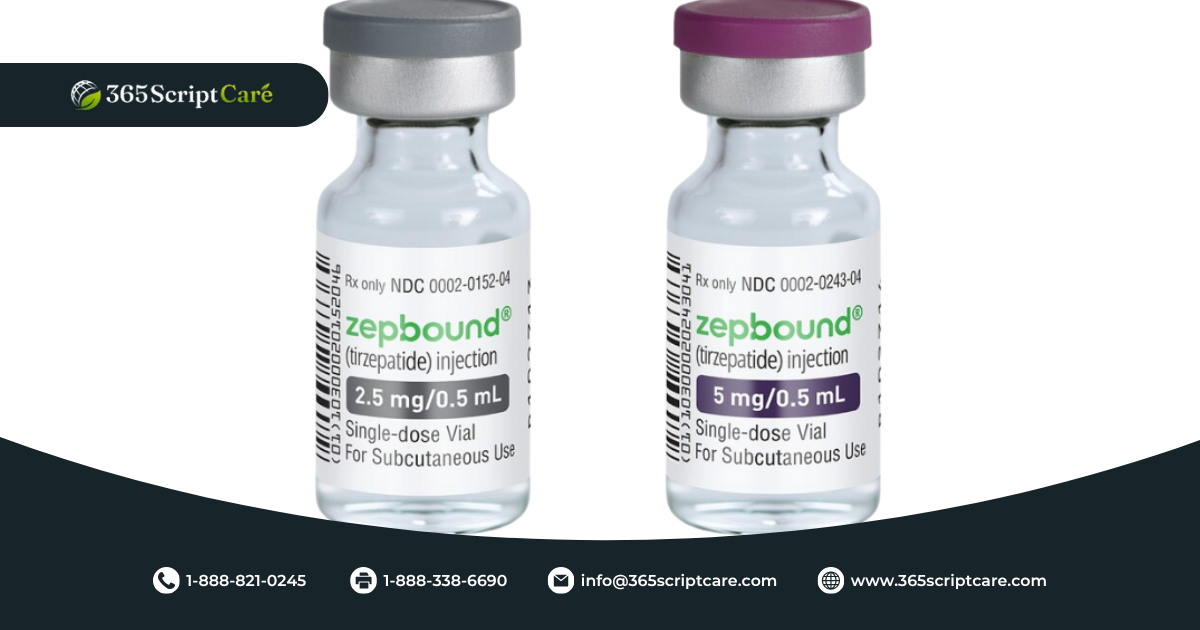
Treatment typically begins with a 2.5 mg weekly injection for the first four weeks. This starter dose allows the body to acclimate to the medication’s effects and helps identify any sensitivity issues. Most people tolerate this initial phase well, though mild digestive changes may occur.
Gradual Dose Increases
After the initial month, the dosage usually increases to 5 mg weekly for another four weeks. This pattern of gradual escalation continues, with potential increases to 7.5 mg, 10 mg, 12.5 mg, and eventually up to 15 mg weekly based on individual response and tolerance. Each dose level is maintained for at least four weeks before considering advancement.
Injection Technique
Zepbound is administered subcutaneously, meaning the needle goes just beneath the skin surface into fatty tissue. Common injection sites include the abdomen, thigh, or upper arm. Rotating injection locations helps prevent skin irritation and ensures consistent absorption. The medication comes in pre-filled pens designed for easy self-administration after proper training from a healthcare provider.
Timing and Consistency
The weekly injection can be given at any time of day, with or without meals. Maintaining consistency by injecting on the same day each week optimizes therapeutic levels. If a dose is missed, it should be taken as soon as possible within four days; beyond that timeframe, skip the missed dose and resume the regular schedule.
Expected Timeline for Zepbound Weight Loss Results

Understanding the typical progression of weight reduction with Zepbound helps maintain realistic expectations and motivation throughout treatment. Individual results vary based on starting weight, adherence to lifestyle modifications, and metabolic factors.
During the first month at the starting dose, many people notice reduced appetite and easier portion control, though significant weight changes may not yet appear on the scale. Early losses of three to five pounds during this period primarily reflect water weight and initial calorie reduction.
Months two through four generally produce more noticeable results as dosage increases and the medication’s full effects develop. Average weekly losses during this phase range from one to two pounds, with some individuals experiencing more rapid changes. Clothing fits differently, and energy levels often improve as excess weight decreases.
The period from months four through six typically represents peak weight reduction velocity for most individuals. By this point, dosage has reached higher therapeutic levels, and lifestyle habits have solidified. Many people achieve 10-15% reduction from their starting weight during this timeframe when combining medication with consistent dietary changes and regular physical activity.
Long-term continuation beyond six months yields additional benefits, with some individuals continuing to see gradual decreases for up to 12-18 months of treatment. After initial rapid losses, the rate typically slows to a more sustainable pace of one to three pounds monthly as the body reaches a new equilibrium.
For convenient access to your prescribed treatment, explore options at 365 Script Care to ensure quality and reliability for U.S. residents.
Managing Side Effects During Zepbound Treatment
Like all prescription treatments, Zepbound may produce side effects, though most prove manageable with proper strategies. Being prepared for potential reactions helps distinguish normal adjustment from issues requiring medical attention.
Digestive Symptoms
Nausea represents the most commonly reported side effect, particularly during the first few weeks after starting treatment or increasing dosage. This typically diminishes as the body adapts. Eating smaller, more frequent meals rather than large portions helps minimize queasiness. Avoiding fatty, greasy, or heavily spiced foods during the adjustment period also provides relief.
Occasional vomiting may accompany severe nausea, especially if eating habits aren’t modified to account for slower gastric emptying. If vomiting becomes frequent or persistent, contact your healthcare provider about potentially adjusting the dosage or progression schedule.
Diarrhea or constipation can occur as the digestive system adapts to altered motility patterns. Staying well-hydrated, consuming adequate fiber, and maintaining regular meal timing usually resolves these issues within a few weeks.
Injection Site Reactions
Mild redness, swelling, or itching at injection sites occasionally develops but generally resolves within a few days. Proper injection technique, rotating sites consistently, and allowing the medication to reach room temperature before injecting reduces these reactions.
Fatigue and Headaches
Some individuals experience temporary fatigue or mild headaches during the initial weeks of treatment. These symptoms typically correlate with rapid dietary changes and calorie restriction rather than the medication itself. Ensuring adequate hydration, balanced nutrition, and sufficient sleep addresses most cases.
When to Contact a Healthcare Provider
Seek medical attention for severe abdominal pain, persistent vomiting preventing fluid intake, signs of allergic reaction like difficulty breathing or facial swelling, or unusual symptoms that interfere with daily activities. Regular follow-up appointments allow monitoring of progress and adjustment of treatment as needed.
Optimizing Results – Lifestyle Factors That Enhance Zepbound Effectiveness

While Zepbound provides powerful pharmacological support for weight reduction, combining the medication with targeted lifestyle modifications amplifies results and promotes lasting health improvements.
Nutritional Strategies
Focus on nutrient-dense, whole foods that provide essential vitamins and minerals without excessive calories. Lean proteins, vegetables, fruits, whole grains, and healthy fats should form the foundation of meals. Since appetite decreases significantly, prioritizing protein intake helps preserve muscle mass during weight reduction.
Planning meals in advance prevents impulsive food choices when hunger is minimal but options are readily available. Keeping a food diary or using tracking applications provides accountability and helps identify patterns affecting progress.
Physical Activity Integration
Regular movement complements Zepbound’s metabolic effects and accelerates fat loss while building or maintaining lean tissue. Start with achievable goals like 20-30 minutes of walking most days, gradually increasing intensity and duration as fitness improves and weight decreases.
Incorporating resistance training twice weekly helps counter the muscle loss that can accompany rapid weight reduction. Maintaining muscle mass supports higher resting metabolic rate and improves body composition beyond what scale weight alone reflects.
Hydration and Sleep
Adequate water intake supports metabolism, aids digestion, and helps distinguish true hunger from thirst. Aim for at least eight glasses daily, increasing with physical activity or warm weather.
Quality sleep of seven to nine hours nightly regulates hormones affecting appetite and metabolism. Poor sleep undermines weight management efforts by increasing hunger hormones and reducing insulin sensitivity, counteracting some of Zepbound’s benefits.
Stress Management
Chronic stress elevates cortisol levels, which promotes fat storage, particularly around the midsection. Implementing stress-reduction techniques like meditation, deep breathing exercises, or enjoyable hobbies supports the physiological environment for successful weight reduction.
Moving Forward with Your Weight Management Goals
Zepbound weight loss treatment offers a scientifically-supported approach for individuals who have struggled with traditional methods. The medication’s ability to address multiple biological pathways simultaneously creates favorable conditions for achieving and maintaining healthier body composition.
Success with Zepbound extends beyond the number on the scale, encompassing improvements in energy levels, mobility, self-confidence, and overall quality of life. Many people find that reducing excess weight alleviates joint discomfort, improves sleep quality, and decreases risks associated with carrying extra pounds.
Approaching treatment as a comprehensive lifestyle transformation rather than a temporary intervention promotes lasting results. The skills developed during active treatment, including mindful eating, regular physical activity, and stress management, provide valuable tools for long-term health maintenance.
Working closely with healthcare providers throughout the journey ensures appropriate dosage adjustments, side effect management, and monitoring of overall health markers. Regular check-ins provide opportunities to celebrate progress, address challenges, and refine strategies for continued success.
The decision to pursue weight management with Zepbound represents an investment in long-term health and wellbeing. While the medication provides powerful support, lasting transformation comes from the daily choices and commitments that compound over time into meaningful, sustainable change.
Frequently Asked Questions
How quickly will I notice appetite changes with Zepbound?
Most individuals experience noticeable appetite reduction within the first week of treatment, though the effect intensifies as dosage increases over subsequent months. Initial changes include feeling satisfied with smaller portions and experiencing fewer cravings between meals.
Can I stop taking Zepbound once I reach my goal weight?
Discussing long-term treatment plans with your healthcare provider is essential, as stopping Zepbound may result in appetite returning to previous levels and potential weight regain. Some people transition to maintenance dosing, while others implement intensive lifestyle strategies to sustain results without continued medication.
Will Zepbound work if I don’t change my eating habits?
While Zepbound reduces appetite and alters metabolism, achieving significant sustainable results requires complementary dietary modifications. The medication makes behavioral changes easier by reducing hunger and cravings, but conscious food choices remain important for optimal outcomes.
How does Zepbound compare to other weight management medications?
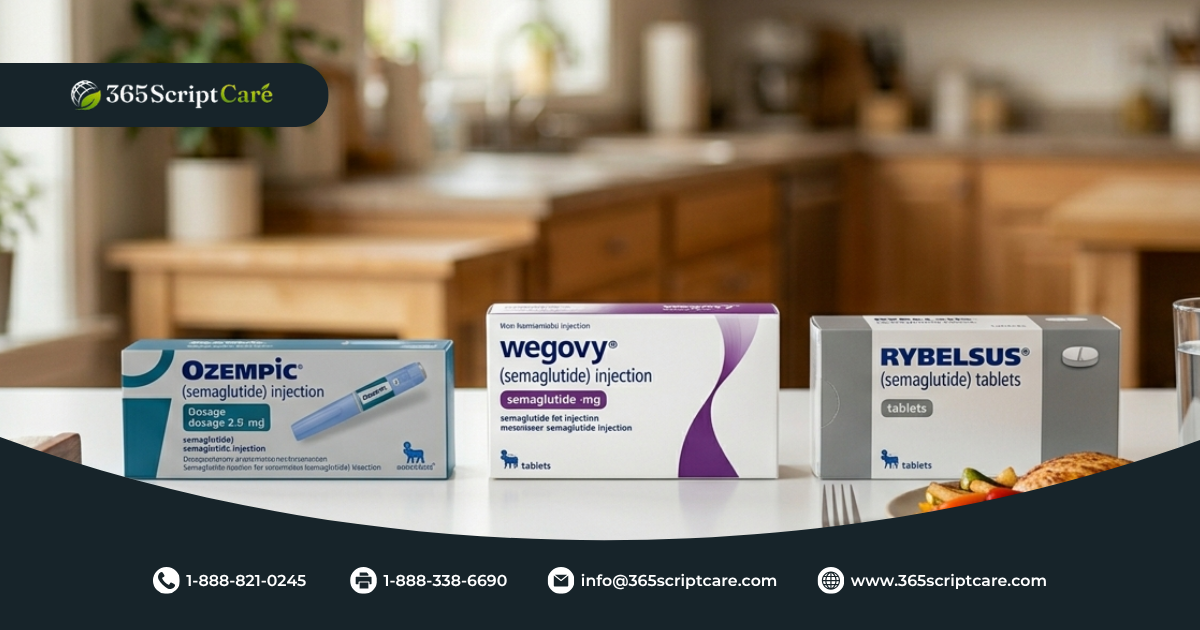
Zepbound’s dual-receptor mechanism targeting both GLP-1 and GIP pathways distinguishes it from single-action alternatives. Many people experience greater weight reduction with Tirzepatide compared to medications activating only GLP-1 receptors, though individual responses vary.
Are there certain foods I should avoid while taking Zepbound?
No specific foods are prohibited, but individuals often find that fatty, greasy, or very rich foods exacerbate digestive side effects like nausea. Listening to your body’s signals and choosing lighter, balanced meals typically feels more comfortable during treatment.
What happens if I miss multiple doses of Zepbound?
Missing more than two consecutive doses may require restarting at a lower dosage to minimize side effects. Contact your healthcare provider for guidance on resuming treatment safely if you’ve missed injections, rather than attempting to catch up with double doses.
Can Zepbound cause nutritional deficiencies?
Significantly reduced food intake could potentially lead to inadequate vitamin and mineral consumption. Focusing on nutrient-dense foods and considering a multivitamin supplement helps ensure nutritional needs are met despite lower overall calorie intake. Regular monitoring through healthcare visits identifies any deficiencies requiring attention.