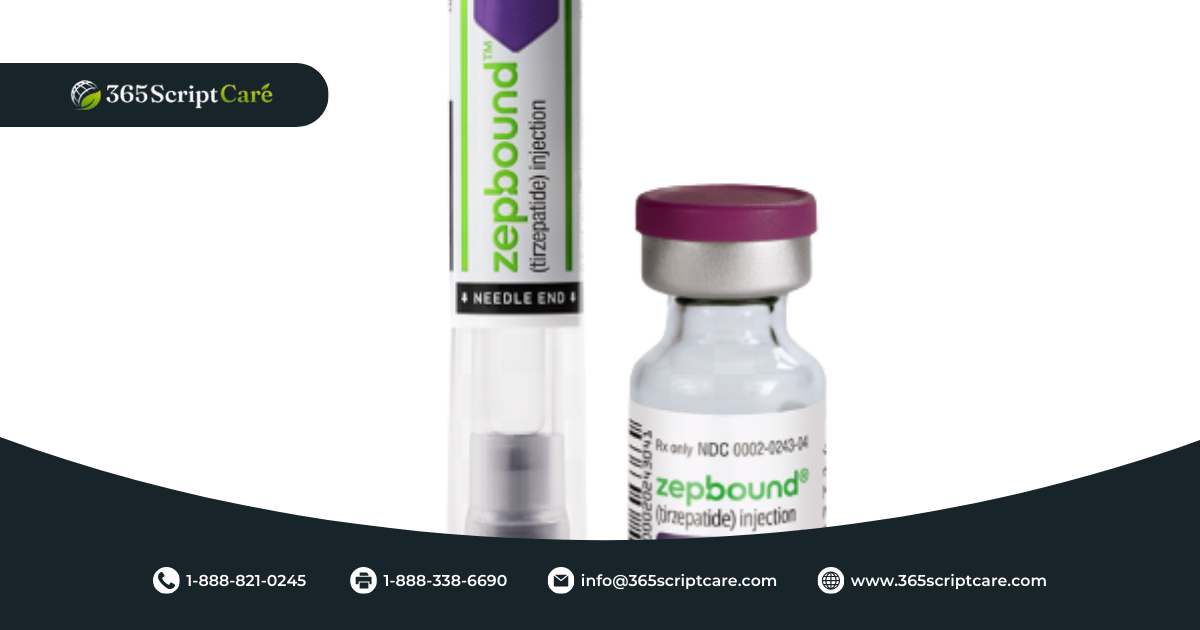
The correct Mounjaro dosage plays a critical role in achieving optimal treatment outcomes for type 2 diabetes management. This medication starts at 2.5 mg weekly and gradually increases based on individual response and tolerance levels. Patients typically progress through multiple dose adjustments over several months to reach their therapeutic target. The pen injection system simplifies administration while ensuring accurate dosing every time. Healthcare providers customize treatment plans considering factors like blood sugar levels, weight management goals, and potential side effects. Proper dose escalation helps minimize gastrointestinal symptoms while maximizing glycemic control benefits throughout the treatment journey.
How Mounjaro Works in Your Body
Tirzepatide, the active ingredient in Mounjaro, functions as a dual GIP and GLP-1 receptor agonist that regulates blood sugar through multiple mechanisms. This medication stimulates insulin release when glucose levels rise after meals while simultaneously reducing glucagon production from the pancreas. The dual action approach provides superior glycemic control compared to single receptor medications available today.
Your body processes each weekly injection gradually, maintaining steady medication levels between doses. The extended release profile allows convenient once-weekly administration rather than daily injections required with other diabetes medications. Patients experience improved appetite regulation as the medication influences satiety signals sent between the digestive system and brain.
The medication’s effects build progressively over the first few weeks of treatment. Initial doses focus on allowing your system to adapt while subsequent increases enhance therapeutic benefits. Most individuals notice blood sugar improvements within the first month, though maximum effects typically appear after reaching higher maintenance doses.
Weight reduction often accompanies blood sugar improvements due to decreased appetite and altered food preferences. Many patients report feeling satisfied with smaller portions and experiencing fewer cravings for high-calorie foods during treatment.
Starting Your Mounjaro Dosage Journey
Beginning treatment requires careful attention to the prescribed starting dose of 2.5 mg administered once weekly. This initial Mounjaro dosage serves primarily as an introduction phase, allowing your body to adjust to the medication’s effects gradually. Most healthcare providers maintain this starting dose for four weeks before considering any adjustments.
The injection should occur on the same day each week to maintain consistent medication levels. Patients can choose any day that fits their schedule but should maintain that schedule throughout treatment. Morning or evening administration depends on personal preference since food intake doesn’t affect absorption rates.
Proper injection technique ensures optimal medication delivery and minimizes injection site reactions. The pre-filled pen design eliminates measurement errors while the ultra-thin needle reduces discomfort during administration. Rotating injection sites between the abdomen, thigh, and upper arm prevents tissue irritation or lipodystrophy development.
Consider exploring affordable options through 365 Script Care, a prescription referral service that connects patients with cost-effective medication sources. Access to reasonably priced medications helps ensure consistent treatment adherence throughout your diabetes management journey.
Storage requirements maintain medication potency between doses – refrigeration preserves unopened pens while room temperature storage works for current-use pens up to 21 days. Protecting medications from extreme temperatures and direct sunlight prevents degradation that could affect treatment effectiveness.
Standard Dose Escalation Schedule
The typical progression follows a structured timeline designed to optimize tolerance while achieving therapeutic goals. After completing four weeks at 2.5 mg, most patients advance to 5 mg weekly for another four-week period. This measured approach minimizes side effects while allowing steady adaptation to increasing medication levels.
Week 1-4 – Initial Phase
- 2.5 mg once weekly
- Focus on establishing injection routine
- Monitor for initial side effects
- Track blood sugar responses
Week 5-8 – First Increase
- 5 mg once weekly
- Enhanced blood sugar control emerges
- Appetite changes become noticeable
- Side effects typically peak then diminish
Week 9-12 – Therapeutic Range
- 7.5 mg once weekly
- Significant glycemic improvements
- Weight management benefits increase
- Most patients tolerate well
The Mounjaro dosage continues increasing based on individual response and treatment goals. Some patients achieve excellent control at 7.5 mg while others benefit from further increases. Healthcare providers evaluate progress at each stage before recommending advancement to ensure safety and effectiveness.
| Dose Level | Weekly Amount | Typical Duration | Primary Purpose |
|---|---|---|---|
| Starting | 2.5 mg | 4 weeks | Body adaptation |
| Low therapeutic | 5 mg | 4 weeks | Initial efficacy |
| Mid therapeutic | 7.5 mg | 4 weeks | Enhanced control |
| Standard maintenance | 10 mg | Ongoing | Sustained benefits |
| High maintenance | 12.5 mg | Ongoing | Maximum effect |
| Maximum | 15 mg | Ongoing | Intensive therapy |
Your healthcare provider determines the optimal maintenance dose based on blood sugar readings, A1C levels, and tolerance. Not everyone requires the maximum dose – many achieve excellent results at moderate levels. Regular monitoring helps identify the sweet spot balancing effectiveness with minimal side effects.
Managing Side Effects Through Proper Dosing

Gastrointestinal symptoms represent the most common challenges during dose escalation phases. Nausea, decreased appetite, and mild stomach discomfort typically appear when starting treatment or increasing doses. These effects usually diminish as your body adjusts over several weeks.
Strategic meal planning helps minimize digestive discomfort during adjustment periods. Eating smaller, more frequent meals reduces nausea while maintaining adequate nutrition. Avoiding high-fat or spicy foods during dose increase weeks prevents exacerbating gastrointestinal symptoms. Staying well-hydrated supports digestive comfort and overall medication tolerance.
Some patients benefit from slower dose progression when experiencing persistent side effects. Extending the time at each Mounjaro dosage level from four to eight weeks allows additional adaptation time. This modified schedule still achieves therapeutic goals while improving treatment tolerance and adherence.
Timing modifications can also improve comfort – some find evening injections minimize daytime nausea while others prefer morning administration. Experimenting with injection timing during the initial weeks helps identify your optimal schedule. Consistency remains important once you establish your preferred routine.
Communication with healthcare providers ensures appropriate adjustments when side effects interfere with daily activities. Temporary dose reductions or extended titration schedules maintain treatment momentum while addressing tolerance issues. Most patients successfully reach their target dose with proper support and modifications.
Special Considerations for Different Patient Groups

Elderly patients may require modified dosing approaches due to age-related physiological changes. Kidney function, medication clearance rates, and overall health status influence dosing decisions in older adults. Starting with standard doses but extending time between increases allows careful monitoring of responses and tolerance.
Individuals with kidney impairment don’t typically need dose adjustments since Mounjaro undergoes minimal renal elimination. However, healthcare providers monitor these patients more closely for potential side effects or unexpected responses. Regular kidney function tests ensure continued medication safety throughout treatment.
Patients Taking Multiple Medications
Drug interactions rarely affect Mounjaro dosage requirements directly, though concurrent medications influence overall diabetes management:
- Sulfonylureas may require dose reduction to prevent hypoglycemia
- Insulin doses often need adjustment as blood sugar control improves
- Blood pressure medications might need modification as weight decreases
- Oral contraceptives maintain effectiveness without dose changes
Those with significant gastrointestinal conditions may experience enhanced sensitivity to medication effects. Inflammatory bowel disease, gastroparesis, or severe reflux might necessitate slower dose escalation or lower maximum doses. Careful symptom monitoring guides individualized dosing decisions in these situations.
Patients pursuing aggressive weight management alongside diabetes control often benefit from reaching higher maintenance doses. The appetite-suppressing effects increase with dose escalation, supporting greater weight reduction potential. However, nutritional adequacy requires attention as appetite decreases significantly at higher doses.
Optimizing Your Mounjaro Dosage Results
Achieving maximum benefits requires consistent administration combined with lifestyle modifications. Regular physical activity enhances insulin sensitivity, potentially improving medication effectiveness at any dose level. Exercise timing doesn’t need coordination with injection schedules since the medication works continuously throughout the week.
Dietary choices significantly impact treatment success regardless of dosage level. Emphasizing protein, vegetables, and whole grains while limiting processed foods supports both blood sugar control and weight management. The medication’s appetite effects make healthy eating easier but don’t eliminate the need for conscious food choices.
Blood sugar monitoring provides essential feedback about dosing adequacy. Testing at various times captures medication effects throughout the day:
- Fasting levels reflect overnight control
- Post-meal readings show mealtime effectiveness
- Pre-meal values indicate between-meal stability
- Weekly patterns reveal overall control trends
Get affordable access to cheap Mounjaro through trusted prescription referral services that help manage medication costs without compromising quality. Consistent access to medications ensures uninterrupted treatment progress toward your health goals.
Sleep quality affects blood sugar regulation and medication response. Establishing regular sleep schedules and addressing sleep disorders improves overall diabetes control. Poor sleep can increase insulin resistance, potentially requiring higher doses for equivalent effectiveness.
Stress management techniques support optimal medication response at any Mounjaro dosage level. Chronic stress elevates blood sugar through hormonal pathways that medication alone cannot fully address. Relaxation practices, counseling, or stress reduction programs complement treatment effectively.
Regular medical appointments ensure appropriate dose adjustments based on objective measures. A1C testing every three months tracks long-term control while identifying needs for dosage modifications. Weight monitoring, blood pressure checks, and lipid panels provide comprehensive health assessment during treatment.
Troubleshooting Common Dosing Challenges
Missed doses occasionally occur despite best intentions and planning efforts. When you forget your weekly injection, administer it as soon as remembered if within three days of the scheduled time. If more than three days pass, skip that dose and resume your regular schedule with the next planned injection.
Never double doses to compensate for missed injections – this increases side effect risks without providing additional benefits. Missing occasional doses won’t significantly impact long-term control, though consistency improves overall results. Setting phone reminders or using medication apps helps maintain regular dosing schedules.
Injection site reactions like redness, itching, or mild swelling occasionally develop. These typically resolve within days without intervention. Rotating injection sites prevents recurring irritation in any single location. Severe reactions requiring medical attention remain extremely rare with proper technique.
Plateau Responses
Some patients experience diminishing effects over time at their current dose. Blood sugars that initially improved might gradually increase despite consistent medication use. Weight loss may stall after initial success. These plateaus often respond well to dose increases within the approved range.
Travel considerations require planning to maintain your regular Mounjaro dosage schedule. Time zone changes might shift injection days slightly, but weekly intervals should remain consistent. Carrying medications in carry-on luggage prevents temperature extremes that could affect potency. International travel may require documentation confirming prescription status.
Insurance or supply disruptions potentially interrupt treatment continuity. Developing backup plans before issues arise prevents treatment gaps. Prescription referral services provide alternative access routes when primary sources become unavailable. Maintaining slight medication overlaps ensures continuous treatment during transition periods.
Making Informed Decisions About Dose Adjustments

Healthcare providers consider multiple factors when recommending dose modifications beyond simple blood sugar readings. Weight trends, side effect profiles, and quality of life measures all influence dosing decisions. Open communication about your treatment experience guides appropriate adjustments.
Laboratory results provide objective measures guiding dose optimization:
- A1C trends show long-term control
- Fasting glucose indicates baseline management
- Lipid improvements reflect cardiovascular benefits
- Kidney function confirms continued safety
Patient-reported outcomes carry equal weight in dosing decisions. Energy levels, appetite changes, and gastrointestinal comfort influence both immediate and long-term adherence. Providers balance clinical targets with individual tolerance and lifestyle factors when determining optimal doses.
Some individuals achieve excellent control at moderate doses while others require maximum doses for similar results. Genetic factors, disease duration, and concurrent conditions create this variability. There’s no universal “best” dose – only the right dose for each individual’s unique situation.
Economic considerations sometimes influence dosing decisions since higher doses increase medication costs. Prescription referral services help manage expenses while maintaining therapeutic doses. Avoiding dose compromises due to cost ensures optimal health outcomes long-term.
Achieving Success with Your Personalized Dosing Plan
Finding your optimal Mounjaro dosage requires patience, consistency, and collaboration with healthcare providers throughout the adjustment process. The structured escalation schedule provides a framework while individual responses guide specific modifications along the way. Most patients successfully reach therapeutic doses that balance effectiveness with manageable side effects through gradual progression and appropriate support.
Success extends beyond simply reaching a target dose number. Sustainable treatment involves integrating medication into your broader diabetes management strategy including nutrition, exercise, and regular monitoring. The right dose supports your health goals while fitting comfortably into daily routines without excessive disruption from side effects.
Remember that dosing needs may evolve as your body composition changes, other health conditions develop, or treatment goals shift over time. Regular reassessment ensures your Mounjaro dosage continues meeting your needs effectively. Flexibility and ongoing communication with healthcare providers optimize long-term treatment success.
Your commitment to consistent administration and healthy lifestyle choices amplifies medication benefits at any dose level. The combination of appropriate therapy with personal health efforts creates superior outcomes compared to either approach alone. Stay engaged in your treatment journey while celebrating progress milestones along the way.
Frequently Asked Questions
What Is the Highest Dose of Mounjaro?
The maximum approved Mounjaro dosage reaches 15 mg administered once weekly for diabetes management. Most patients achieve therapeutic goals at lower doses between 10-12.5 mg weekly. Healthcare providers prescribe the highest dose when lower amounts provide insufficient blood sugar control despite adequate trial periods. Individual tolerance and response determine whether reaching maximum dosing proves necessary or beneficial for specific patients.
How Long Does Each Dose Increase Take?
Standard protocols recommend maintaining each Mounjaro dosage level for four weeks before advancing to the next increment. This timeline allows adequate adjustment while identifying optimal therapeutic doses efficiently. Some individuals require extended periods at each level, particularly when experiencing side effects requiring additional adaptation time. Healthcare providers customize escalation schedules based on individual tolerance and treatment response patterns.
Can I Stay on a Lower Dose Permanently?
Many patients maintain excellent diabetes control at doses below the maximum 15 mg weekly amount. If blood sugar targets and health goals are met at your current dose, increases aren’t necessary. Some individuals achieve optimal results at 5 mg or 7.5 mg weekly without requiring further escalation. Your healthcare provider helps determine whether your current dose adequately addresses treatment objectives.
What Happens If Side Effects Don’t Improve?
Persistent side effects despite adequate adjustment time may require dose reduction or medication discontinuation in some cases. Most patients experience symptom improvement within 4-8 weeks at stable doses. Strategies like slower titration, dietary modifications, or symptomatic treatments often resolve tolerance issues. Healthcare providers evaluate whether continuing treatment benefits outweigh ongoing side effects for individual situations.
Should I Adjust My Dose Based on Blood Sugar Readings?
Never modify your Mounjaro dosage independently based on blood sugar measurements without healthcare provider consultation. While glucose readings provide valuable feedback, multiple factors influence appropriate dosing decisions beyond daily numbers. Providers consider trends, A1C values, and overall health status when recommending dose adjustments. Document readings to share during medical appointments for informed dosing discussions.
How Do I Know When I’ve Reached the Right Dose?
The optimal dose achieves blood sugar targets while maintaining acceptable tolerability and quality of life. Most patients recognize their ideal dose when glucose control stabilizes, side effects remain manageable, and energy levels improve. Weight management goals, if applicable, show steady progress. Healthcare providers confirm appropriate dosing through laboratory results and clinical assessments during regular follow-up appointments.
Can Doses Be Decreased After Weight Loss?
Significant weight reduction sometimes allows dose reductions while maintaining glycemic control effectively. Improved insulin sensitivity from weight loss may reduce medication requirements over time. Healthcare providers evaluate whether dose decreases remain appropriate based on blood sugar stability after weight changes. Some patients successfully maintain lower doses long-term following substantial weight reduction through combined medication and lifestyle interventions.
3665sc.on-forge.com/ is an established prescription referral service. Order brand-name and generic equivalent drugs online from a trusted Canadian drug source. Log onto www.365scriptcare.com to see how you can buy discounted drug prices shipped to the USA from Canada.