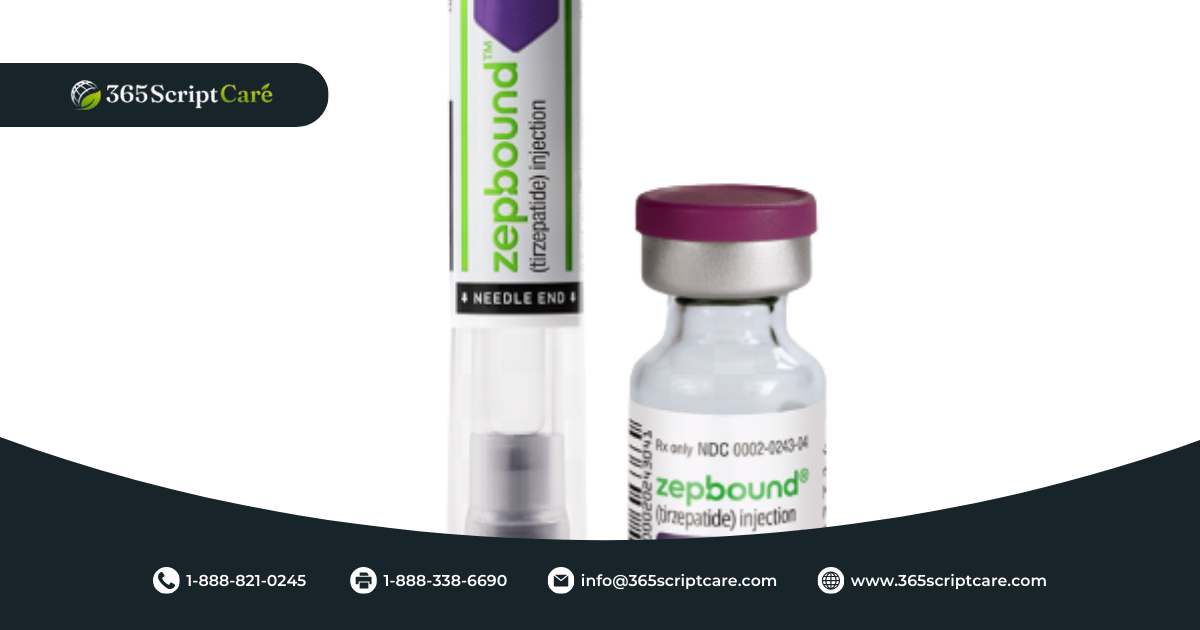
Semaglutide is a medication used to manage type 2 diabetes and aid in weight loss in individuals who require it. It helps your body manage blood sugar levels and reduces hunger, which can lead to weight loss. If you or someone you know is taking semaglutide, it’s critical to understand the dosing procedure and why getting the right dose is important.
Whether you are taking semaglutide for diabetes management, weight loss, or a combination of the two, it is critical to work closely with your doctor to identify the best dosage for you. Dosing is adjustable, but it must be controlled carefully, and your healthcare provider will help you achieve the best results. Grasping semaglutide dose will allow you to reap the full benefits of the medicine while minimizing potential adverse effects. Furthermore, understanding dosing will help you find a convenient and dependable way to order refills online from reputable pharmacy referral services like ours!

Understanding Semaglutide Dosing
Standard Dosing Regimens
The standard dosing plan for semaglutide starts with a low dose to help your body adjust. This method, known as titration, involves a steady dose increase to reduce the probability of adverse effects such as nausea.
For example:
- Starting Dose: Typically, people start with a modest dose, usually around 0.25 mg monthly.
- Increasing the Dose: After four weeks, the dose is often increased to 0.5 mg weekly. This helps your body acclimate to the medicine.
- Maintenance Dose: For many people, the maintenance dose is 1 mg monthly, which helps to stabilize blood sugar levels and promotes weight loss for those who incorporate it into their weight control strategy.
Factors Affecting Dosing
The amount of semaglutide you consume may vary depending on several factors, including:
- Your Weight and Body Mass Index (BMI): Elevated BMIs may require slightly different dose requirements to attain optimal benefits.
- Severity of Type 2 Diabetes or Obesity: People with high blood sugar levels or who want to lose a lot of weight may need to take various steps.
- Tolerance to Side Effects: Some people experience side effects more often than others. Modifications in dosage can help to reduce them while still providing effective therapy.
Your healthcare expert will consider these considerations when determining the appropriate dosage for you. And keep in mind that the goal is to regularly find a dose that balances efficacy with minimal side effects.
Flexible Dosing Approaches
Semaglutide dose is flexible, which means that it can be altered based on how your body reacts to the treatment. This could include increasing or decreasing the dosage based on your success. Your doctor will monitor your progress and may adjust your dosage if required. This adaptive strategy is why it’s critical to schedule regular checkups with your doctor and stick to the advised timetable.
Extended Dosing Studies and Patient Outcomes
According to recent study, prolonged dosage changes may provide significant benefits to some individuals. Studies reveal that some people who gradually increase their maintenance dose (for example, 1.7 mg or up to 2.4 mg weekly) get better blood sugar control and weight loss, particularly when standard doses become ineffective. These extended dose schedules are generally safe when monitored by a healthcare practitioner, although they may increase the likelihood of side effects such as minor stomach discomfort. The strategy emphasizes the importance of personalized therapy, as identifying the ideal dosage varies by individual based on factors such as metabolic response and lifestyle choices.
Research on Predictive Markers for Dosing Adjustments
New research on predicting health indicators is also helping doctors better modify semaglutide doses for the greatest benefits. For example, research suggests that people with various indicators, such as specific genetic features or metabolic variables like insulin resistance, may respond better to different doses of semaglutide. Recognizing these characteristics allows healthcare practitioners to more properly assess initial and ongoing doses, potentially reducing the need for future modifications. This study is part of a larger project targeted at individualized medicine for weight management and diabetes therapy, which will help patients achieve stable blood sugar levels and sustain weight loss in a more effective and comfortable manner.
Side Effects and Adverse Reactions
As with many medications, semaglutide can have negative effects. Certain ones are more common while starting the medicine or changing dosages.

Common Side Effects
Some common side effects include:
- Gastrointestinal Symptoms: The most common are nausea, vomiting, diarrhea, and constipation. Beginning with a modest dose helps to alleviate these effects.
- Other Side Effects: Some people may experience headaches, fatigue, or mild dizziness.
Managing Side Effects
Here are a few techniques to deal with negative effects:
- Gradual Dose Increase: Starting with a low dose and gradually increasing it helps your body adapt more quickly.
- Taking Medication with Food: Some people find that taking semaglutide with a small meal relieves stomach pain.
- Monitoring and Communication:If the adverse effects are severe or persistent, contact your healthcare provider. They may adjust your dosage or suggest different ways to manage problems.
If the negative effects worsen or do not improve over time, you should contact your healthcare practitioner right once. They may adjust your dosage, change the scheduling of your prescription, or suggest other measures to improve your comfort.
Research on Gastrointestinal Tolerance
Recent study has looked into methods to improve gastrointestinal tolerance to semaglutide, as nausea and digestive issues can be problematic for certain people. According to studies, lifestyle modifications, such as avoiding fatty or spicy foods when starting semaglutide, can help lessen nausea. Furthermore, modest studies suggest that increasing fiber intake, especially vegetables and whole grains, can help regulate digestion and alleviate constipation, which is a common adverse effect. These findings highlight the importance of nutrition, in addition to medication, in determining the level of comfort during treatment.
Rare but Serious Side Effects
While uncommon, some semaglutide users may experience more serious side effects, such as pancreatitis (pancreatic inflammation) or gallbladder difficulties. According to research, those with a history of gallbladder disease may be at a higher risk of complications, which is why medical experts typically check for any previous gallbladder problems before beginning therapy. Severe abdominal discomfort, jaundice in the skin or eyes, or an abrupt upper stomach ache may indicate serious problems and demand immediate medical attention. By identifying these concerns, patients and healthcare professionals can constantly monitor symptoms to ensure safe use.
Innovations in Side Effect Management
Recent research suggests the use of adjunct medicines, such as probiotics, to improve gut health and potentially relieve gastrointestinal symptoms associated with semaglutide administration. According to preliminary research, some probiotics may help balance the gut flora, hence alleviating symptoms such as bloating and diarrhea. Although further research is needed to validate these benefits, this emerging field of study reveals promising new techniques to improving the acceptability of semaglutide for people with digestive issues. For patients starting semaglutide, maintaining constant communication with a healthcare professional is critical for properly controlling side effects and having a happy treatment experience.
Semaglutide and Weight Loss
Semaglutide has proven to be successful for many people, helping not only with blood sugar stabilization but also with weight loss, which can improve general health and diabetes control.
Dosing for Weight Loss
For weight loss, semaglutide may be prescribed at a higher dosage. The dosage increases gradually, much like the strategy used to manage blood sugar levels. Research suggests that higher doses may be more helpful for weight loss; nevertheless, this demands greater monitoring of any side effects.
Weight Loss Maintenance
After you’ve met your goal, you must maintain your weight loss. When combined with healthy lifestyle choices, semaglutide can help you lose weight and keep it off. Even after you’ve stopped using it, eating a well-balanced diet, exercising regularly, and getting enough sleep can help you maintain your new weight.
Special Considerations
Although semaglutide is beneficial for many people, some situations may demand close monitoring or dosage adjustments.
Renal Impairment
Individuals with kidney problems may require changes to their semaglutide dosage. Kidney function determines how the body processes various medications, and your healthcare provider will monitor this to ensure your kidneys stay healthy.

Hypoglycemia Risk
Individuals receiving diabetic medicines are at risk of developing hypoglycemia, or low blood sugar levels, especially if they are simultaneously taking other blood sugar-influencing medications. To avoid hypoglycemia, it is critical to
- Monitor blood sugar levels regularly.
- Follow your healthcare provider’s advice for nutrition and physical activity.
- Be alert of hypoglycemic symptoms (such as shaking, sweating, and disorientation) and plan a response in case they arise.
Drug Interactions
Semaglutide may interfere with other medications, so inform your doctor about all medications you are presently taking. Certain drugs, particularly those used to treat diabetes, hypertension, or cardiac difficulties, may have an effect on semaglutide’s effectiveness. If you are considering taking additional medications or supplements, always consult with your doctor first.
Conclusion
Semaglutide is a good alternative for managing type 2 diabetes and promoting weight loss, but proper dose is required for maximum benefit. Dosing involves careful attention, starting with a low dose and gradually increasing, as well as recognizing adverse effects and evaluating your progress.
Working closely with your healthcare provider ensures that your semaglutide treatment is both effective and safe. You can help achieve the best results from this drug by remaining knowledgeable and taking the initiative in terms of dosing. Remember, when it’s time to restock, consider using our reputable online pharmacy referral service for a simple, secure, and cost-effective way to continue your semaglutide adventure.
3665sc.on-forge.com/ is an established pharmacy referral service. Order brand name and generic equivalent drugs online from a trusted Canadian drug source. Log onto www.365scriptcare.com to see how you can buy discounted drug prices shipped to the USA from Canada.