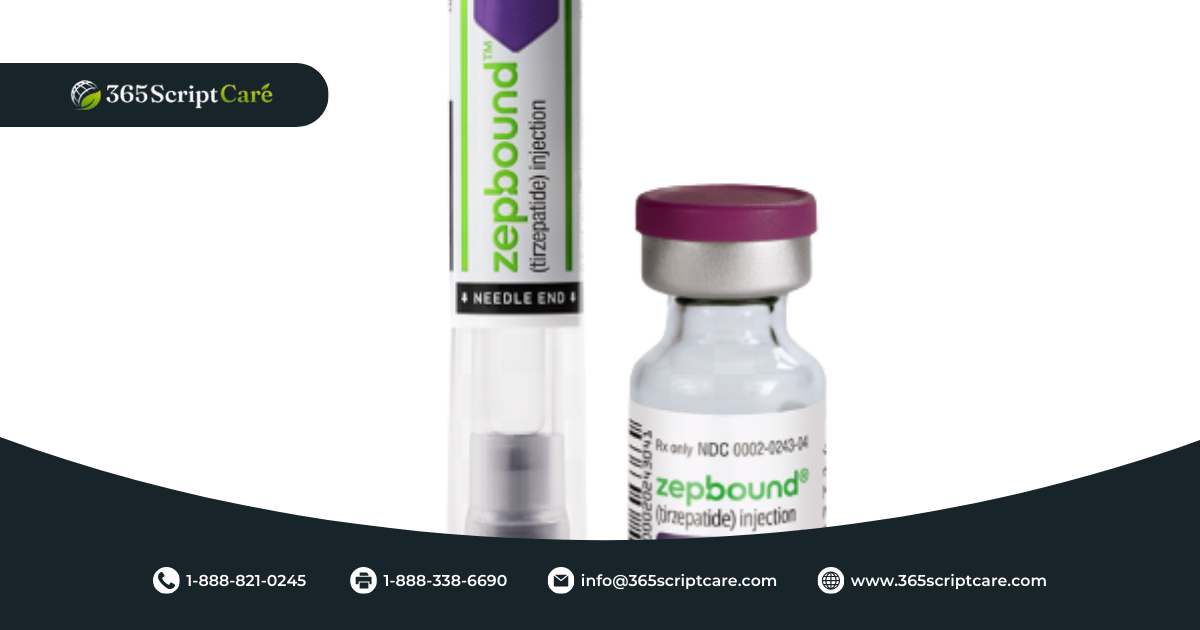
GLP-1 agonists and SGLT2 inhibitors are two typical treatments for type 2 diabetes. Although they both reduce blood sugar levels, they accomplish this through different means. In this post, we’ll look at the main differences between these two types of diabetic medicines and help you decide which one is best for you.
Type 2 diabetes develops when the body is unable to effectively use insulin or produces insufficient levels of insulin. This causes increased blood glucose levels, which can lead to serious health problems like heart disease, renal damage, and neurological troubles. Controlling blood sugar levels is critical for those with type 2 diabetes, and there are several drugs available to help with this. We’ll look at their functionality, effectiveness in controlling blood sugar, potential side effects, and other considerations.
Let’s get started by understanding what GLP-1 agonists and SGLT2 inhibitors are.

Mechanism of Action: How GLP-1 Agonists and SGLT2 Inhibitors Work
Understanding how medications work is vital for managing conditions like type 2 diabetes. The mechanism of action is the specific biochemical process via which a medication exerts its effects. GLP-1 agonists and SGLT2 inhibitors are the two primary categories of medications used to treat type 2 diabetes. Although both of these medications lower blood sugar levels, they function in different ways.
GLP-1 Agonists
GLP-1 agonists mimic the activity of glucagon-like peptide-1, a hormone that controls glucose metabolism. Here’s how they operate:
- Insulin Release: GLP-1 agonists cause the pancreas to produce more insulin after a meal, a hormone that helps to lower blood glucose levels. This behavior is most obvious after meals, when blood sugar levels rise.
- Slowing Gastric Emptying: GLP-1 agonists slow the movement of food from the stomach to the intestines. This prolonged delay in stomach emptying helps to sustain a sensation of fullness for a longer amount of time and may prevent rapid spikes in blood sugar levels after meals.
- Reducing Glucagon Secretion: In addition to increasing insulin levels, GLP-1 agonists inhibit the secretion of glucagon, a hormone that raises blood glucose levels by encouraging the liver to generate glucose. These drugs help manage blood sugar levels by reducing glucagon secretion.
- Promoting Satiety: GLP-1 agonists improve feelings of satiety, which can lead to less food consumption. This is beneficial for persons with type 2 diabetes who may also be trying to control their weight.
- Potential Cardiovascular Benefits: Recent research suggests that GLP-1 agonists may provide cardiovascular advantages. According to research published in Circulation, taking GLP-1 agonists reduced the incidence of heart attack and stroke for people with type 2 diabetes when compared to other drugs. This effect could be due to weight loss, lower blood pressure, and improved cholesterol levels.
SGLT2 Inhibitors
SGLT2 inhibitors focus on a specific aspect of glucose regulation. Their primary focus is on the kidneys.
- Blocking SGLT2 Protein: The SGLT2 (sodium-glucose co-transporter 2) protein reclaims glucose from urine and returns it to the bloodstream. SGLT2 inhibitors restrict this protein from functioning, causing the body to eliminate more glucose.
- Excess Glucose Removal: By inhibiting SGLT2, these medications allow excess glucose to be excreted in the urine. This process lowers blood sugar levels while also burning calories, which may lead to weight loss.
- Diuretic Effect: Elevated glucose levels in the urine cause greater water excretion, which has a natural diuretic effect. This can help lower blood pressure, which is beneficial for many type 2 diabetics because they are more likely to develop hypertension.
- Potential Kidney Protection: According to recent study, SGLT2 inhibitors may provide renal protection. The CREDENCE research, a large clinical trial, discovered that individuals with type 2 diabetes had a lower risk of kidney failure and disease progression when using canagliflozin, an SGLT2 inhibitor. This is especially essential because diabetes is the leading cause of chronic renal damage.
Key Differences Between GLP-1 Agonists and SGLT2 Inhibitors
The primary distinction between these two types of medications is where they act in the body and how they cause their effects.
Site of Action:
- GLP-1 Agonists: Primarily function in the gastrointestinal tract and pancreas to enhance insulin secretion, reduce glucagon release, and slow gastric emptying.
- SGLT2 Inhibitors: Operate in the kidneys to prevent glucose reabsorption and promote its excretion in urine.
Effects on Weight:
- GLP-1 Agonists: Often lead to weight loss, which is beneficial for many individuals with type 2 diabetes.
- SGLT2 Inhibitors: May also contribute to weight loss, but their primary mechanism involves glucose excretion rather than appetite suppression.
Cardiovascular and Renal Benefits:
- Primarily function in the gastrointestinal tract and pancreas to enhance insulin secretion, reduce glucagon release, and slow gastric emptying.
Understanding how GLP-1 agonists and SGLT2 inhibitors function allows persons with type 2 diabetes to make informed decisions about their treatment. Both types of drugs have distinct benefits that can help blood sugar management and overall well-being. Patients can improve their health outcomes and quality of life by working with healthcare providers to choose the best strategy for their specific needs.
Efficacy: How Well Do GLP-1 Agonists and SGLT2 Inhibitors Lower Blood Sugar?
Now that we’ve covered the mechanism of action for these drugs, let’s look at their efficacy in lowering blood glucose levels.
- GLP-1 Agonists: Clinical investigations have shown that GLP-1 agonists can reduce HbA1c levels by about 1-1.5%. They are also known for helping people lose weight, which is important because obesity can aggravate type 2 diabetes treatment.
- SGLT2 Inhibitors: These drugs can reduce HbA1c readings by about 0.5-1%. Although they are not as successful in lowering blood sugar levels as GLP-1 agonists, they have other benefits such as lowering the risk of heart disease and protecting the kidneys.
Weight Loss Potential: Both types of medications can help with weight loss, although GLP-1 agonists often have stronger effects. According to certain studies, people who use GLP-1 agonists may lose 4-6% of their body weight, while those who take SGLT2 inhibitors may lose 2-4% of their body weight.
Key Difference
GLP-1 agonists are slightly more successful at lowering blood sugar and promoting weight reduction, although SGLT2 inhibitors have the added benefit of protecting the heart and kidneys.
Side Effects: What to Expect with GLP-1 Agonists and SGLT2 Inhibitors
GLP-1 agonists and SGLT2 inhibitors, like all other medicines, can cause negative effects. Understanding what may occur might help you deal with any challenges that develop.
- GLP-1 Agonists: The most common side effects of GLP-1 agonists include nausea, vomiting, diarrhea, and stomach pain. These side effects are most common when you first start taking the medicine and usually go away once your body adjusts. One of the less common but serious side effects is pancreatitis (pancreatic inflammation).
- SGLT2 Inhibitors: UTIs and yeast infections are the most common side effects of SGLT2 inhibitors, which cause increased sugar clearance through urine. Some people may also suffer from dehydration, especially if they do not drink enough water. Diabetic ketoacidosis is a dangerous disorder that can be caused by SGLT2 inhibitors in some situations. It occurs when the body creates an excessive amount of ketones.
Key Difference
GLP-1 agonists are known to cause gastrointestinal issues like nausea, whilst SGLT2 inhibitors may increase the risk of acquiring urinary tract infections. Both require monitoring for rare but serious adverse effects.
Dosage and Administration: How to Take GLP-1 Agonists and SGLT2 Inhibitors
The method you employ to give your medication is important since it affects both convenience of usage and adherence to your specified treatment plan.
- GLP-1 Agonists: The vast majority of GLP-1 agonists are administered via injection. Certain medications, such as Victoza, must be used on a daily basis, while others, such as Ozempic, must be taken once a week. Even though self-injecting pens may appear scary at first, they are user-friendly, and people often learn to them quickly.
- SGLT2 Inhibitors: SGLT2 Inhibitors: Jardiance and Farxiga are oral medications used once daily in pill form. SGLT2 inhibitors are a more convenient option for people who dislike getting injections.
Key Difference
GLP-1 agonists are commonly given as injections, whereas SGLT2 inhibitors are taken in tablet form. If you dislike using needles, SGLT2 inhibitors may be a better option.

Choosing the Right Medication: GLP-1 Agonists or SGLT2 Inhibitors?
How do you chose between these two medications? Here’s a quick summary of the significant distinctions:
- GLP-1 Agonists excel at lowering blood sugar levels and promoting weight loss. Injections are also required, which may not suit everyone, but they offer the option of daily or weekly dosing.
- SGLT2 Inhibitor pills provide significant benefits for heart and renal health when ingested. Nonetheless, they may not reduce blood sugar levels as well as GLP-1 agonists and may increase the risk of getting urinary tract infections.
Factors to Consider
- Weight loss goals: If losing weight is a priority, GLP-1 agonists might be a better choice.
- Heart or kidney concerns: If you have heart or kidney issues, SGLT2 inhibitors could offer extra protection.
- Convenience: If you prefer taking a pill over using injections, SGLT2 inhibitors may be more convenient.
- Side effects: If you’re worried about nausea or stomach issues, SGLT2 inhibitors might be a better fit, but if you’re concerned about UTIs, GLP-1 agonists may be the way to go.
Remember, consulting with your doctor or healthcare professional is the best approach to make a decision. They can help you select the right drug based on your individual needs and medical history.
Conclusion
GLP-1 agonists and SGLT2 inhibitors are both useful in helping type 2 diabetics control their blood glucose levels. Although GLP-1 agonists are more successful for weight loss and blood sugar control, SGLT2 inhibitors offer additional protection to the heart and kidney. Your decision will be based on your lifestyle, health concerns, and preferences.
In our online pharmacy referral service, we strive to help you receive the pharmaceuticals you need at reasonable pricing. If you require GLP-1 agonists or SGLT2 inhibitors, we offer reasonable pricing and help to ensure that your diabetes care is both convenient and affordable.
Take control of your health right now—visit our online pharmacy referral service for information on diabetes meds.